
La Coruna
An extraordinarily rich architectural and cultural heritage and a strong tie to the sea: it is wonderful to admire the never-ending motion of the waves from the galerias, the traditional balconies in front of houses overlooking the ocean.
Excursions that bring the spirit of travel to life

A WALK IN THE COUNTRY ALONG THE ROAD TO SANTIAGO
A journey on foot in close contact with Nature permeated by the intoxicating aroma of eucalyptus: ideal for preparing the spirit for an unforgettable visit to the Cathedral of Santiago.
Main stops
- A stroll in the country on a section of the Road to Santiago
- Santiago, Cathedral
- Lunch with tapas at the Parador dos Reis Católicos
The programme
- Our journey on foot starts from Melide and winds through meadows, farms, eucalyptus forests and old stone bridges over streams that make up the picturesque scenery surrounding the faithful along this section of the Road to Santiago.
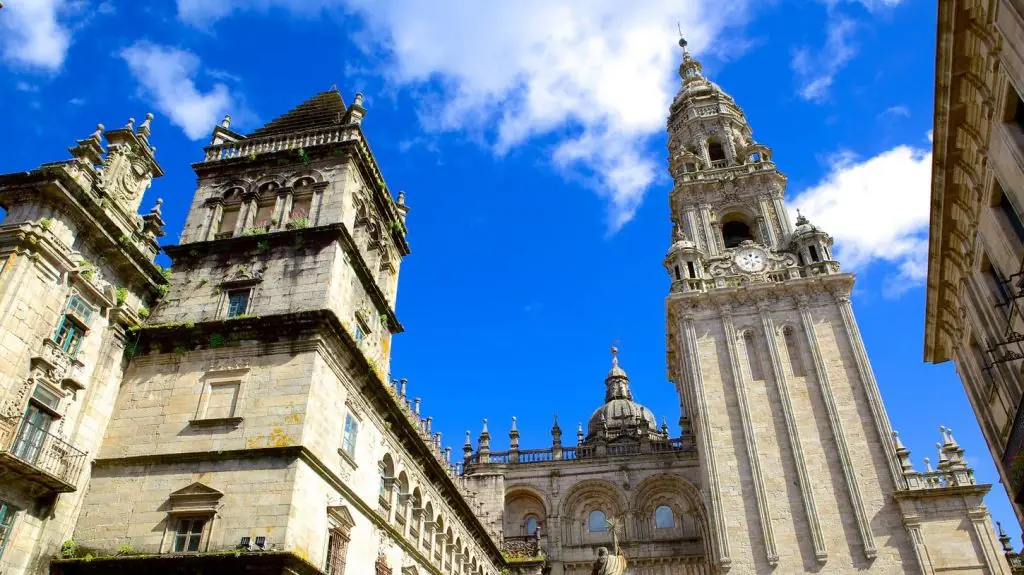
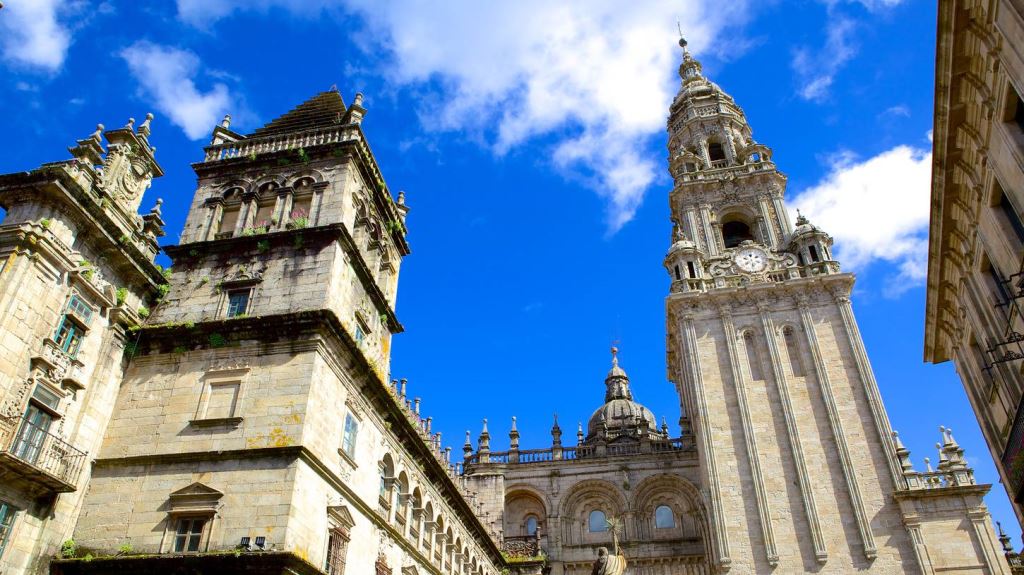
- We return to the coach and set off for Santiago, a final destination for pilgrims from all over Europe since the Middle Ages. Our guide provides a commentary on pilgrimages and reveals the secrets of the Cathedral, a major Catholic sanctuary and the burial place of the Apostle Saint James the Greater, patron saint of Spain and Christian martyr.
- Next on the excursion itinerary is a stop at the Parador dos Reis Católicos, where we enjoy a lunch with tasty tapas.
- After lunch, we still have some free time to explore this fascinating old city before returning to La Coruña.
- We recommend that you book early because only a limited number of places are available.
- The visit to the Cathedral depends from the times of holy services and may involve a long queue.
EXPLORING LA CORUÑA AND ITS FLAVOURS
A walking tour of La Coruña to discover its modernist architecture and evocative views of the sea and to also discover Galician culture through local delicacies.
Main stops
- La Coruña city centre
- Maria Pita square
- Calle Real
- Chocolate and churros tasting session
- Pescadería district
- Pontevedra square and market
- Tasting session of wine and local products
The programme
- We start our walking tour from Maria Pita square, the location of the Town Hall and one of the unmissable sights of the city. The square is named after the 16th-century heroine who led the successful defence against an attempt to invade the city by the British Counter Armada commanded by Sir Francis Drake.
- We walk along the pedestrian Calle Real, flanked by buildings with huge glass façades which have earned La Coruña the nickname "City of Crystal".
- We take advantage of the numerous cafés for a delicious break for chocolate and churros, a snack typical of Iberian cuisine.
- We continue our walk through the Pescadería district, located on an isthmus between the beach and the harbour and home to the most beautiful streets of the city flanked by historic buildings as far as the public gardens with their lush greenery.
- We then head towards Pontevedra square, where we can better understand the layout of the city, which was developed mainly on the more sheltered side and not on the beach side, swept by strong winds and waves.
- Our next stop is the municipal market, the only remaining traditional market famous for its fish. A great quantity of other products such as Galician specialities and meat can also be found there.
- Our walk ends with a tasting session of wine and local products not far from the market before heading back to the ship.
PANORAMIC TOUR ALONG THE COAST FROM LA CORUÑA TO THE RÍA DE BETANZOS (Estuary of Betanzos)
The visit to the historic centre of La Coruña combined with a more unusual experience, a journey of discovery of the estuaries of the "Crystal City".
Main stops
- Galerias
- St. Anthony's Castle
- Tower of Hercules
- Pontedeume, mouth of the River Eume, Tower of Andrade
- Galician Forest and the estuaries
- Ría de Betanzos (Estuary of Betanzos)
The programme
- After leaving the port, we head for the City's seafront to begin our scenic tour.
- The galerias, buildings with huge glass façades which have earned La Coruna the nickname "City of Crystal", file past before our eyes . Indeed, in the past when the sea was closer to the city, the windows reflected the sun's rays on the water surface creating new, endlessly changing light effects.
- We then admire St. Anthony's Castle; originally built as an island fortress, the castle is now an archaeological museum connected to the city by a strip of land.
- The Tower of Hercules, the next stop on our journey, is the only lighthouse in the world built by the Romans that is still in use today. We stop in this enchanting place to capture the tower in our souvenir photos. This symbol of the city even figures on the La Coruña coat of arms with the bones of Geryon, a giant who, according to the legend, was killed by Hercules and is buried below the lighthouse.
- We board the coach again and head for Pontedeume, a small town in the Gulf of Artabro, in the Ría di Ares (Ares estuary), at the mouth of the river Eume. When we arrive in the town, we make a brief stop to admire the 14th century Tower of Andrade from the exterior. The tower, which is 18 metres high and 11.5 metres wide, is the last remnant of the Pazo de los Andrade, a palace incorporated in the old city walls that was gradually demolished to make room for new traffic circulation roads.
- We return to the coach and continue our tour along the coast. We can admire close-up the lush Galician forest and the estuaries. Along the way we are spellbound by beautiful views of the ocean, some of the most beautiful beaches in the region, and wonderful views of picturesque villages.
- We then stop to savour some delicious tapas in a traditional restaurant with views of the Rìa de Betanzos before returning to the ship.
- We recommend that you book early because only a limited number of places are available.
LUGO: ITS MILLENARY WALLS AND THE HEART OF THE CITY
A city that is rich in history and art awaits us beyond its unique walls.
Main stops
- Roman city walls
- Cathedral
- Church and cloister of St. Francis
- Church, convent and cloister of St. Dominic
- Clock Tower
- Palace of the Arts
The programme
- After leaving the port we head to Lugo, the only European city surrounded by Roman walls that are still completely intact. It was declared a World Heritage Site by UNESCO in 2000. With a perimeter of 2,117 meters and a height ranging from 8 to 10 meters, with 71 of the 85 original towers still standing and 10 entrance gates, the walls are the most obvious and well preserved testimony of the thriving past of the city that was once the hub of a gold rich region. The Roman bridge over the River Miño, is also of great historical interest; it is 104 metres long and 4 metres wide and was rebuilt and repaired many times over the centuries.
- Inside the walls stands St. Mary's Cathedral, a Romanesque church which houses the chapel dedicated to San Froilán, the patron saint of the city, and boasts the Perpetual Adoration of the Most Blessed Sacrament, also featured on the coat of arms of the city.
- From the Romanesque style of the Cathedral, we move on to the Gothic Church of Saint Francis. Built in the 15th century on a Latin cross plan with Gothic arches, the church stood alongside the ancient Convent of St. Francis, of which today only the cloister remains; built on a square plan with round arches supported by twin columns decorated with plant motifs. The cloister is now one the locations of the Provincial Museum of Lugo and it houses, among other things, a collection of Galician art.
- We continue our walk towards the Church of San Dominic, built on a Latin cross plan with a single nave dating back to the 14th century. The church was originally a Dominican convent from the 13th century and in the 18th century a Baroque cloister was attached.
- We can then observe the characteristic Clock Tower, originally built in the 16th century but subsequently restructured.
- Our tour ends at the Palace of the Arts. However, we are left with some time for a little shopping before taking the coach back to La Coruña.
.
PANORAMIC TOUR OF LA CORUÑA
Main stops
- Riazor and Orzán beaches, Domus , Aquarium Finisterrae
- Tower of Hercules
- St. Anthony's Castle
- Old Quarter
- Betanzos Estuary
The programme
- We leave the port by coach passing along Mendez Nuñez Gardens, some of the oldest gardens in the city, dating back to the 19th century which are enhanced by a number of monuments and emblematic modernist buildings such as La Terraza or the Quiosco Alfonso
- At the Old Quarter we will walk along these old streets ending at Plaza de Maria Pita, one of the main sites of the Crystal city.
- We then continue by coach along the coast passin by St. Anthony's Castle; originally built as an island fortress, the castle is now an archaeological museum connected to the city by a strip of land.
- We proceed to the nearby Tower of Hercules, the only lighthouse in the world built by the Romans that is still in use today. We stop in this enchanting place to capture the tower in our souvenir photos. This symbol of the city even figures on the La Coruña coat of arms with the bones of Geryon, a giant who, according to the legend, was killed by Hercules and is buried below the lighthouse.
- We then pass in front of Domus - House of Man, the first interactive museum devoted to the human being, located in a futuristic building designed by the Japanese architect Arata Isozaki.
- We see the beautiful beaches of Riazor and Orzán and the more famous and crowded beaches of La Coruna as we drive along.
- Finally, we admire the breath-taking panoramic view of las Rìas (the estuaries) arriving at a local restaurant where we will enjoy nice tapas together with an amazing view of the mouth of the Ria de Betanzos into the ocean.
LA CORUÑA IN A CLICK
We pick upour cameras as real influencers to capture the essence of La Coruña. Aninnovative stimulating excursion for those who love to share their emotionswith their dear ones and, why not, be the envy of followers!
Main stops
- Galerias
- Towerof Hercules
- TownHall and Plaza de Maria Pita
The programme
- We take outour cameras ready to capture the spirit of La Coruña and create a true socialphoto feature.
- Afterleaving the port, we head for the City's seafront to begin our tour.
- The galerias, buildings with huge glass façades which have earned La Coruna the nickname "City of Crystal", file past before our eyes. Indeed, in the past when the sea was closer to the city, the windows reflected the sun's rays on the water surface creating new, endlessly changing light effects - an unmissable occasion to capture this breathtaking scenery on camera!
- The Towerof Hercules, the next stop on our journey, offers us endless photoopportunities: it is the only lighthouse in the world built by the Romans thatis still in use today. We stop in this enchanting place to capture the tower inour photos. This symbol of the city even figures on the La Coruña coat of armswith the bones of Geryon, a giant who, according to the legend, was killed byHercules and is buried below the lighthouse.
- Our journey on foot begins near the Town Hall, in Plaza de Maria Pita, one of theunmissable sights of the city and another source of inspiration, so all we haveto do is pick up our cameras and start snapping! The square is named after the16th century heroine who led the successful defence against an attempt toinvade the city by the British Counter Armada commanded by Sir Francis Drake.
- Before we return to the port there will be a little free time to spend in the historic centre with its many shops, bars, restaurants and many original curiosities ready to be photographed!
- Ourexcursion has come to an end: we return to our ship ready to post all theemotions we have enjoyed, which will be forever etched in our memories andavailable on our photo gallery.
- Space is limited, so please reserve early.
A STEP BACK IN THE HISTORY OF CORUÑA AND BETANZOS
We set off to explore the historical and artistic heritage of Betanzos and La Coruña, with views of the beaches in the region providing a perfect backdrop.
Main stops
- Betanzos
- views of the beaches of Riazor and Orzán and of St. Anthony's Castle
- Tower of Hercules
The programme
- After leaving the port we go by coach to Betanzos, which was declared a "Site of historical and artistic interest" in 1970 by the Spanish Ministry of Education and Science. We leave the coach and proceed to explore the streets of the centre on foot as far as the Church of St. Francis, a 14th century Gothic building. We have time for a little shopping before leaving.
- We return to the coach to continue our sightseeing tour, with beautiful views of the beaches of Riazor and Orzán and St. Anthony's Castle, winding along the coast up to La Coruna.
- When we arrive in the Galician capital, we stop at the Tower of Hercules, the only lighthouse in the world built by the Romans that is still in use today. We stop in this enchanting place to take souvenir photos of the tower which is a symbol of the city, and even figures on the La Coruña coat of arms together with the bones of Geryon, a giant who, according to legend, was killed by Hercules and is buried under the lighthouse.
- The excursion involves walking a distance of approximately 1.5 km (roughly a 2 hour walk) over rough terrain, it is therefore not recommended for guests who have mobility problems (especially those in wheelchairs).
SANTIAGO DE COMPOSTELA AMONG ART, CULTURE AND SPIRITUALITY
A cultural and spiritual excursion to discover the artistic and historic heritage of Santiago de Compostela.
Main stops
- Plaza del Obradoiro, Old Fonseca University
- Plaza de Las Platerías
- Plaza de la Quintana, Monastery of San Pelayo
- Plaza de la Azabacheria
- Monastery of St. Martin Pinario
- Cathedral
- Tapas Lunch at the Hostal de los Reyes Católicos
The programme
- We leave the port by coach and set off towards Santiago de Compostela, one of the most famous and popular religious centres of Christianity and a pilgrimage destination since the Middle Ages.
- Santiago, situated on a hill, is a town that emanates history, with the narrow streets of the old town, quiet porticoes and many small squares; it boasts many beautiful and important monuments and is home to an ancient university and seat of an archbishopric.
- We begin our tour of the city's most interesting attractions on foot, starting from Plaza del Obradoiro, the main square of the old town where the magnificent Cathedral is located.
- We enter the maze of Medieval streets and we come to the old Fonseca University, we then proceed to Plaza de las Platerías, the square to the south of the Cathedral, which owes its name to the silversmiths' workshops (platerías means silversmiths in Spanish) which occupied the ground floor porticoes of the cloister in Medieval times and which have now been replaced by souvenir shops. The square is dominated by the only remaining Romanesque façade of the Cathedral.
- We then walk to Plaza de la Quintana, dominated by the east façade of the Cathedral. This square, the second largest in the historic centre of the city, is the ideal place to sit at one of the tables of the many bars and restaurants, the so-called terrazas and have a drink or enjoy one of the many free concerts or performances.
- We then proceed to the Monastery of San Pelayo, a lateral wall of which runs alongside Plaza de la Quintana, and then on to Plaza Azabachería, where we admire the Neoclassical Baroque north façade of the Cathedral which features a statue of St. James as a pilgrim.
- Our walk then takes us in front of the Monastery of San Martín Pinario, the second largest religious building in Santiago after the Cathedral. The highlight of the excursion is the visit to the magnificent Cathedral, one of the most important Catholic sanctuaries and the burial place of the Apostle Saint James the Greater, patron saint of Spain and Christian martyr.
- After stopping for Tapas lunch at the Hostal de los Reyes Católicos, we set off by coach towards La Coruña.
- Dress code that is appropriate for the places of worship to be visited is recommended.
- Places on this excursion are limited. We recommend booking early.
- The visit to the Cathedral depends from the times of holy services and may involve a long queue.
Malaga (Granada)
Ibiza (Baleari Is.)
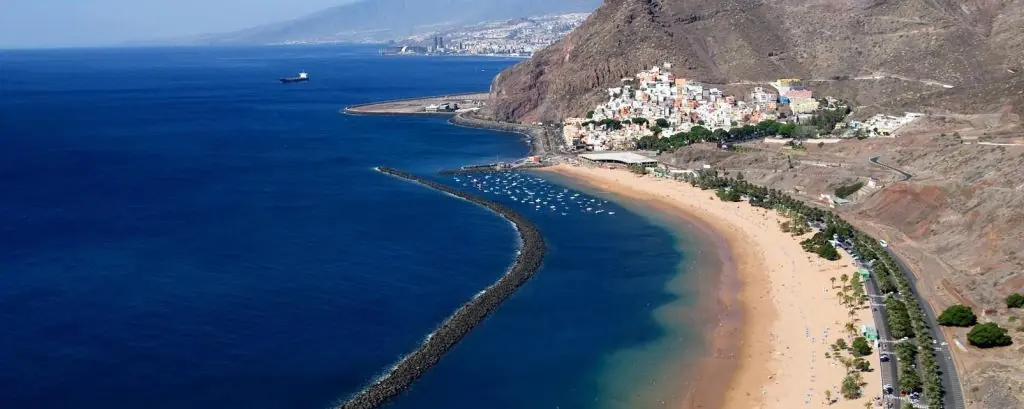
St. Cruz de Tenerife
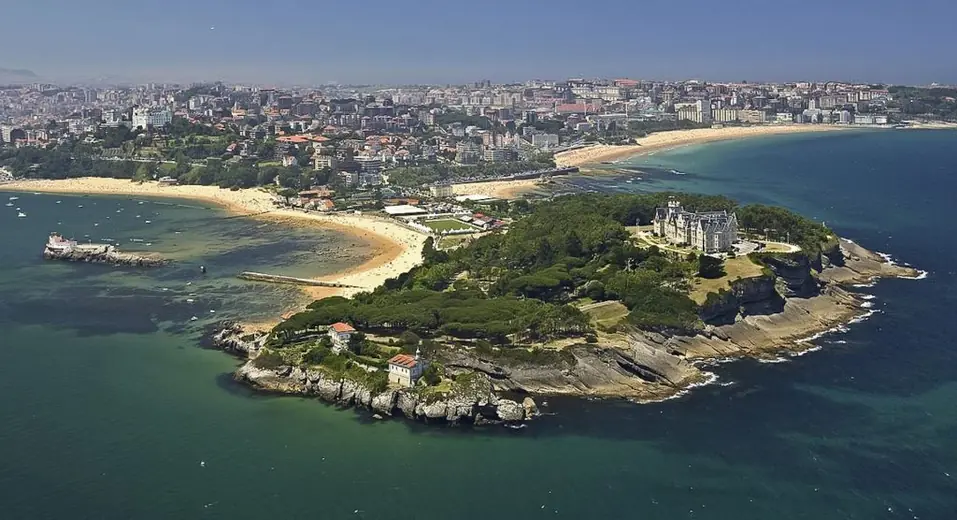
Santander
Almeria

Bilbao
Ceuta
Castellon
San Sebastian
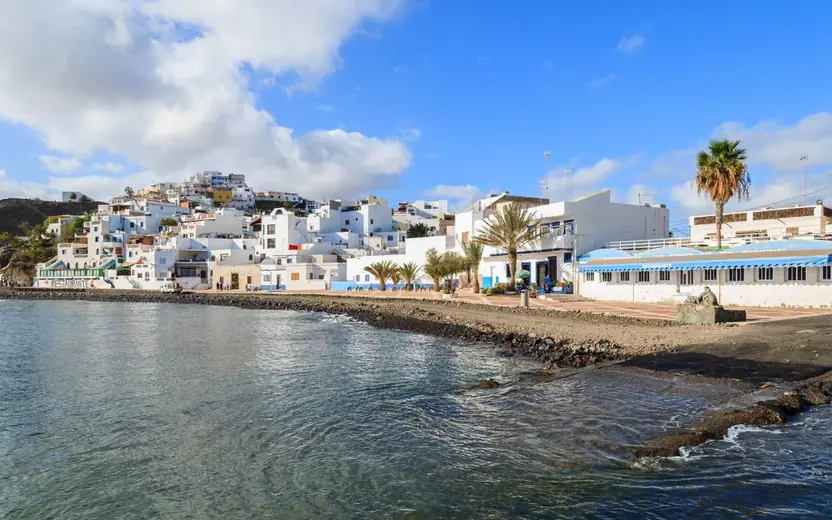
Puerto Del Rosario-Fuerteventura

San Sebastian de la Gomera
Palos de la Frontera

Lanzarote

Almeria
Motril

Port Mahon
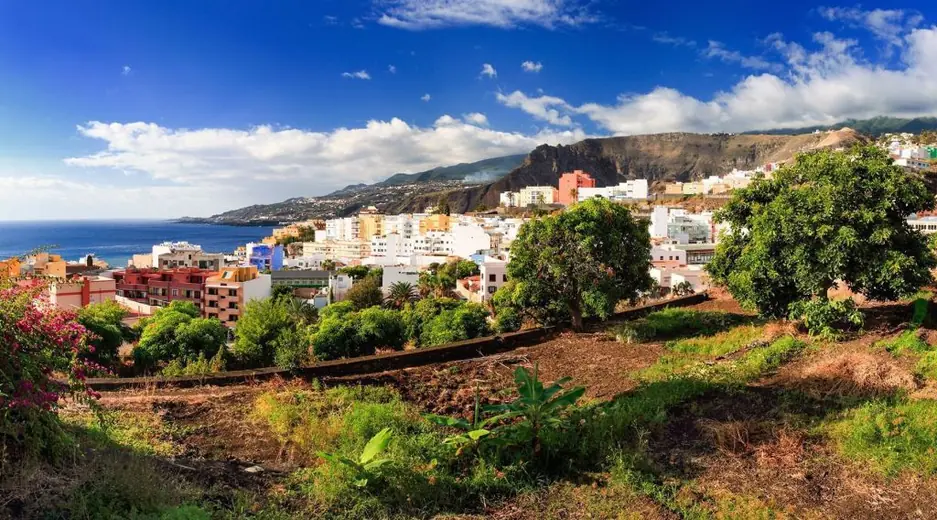
Santa Cruz de La Palma
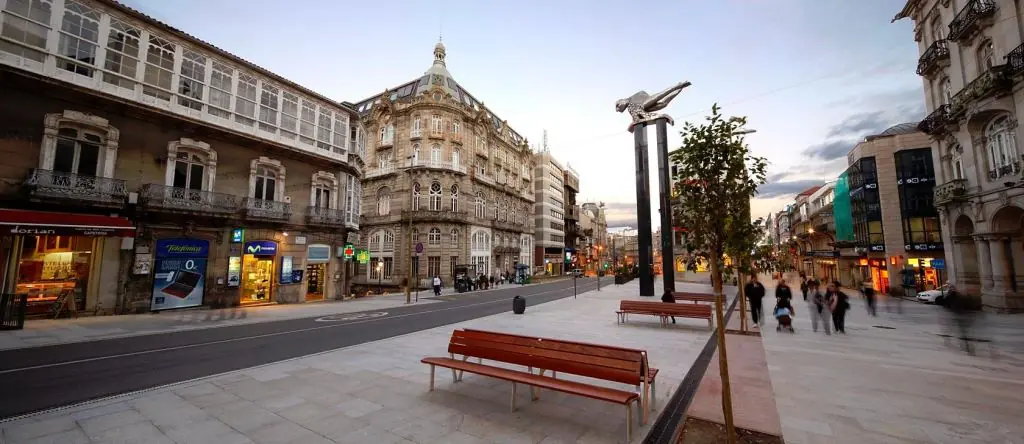
Vigo (Santiago de Compostela)
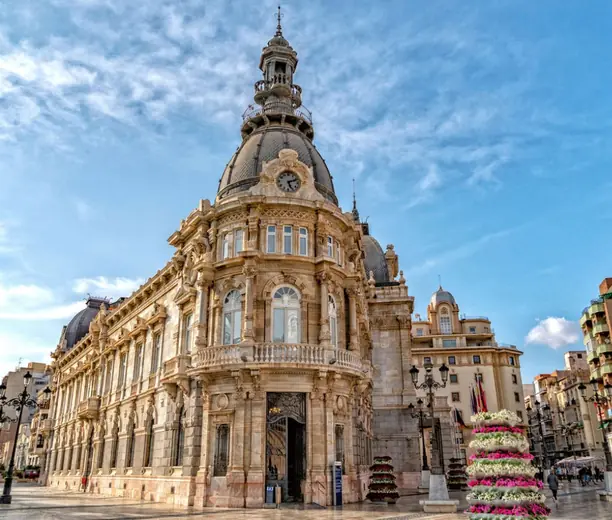
Cartagena
GANDIA (ESPANA)
Formentera
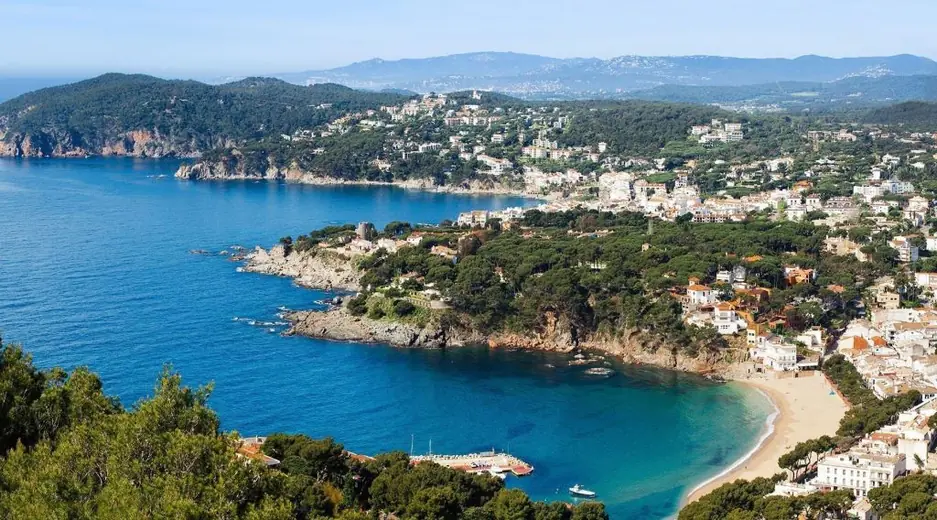
Palamos
Ciutadella de Menorca
FERROL (SPAIN)

Cartagena
Santander
Mahon

Marbella
Alcudia
Formentera Bay
Ibiza bay
Palma bay
Formentera Bay
Los Cristianos