Hanga Roa (Rapa Nui)
Sa svojim vulkanskim špiljama i elegantnim odmaralištima s pogledom na ocean, ovo je otok misterija Polinezije, gdje možete provesti cijeli dan na suncu, okruženi sjajnim oceanom.
Ekskurzije koje oživljavaju duh putovanja

KULTURA, TRADICIJE I CEREMONIJE USKRSNOG OTOKA
Detalji izleta<-strong><-p> U trajanju od približno 3 sata, ova tura vodi vas od pristaništa do ceremonijalnog srca Rapa Nuija. Pustolovina počinje autobusnim transferom do Tahaija, gdje ćete vidjeti tri obnovljena ahua s kipovima moai - uključujući jedini s ponovno umetnutim očima. Na ovom lokalitetu vidjet ćete i drevnu rampu za spuštanje plovila, ostatke kokošinjca (hare moa), tradicionalne građevine (hare paenga) i špilju koja se koristila kao sklonište. Zatim će skupina lokalnih umjetnika pružiti kulturno uranjanje kroz takona oslikavanje tijela, pripovijedanje uz kai kai figure od užeta i snažni ratnički ples Hoko. Nakon ovog kulturnog doživljaja kratka vožnja vodi vas do Hanga Kio e, gdje ćete vidjeti ahu s moaijem i posjetiti lokalnu crkvu. Ondje drvene skulpture nastaju kao izraz sinkretizma između drevnih i suvremenih religijskih simbola. Tura završava povratkom na brod.<-p> Važne informacije:<-strong> Cijena izleta uključuje ulaznicu za Nacionalni park Rapa Nui. Obavještavamo goste da autobusi nemaju klimatizaciju. Ovaj izlet može imati više polazaka tijekom boravka broda u luci. Za informacije o vremenima polaska obratite se uredu za izlete na obali na brodu. Nosite udobne cipele jer teren može biti sklizak u slučaju kiše. Budući da vožnja može biti neravna i po neujednačenom terenu, tura se ne preporučuje gostima s problemima leđa ili vrata. Zabranjeno je dodirivati moaije. Sigurnost je vrlo stroga: lokalni čuvari parka koji nadziru područje mogu vas kazniti, stoga uvijek slijedite vodiča tijekom ture. Preporučujemo da ponesete vodu, kremu za sunčanje, šešir i sunčane naočale. Tura ovisi o vremenskim uvjetima i može biti otkazana bez prethodne najave i bez sličnih zamjenskih opcija.<-p>
POVIJEST I MOAI USKRSNOG OTOKA
Detalji izleta<-strong><-p> U trajanju od približno 3 sata, ova tura pruža dubok uvid u povijest i arheologiju Rapa Nuija. Nakon ukrcaja na pristaništu i vožnje do Hanga Pika, prvo zaustavljanje je Tahai, gdje ćete pronaći tri obnovljena ahua s moaijima (jedan od njih s očima), ceremonijalnu rampu, hare moa, hare paenga i špiljsko sklonište. Na lokaciji se nalazi i muzej s izlošcima o geografiji, povijesti, geologiji, fauni, flori i umjetnosti Rapa Nuija - s predmetima poput alata, skulptura i kamenih umjetnina. Itinerar se nastavlja posjetom Ahu Akiviju, platformi sa sedam moaija poredanih prema moru, simbolima veze s precima i iznimne astronomske preciznosti - rijetke i fascinantne značajke na otoku. Tura završava panoramskim povratkom na brod, ponovno prolazeći kroz prepoznatljive krajolike. Ulaz u Nacionalni park Rapa Nui je uključen, no imajte na umu: teren je neravan, autobus nema klimatizaciju, dodirivanje moaija je zabranjeno i morate slijediti vodiča. Nosite prikladnu odjeću i zaštitite se od sunca.<-p> Važne informacije:<-strong> Cijena izleta uključuje ulaznicu za Nacionalni park Rapa Nui. Obavještavamo goste da autobusi nemaju klimatizaciju. Izlet se može izvesti više puta tijekom boravka broda u luci. Ovaj izlet može imati više polazaka tijekom boravka broda u luci. Za informacije o vremenima polaska obratite se uredu za izlete na obali na brodu. Budući da vožnja može biti neravna i po neujednačenom terenu, tura se ne preporučuje gostima s problemima leđa ili vrata. Zabranjeno je dodirivati moaije. Sigurnost je vrlo stroga: lokalni čuvari parka koji nadziru područje mogu vas kazniti, stoga uvijek slijedite vodiča tijekom ture. Preporučujemo da ponesete vodu, kremu za sunčanje, šešir i sunčane naočale. Tura ovisi o vremenskim uvjetima i može biti otkazana bez prethodne najave i bez sličnih zamjenskih opcija.<-p>
MOAI USKRSNOG OTOKA I IZAZOV ČOVJEKA-PTICE
Detalji izleta<-strong><-p> Ovaj izlet vodi vas do dojmljivih lokacija i u srce drevne kulture Rapa Nui. Nakon kratke vožnje autobusom, divite se panoramskim pogledima na krater Rano Kau i golemi Tihi ocean. Zatim posjetite Orongo, drevno ceremonijalno selo u kojem se održavalo legendarno natjecanje Čovjeka-ptice, u kojem su natjecatelji tražili prvo jaje čađave čigre na obližnjim otočićima i vraćali se preko zahtjevnih litica kako bi ga predali svojim pokroviteljima. Hodajući među desecima obnovljenih kamenih kuća i promatrajući jednu od najvećih zbirki petroglifa u regiji, otkrit ćete mitsku bit ove tradicije. Tura se zatim nastavlja do Tahaija, ceremonijalnog mjesta s tri obnovljena ahua (od kojih jedan ima ponovno umetnute oči), drevnim kokošinjcem (hare moa), tradicionalnim nastambama (hare paenga) i špiljskim svetištem. Povratak na brod zaključuje ovo povijesno uranjanje.<-p> Važne informacije:<-strong> Cijena izleta uključuje ulaznicu za Nacionalni park Rapa Nui. Obavještavamo goste da autobusi nemaju klimatizaciju. Gostima se savjetuje da nose sunčane naočale, šešir, kremu za sunčanje i udobne cipele za hodanje. Budući da izlet uključuje putovanje po grubom i neravnom terenu, nije prikladan za osobe ograničene pokretljivosti, goste s problemima vrata ili leđa ni korisnike invalidskih kolica. Ovaj izlet može imati više polazaka tijekom boravka broda u luci. Za informacije o vremenima polaska obratite se uredu za izlete na obali na brodu. Zabranjeno je dodirivati moaije. Sigurnost je vrlo stroga: lokalni čuvari koji nadziru područje mogu vas kazniti, stoga uvijek slijedite vodiča tijekom ture. Vidljivost petroglifa ovisi o sunčevoj svjetlosti. Tura ovisi o vremenskim uvjetima i može biti otkazana bez prethodne najave i bez sličnih zamjenskih opcija.<-p>
MISTIČNI KIPOVI
Detalji izleta<-strong><-p> Istražite jedinstveni kamenolom Rano Raraku, gdje je većina ikoničnih moaija isklesana izravno iz vulkanskog tufa. Nekoliko stotina tih monumentalnih figura još uvijek stoji na padini, neke još povezane sa stijenom, kao da čekaju svoje konačno odredište - ceremonijalnu platformu (ahu) Wikipedia. Zatim prođite pokraj jednog od ahua gdje je 15 moaija već ponovno podignuto, pokazujući veličinu rada drevnih stanovnika. Pustolovina se nastavlja do mirne plaže Anakena, gdje vas očekuju Ahu Nau Nau, s pet moaija, i znameniti Ature Huki - prvi moai obnovljen u moderno doba. Povratak na brod zaključuje ovo arheološko otkriće.<-p> Važne informacije:<-strong> Cijena izleta uključuje ulaznicu za Nacionalni park Rapa Nui. Obavještavamo goste da autobusi nemaju klimatizaciju. Gostima se savjetuje da nose sunčane naočale, šešir, kremu za sunčanje i udobne cipele za hodanje. Budući da izlet uključuje putovanje po grubom i neravnom terenu, nije prikladan za osobe ograničene pokretljivosti, goste s problemima vrata ili leđa ni korisnike invalidskih kolica. Ova tura može imati više polazaka tijekom boravka broda u luci. Za vremena polaska obratite se uredu za izlete na obali na brodu. Zabranjeno je dodirivati moaije. Sigurnost je vrlo stroga: lokalni čuvari koji nadziru područje mogu vas kazniti, stoga uvijek slijedite vodiča tijekom ture. Tura ovisi o vremenskim uvjetima i može biti otkazana bez prethodne najave i bez sličnih zamjenskih opcija.<-p>
ČUDESNA ANAKENA SAMOSTALNO
Detalji izleta<-strong><-p> Nakon transfera stići ćete na legendarnu plažu Anakena, s bijelim pijeskom, kokosovim palmama, kristalno čistom vodom i ahuima prožetima poviješću - gdje je, prema usmenoj predaji, poglavica Hotu Matu'a pristao s prvim doseljenicima i koja je kasnije postala ceremonijalno središte povezano sa svetim pločicama Rongorongo. Jedna od samo dvije pješčane plaže uz stjenovitu obalu, Anakena je blagoslovljena kristalno čistom plavom vodom, bijelim pijeskom i kokosovim palmama. Osim toga, ima nekoliko moaija (monumentalnih kipova po kojima je Uskrsni otok poznat), poredanih na ahuu ili tradicionalnom mjestu okupljanja. Po dolasku na Anakenu slobodni ste posjetiti arheološko nalazište Ahu Nao-Nao, sunčati se i plivati.<-p> Važne informacije:<-strong> Cijena izleta uključuje ulaznicu za Nacionalni park Rapa Nui. Lokacija ima udaljenu infrastrukturu, s malo restorana i ograničenim pristupom toaletima. Prihvaćaju se američki dolari i čileanski pezosi. Gosti koji žele plivati trebaju ponijeti kupaći kostim i ručnik. Ova tura može imati više polazaka tijekom dana. Nakon ukrcaja obratite se uredu za izlete na obali na brodu za informacije o točnom vremenu polaska. Budući da ruta može biti neravna i neasfaltirana, tura se ne preporučuje gostima s problemima leđa ili vrata. Pusta plaža je lokalno javno područje gdje nema ležaljki ni suncobrana za najam, a preporučujemo da ponesete vodu, kremu za sunčanje, šešir za sunce i sunčane naočale. Na plaži nema svlačionica ni tuševa. Tura ovisi o vremenskim uvjetima i može biti otkazana bez prethodne najave i bez sličnih zamjenskih opcija.<-p>
PJEŠAČKA TURA OTKRIVANJA USKRSNOG OTOKA
Detalji izleta<-strong><-p> Započnite putovanje hodajući izravno s pristaništa, prateći obalu do komercijalnog središta otoka, zatim nastavite pokraj arheoloških nalazišta, ribarskog sela i naposljetku groblja i ceremonijalnog kompleksa Tahai, mjesta koje je vjerojatno bilo prvo naselje otoka. Na povratku ćete imati vremena razgledati suvenire na lokalnoj tržnici rukotvorina.<-p> Važne informacije:<-strong> Cijena ture uključuje ulaznicu za Nacionalni park Rapa Nui. Udaljenost hodanja iznosi približno 3 km u svakom smjeru. Gostima se savjetuje da nose udobne cipele i šešir. Redoslijed zaustavljanja i posjeta može se promijeniti bez prethodne najave. Preporučujemo ponijeti vodu, kao i kremu za sunčanje, šešir i sunčane naočale. Na lokalnoj tržnici rukotvorina gosti mogu plaćati lokalnom valutom ili američkim dolarima, ali u tom slučaju ostatak može biti vraćen u lokalnoj valuti. Tura ovisi o vremenskim uvjetima i može biti otkazana bez prethodne najave i bez sličnih zamjenskih opcija.<-p>
PJEŠAČENJE TEREVAKOM NA USKRSNOM OTOKU
Detalji izleta<-strong><-p> Ova tura zahtijeva dobru fizičku kondiciju: traje približno 4 sata i 15 minuta, a počinje transferom iz sela Hanga Roa do ostataka stare ovčarske farme u Vai Tei, gdje počinje staza koja se uspinje gotovo 500 metara do vrha vulkana Terevaka, najmlađeg na otoku. Odavde uživajte u panoramskom pogledu od 360° na obalu, povezanu s prostranstvom Tihog oceana. Nakon trenutka promatranja i odmora, spust se nastavlja do Ahu Akivija, gdje sedam veličanstvenih kipova moai gleda prema moru i zalasku sunca. Prateće vozilo vratit će vas u luku.<-p> Važne informacije:<-strong> Cijena izleta uključuje ulaznicu za Nacionalni park Rapa Nui. Imajte na umu da autobusi nemaju klimatizaciju. Izlet se može izvesti više puta tijekom boravka broda u luci. Vodiči na jezicima osim španjolskog/engleskog su ograničeni. Ako vodič na vašem jeziku nije dostupan, izlet će biti izveden samo na španjolskom ili engleskom jeziku. Gostima se savjetuje da ponesu vodu i nose sunčane naočale, šešir, kremu za sunčanje visokog faktora i udobne cipele za hodanje. Tura ovisi o vremenskim uvjetima i može biti otkazana bez prethodne najave i bez sličnih zamjenskih opcija.<-p>
4x4 uzbudjenja u otkrivanju Ranu Rarakua
Glavne stanice
- Ranu Ranaku
- Drevni vulkanski krater
Program
- Nasa Jeep pustolovina vodi nas do arheoloske lokacije Ranu Raraku. Istrazivaci je smatraju kolijevkom civilizacije moai, a za posjetitelje je to jedno od najekskluzivnijih i najtajanstvenijih mjesta na svijetu.
- Po dolasku nas odmah opcinjava nevjerojatan prizor koji se otvara pred nasim ocima * drevni vulkanski krater koji je stanovnistvo Rapa Nui nekoc koristilo za vadjenje i klesanje zagonetnih monolita.
- Po travnatom prostoru rasuto je gotovo 400 moai kipova * njihovi razliciti oblici i polozaji savrseni su za razumijevanje raznih faza klesanja. Neki su jos pricvrsceni za stijenu, drugi su poluisklesani ili dovrseni, a neki nagnuti ili uspravni.
- Nemoguce je ne zabiljeziti ljepotu i magiju ovih drevnih i zagonetnih remek-djela bezbrojnim fotografijama.
- Ponosan i odlucan pogled divovskih moai kipova ostavit ce nezaboravnu uspomenu u nasim srcima, najbolji suvenir nase izletnicke pustolovine na Uskrsnom otoku.
- Morate biti fizicki spremni za sudjelovanje u ovom izletu i ne smijete patiti od bolova u ledjima.
- Ne zaboravite ponijeti sesir i kremu za suncanje, imajuci na umu geografsku sirinu.
- Preporucujemo udobnu obucu za hodanje i vodootpornu jaknu u slucaju neocekivanog loseg vremena.
- Tura nije prikladna za trudnice.
- Itinerar se moze promijeniti.
- Preporucujemo ranu rezervaciju jer je dostupan samo ogranicen broj mjesta.
- Imajte na umu da, zbog nove regulative Nacionalnog parka Uskrsnog otoka (2022.), svi putnici moraju imati sluzbenog lokalnog vodica kako bi mogli uci u Park (osim Tahai i plaze Anakena).
- Naracija ovog iskustva vodit ce se na engleskom ili spanjolskom jeziku.
Dozivljaj na Uskrsnom otoku
Glavne stanice
- Orongo
- Ranu Raraku
- Rucak
Program
- Ekskluzivno iskustvo za uzivanje u najudaljenijem i najtajanstvenijem mjestu Tihog oceana * Uskrsnom otoku. Nasa pustolovina pocinje istrazivanjem Oronga, drevnog sela gdje se 15 mladih sportasa iz razlicitih plemena svake godine natjecalo u utrci za naslov covjeka-ptice.
- Junacki sportasi kretali bi s tocke gdje se litica visoka 250 metara susrece s unutarnjim zidom kratera Ranu Kau i suocavali se s oceanskim valovima kako bi stigli do otoka, nadajuci se da ce osvojiti jaje "sive cigre", rijetke ptice smatrane svetom, koje su zatim morali donijeti natrag u selo.
- Setamo medju zidanim kucama koje se stapaju s okolnom prirodom, smjestenima izmedju plavog neba i litica koje padaju u ocean. Okruzuju nas samo tisina i krik ptica * jedini zvuk je onaj nasih uzburkanih emocija.
- Zatim stizemo do jedne od najznacajnijih lokacija otoka * Ranu Raraku, kamenoloma i radionice gdje su klesani moai.
- Pred nama se pojavljuje vise od 390 moai kipova, u bezbroj oblika, velicina i polozaja * usidreni u stijenu, polegnuti, djelomicno zakopani ili potpuno uspravni u svojem velicanstvenom dostojanstvu. Savrseno prikazuju razne faze procesa klesanja.
- Najekskluzivnija stanica nase ture je luksuzni rucak u kojem imamo povlasticu uzivati s pogledom na ocean, dok nam pogled seze prema horizontu * idealna lokacija za pravi VIP rucak. Jednostavna, ali istodobno elegantna i impozantna.
- Rucak je savrsen nacin da zavrsimo uzbudljiv i tajanstven dan, uz zdravicu prirodi, ljudskim vjestinama i samom zivotu.
- Ne zaboravite ponijeti sesir i kremu za suncanje, imajuci na umu geografsku sirinu.
- Preporucujemo udobnu obucu za hodanje i vodootpornu jaknu u slucaju neocekivanog loseg vremena.
- Nije prikladno za goste s problemima s ledjima.
- Itinerar se moze promijeniti.
- Preporucujemo ranu rezervaciju jer je dostupan samo ogranicen broj mjesta.
- Imajte na umu da, zbog nove regulative Nacionalnog parka Uskrsnog otoka (2022.), svi putnici moraju imati sluzbenog lokalnog vodica kako bi mogli uci u Park (osim Tahai i plaze Anakena).
- Naracija ovog iskustva vodit ce se na engleskom ili spanjolskom jeziku.
Dan istrazivanja Uskrsnog otoka
Na udaljenom Uskrsnom otoku otkrivamo neka mjesta povezana s moai kipovima, divovskim kamenim kipovima ljudskih crta * od kamenoloma iz kojeg su vadjeni golemi monoliti, do sela poznatog po ceremoniji covjeka-ptice, pa sve do velicanstvene platforme Ahu Akivi sa sedam kipova.
Glavne stanice
- Lokacija Ranu Raraku
- Platforma Ahu Tongariki
- Platforma Ahu Akivi
Program
- Izlet traje cijeli dan i savrsena je prilika za istrazivanje Uskrsnog otoka.
- Nas dan podijeljen je u tri dijela * lokacija Ranu Raraku, otvoreni kamenolom gdje su moai vadjeni i klesani, platforma Ahu Akivi sa svojih sedam velicanstvenih moai kipova. Platforma Ahu Tongariki, najvelicanstvenija na otoku, s 15 izvanrednih moai kipova podignutih poput nepobjedive vojske blizu oceana. Samo jedan jos ima izvorno pokrivalo za glavu.
- U Ranu Rarakuu ulazimo u kamenolom iz kojeg su se vadili blokovi tufa za klesanje moai kipova, svojevrsnih golemih kamenih glava.
- Hodamo medju stotinama moai kipova i vidimo razlicite faze obrade * neki su jos zarobljeni u stijeni, drugi su tek ocrtani, a drugi dovrseni.
- Mjesto zraci tajanstvenom magijom i najmanje sto mozemo uciniti jest snimiti fotografiju ovog prizora neopterecenog prolaskom vremena.
- Zatim prelazimo na platformu Ahu Akivi, koja nosi sedam prekrasnih kipova okrenutih prema oceanu. Lokacija je jedina na kojoj su moai, svi identicni, postavljeni tako da izravno gledaju prema zalasku sunca tijekom proljetnog ekvinocija i da su ledjima okrenuti izlasku sunca tijekom jesenskog ekvinocija. Usmena legenda kaze da je kraljeva dusa u snu vidjela Uskrsni otok dok je plutala iznad oceana. Kada se probudio, kralj je odlucio poslati istrazivace da pronadju otok. Sedam kipova predstavlja sedam istrazivaca koji su, stigavsi na otok, gledali prema oceanu cekajuci svoga kralja.
- Nas izlet zavrsava na prekrasnoj plazi Anakea, s bijelim pijeskom i tropskom vegetacijom, gdje uzivamo u ukusnom barbecue rucku. Ako zelimo, mozemo se okupati u svjezim i ponekad snaznim oceanskim vodama.
- Ne zaboravite ponijeti sesir i kremu za suncanje, imajuci na umu geografsku sirinu.
- Preporucujemo udobnu obucu za hodanje i vodootpornu jaknu u slucaju neocekivanog loseg vremena.
- Nije prikladno za goste s problemima s ledjima.
- Ako tura polazi iz Anakene, gosti mogu koristiti plazu po povratku s ture.
- Imajte na umu da, zbog nove regulative Nacionalnog parka Uskrsnog otoka (2022.), svi putnici moraju imati sluzbenog lokalnog vodica kako bi mogli uci u Park (osim Tahai i plaze Anakena).
- Naracija ovog iskustva vodit ce se na engleskom ili spanjolskom jeziku.
Ceremonijalna sela Orongo i Ahu Akivi
Drevne legende o ljudima-pticama, ceremonije koje prkose elementima, predacki kameni monoliti podignuti astronomskom preciznoscu - izlet u svjetove Oronga i Ahu Akiva.
Glavne stanice
- Selo Orongo
- Platforma Vinapu
- Platforma Ahu Akivi
Program
- Krecemo otkriti Orongo, malo selo s pogledom na ocean i nekoliko sarmantnih otocica. Djelomicno obnovljena lokacija nalazi se na strani litice koja pada u ocean.
- Ceremonijalno selo koje se posjecivalo samo u posebnim prilikama, Orongo je naseljeno zidanim kucama sa zakrivljenim krovom prekrivenim travom. Mala vrata omogucavala su ratnicima nadzor dolaska neprijateljskih plemena.
- Orongo je bio srediste drevnog kulta koji je slijedio cijeli otok - kulta covjeka-ptice. Kljucni ritual bila je godisnja utrka za prvo jaje sive cigre. Svako lokalno pleme u natjecanju je predstavljao mladi sportas.
- Nakon spustanja niz liticu Oronga, sportasi bi plivali do otocica uz pomoc male splavi, suoceni sa snagom oceanskih valova. Sportas koji bi uspio pronaci jaje i donijeti ga natrag neosteceno, vezano za celo, stekao bi pocasni naslov "covjeka-ptice", dok bi poglavica plemena stekao ugled medju svojim plemenom i cijelim otokom. Kaze se da su se posljednja natjecanja odrzala izmedju 1866. i 1867.
- Nasa sljedeca stanica je jos neobnovljena platforma Vinapu. Sastavljena je od pazljivo klesanih blokova spojenih bez morta, tehnikom slicnom onoj koju su koristile Inke. Prema arheolozima, to je dojmljiv dokaz povezanosti prvih stanovnika otoka s narodima iz Juzne Amerike.
- Razni moai kipovi, medju njima i primjer zenskog moaija, rasuti su po travi.
- Nas izlet zavrsava kod platforme Ahu Akivi, jedine koja nosi sedam velicanstvenih moai kipova okrenutih prema oceanu. Svi su identicni i postavljeni tako da izravno gledaju zalazak sunca tijekom proljetnog ekvinocija, a ledjima su okrenuti izlasku sunca tijekom jesenskog ekvinocija. Astronomska znacajka koja se promatra samo u ovom dijelu otoka.
- Lokacija je obnovljena 1960-ih tehnikama podizanja za koje se vjeruje da su izvorne. Arhitekti ukljuceni u obnovu izracunali su da bi za klesanje jednog moaija trebalo 30 muskaraca koji rade 8 sati dnevno tijekom godine dana. Za prijenos kipa iz kamenoloma do lokacije po posebno pripremljenoj cesti trebalo bi 90 muskaraca, a istoj skupini tri mjeseca da podigne jedan moai.
- Kakva god bila istina, brojke i koristena tehnika, mozemo samo diviti se ovom mjestu u svoj njegovoj ljepoti i tajanstvenom sarmu. Uspomena na njega ostat ce zauvijek u nasim srcima.
- Ne zaboravite ponijeti sesir i kremu za suncanje, imajuci na umu geografsku sirinu.
- Preporucujemo udobnu obucu za hodanje i vodootpornu jaknu u slucaju neocekivanog loseg vremena.
- Nije prikladno za goste s problemima s ledjima.
- Itinerar se moze promijeniti.
- Imajte na umu da, zbog nove regulative Nacionalnog parka Uskrsnog otoka (2022.), svi putnici moraju imati sluzbenog lokalnog vodica kako bi mogli uci u Park (osim Tahai i plaze Anakena).
- Naracija ovog iskustva vodit ce se na engleskom ili spanjolskom jeziku.
Ahu Tahai, Ahu Tongariki i Ranu Raraku - veliki moai
Osjecamo se poput modernih Gullivera u zemlji divova dok hodamo medju moai kipovima, velikim monolitnim kipovima smjestenima na jednoj od najtajanstvenijih i najfascinantnijih arheoloskih lokacija na planetu.
Glavne stanice
- Lokacija Ahu Tahai
- Lokacija Rano Raraku
- Platforma Ahu Togariki
Program
- Jedinstvena prilika da se divimo dvjema glavnim atrakcijama otoka - drevnom moai kompleksu Ahu Tahai i Rano Raraku, krateru iz kojeg su vadjeni monoliti za klesanje i podizanje.
- Ahu Taha datira iz 7. stoljeca pr. Kr. i dom je 3 platforme (ahu na lokalnom jeziku) koje nose divovske moai kipove.
- Ahu Ko Te Riku nosi moai visok vise od 4,5 metara i tezak priblizno 20 tona. Platforma Ahu Vai Uri nosi 5 kamenova razlicitih oblika i velicina, dok Ahu Tahai, sredisnja platforma, nosi usamljeni moai bez kose.
- Zatim stizemo do Rano Raraku, jedinstvenog mjesta prozetog tajnom. To je vulkanski krater nadimka "rasadnik", jer su se ondje vadili blokovi tufa za klesanje moai kipova.
- U takvom predackom prirodnom krajoliku, koji zraci snaznim emocionalnim nabojem, setamo zadivljeni i nevjerni pod nepomicnim pogledima djelomicno isklesanih moai kipova koji su jos zarobljeni u kamenu, kao i drugih zakopanih do ramena ili nagnutih.
- Svaki kip predstavlja fazu dugog i napornog procesa klesanja monolita. Divimo se razlicitim oblicima i velicinama, najsitnijim dekorativnim detaljima i rupama koje su sluzile za podizanje i premjestanje kipova.
- Najdojmljiviji monoliti su divovski moai visok 21 metar, najveci, i cucnuci moai, koji je pri otkrivanju bio gotovo potpuno zakopan.
- Na lokaciji ima vise od 390 kipova, rasutih u divljem krajoliku koji pojacava caroliju njihove tajne.
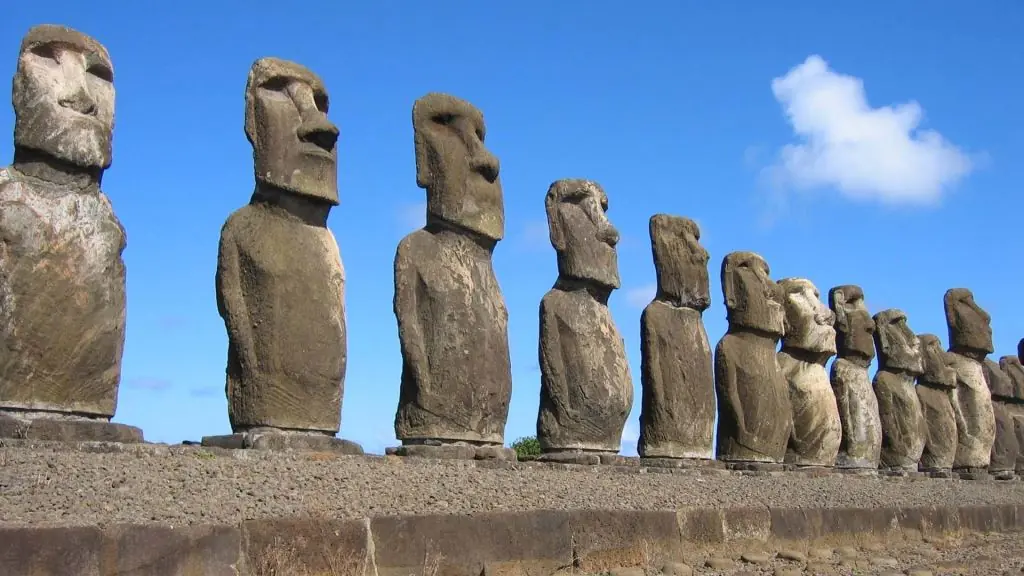
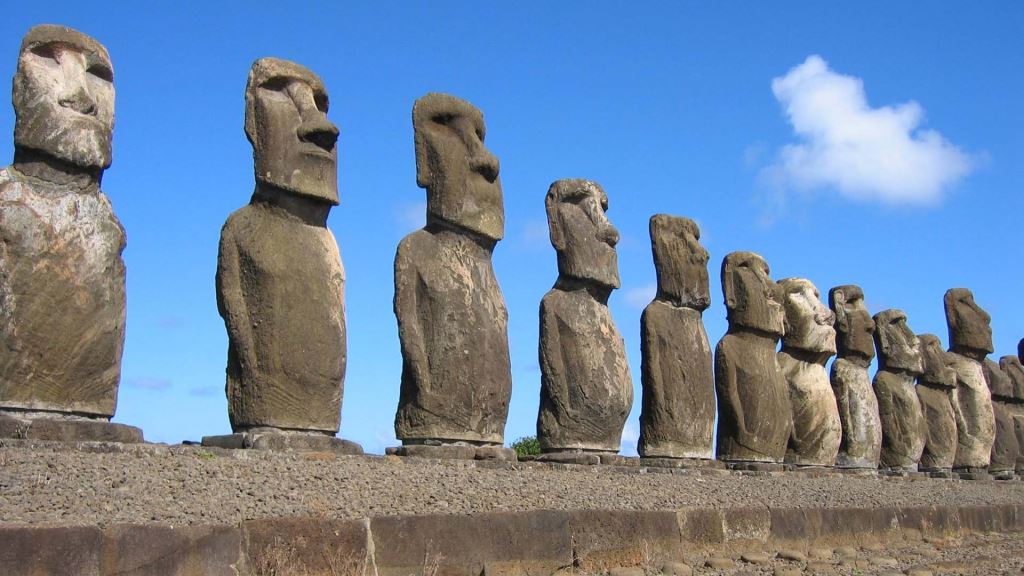
- Na kraju stizemo do platforme Ahu Togariki, najvelicanstvenije na otoku, s 15 izvanrednih moai kipova podignutih poput nepobjedive vojske blizu oceana. Samo jedan jos ima izvorno pokrivalo za glavu.
- Nas izlet ne zavrsava prije nego sto vidimo petroglife blizu platforme, koji prikazuju kornjacu s ljudskim licem, tunu, covjeka-pticu i druge simbole kulture rongo-rongo.
- Nasa setnja medju moai kipovima privodi se kraju - kulturna i emotivna pustolovina koju nikada necemo zaboraviti!
- Ne zaboravite ponijeti sesir i kremu za suncanje, imajuci na umu geografsku sirinu.
- Preporucujemo udobnu obucu za hodanje i vodootpornu jaknu u slucaju neocekivanog loseg vremena.
- Nije prikladno za goste s problemima s ledjima.
- Itinerar se moze promijeniti.
- Imajte na umu da, zbog nove regulative Nacionalnog parka Uskrsnog otoka (2022.), svi putnici moraju imati sluzbenog lokalnog vodica kako bi mogli uci u Park (osim Tahai i plaze Anakena).
- Naracija ovog iskustva vodit ce se na engleskom ili spanjolskom jeziku.
Ahu Tahai i Ahu Akivi: bliski susret s moai monolitima
Jedna od nerijesenih tajni naseg planeta, 4.000 km od cileanske obale * veliki monoliti Ahu Tahai i Ahu Akivi na Uskrsnom otoku prezivljavaju stoljeca, zraceci magicnom, ali zagonetnom snagom.
Glavne stanice
- Ahu Tahai: tri ahua sa sedam moai kipova
- Ahu Akivi: platforma sa 7 moai kipova
Program
- Nas izlet vodi nas u otkrivanje otoka i njegovih monolitnih blaga * moai kipova.
- Kratke setnje odvest ce nas do najzanimljivijih znamenitosti otoka.
- Nasa prva stanica je Ahu Tahai, lokacija koja datira iz 7. stoljeca pr. Kr. i koju je 1967.-68. obnovio arheolog William Mulloy, ciji pepeo pociva ispod male nadgrobne ploce u juznom dijelu kompleksa.
- Lokacija je dom trima ahuima, odnosno kamenim platformama, koje nose sedam golemih monolitnih glava zvanih moai. Veliki usamljeni moai bez kose nalazi se u sredistu prve platforme, drugi ahu ima moai s kosom i uznemirujucim okruglim ocima, dok treci ahu nosi 5 moai kipova razlicitih oblika i velicina.
- Zatim nastavljamo prema Ahu Akiviju, velikoj platformi koja nosi sedam velikih moai kipova. To je jedina platforma okrenuta prema moru umjesto prema sredistu otoka, a tijekom ekvinocija sedam kipova gleda prema zalasku sunca, sto znaci da je lokacija mozda imala astronomski znacaj.
- Tajna mozda nikada nece biti otkrivena, ali sigurno je da ce nas posjet ovim arheoloskim lokacijama, savrsenom primjeru nevjerojatne ljudske vjestine jos u davnim vremenima, ostaviti neizbrisiv dojam u sjecanju.
- Ne zaboravite ponijeti sesir i kremu za suncanje, imajuci na umu geografsku sirinu.
- Preporucujemo udobnu obucu za hodanje i vodootpornu jaknu u slucaju neocekivanog loseg vremena.
- Itinerar se moze promijeniti.
- Imajte na umu da, zbog nove regulative Nacionalnog parka Uskrsnog otoka (2022.), svi putnici moraju imati sluzbenog lokalnog vodica kako bi mogli uci u Park (osim Tahai i plaze Anakena).
- Nije prikladno za goste s problemima s ledjima.
- Naracija ovog iskustva vodit ce se na engleskom ili spanjolskom jeziku.