

MSC VIRTUOSA: Southampton (London),United Kingdom - Southampton (London),United Kingdom - 12.09.2026. - 15 days
1 available date
Itinerary
MSC Virtuosa’s namesake comes from the word virtuoso, meaning someone highly skilled in any field of activity, and so MSC Virtuosa was named to pay homage to the skill and expertise of the MSC Cruises architects.
MSC Virtuosa belongs to the “Meraviglia Class”, where the impressive array of onboard experiences come together in perfect harmony with the space and the destinations, to deliver the ultimate cruise holiday experience.
In addition, MSC Virtuosa is featured with an advanced wastewater treatment system, and she is actively contributing to impactful environmental conservation and humanitarian programs at the MSC Foundation Centre on board.
-
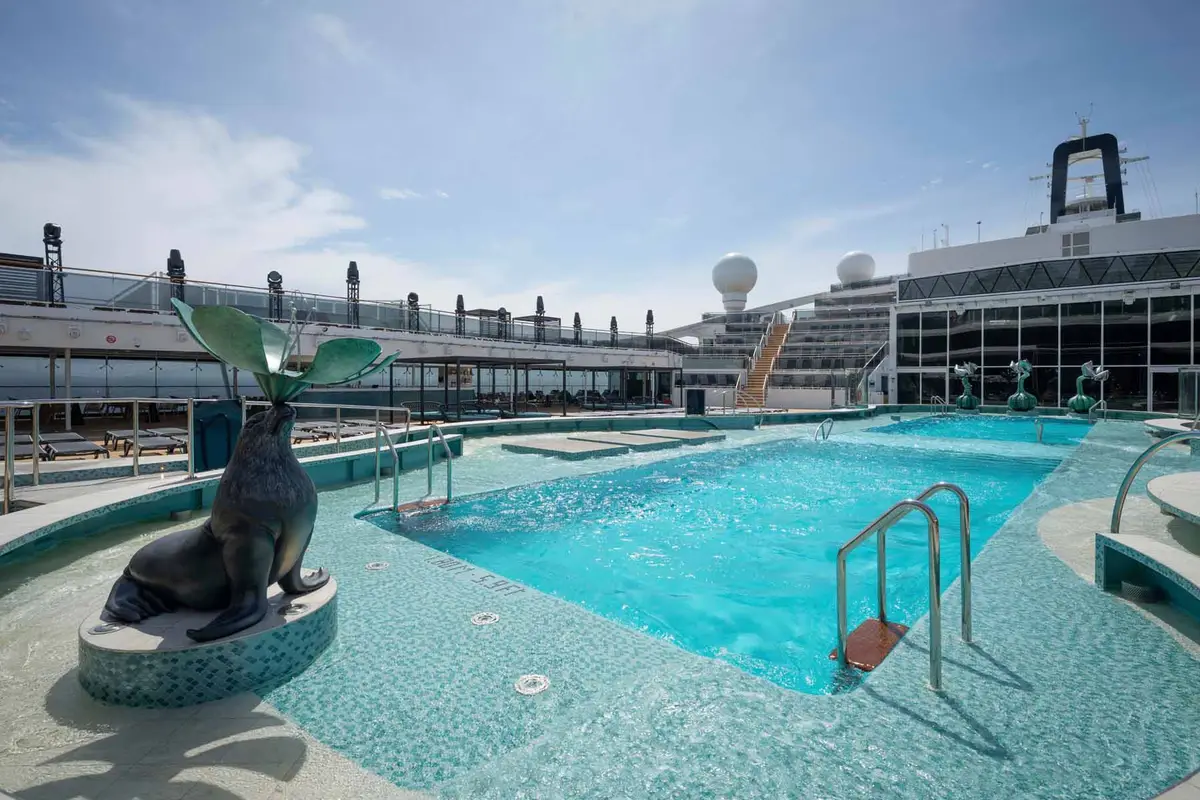
 BELLA EXPERIENCE BENEFITS×Bella Experience Benefits: Guaranteed cabin (cabin N° confirmed at least 4 days prior to departure) Cruise changes for a fee (applicable either on the cruise dates or on the destination. Must be performed up to 30 calendar days before departure, for a new cruise to sail within 90 calendar days from the original departure) Full board available in buffet and main restaurant Discounted drink package option at the time the cruise is booked Free continental breakfast in cabin (delivery for a fee) Broadway-style theater shows Pool area Kids club and activities Fitness center free access (from 14 years Booking Terms and Conditions apply) Sport facilities Entertainment activities MSC for Me app (where available) MSC Voyagers Club points.
Southampton (London),United Kingdom
Cruises from Southampton are part of a rich maritime heritage. Some of the most famous ships have set sail from this port, which, before the rise of commercial air travel, was the main gateway to the world. Hollywood stars like Bette Davis and Elizabeth Taylor passed through here to board cruises from Southampton, and it is also known as the port from which the Titanic departed in 1912.
In the picturesque Old Town, walking along cobbled streets reveals 12th-century churches, Tudor-style houses, and one of the best-preserved medieval city walls in the UK, featuring the historic Bargate entrance. The city also offers lively marina-side bars, modern shopping districts, and a cultural quarter where the Mayflower Theatre stages popular West End musicals, while the SeaCity Museum documents Southampton’s rich maritime past.
Some of England’s most famous landmarks are just a short drive away: the Neolithic wonder Stonehenge, the picturesque spa city of Bath, or iconic London attractions like Buckingham Palace, Tate Modern, and Tower Bridge.
Discover 5,000 years of history and much more on a cruise from Southampton.

At sea


At sea
Lisbon (Cascais), Portugal
Lisbon, the capital and largest city of Portugal, is situated at the mouth of the Tagus River along the Atlantic coast. This historic and dynamic city is known for its unique blend of traditional charm, modern culture, and impressive architecture, making it one of Europe’s most attractive metropolitan destinations.
The city boasts a rich history dating back to Roman times, with vibrant neighborhoods like Alfama, Bairro Alto, and Belém exuding an authentic Mediterranean spirit. Narrow streets, picturesque squares, vintage trams, and the aromas of traditional cuisine create a special atmosphere that captivates visitors. Lisbon is also famous for its historic landmarks, including the imposing Belém Tower, the Jerónimos Monastery, and São Jorge Castle, which offers magnificent panoramic views of the city and the river.
A special highlight of Lisbon is fado – traditional Portuguese music filled with emotion and melancholy, often performed in small, intimate venues in the old quarters of the city. This unique musical form is deeply connected to the spirit of Lisbon and is a must-experience for anyone seeking authentic Portuguese culture. The gastronomy scene is especially notable, ranging from traditional pastéis de nata to top-tier restaurants blending Portuguese and international flavors.
The promenade along the Tagus River and lively squares such as Praça do Comércio are ideal spots for leisurely walks, coffee breaks, or evening outings. The city also offers numerous green spaces, parks, and viewpoints perfect for relaxation and enjoying the views.
Lisbon is a perfect destination for those wanting to experience a blend of history, culture, art, and modern urban life, with a warm Mediterranean atmosphere and welcoming local people.


Cadiz (Seville), Spain
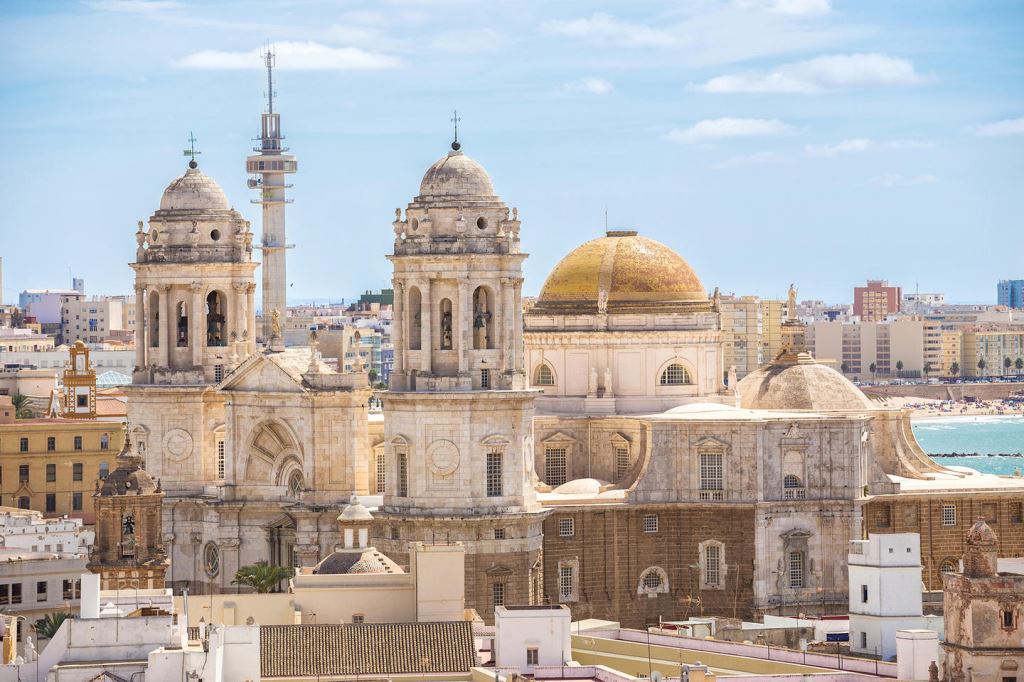
Cadiz is one of the oldest continuously inhabited cities in Europe, founded over 3,000 years ago by the Phoenicians as the trading port of Gadir. Throughout history, it was conquered by the Romans, Visigoths, and Moors, and during the Spanish Golden Age, it became an important port for trade with the New World. Today, the city offers a rich history and cultural landmarks.
Notable sights include the cathedral with its distinctive golden dome, the Torre Tavira tower with panoramic views and the Camera Obscura optical device, the Roman theater dating back to the 1st century BC, the Plaza de las Flores square, and the historic La Viña district known for its restaurants and authentic atmosphere. Cadiz also boasts beautiful beaches such as La Caleta and La Victoria Beach, which offer various activities and amenities.
The local cuisine is based on fresh seafood, with famous dishes like fried fish called ‘pescaíto frito’ and shrimp fritters known as ‘tortillitas de camarones’. The Mercado Central de Abastos market provides an opportunity to taste local delicacies.
The city is also known for the flamenco singer El Chano, whose music has become a symbol of authentic flamenco and an important part of the cultural heritage.

Malaga (Granada), Spain
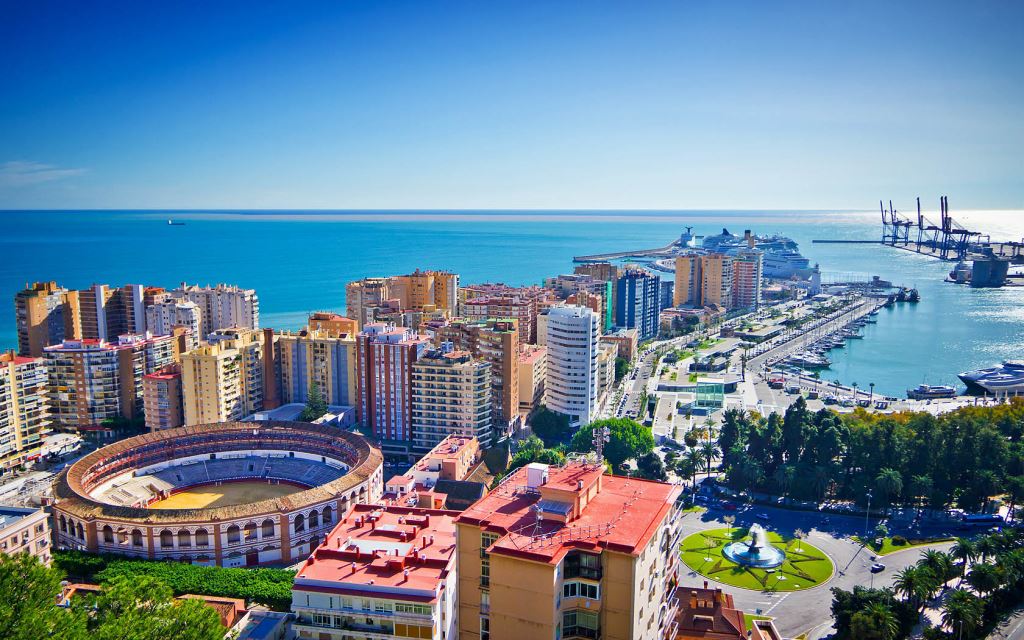
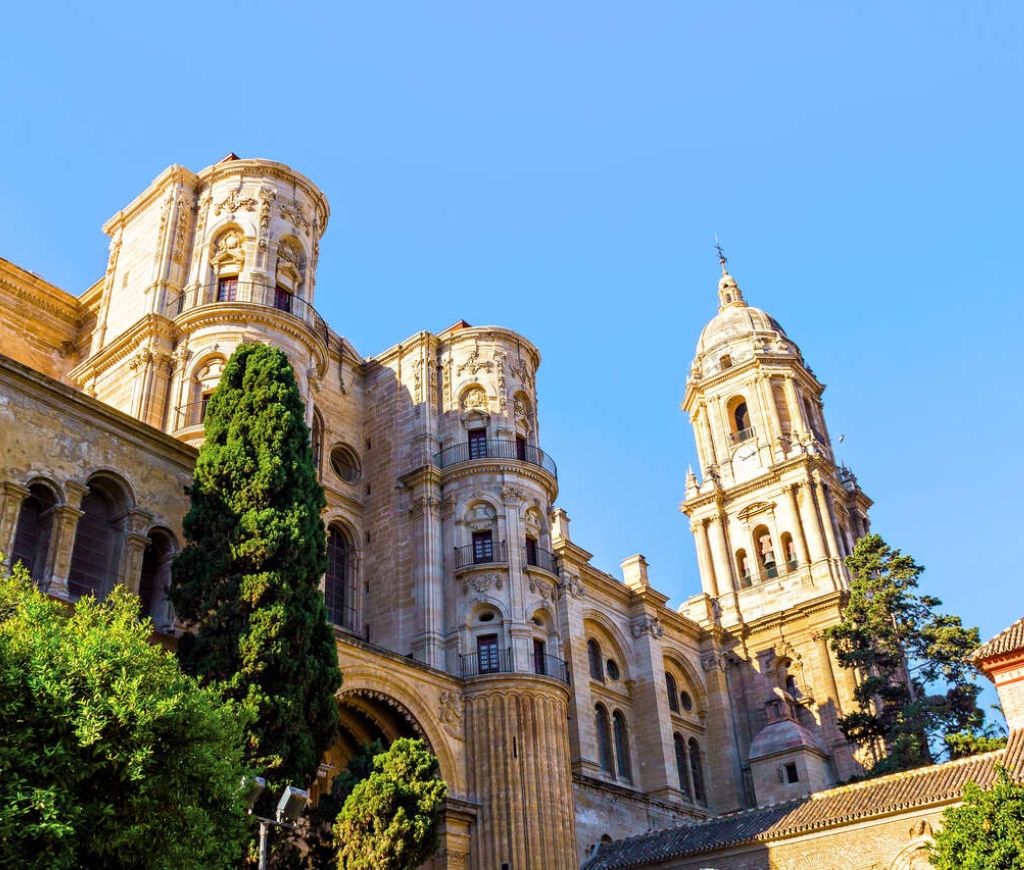
Malaga is one of the oldest cities in Europe, with a history spanning over 2,800 years. The city was founded by the Phoenicians around 770 BC, and was later ruled by the Romans, Visigoths, and Moors, each leaving behind a rich architectural and cultural legacy. Some of the most notable landmarks are the Roman Theatre, the Moorish Alcazaba fortress, which offers a stunning view over Malaga and the coast, and numerous museums. The most notable ones include the Picasso Museum, the Carmen Thyssen Museum, and the La Manquita Cathedral.
The city is also known as the birthplace of Pablo Picasso, one of the most influential artists of the 20th century, and is home to La Concepción, one of the most significant botanical gardens in Europe and the modern Muelle Uno promenade.
Malaga offers beautiful beaches, such as Playa de la Malagueta, close to the city center, and Playa del Palo, as well as a rich gastronomic scene focused on fresh local ingredients. Specialties include espeto (grilled sardines), gazpacho (cold tomato soup), a wide variety of tapas, and sweet wines like Moscatel. The Atarazanas Market is the perfect place to sample local food and buy souvenirs.
Alicante, Spain
Alicante is a city with a rich and layered history, stretching from Iberian and Roman times through Moorish rule to the Christian Reconquista. One of its most prominent landmarks is Santa Bárbara Castle, perched on a hill above the city, symbolizing the historical importance of the area. Today, Alicante is a modern and dynamic city with numerous attractions. Among the most famous are the Explanada de España promenade, the bustling Mercado Central, the MARQ Archaeological Museum, and the MACA Museum of Contemporary Art. The city also offers green oases such as Parque de Canalejas and Jardín de la Ereta, which boast beautiful views of the sea.
Located on the Costa Blanca coastline, Alicante is also renowned for its beaches, the most famous being Playa del Postiguet, situated right in the city center, with fine sand and crystal-clear waters.
Alicante's gastronomy is rooted in Mediterranean tradition and local ingredients. Notable dishes include arroz a banda (rice cooked in fish broth) and gazpacho alicantino (a cold vegetable soup), with the rich culinary offer further enhanced by a variety of seafood and local wines made from indigenous grape varieties.
Thus, Alicante is a destination that brings together history, culture, the sea, and gastronomy – an ideal combination for every visitor.


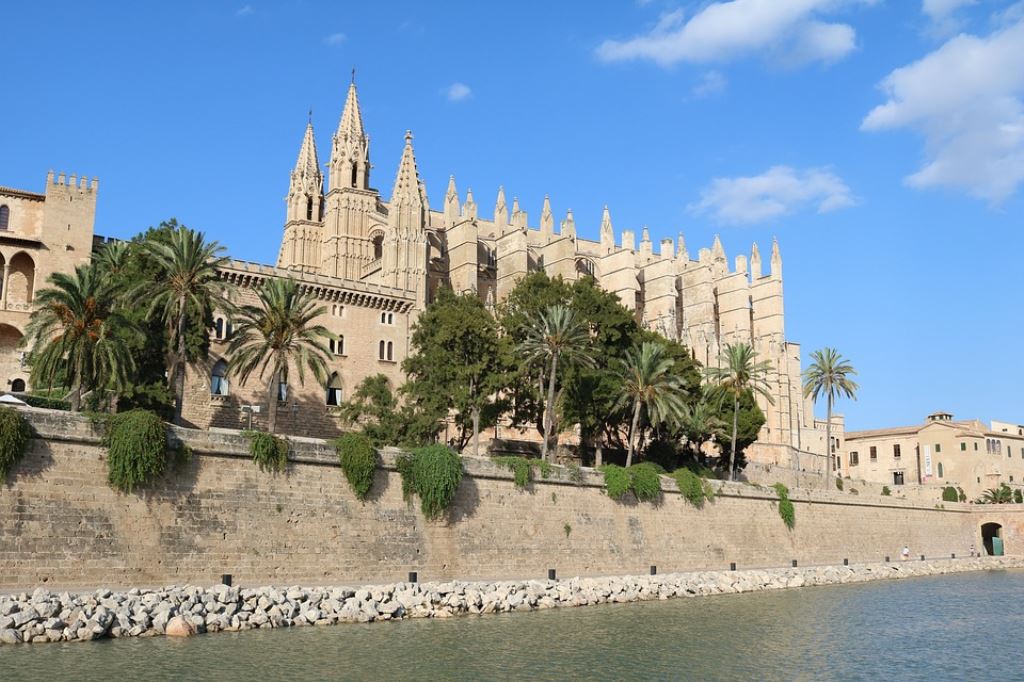
Palma de Mallorca (Baleari Is.), Spain
Palma de Mallorca – A City of History, Art, and Pearls. Also known simply as Palma, this capital of the Balearic Islands in Spain combines rich history, art, and modern amenities. The city has a long history dating back to prehistoric times. Over the centuries, Palma came under Roman, Vandal, Byzantine, Muslim, and Christian rule, all of which are reflected in its diverse architecture and cultural heritage.
The city is home to numerous cultural and artistic landmarks featuring a mix of Gothic, Renaissance, and modern architecture. Some of the most notable sites include the La Seu Cathedral, the Royal Palace of Almudaina, Castell de Bellver with its panoramic views of the city and harbor, and Pueblo Español, an open-air museum showcasing replicas of Spain’s most famous buildings. Lovers of modern art can enjoy the Es Baluard Museum of Contemporary Art, which exhibits works by both Spanish and international artists.
Playa de Palma, the closest beach to the city center, is easily accessible by bus or bicycle and is rich in tourist amenities – from restaurants and bars to various water sports.
Palma is also known for its Majorica pearls – high-quality artificial pearls that have been produced since the late 19th century in nearby Manacor. The Majorica factory welcomes visitors to see the pearl-making process and purchase handcrafted jewelry.
An interesting local legend tells of the dragon Drac de na Coca, who supposedly lived beneath the city and terrorized the locals until he was defeated by the knight Ramon Llull. This legend lives on today through souvenirs and works of art. A visit to Palma offers a rich experience where history, culture, art, legend, and relaxation on beautiful Mediterranean beaches all come together.

Tarragona, Spain
Located on the Mediterranean coast southwest of Barcelona, Tarragona is a city rich in history and fascinating Roman ruins. Once known as Tarraco, it was one of the most important cities of the Roman Empire on the Iberian Peninsula.
Today, visitors can explore impressive Roman monuments, including the seaside amphitheatre, the Roman forum, aqueduct, and city walls, many of which are protected as UNESCO World Heritage Sites. The charming old town, a 12th-century cathedral, and narrow streets lined with cafés and shops offer an authentic Catalan experience.
Tarragona also boasts beautiful sandy beaches, lively festivals such as Tarraco Viva (a Roman-themed festival), and excellent Mediterranean cuisine, with an emphasis on fresh fish and seafood.
The perfect combination of history, sea, and culture makes Tarragona an ideal destination for all lovers of antiquity and the Mediterranean.
At sea
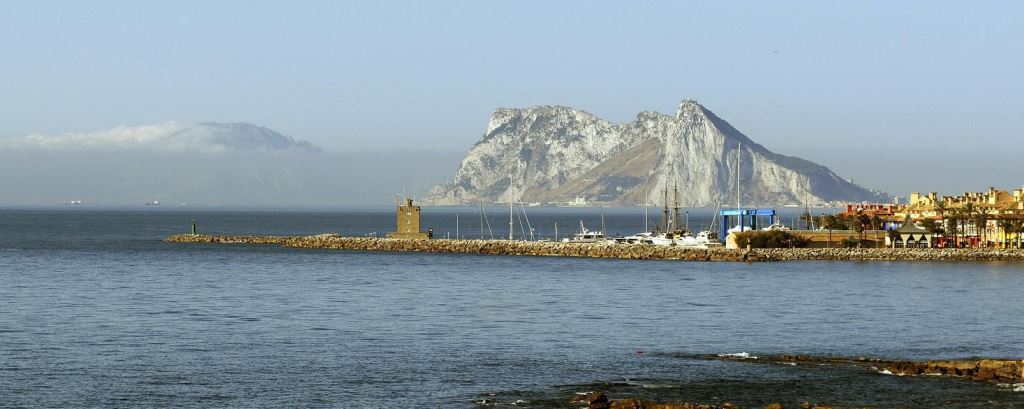
Gibraltar, Gibraltar
In ancient times the rock of Gibraltar, separating Europe from Africa, was known as the Pillars of Hercules and considered to be the end of the known world. In more modern times, it attained a strategic importance as the gateway to the Mediterranean through the Strait of Gibraltar, south of mainland Spain. Today the 6 square kilometres stretch of land, which is a British colony, is a busy centre of commerce and tourism, with a population of 30,000 inhabitants. The cultural make-up includes a Spanish majority as well as the British and minorities from Genoa, Morocco, Malta and Arabia.
The British influence is widely evident and English is the official language, although many of the islanders also speak Spanish in a distinctive dialect. The name Gibraltar derives from the Arabic Gibal al Tariq, which means Tariq Mount. It was founded in 711AD during the first Saracen reign in Spain. The original Arabic fortified city was destroyed and then rebuilt by the Castillians. Control of the city was fought over by the Spanish and the Arabs, until the British Crown took possession of Gibraltar in 1704, installing first an admiral and then a governor to administer the city.
The relationship between England and Spain over Gibraltar has often been uneasy. General Franco's Spanish government tried hard to annex Gibraltar, causing considerable tension with Britain, notably when the frontier was blocked. In 1967 a referendum on Gibraltar came out in favour of continued British ownership.
The fortress of Gibraltar is a particular highlight. The Moorish Castle, with its dominating tower, was built by Arabs in 750AD, although its present structure reveals influences from the 1500s, and its walls are well preserved. Another popular attraction on Gibraltar are the magnificent St Michael Caves, which have previously served as an air-raid shelter and hospital. The caves presently house a theatre, offering entertainment in a spectacular setting.
At sea
La Coruna (Santiago de Compostela), Spain
At sea
Southampton (London),United Kingdom
Cruises from Southampton are part of a rich maritime heritage. Some of the most famous ships have set sail from this port, which, before the rise of commercial air travel, was the main gateway to the world. Hollywood stars like Bette Davis and Elizabeth Taylor passed through here to board cruises from Southampton, and it is also known as the port from which the Titanic departed in 1912.
In the picturesque Old Town, walking along cobbled streets reveals 12th-century churches, Tudor-style houses, and one of the best-preserved medieval city walls in the UK, featuring the historic Bargate entrance. The city also offers lively marina-side bars, modern shopping districts, and a cultural quarter where the Mayflower Theatre stages popular West End musicals, while the SeaCity Museum documents Southampton’s rich maritime past.
Some of England’s most famous landmarks are just a short drive away: the Neolithic wonder Stonehenge, the picturesque spa city of Bath, or iconic London attractions like Buckingham Palace, Tate Modern, and Tower Bridge.
Discover 5,000 years of history and much more on a cruise from Southampton.
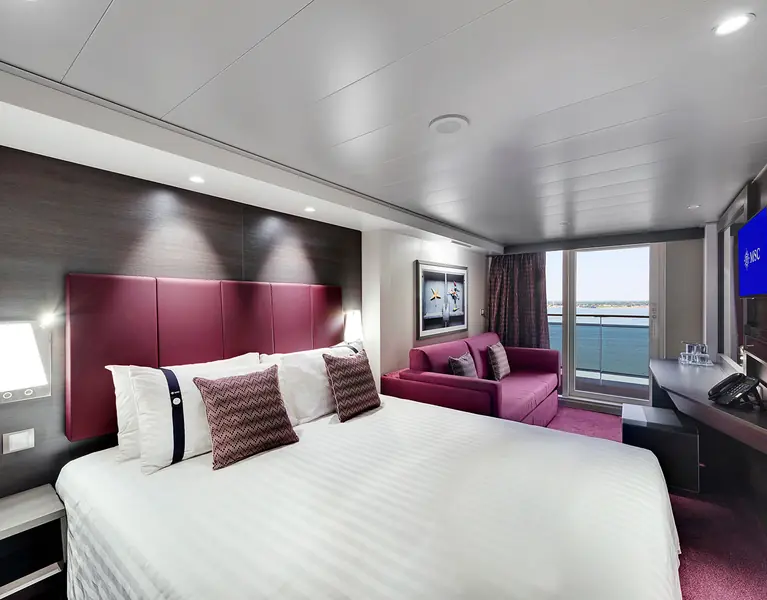
Available cabins for Sat. 12.09. - Sat. 26.09.2026.




MSC VIRTUOSA
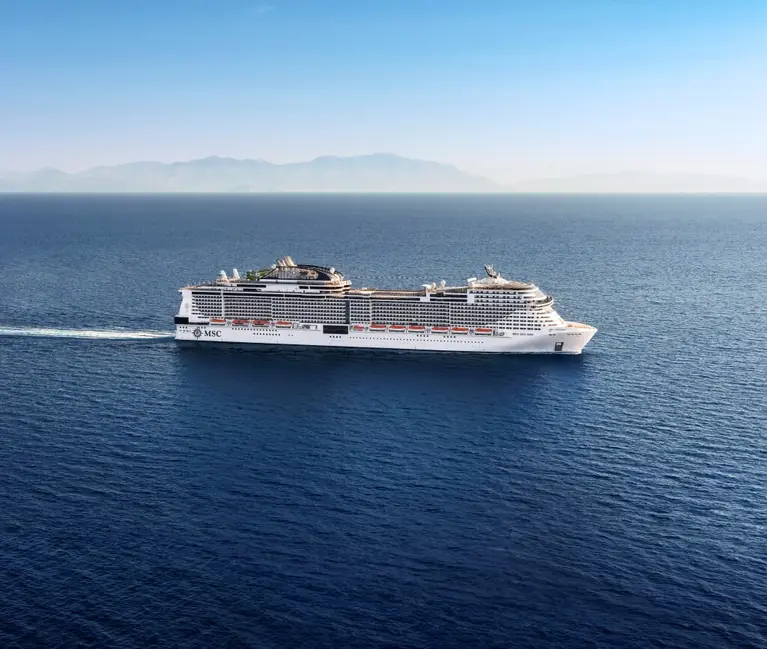
Masterpiece at sea
MSC Virtuosa’s namesake comes from the word virtuoso, meaning “someone highly skilled in any field of activity”, and so MSC Virtuosa was named to pay homage to the skills and expertise of the MSC Cruises architects and shipyard partners at Chantiers de l’Atlantique who designed and built this innovative class of ships.
MSC Virtuosa, along with her sister ships MSC Meraviglia, MSC Bellissima, MSC Grandiosa and MSC Euribia, belongs to the “Meraviglia Class”, where the impressive array of onboard experiences come together in perfect harmony with the space and the destinations, to deliver the ultimate cruise holiday experience.