

Costa Smeralda: GOA - GOA - GOA07A1M
1 available date
Itinerary
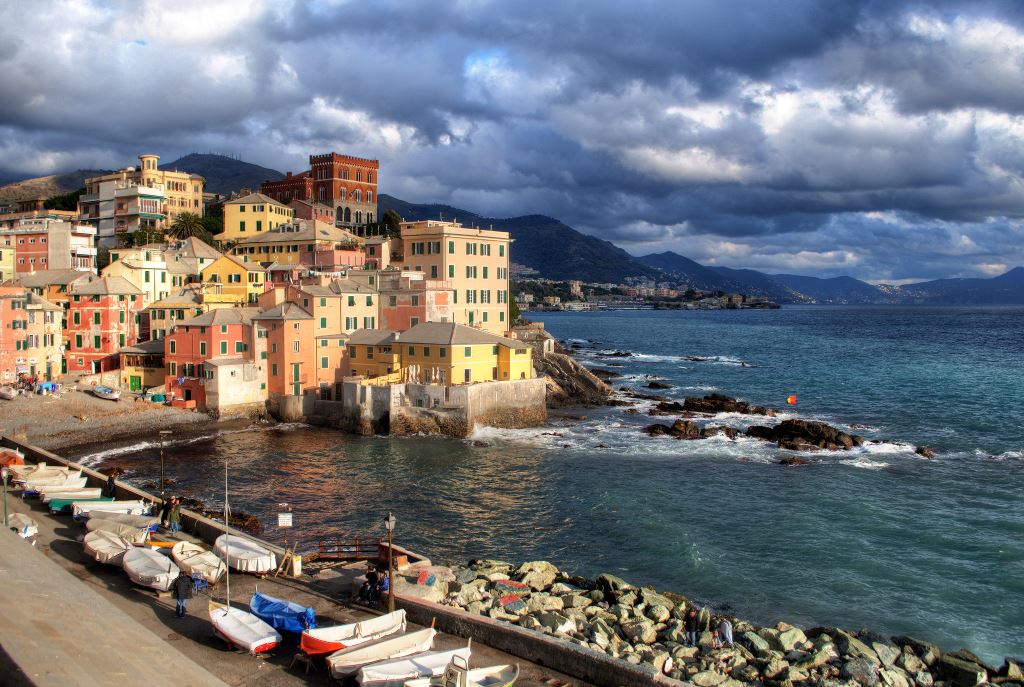
Genoa (Portofino), Italy
Genoa, located on the coast of the Ligurian Sea, is one of the most historically significant cities in Italy and truly the “Jewel of Liguria.” Over the centuries, it has been an important commercial and maritime center, reaching its peak during the Middle Ages and the Renaissance as one of the most powerful naval forces in the Mediterranean. Genoa is also the birthplace of the famous explorer Christopher Columbus, who set out on his journey to the New World with the support of Genoese merchants. The city also gave the world the renowned violinist Niccolò Paganini, one of the greatest virtuosos in the history of music.
Today, Genoa offers a rich cultural and historical heritage. Among its main attractions are the Porto Antico (Old Port), the impressive Genoa Aquarium, and the Old Town, known for its narrow alleys, churches, and UNESCO-protected palaces. The Cathedral of San Lorenzo and the historic Palazzi dei Rolli are enduring symbols of the city's wealth and influence through the centuries.
Genoese cuisine is a true delight for food lovers — the most famous dish is Pesto alla Genovese, while focaccia is another staple, along with a variety of fresh seafood dishes. For those with a sweet tooth, traditional desserts like pandolce and canestrelle perfectly round off the culinary experience.
Genoa is a city where history, art, the sea, and gastronomy come together — an ideal destination for anyone seeking an authentic Italian experience.

Marseille (Provence), France
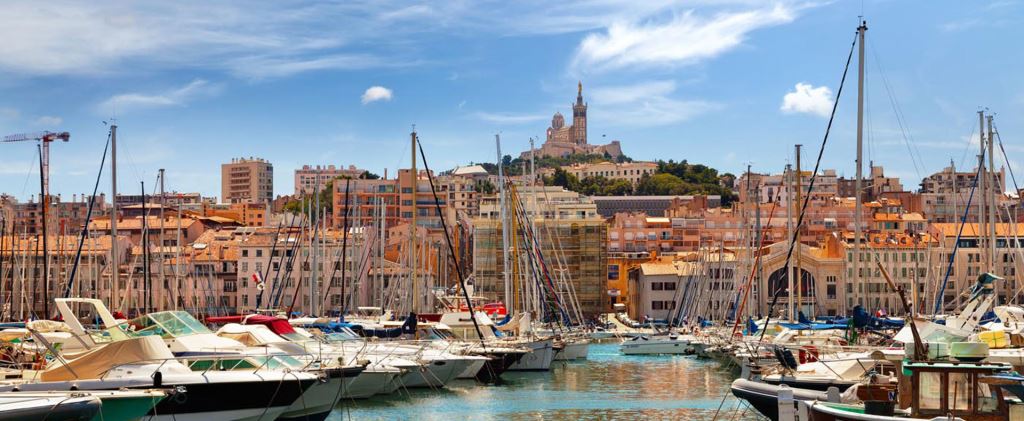
Marseille, the second largest city in France and one of the oldest cities in Europe, boasts a rich history and vibrant atmosphere, situated along the sparkling Mediterranean Sea. Founded by the Greeks over 2,600 years ago, the city has been influenced by many civilizations throughout the centuries, leaving a lasting mark on its architecture and identity.
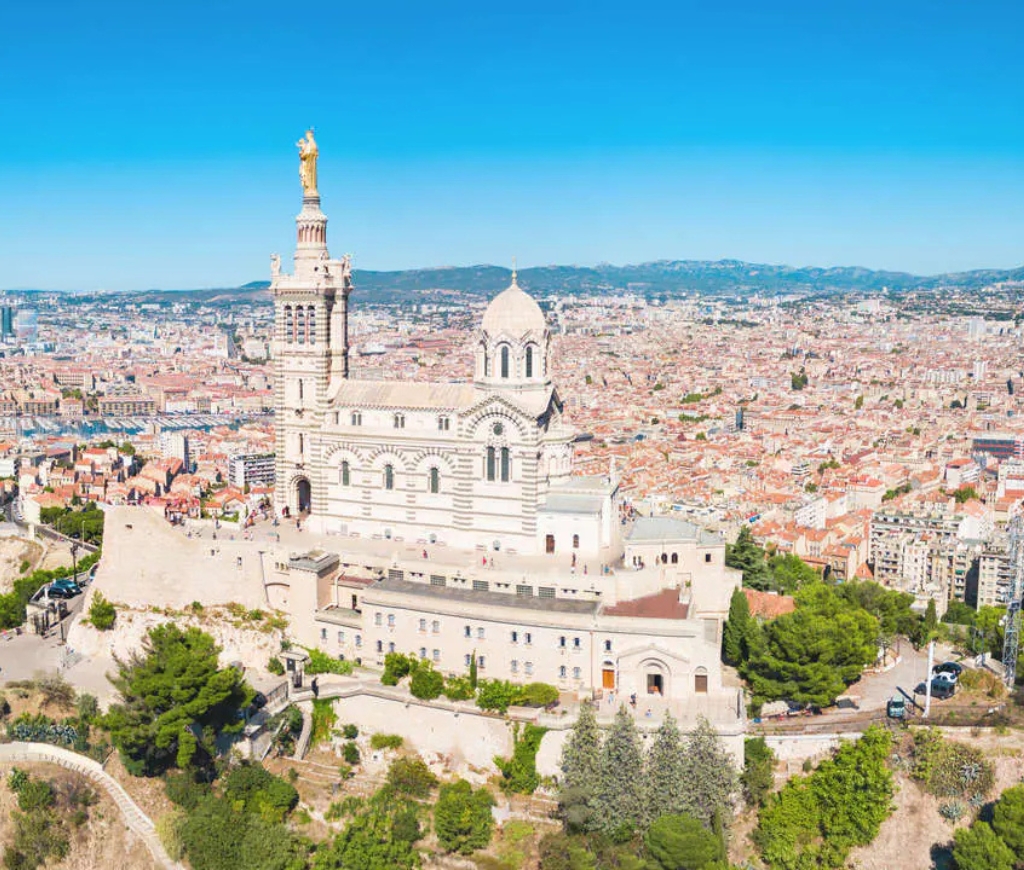
Among its main attractions is the Old Port (Vieux Port) – the heart of city life, recognizable by its boats, cafés, and restaurants. The impressive Notre-Dame de la Garde basilica, perched on a hill, offers panoramic views of the city, the islands, and Château d’If, the famous fortress from The Count of Monte Cristo. Also notable are the historic Le Panier district and MuCEM, a modern museum dedicated to Mediterranean culture.
Marseille’s cuisine includes specialties such as bouillabaisse – a traditional fish soup, and panisse – chickpea cakes. The city is full of authentic restaurants offering local flavors.
Nearby, the Calanques National Park is famous for its spectacular cliffs and clear waters, while charming towns like Aix-en-Provence and the fishing village of Cassis make perfect day trips. Wine lovers can explore the Provencal vineyards and enjoy tastings.
Colorful streets and historic buildings tell stories of the past, while sunsets over the sea create a special, warm atmosphere worth experiencing. Marseille is a place where tradition meets modern energy, ideal for pleasant moments and discovering authentic Mediterranean culture.
Barcelona, Spain
Barcelona, the capital of Catalonia, is a city with a rich and diverse history that dates back to the Roman era. Over the centuries, it was under Roman, Arab, Byzantine, and Christian rule, all of which have left a lasting mark on its architecture and cultural identity. During the Middle Ages, Barcelona became an important commercial and cultural center of Catalonia, and in the 19th century, it experienced significant industrial and urban development.
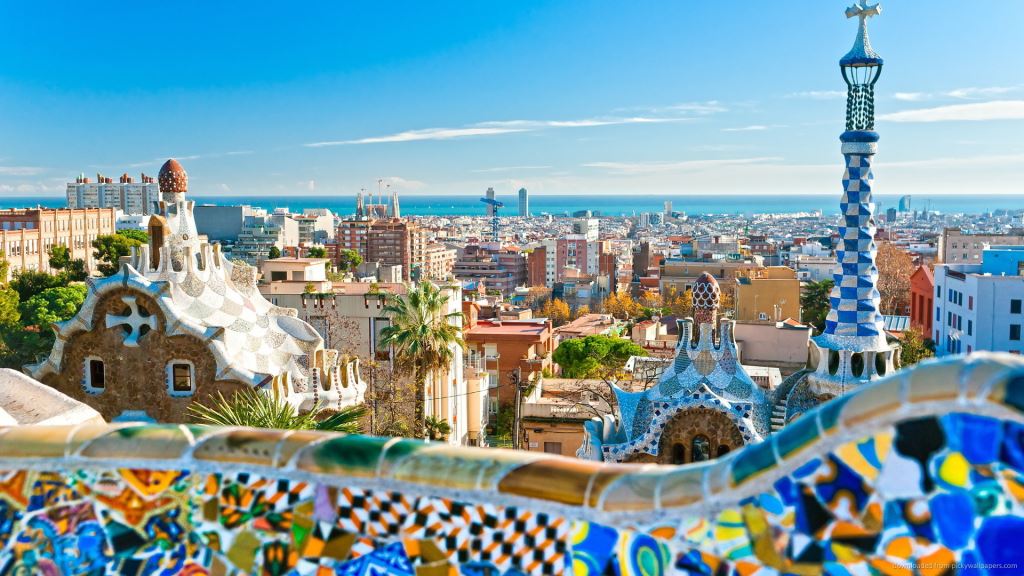
One of the most notable architects associated with Barcelona was Antoni Gaudí, whose works such as the Sagrada Família, Park Güell, Casa Batlló, and Casa Milà have become iconic symbols of the city. His unique style, which blends elements of Gothic, Modernism, and natural forms, has made Barcelona a uniquely vibrant urban space. Among the city’s most famous attractions are La Rambla, a lively promenade stretching from Plaça de Catalunya to the sea, and the Gothic Quarter (Barri Gòtic), the old part of the city filled with medieval alleys, buildings, and churches, including the Cathedral of Saint Eulalia. The artistic spirit of the city can also be felt in the Picasso Museum and the Joan Miró Foundation, which house works by two of Catalonia’s greatest artists.
Barcelona is also renowned for its famous football club, FC Barcelona, whose stadium Camp Nou attracts thousands of visitors eager to experience the passion and pride that Catalans have for their team.
The city also offers a rich culinary scene – from its famous tapas to traditional dishes such as paella, fideuà, zarzuela, and the dessert crema catalana. A highlight is the Boqueria Market, where visitors can taste local products and delicacies. Today, Barcelona is one of the most visited cities in Europe, offering a perfect blend of history, art, architecture, sport, gastronomy, and Mediterranean spirit.

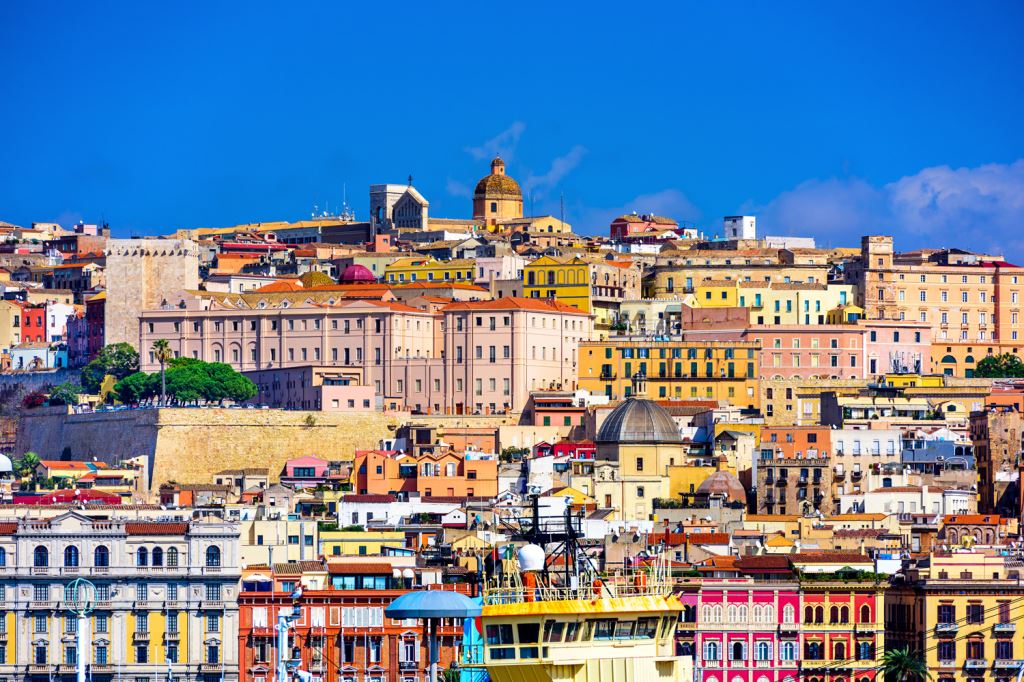
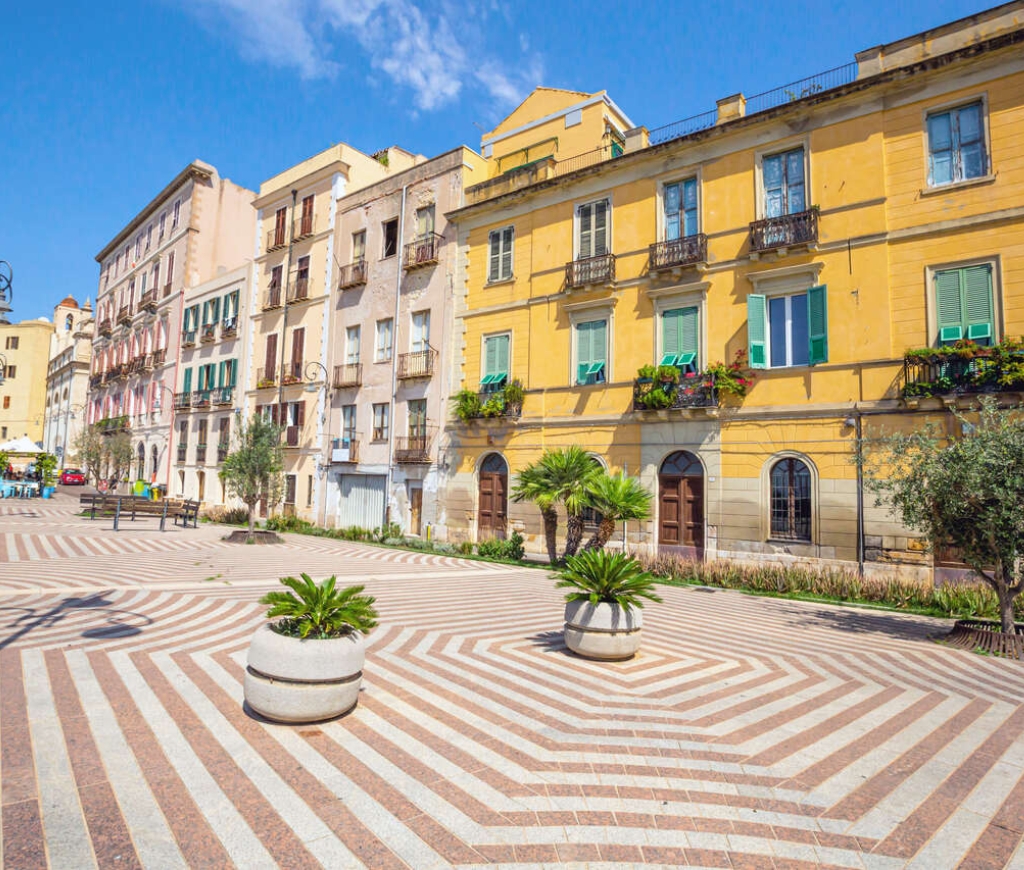
Cagliari (Sardinia), Italy
Cagliari, the capital of Sardinia, is rich in historical and cultural heritage spanning thousands of years, beginning with the Phoenicians, whose trade routes passed through this strategically located city. Throughout history, Cagliari has been shaped by numerous civilizations — Romans, Byzantines, Arabs — whose traces are clearly visible in the architecture and city landmarks. Among these are the 2nd-century Roman amphitheater, the medieval fortress Castello, the imposing Bastione di Saint Remy, and the towered Torre dell’Elefante. The National Archaeological Museum of Cagliari offers insight into Sardinia’s rich past through collections of artifacts from various periods, including the Nuragic culture.
Besides cultural attractions, Cagliari also offers natural beauties that delight visitors. Poetto Beach, stretching eight kilometers, is ideal for swimming and water sports, while the quieter Calamosca provides a relaxing atmosphere. Molentargius-Saline Park is known for its flamingo population and other wetland birds, and it also offers beautiful trails for walking and cycling.
Cagliari’s gastronomic scene reflects a blend of sea and land flavors typical of southern Italy, offering traditional dishes such as pecorino cheese, rich and aromatic fregola pasta, and local wines. These delicacies, together with fresh seafood and locally grown vegetables, create a culinary experience visitors will remember for a long time.
Naples (Pompeii), Italy
Naples, located on the western coast of Italy, is a city with a rich history that stretches back thousands of years. Founded as a Greek colony in the 8th century BC, the city has been shaped over time by numerous civilizations such as the Romans, Byzantines, Normans, and Spaniards, all of which contributed to its cultural and commercial importance. Today, Naples is a vibrant and modern city that retains its historical charm through narrow streets, ancient landmarks, and breathtaking views of the sea.
One of the greatest attractions in the Naples area is the active volcano Mount Vesuvius, famous for its eruption in 79 AD that buried the ancient city of Pompeii—one of the world’s most important archaeological sites. Visitors can explore well-preserved Roman houses, shops, temples, and an amphitheater, offering a glimpse into daily life nearly 2,000 years ago. In addition to Vesuvius and Pompeii, Naples is home to many other must-see sites, including the Royal Palace, the National Archaeological Museum, the stunning island of Capri, and the renowned Teatro di San Carlo, Italy’s oldest opera house. Nature lovers can explore the Cilento and Vallo di Diano National Park, a UNESCO World Heritage Site.
Naples is also famous for its unique culture, with the Neapolitan people known for their warmth, hospitality, and passion for life. The city is the birthplace of the legendary Hollywood actress Sophia Loren, and it boasts a rich musical and theatrical tradition, highlighted by the historic Teatro di San Carlo.
Neapolitan cuisine is especially distinguished by its traditional pizza, perfected in this very city. The oldest and most iconic pizzerias—such as Port’Alba, Brandi, and Da Michele—draw visitors from all over the world.
Naples offers an incredible mix of history, culture, stunning nature, and delicious food. Visitors are sure to be captivated by its charm and diversity. Whether you’re a lover of history, art, cuisine, or nature, Naples has something for everyone.

Civitavecchia
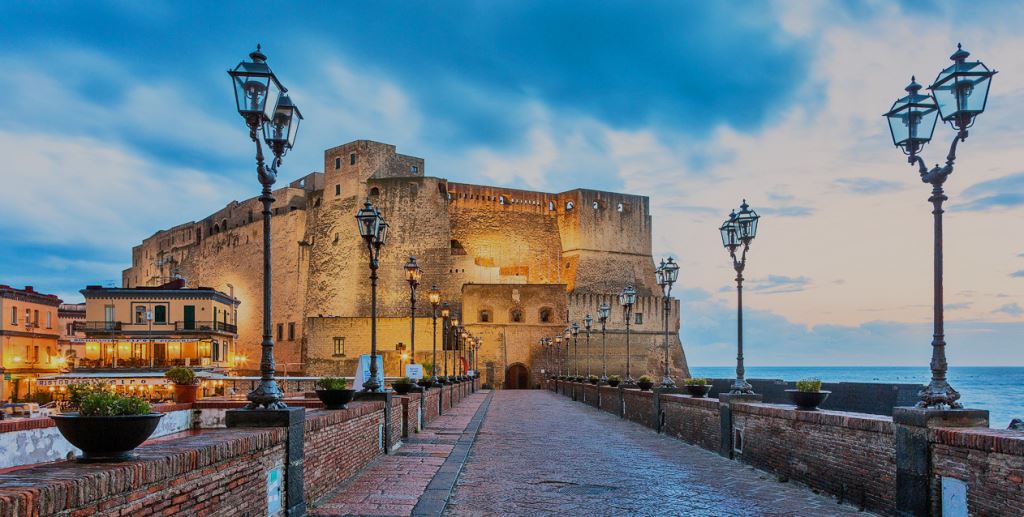
Civitavecchia is a charming port city located on the western coast of Italy, along the Tyrrhenian Sea. Often called the "gateway to Rome," it serves as a major hub for cruise ships and ferries, welcoming millions of travelers each year who come to explore Rome and the surrounding region.
Founded in ancient times, Civitavecchia has a rich history dating back to the Roman era. The city was an important naval base and trading port, with many historical sites bearing witness to this maritime heritage. Visitors can explore the impressive Forte Michelangelo, a Renaissance fortress that overlooks the harbor and was built to defend the city. Besides being a port, Civitavecchia also offers a charming old town center with narrow streets, squares, and local markets where you can experience authentic Italian culture. The seaside promenade is perfect for enjoying a nice walk while tasting fresh seafood at traditional restaurants.
Civitavecchia is also a convenient starting point for exploring some of Italy’s most famous destinations. Rome, the Eternal City, is just about an hour away by train, where history, art, and culture await you at every corner. The surrounding area features beautiful landscapes, ancient ruins, and picturesque towns like Tarquinia and Tuscania.
Whether arriving by cruise ship or ferry, Civitavecchia is much more than just a port – it is a vibrant city full of history, culture, and Italian charm, making it an excellent gateway to discovering the treasures of central Italy.


Genoa (Portofino), Italy
Genoa, located on the coast of the Ligurian Sea, is one of the most historically significant cities in Italy and truly the “Jewel of Liguria.” Over the centuries, it has been an important commercial and maritime center, reaching its peak during the Middle Ages and the Renaissance as one of the most powerful naval forces in the Mediterranean. Genoa is also the birthplace of the famous explorer Christopher Columbus, who set out on his journey to the New World with the support of Genoese merchants. The city also gave the world the renowned violinist Niccolò Paganini, one of the greatest virtuosos in the history of music.
Today, Genoa offers a rich cultural and historical heritage. Among its main attractions are the Porto Antico (Old Port), the impressive Genoa Aquarium, and the Old Town, known for its narrow alleys, churches, and UNESCO-protected palaces. The Cathedral of San Lorenzo and the historic Palazzi dei Rolli are enduring symbols of the city's wealth and influence through the centuries.
Genoese cuisine is a true delight for food lovers — the most famous dish is Pesto alla Genovese, while focaccia is another staple, along with a variety of fresh seafood dishes. For those with a sweet tooth, traditional desserts like pandolce and canestrelle perfectly round off the culinary experience.
Genoa is a city where history, art, the sea, and gastronomy come together — an ideal destination for anyone seeking an authentic Italian experience.
Available cabins for Fri. 16.04. - Fri. 23.04.2027.


Costa Smeralda

Welcome on board Costa Smeralda
Costa Smeralda is synonymous with the Italian dolce vita:it is being carefree, it is the breeze ruffling your hair, and it is always overlooking the sea.
You’ll be treated to new performances and shows each night, an aqua park on the highest deck of the ship, a next-generation spa and gym and so much more.
Costa Smeralda cares for the environment, paving the way for responsible innovation and increasingly sustainable cruise travel.
Featured activities