
MSC VIRTUOSA: Cruise from Salvador to Maceio and São Paulo
10 available dates
Itinerary
Set sail along the Brazilian Atlantic coast aboard MSC Virtuosa. From historic Salvador, Brazil's first capital with its rich Afro-Brazilian heritage, the route continues to Maceio, the capital of the Alagoas region known for its beautiful beaches, Santos near São Paulo, and glamorous Buzios. This Meraviglia-class ship offers a premium cruising experience blending impressive amenities with destination diversity.
-
 BELLA EXPERIENCE BENEFITS×Bella Experience Benefits: Guaranteed cabin (cabin N° confirmed at least 4 days prior to departure) Cruise changes for a fee (applicable either on the cruise dates or on the destination. Must be performed up to 30 calendar days before departure, for a new cruise to sail within 90 calendar days from the original departure) Full board available in buffet and main restaurant Discounted drink package option at the time the cruise is booked Free continental breakfast in cabin (delivery for a fee) Broadway-style theater shows Pool area Kids club and activities Fitness center free access (from 14 years Booking Terms and Conditions apply) Sport facilities Entertainment activities MSC for Me app (where available) MSC Voyagers Club points.
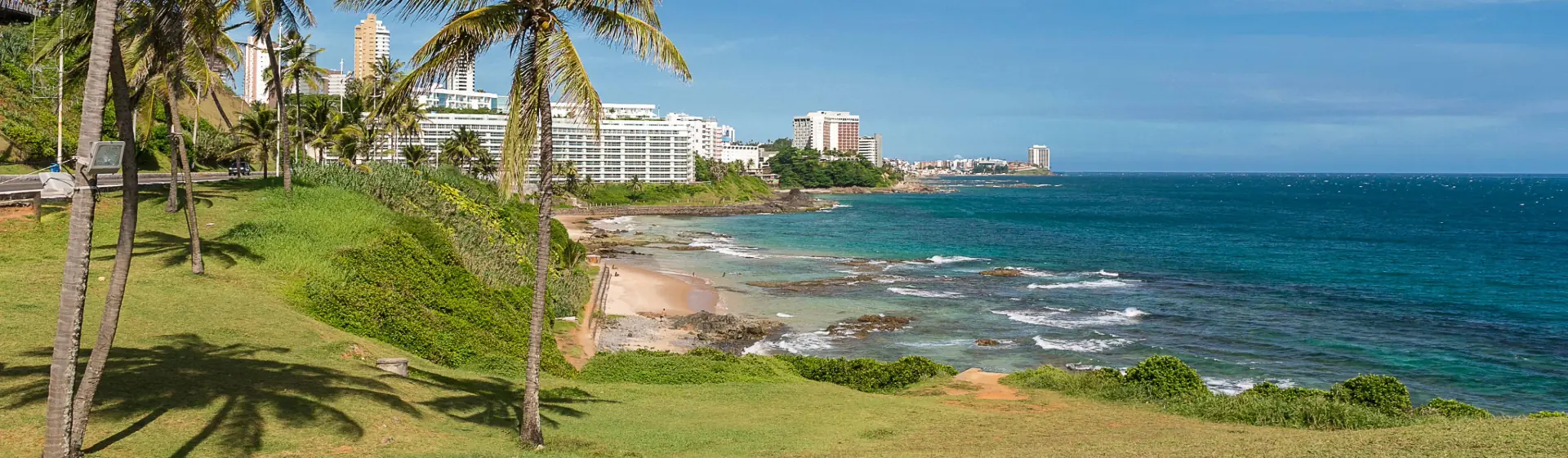
Salvador, Brazil
"The place where you breathe the history, soul and essence of Brazil." These are not the lyrics of a poetic verse, but the words you read when you enter the heart of Salvador da Bahia, one of the most culturally vibrant cities in the world. Founded in the 16th Century, it was the first capital city of Brazil and maintained political and cultural supremacy for 215 years. The city was first established on All Saints' Day, November 1, symbolising the importance of its religious heritage.
Its bay was named 'Baia de Todos os Santos' and the city soon became the focus of Catholic fervour promoted by Portugal, which made it the papal city of its maritime empire. The Portuguese built 365 churches, one for each day of the year. The majority, in exquisite Baroque style, still survive. The Catholic community soon found itself sharing the city with the voodoo spiritualism of Africa, brought into Brazil by African slaves.
The fortunes of the two followings gradually became intertwined, to form a unique tradition that influenced the broad cultural development of the city. The historical heart of the city with its two million inhabitants is the Pelourihno plaza, not long ago an area of drug trafficking, prostitution and an illegal weapons trade. After a restoration project sponsored by Unesco, the area has been reborn as the centrepiece of cultural life in Salvador, the third city of Brazil. During the day, the area is the domain of craftsmen and artists.
At night it becomes a rhythmic extravaganza. This is the soul of Bahia samba, a thrilling beat of African drums and intoxicating percussion. The Olodum band is the city's most famous musical symbol, coming to international attention in a video made with Michael Jackson.

Maceio, Brazil
Approximately 250km south of Recife, the sophisticated coastal resort of Maceio is the capital of the densely populated north-eastern Brazilian region of Alagoas, with a long history of maritime commerce. It boasts some of the country's most delightful beaches - particularly on the northern side - which slope into the crystal clear emerald green water of the Atlantic and are protected by a coral reef. The recently restored ancient quarter of Maceio remains the heart of the city.
Many of Maceio's inhabitants can trace their ancestry to African slaves who immigrated to Brazil and set up the state of Palmares, which in the 17th Century evicted the Dutch colonists. The city of Maceio includes the impressive Museo Do Instituto Historico and Museo Theo Brandao, both dedicated to the history of the region. Maceio's most famous son is the militant environmentalist Gininho Britzky, who has a large cult following as president of the Brigada Ecologica de Alagoas. The scourge of multi-national companies, he has faced threats and attempts on his life.

At sea


At sea
Santos (Sao Paolo), Brazil
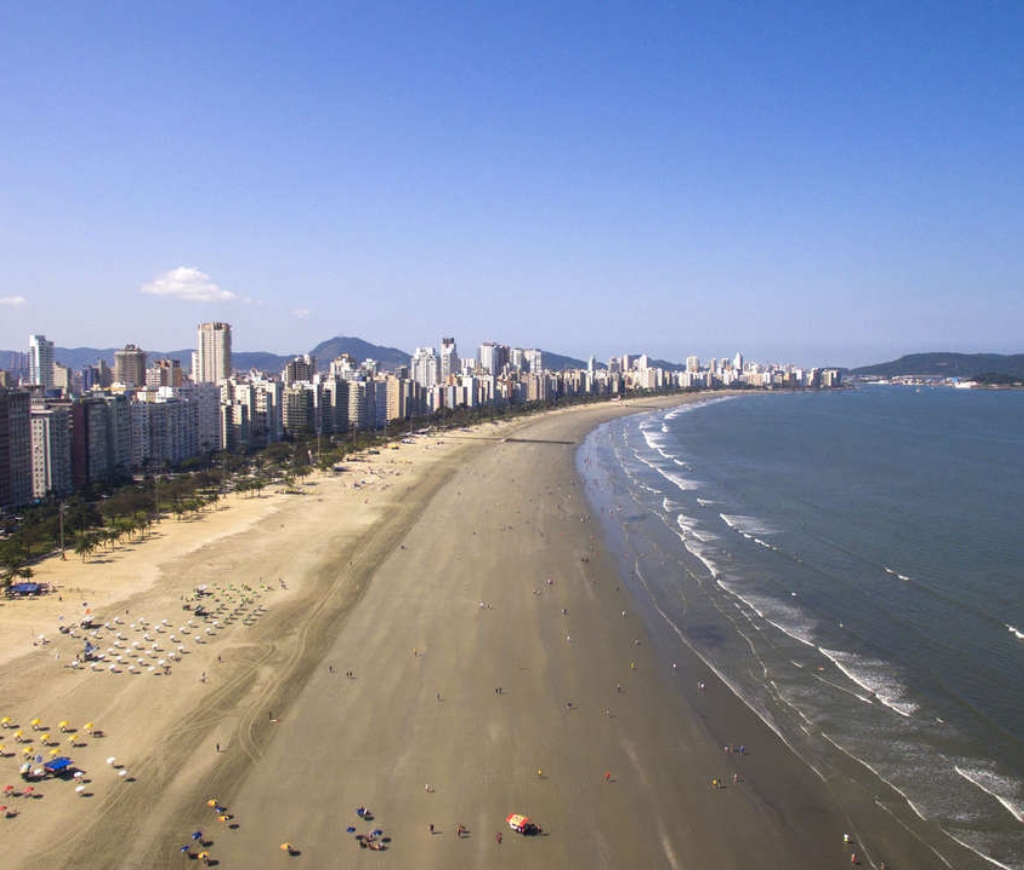
Founded in 1535, Santos was one of the first Portuguese settlements in the New World. Situated a few kilometres east of Sao Vicente, the city was developed on an island, with the port facing inland and ships approaching through a narrow canal. The heart of the city is very much connected with the port activities, and the main buildings lie along a network of narrow alleyways and streets.
There are several street markets, where bartering is the order of the day, just as it was in ancient times. One of the most important attractions in the city centre is the Rodoviària, near Praça dos Andradas. The commercial centre is found along Rua XV de Novembro and Rua do Comercio.
The city's train station, built in 1860, is a copy of London's Victoria Station. Nearby is the Baroque-style Santo Antoñio do Valongo church and Convento do Carmo. The city's commercial importance is now complemented by the tourist industry, with many visitors preferring the coast of Santos to Rio de Janeiro.
On the south side of the island, which has a 400km coastline, are a number of bays with large beaches, protected inland by green hills, giving a Mediterranean feel to the area.
Buzios, Brazil
At sea
Salvador, Brazil
"The place where you breathe the history, soul and essence of Brazil." These are not the lyrics of a poetic verse, but the words you read when you enter the heart of Salvador da Bahia, one of the most culturally vibrant cities in the world. Founded in the 16th Century, it was the first capital city of Brazil and maintained political and cultural supremacy for 215 years. The city was first established on All Saints' Day, November 1, symbolising the importance of its religious heritage.
Its bay was named 'Baia de Todos os Santos' and the city soon became the focus of Catholic fervour promoted by Portugal, which made it the papal city of its maritime empire. The Portuguese built 365 churches, one for each day of the year. The majority, in exquisite Baroque style, still survive. The Catholic community soon found itself sharing the city with the voodoo spiritualism of Africa, brought into Brazil by African slaves.
The fortunes of the two followings gradually became intertwined, to form a unique tradition that influenced the broad cultural development of the city. The historical heart of the city with its two million inhabitants is the Pelourihno plaza, not long ago an area of drug trafficking, prostitution and an illegal weapons trade. After a restoration project sponsored by Unesco, the area has been reborn as the centrepiece of cultural life in Salvador, the third city of Brazil. During the day, the area is the domain of craftsmen and artists.
At night it becomes a rhythmic extravaganza. This is the soul of Bahia samba, a thrilling beat of African drums and intoxicating percussion. The Olodum band is the city's most famous musical symbol, coming to international attention in a video made with Michael Jackson.
Available cabins for Tue. 08.12. - Tue. 15.12.2026.


MSC VIRTUOSA
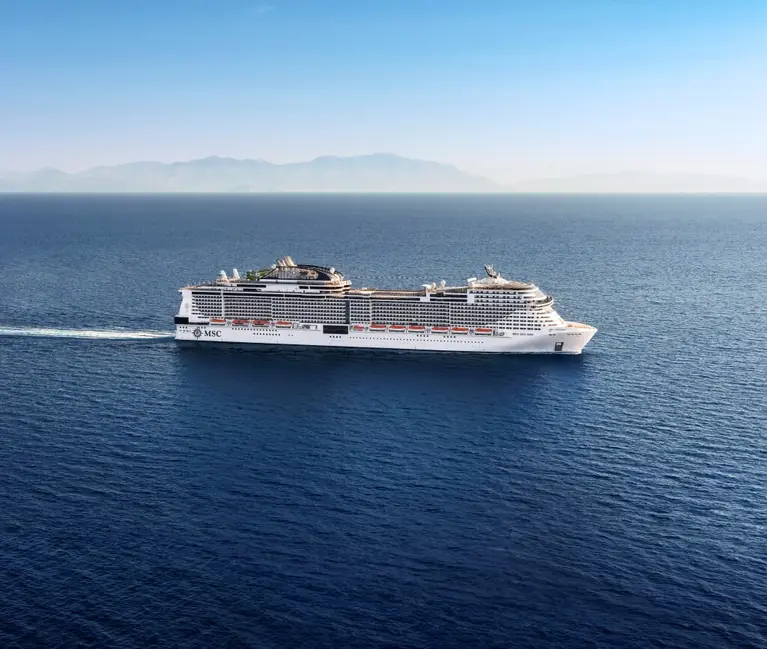
Masterpiece at sea
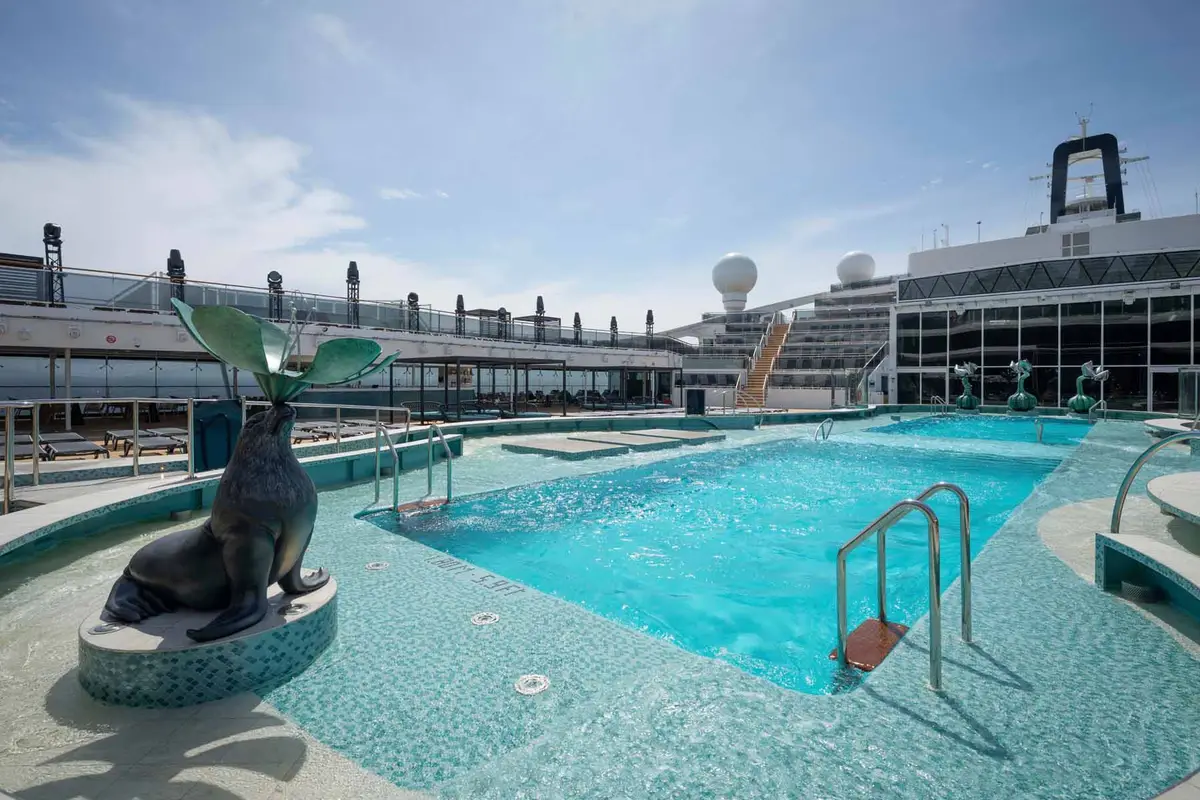
MSC Virtuosa’s namesake comes from the word virtuoso, meaning “someone highly skilled in any field of activity”, and so MSC Virtuosa was named to pay homage to the skills and expertise of the MSC Cruises architects and shipyard partners at Chantiers de l’Atlantique who designed and built this innovative class of ships.
MSC Virtuosa, along with her sister ships MSC Meraviglia, MSC Bellissima, MSC Grandiosa and MSC Euribia, belongs to the “Meraviglia Class”, where the impressive array of onboard experiences come together in perfect harmony with the space and the destinations, to deliver the ultimate cruise holiday experience.