

MSC SEASCAPE: Cruise from Galveston to Mexico and Honduras
8 available dates
Itinerary
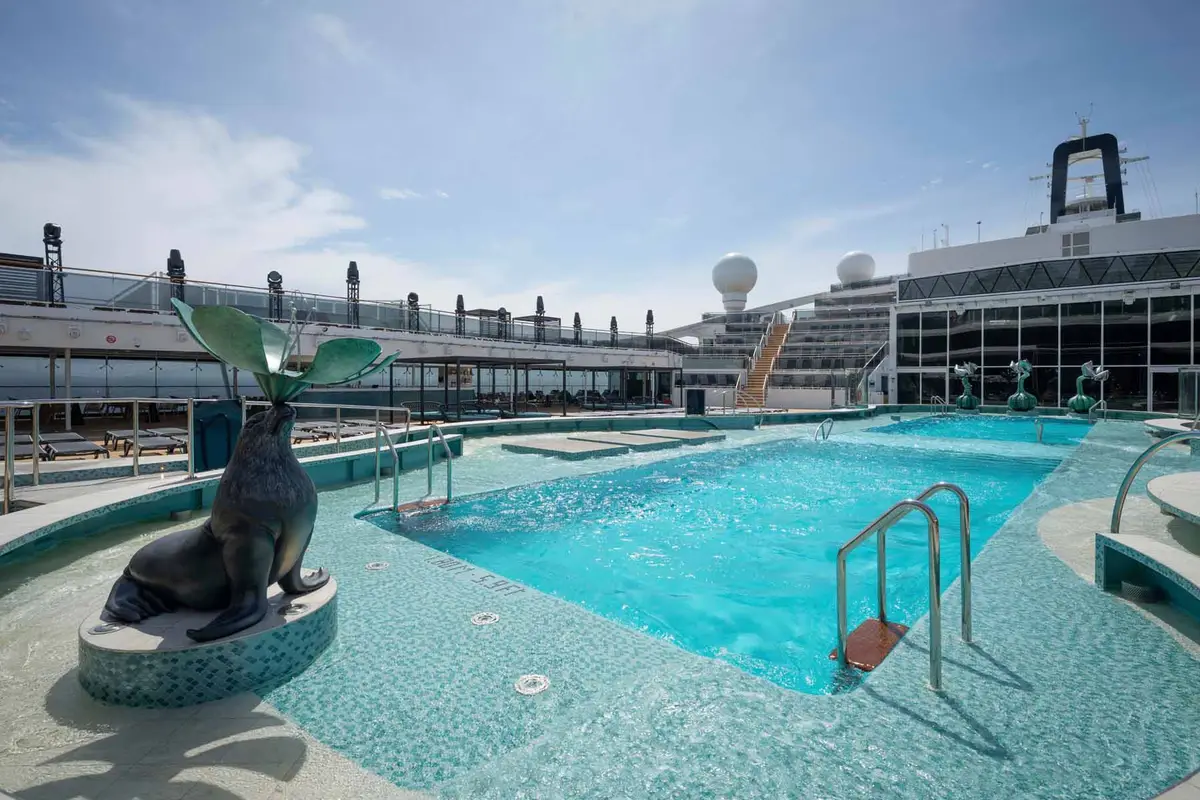
Set sail aboard MSC Seascape through the tropical landscapes of the western Caribbean. From Galveston, Texas, the route continues to Mexican Costa Maya, the Honduran island of Roatan with its rich pirate history and excellent diving, and Mexican Cozumel with its ancient Mayan heritage. Covered pools, panoramic elevators and the glass "Bridge of Sighs" make this ship an icon of new horizons at sea.
Galveston, United States
At sea


At sea
Costa Maya, Mexico
Isla de Roatan, Honduras
The island of Roatán was discovered by Christopher Columbus during his fourth voyage in 1502, but soon became an English colony and a favourite haunt of pirates, who found safe shelter at Port Royal (as the capital Roatán City, or Coxen's Hole, was then known). At the turn of the seventeenth century the Spanish estimated that the island harboured around 5,000 English buccaneers. During the second half of the eighteenth century, the British deported the indigenous Caribs of the island of St. Vincent to Roatán, where they mixed with former black slaves.
In 1859 the island became part of Honduras and adopted Spanish as its official language. Roatán's population is thus composed of the descendents of the early settlers and pirates, descendents of the black slave population and Honduran Amerindians. Consequently, the somatic traits of its inhabitants are surprisingly mixed and the population features various types of people.
Situated 50 km from the northern coast of Honduras, Roatán has an area of 300 km2 and a population of approximately 7000. It is the largest of the Islas de la Bahia, an archipelago that also includes the islands of Guanaja and Utila and is the continuation of the Belize Barrier Reef. The long, narrow island of Roatán is around 50 km in length, although its maximum width is just 5 km, making it possible to see both the island's northern and southern coasts in some spots. The road network is still fairly new and indeed the island has just one surfaced road running from west to east, whilst the intersecting roads are actually just dirt tracks.
It rains frequently and the island has an average of 20 days of rain each month. The driest months are January and February. As a consequence of the abundant rainfall, Roatán is covered with masses of luxuriant vegetation with lush woods and forests. The rain has also favoured agricultural activity, most notably the cultivation of bananas, but also sugarcane and various precious woods.
Roatán City, located on the southeastern coast, is the island's capital and has a population of approximately 4,000. It is within easy reach of the best beaches such as Flowers Bay, French Harbour and Brick Bay, as well as the splendid and world-famous West Bay Beach. The waters around the island are simply spectacular and snorkelling and diving are among the favourite activities of visitors. The sea is teeming with tropical fish, various species of coral and sponges. Tropical groupers can be encountered by divers in the area known as Peter's Place. The wealth of marine fauna has also enabled the development of a fishing industry, which exports mainly prawns and lobster.
The village of Oak Ridge is another very interesting spot and is surrounded by canals with mangroves, a fishing port and colourful pile-dwellings. Here one can admire the remains of the British fortifications once visited by the admiral of the Royal Navy, Lord Nelson.
In addition to the typical, brightly coloured Caribbean garments, local crafts include pottery and various objects produced from wood, especially mahogany, which is used for sculptures, furnishings and cutlery. The local shops also sell plenty of cigars and interwoven wooden items.
Cozumel, Mexico
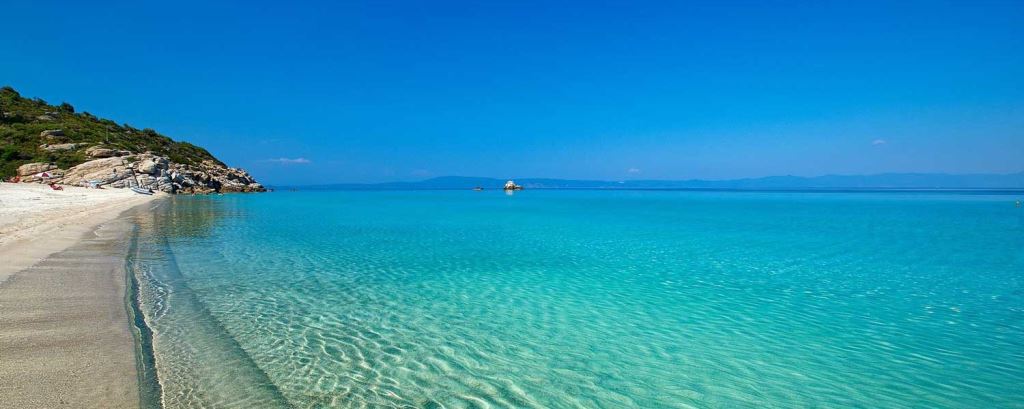
The island of Cozumel is one of the most popular tourist destinations in the world, attracting an estimated 20 million people a year keen to enjoy its unique mix of glorious beaches, superb diving and ancient archaeological sites. The town of Cozumel is the perfect place to relax in the tropical sun and the perfect gateway to the island's ancient treasures.
The first evidence of civilisation on Cozumel dates back to the Mayans of 300 BC. Cozumel's importance to Mayan society came from its vantage point as a port and from its apparent powers of fertility. Mayan women would travel to the island in their thousands in the hope that the special properties of the area would furnish their children with good health and good luck. It is possible today to see the excavated ruins of San Gervasio, a holy Mayan monument, originally a temple built to honour Ixchel, the Mayan god of medicine, love and fertility.
The Mayans' fortunes suffered after the arrival of the Spanish conquistadors in 1519 and many of its culture masterpieces were plundered. This beleaguered state, during which the island remained virtually deserted, remained for several hundred years until Cozumel's importance as a trading post in the gum trade and then as an American anti-submarine base during World War II revived its importance.
On the south of the island, Chankanaab national park offers some delightful diving in a lagoon packed with a colourful array of tropical fish and turtles. It is also on this side of the island that the village of Cedral is situated, which includes a Mayan site decorated with ancient drawings.

At sea
Galveston, United States
Available cabins for Sun. 13.09. - Sun. 20.09.2026.


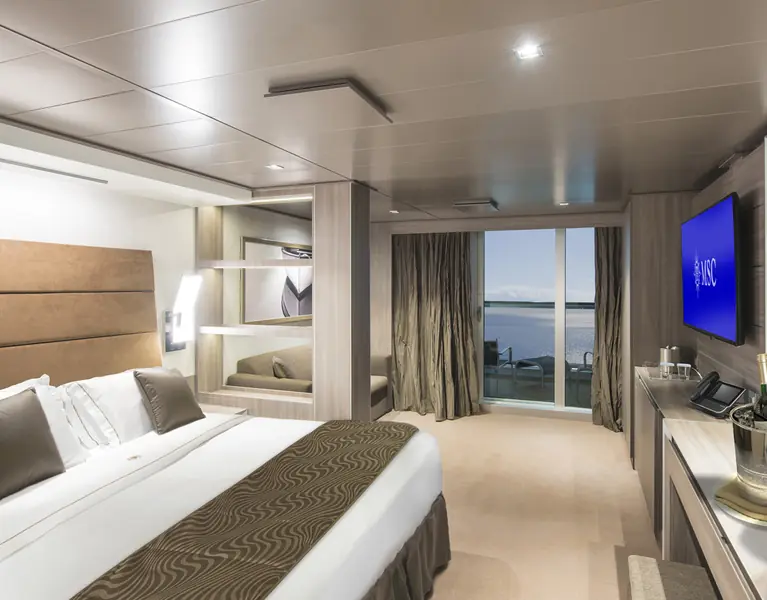

MSC SEASCAPE

New horizons at at sea
An immersive experience truly connecting you to the sea awaits you onboard MSC Seascape.
MSC Seascape ship pays tribute to the beauty of the ocean with a whole host of innovative design features to enable guests to enjoy new horizons at sea, through her impressive outdoor spaces designed for relaxation, dining and entertainment.
Covered pools, panoramic lifts and the breath-taking glass skywalk Bridge of Sighs, make MSC Seascape iconic and unique for sensational points of view on the ocean.
Beyond that, the new immersive high-tech entertainment with innovative technology provides guests with endless options.