
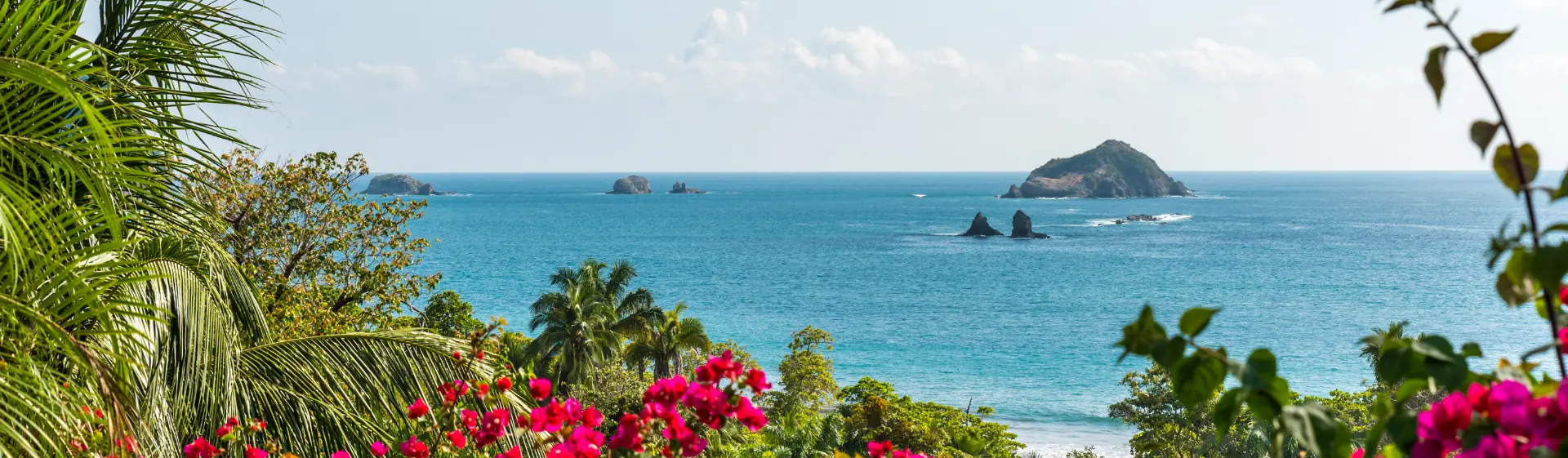
MSC POESIA: Cruise from Miami to Colombia and Panama
5 available dates
Itinerary
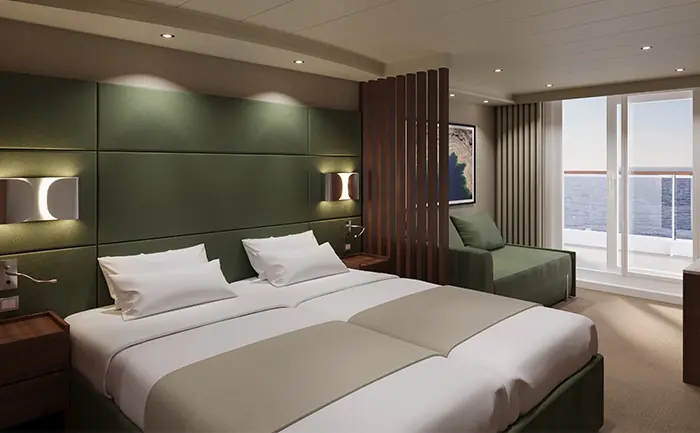
Set sail on an exceptional cruise aboard MSC Poesia linking as many as six countries across Central America and the Caribbean. From sunny Miami, the route continues to Jamaican Ocho Rios, historic Cartagena in Colombia, Panamanian Colón at the entrance to the famous canal, Puerto Limon in Costa Rica, the Honduran island of Roatan known for diving, and Belize City, gateway to the world's second-largest coral reef. Spacious balcony cabins and the exclusive MSC Yacht Club make this voyage a truly poetic experience at sea.
-
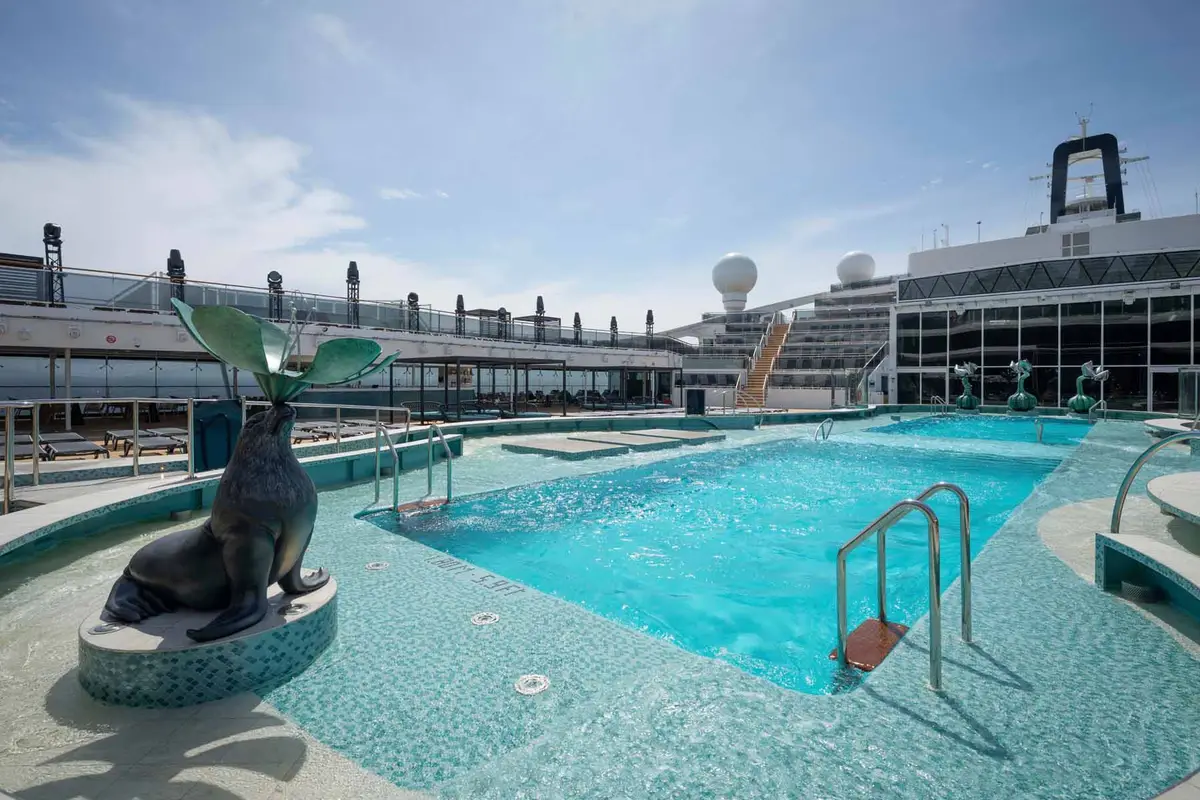
 BELLA EXPERIENCE BENEFITS×Bella Experience Benefits: Guaranteed cabin (cabin N° confirmed at least 4 days prior to departure) Cruise changes for a fee (applicable either on the cruise dates or on the destination. Must be performed up to 30 calendar days before departure, for a new cruise to sail within 90 calendar days from the original departure) Full board available in buffet and main restaurant Discounted drink package option at the time the cruise is booked Free continental breakfast in cabin (delivery for a fee) Broadway-style theater shows Pool area Kids club and activities Fitness center free access (from 14 years Booking Terms and Conditions apply) Sport facilities Entertainment activities MSC for Me app (where available) MSC Voyagers Club points.
Miami, United States
With a population of around 360,000, but almost 5 million in the entire urban area, Miami is Florida's most heavily populated city. It began to expand in 1896 when railway reached the city and Miami became a municipality. The pleasant climate and idyllic landscapes with numerous kilometres of beach propelled the city towards its first economic boom in the 1930s, although even greater development was to take place in the '50s.
Thanks to the mild climate, particularly in the winter when the majority of major cities on the East Coast of the US are at freezing point, Miami quickly carved out a role for itself in the tourism industry.
The city is also strategically located opposite the Caribbean and just 145km from Cuba: heavy Cuban immigration has consequently helped shape the identity of Miami in terms of culture and language. Indeed half of the city's population is now of Hispanic origin.
The city is divided into distinct neighbourhoods, some of which have separate and independent local governments, such as Miami Beach. Biscayne Boulevard is the main attraction in the area around the port and is flanked by large parks such as Bayfront Park and the Bicentennial Park; to the south of the port lies the financial district.
In downtown Miami, Flager Street is where to head to do a bit of shopping in the department stores and clothes, electronics, sports and jewellery shops. In the Metro Dade Center you can visit the Museum of Southern Florida, the city's main library, and the Museum of Fine Arts, which holds temporary modern art exhibitions. Coconut Grove is Miami's oldest district and has become, over time, an exclusive and refined residential area. Here you will find the local government offices, City Hall's home is an ex-1930s hangar. Other places of note in the neighbourhood include Peacock Park and the Dinner Key, Miami's tourist port.
Little Havana is the Cuban district characterised by an almost Caribbean atmosphere where Spanish is spoken more readily than English. The main road Calle Ocho runs through the district, which is lined with shops and cafés, whilst other places of interest include the Museum of the Cuban Arts and Culture, the Museum of Science and the Máximo Gómez Park.
Six kilometres to the east of Miami is Miami Beach, an island comprising a long, thin strip of sand connected to the mainland by a system of bridges. The southern end of Miami Beach is called South Beach and it is here that the city's recent rebirth began.
Miami's image had been tarnished in the '80s by heavy crime, racial violence, and the drugs and gambling culture that has been synonymous with the city since the 1930s when it was one of the few places in the States untouched by Prohibition.
The Art Deco Historic District, built up in the 1920s and noted for its pastel, rose, lavender and turquoise colour houses, has recently been restored and represents an excellent example of the urban restoration of modern architecture, attracting thousands of tourists each year. But Miami Beach also means the seafront and the famous Ocean Drive that separates the beach from the infinite numbers of bars and restaurants. An never-ending parade of bizarre cars, roller-skaters, skateboarders, and super-accessorised Harley Davidsons ensure that visitors remain amused.
As with the rest of the culture in Florida, food and drink in Miami has a heavy Cuban and Caribbean influence: the fish and seafood caught in the Atlantic and the Gulf of Mexico form the base of the most popular dishes.
Florida is also known for its large-scale production of fruit and vegetables, and is one of the biggest producers in the States.


At sea


Ocho Rios, Jamaica
When Christopher Columbus first laid eyes upon Jamaica he wrote in his logbook that it was 'the most beautiful island I have ever seen'. His words were not without good reason. The land of rum and reggae is a stunningly beautiful island of soaring mountains, lush hilltops, evocative swamplands and glorious tropical flora. The town of Ocho Rios sprawls along a magnificent beach and is one of Jamaica's major tourist destinations. The present bustling town was formerly a sleepy fishing village and along the coastline manages to retain some of its earlier tranquil charm. James Bond author Ian Fleming used to live in the vicinity, at Oracabessa, and references to 007 are littered throughout the town. One of its beaches is dedicated to the fictional spy and was reportedly the location for several scenes in the 007 film Licence to Kill, starring Sean Connery and Ursula Andress. The hills behind Ocho Rios are dissected by several waterfalls and not far from town are a number of plantations growing a wide range of exotic fruit. Also accessible from Ocho Rios are Dunn's River Falls, one of Jamaica's most famous sights, which plunge some 600 feet from top to bottom.
The history of Jamaica is not unlike the rest of the Caribbean. After early Spanish occupation in the 16th Century, under which sugar cane plantations and slavery were a central factor, the island fell to the British. This period saw the expansion and development of local agriculture, including cocoa, sugar cane, coffee and tobacco. During this time the island became plagued by pirates, such as the infamous Blackbeard and 'Calico' Jack Rackham. By the turn of the 19th Century resistance to slavery was gaining ground in Jamaica, leading to a series of rebellions, the greatest of which was in 1831. Three years later, slaves in the West Indies were emancipated, heralding a gradual assertion of Jamaican nationalism, which culminated in independence in 1962. The years since have seen a huge increase in tourism to Jamaica, fuelled in significant part by its place as the home of reggae music, which has been exported all over the world by the likes of Bob Marley, Peter Tosh, Aswad and Big Mountain. The most important reggae event in the world and the biggest day in the Jamaican calendar is the annual Sunsplash Festival held on the island.

At sea
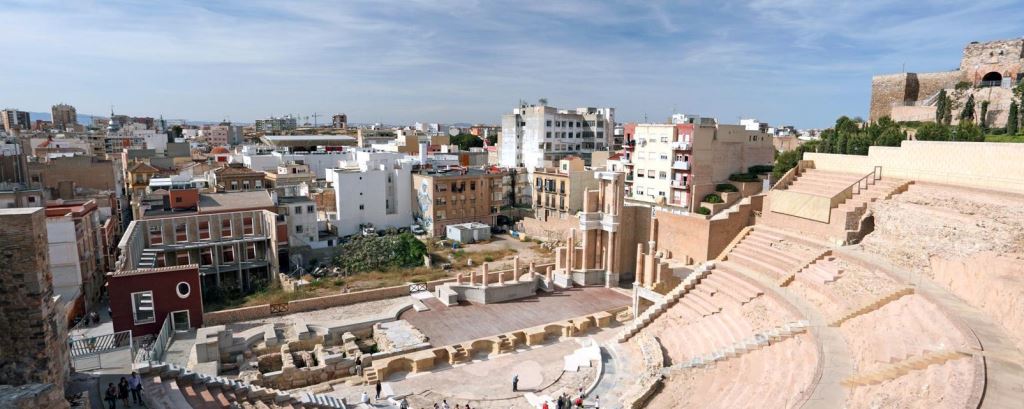
Cartagena, Colombia
Colon, Panama
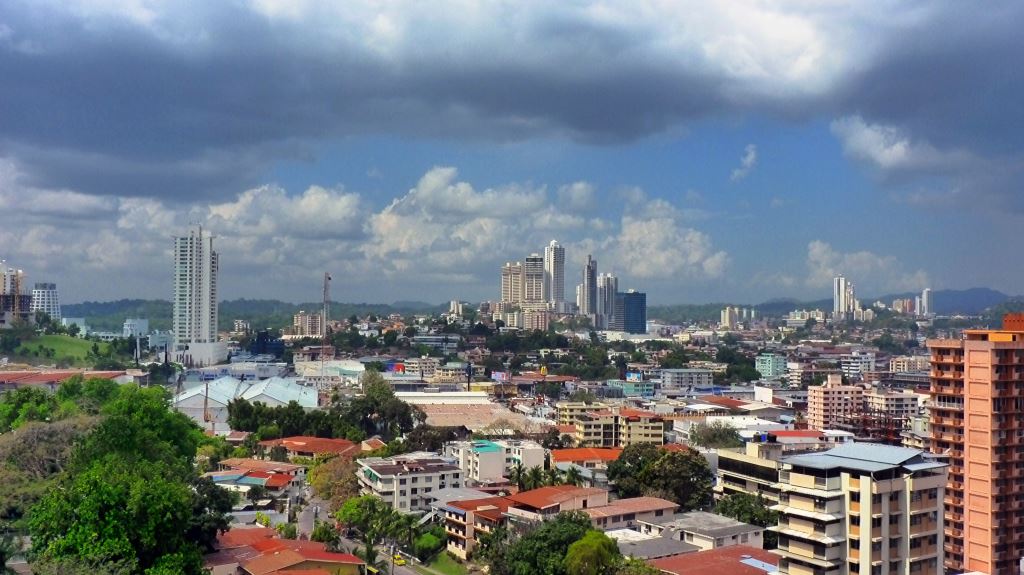
The second-largest city in Panama, only a few hours drive from the canal country's capital; Colon, which owes its name to its discoverer, Christopher Columbus, is today the most active and dynamic port in Panama. Its frenetic activity is a key factor in the country's economy and, during the last 20 years, both commercial and passenger traffic has undergone exponential growth. Colon is, generally speaking, the major import-export gateway in Panama, thus making it one of the cornerstones of the national economy.
It is located at one end of the canal, on the Caribbean side, and is clearly a nerve centre for the entire Panama canal because, as the local sailors say, "whether on your way in or on your way out, you have to pass through Colon, and you have to pay the toll".
Its geographically and commercially strategic position has been decisive for this city which, since 1953, has had free-port status. Its business activities, carried out everywhere from stalls and to hypermarkets, are surely one of the city's principal attractions.
The city is relatively young. It was founded in 1850, by the Americans working on the famous Panama railway. In fact, it was first called Aspinwall, from the name of one of its founders. But this name only lasted a few years, because one of the Spanish residents, a Castilian elected as a representative of the inhabitants, was authorised by his fellow citizens to change the name of the city to Colon, in honour of Christopher Columbus. Here, the story becomes less clear. The Genoese claim that their city was the birthplace of the great navigator, while in Panama, people are convinced that Columbus was Spanish.
It is, in any case, certain that Columbus passed this way. The description of the bay made by the navigator in one of his few surviving travel documents seems to be a clear reference to the Bay of Colon and to the mouth of the canal.
With the passing of time, more and more has been discovered about the curious origins of the city. For example, the fact that its founders, and therefore its first inhabitants, were primarily adventurers who, having set out in search of gold in California, ended up becoming miners and railway workers, contributing to the rapid development of the city which, within only a few decades, had a railway station, a hotel, various services and a small but extremely active port.
From these relatively humble beginnings, Colon became the port it is today, with three different harbour areas, each of which developed at different periods of time and which, taken together, make the port what is probably the wealthiest in the Caribbean.
The city's life has not been without difficulty. The coastline back in 1850, during the period when the city was being founded, was certainly not as we see it today. The first people to live here were decimated by malaria and yellow fever, which thrived along the coast and in the surrounding marshes.
Today, the Panamanian government is committed to creating a very clear and interesting tourist image for its country, "more than just a canal", as the slogan says. And, it is true. Colon, with its markets, its multi-coloured houses, its little churches and its constantly bustling life, between the port and the city's lanes and passageways, is an extremely musical and very interesting city.
And what's more, Colon is always blessed by the climate and the ocean currents which, because of various meteorological factors, have never generated here any of the hurricanes for which the Caribbean area is known.
And then there is the fascinating fact that here, only a few kilometres sailing distance apart, lie, almost face-to-face, two of the world's oceans. Something which does not occur anywhere else in the world.
Puerto Limon, Costa Rica
At sea
Isla de Roatan, Honduras
The island of Roatán was discovered by Christopher Columbus during his fourth voyage in 1502, but soon became an English colony and a favourite haunt of pirates, who found safe shelter at Port Royal (as the capital Roatán City, or Coxen's Hole, was then known). At the turn of the seventeenth century the Spanish estimated that the island harboured around 5,000 English buccaneers. During the second half of the eighteenth century, the British deported the indigenous Caribs of the island of St. Vincent to Roatán, where they mixed with former black slaves.
In 1859 the island became part of Honduras and adopted Spanish as its official language. Roatán's population is thus composed of the descendents of the early settlers and pirates, descendents of the black slave population and Honduran Amerindians. Consequently, the somatic traits of its inhabitants are surprisingly mixed and the population features various types of people.
Situated 50 km from the northern coast of Honduras, Roatán has an area of 300 km2 and a population of approximately 7000. It is the largest of the Islas de la Bahia, an archipelago that also includes the islands of Guanaja and Utila and is the continuation of the Belize Barrier Reef. The long, narrow island of Roatán is around 50 km in length, although its maximum width is just 5 km, making it possible to see both the island's northern and southern coasts in some spots. The road network is still fairly new and indeed the island has just one surfaced road running from west to east, whilst the intersecting roads are actually just dirt tracks.
It rains frequently and the island has an average of 20 days of rain each month. The driest months are January and February. As a consequence of the abundant rainfall, Roatán is covered with masses of luxuriant vegetation with lush woods and forests. The rain has also favoured agricultural activity, most notably the cultivation of bananas, but also sugarcane and various precious woods.
Roatán City, located on the southeastern coast, is the island's capital and has a population of approximately 4,000. It is within easy reach of the best beaches such as Flowers Bay, French Harbour and Brick Bay, as well as the splendid and world-famous West Bay Beach. The waters around the island are simply spectacular and snorkelling and diving are among the favourite activities of visitors. The sea is teeming with tropical fish, various species of coral and sponges. Tropical groupers can be encountered by divers in the area known as Peter's Place. The wealth of marine fauna has also enabled the development of a fishing industry, which exports mainly prawns and lobster.
The village of Oak Ridge is another very interesting spot and is surrounded by canals with mangroves, a fishing port and colourful pile-dwellings. Here one can admire the remains of the British fortifications once visited by the admiral of the Royal Navy, Lord Nelson.
In addition to the typical, brightly coloured Caribbean garments, local crafts include pottery and various objects produced from wood, especially mahogany, which is used for sculptures, furnishings and cutlery. The local shops also sell plenty of cigars and interwoven wooden items.
Belize City, Belize
At sea
Miami, United States
With a population of around 360,000, but almost 5 million in the entire urban area, Miami is Florida's most heavily populated city. It began to expand in 1896 when railway reached the city and Miami became a municipality. The pleasant climate and idyllic landscapes with numerous kilometres of beach propelled the city towards its first economic boom in the 1930s, although even greater development was to take place in the '50s.
Thanks to the mild climate, particularly in the winter when the majority of major cities on the East Coast of the US are at freezing point, Miami quickly carved out a role for itself in the tourism industry.
The city is also strategically located opposite the Caribbean and just 145km from Cuba: heavy Cuban immigration has consequently helped shape the identity of Miami in terms of culture and language. Indeed half of the city's population is now of Hispanic origin.
The city is divided into distinct neighbourhoods, some of which have separate and independent local governments, such as Miami Beach. Biscayne Boulevard is the main attraction in the area around the port and is flanked by large parks such as Bayfront Park and the Bicentennial Park; to the south of the port lies the financial district.
In downtown Miami, Flager Street is where to head to do a bit of shopping in the department stores and clothes, electronics, sports and jewellery shops. In the Metro Dade Center you can visit the Museum of Southern Florida, the city's main library, and the Museum of Fine Arts, which holds temporary modern art exhibitions. Coconut Grove is Miami's oldest district and has become, over time, an exclusive and refined residential area. Here you will find the local government offices, City Hall's home is an ex-1930s hangar. Other places of note in the neighbourhood include Peacock Park and the Dinner Key, Miami's tourist port.
Little Havana is the Cuban district characterised by an almost Caribbean atmosphere where Spanish is spoken more readily than English. The main road Calle Ocho runs through the district, which is lined with shops and cafés, whilst other places of interest include the Museum of the Cuban Arts and Culture, the Museum of Science and the Máximo Gómez Park.
Six kilometres to the east of Miami is Miami Beach, an island comprising a long, thin strip of sand connected to the mainland by a system of bridges. The southern end of Miami Beach is called South Beach and it is here that the city's recent rebirth began.
Miami's image had been tarnished in the '80s by heavy crime, racial violence, and the drugs and gambling culture that has been synonymous with the city since the 1930s when it was one of the few places in the States untouched by Prohibition.
The Art Deco Historic District, built up in the 1920s and noted for its pastel, rose, lavender and turquoise colour houses, has recently been restored and represents an excellent example of the urban restoration of modern architecture, attracting thousands of tourists each year. But Miami Beach also means the seafront and the famous Ocean Drive that separates the beach from the infinite numbers of bars and restaurants. An never-ending parade of bizarre cars, roller-skaters, skateboarders, and super-accessorised Harley Davidsons ensure that visitors remain amused.
As with the rest of the culture in Florida, food and drink in Miami has a heavy Cuban and Caribbean influence: the fish and seafood caught in the Atlantic and the Gulf of Mexico form the base of the most popular dishes.
Florida is also known for its large-scale production of fruit and vegetables, and is one of the biggest producers in the States.
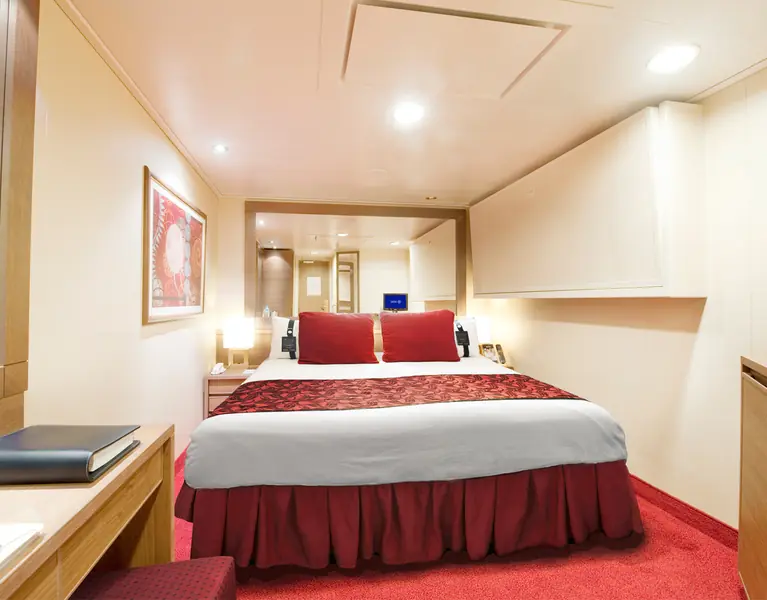
Available cabins for Sun. 22.11. - Thu. 03.12.2026.




MSC POESIA

Balconies to the world
MSC Poesia is an innovative cruise ship with an elegant style that brings traditional craftsmanship to creative designs.
Step aboard and you’ll enter a refined world of comfort. Whether your reason for being on board is a family holiday, a luxury treat or a romantic escape, MSC Poesia is a ship that offers a truly inspiring cruise experience.