

MSC LIRICA: Cruise from Venice to Egypt and Crete
1 available date
Itinerary
Set out on a grand eastern Mediterranean voyage aboard MSC Lirica linking four countries. From romantic Venice, the route continues to Katakolon, gateway to ancient Olympia, Minoan Crete and Heraklion, Egyptian Port Said along the Suez Canal, and Alexandria with its rich ancient history, before returning via Dalmatian Split. Elegance and intimate lounges make MSC Lirica a perfect choice for a journey through history and cultures.
-
 BELLA EXPERIENCE BENEFITS×Bella Experience Benefits: Guaranteed cabin (cabin N° confirmed at least 4 days prior to departure) Cruise changes for a fee (applicable either on the cruise dates or on the destination. Must be performed up to 30 calendar days before departure, for a new cruise to sail within 90 calendar days from the original departure) Full board available in buffet and main restaurant Discounted drink package option at the time the cruise is booked Free continental breakfast in cabin (delivery for a fee) Broadway-style theater shows Pool area Kids club and activities Fitness center free access (from 14 years Booking Terms and Conditions apply) Sport facilities Entertainment activities MSC for Me app (where available) MSC Voyagers Club points.
Venice (Marghera)
Venice, located in the lagoon of the northern Adriatic, has a history spanning more than a thousand years. Founded in the 5th century as a refuge from barbarian invasions, it developed into a powerful maritime Republic that controlled trade routes between the East and the West.
The city is known for its unique system of canals and bridges, as well as impressive landmarks such as St. Mark's Basilica and the Doge's Palace, which testify to Venice's wealth and historical importance. One of the most notable monuments is the Basilica of Santa Maria della Salute, built after a plague epidemic as a symbol of gratitude and faith.
Venice is also home to the famous Carnival, whose tradition dates back to the 11th century. The carnival is renowned for its masks, which erase social boundaries and create a magical atmosphere in the city streets.
Despite modern challenges such as overtourism and flooding, Venice remains a unique city – a symbol of history, culture, art, and unforgettable charm.


At sea


Katakolon (Olympia), Greece
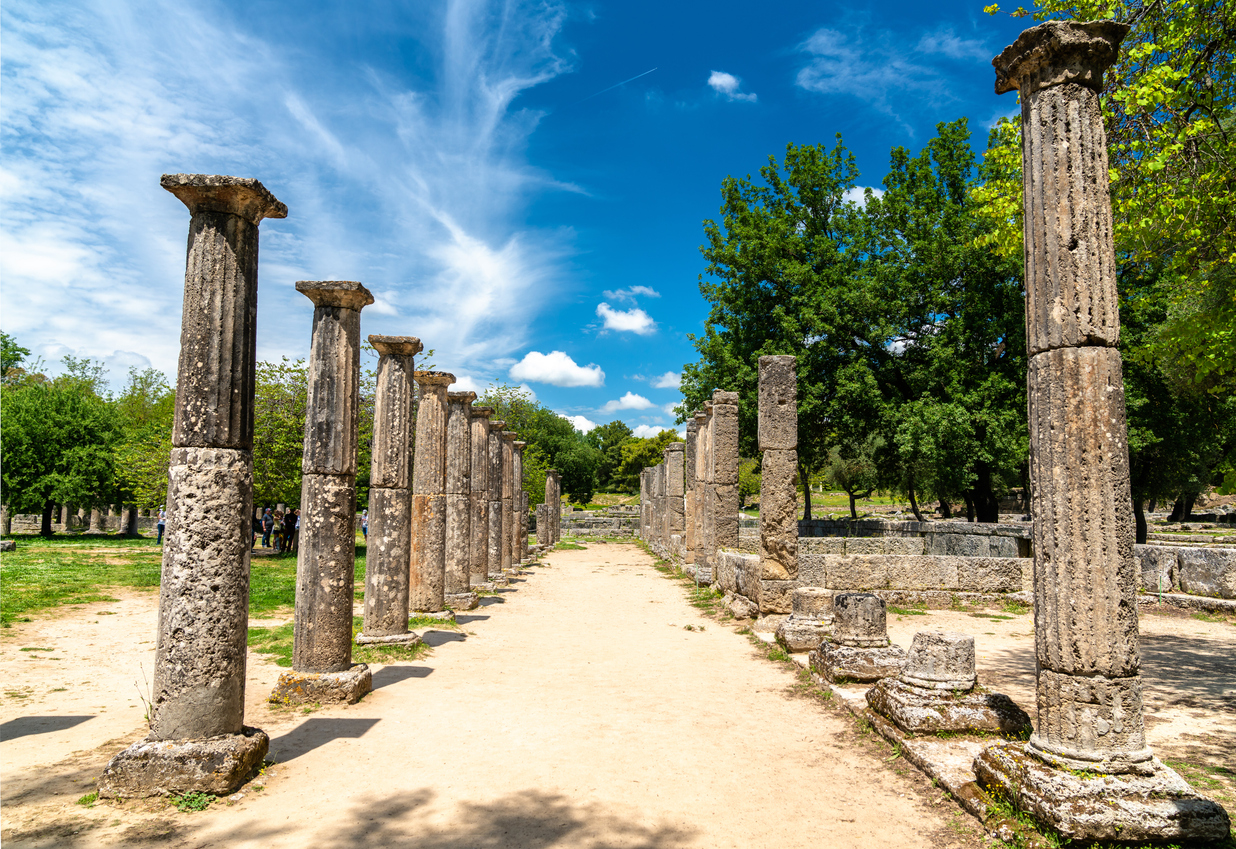
On the western coast of the Peloponnese, along the blue shores of the Ionian Sea, lies Katakolon – a small but charming port town that serves as an ideal starting point for visiting ancient Olympia, the birthplace of the Olympic Games and one of Greece’s most important archaeological sites.
Although Katakolon is known as a cruise port, the town retains an authentic, relaxed atmosphere typical of Greek seaside villages. Narrow streets, small tavernas serving homemade food, and a mild Mediterranean climate make it a perfect place to rest before or after exploring the historic landmarks.
Nearby, ancient Olympia delights visitors with its impressive ruins, including the remains of the Temple of Zeus, the original stadium, and an archaeological museum housing valuable exhibits. It is a place where history is felt in every stone and where the spirit of ancient Greece truly comes alive. Katakolon also offers relaxing seaside walks, small beaches suitable for swimming, and opportunities to explore the surrounding landscapes—from olive groves to hills with views over the Ionian Sea. The town is popular among those seeking peace as well as easy access to major attractions.
Katakolon is not a typical tourist hotspot; its appeal lies in the combination of history, nature, and authentic Greek charm that leaves a lasting impression.

Heraklion (Crete), Greece
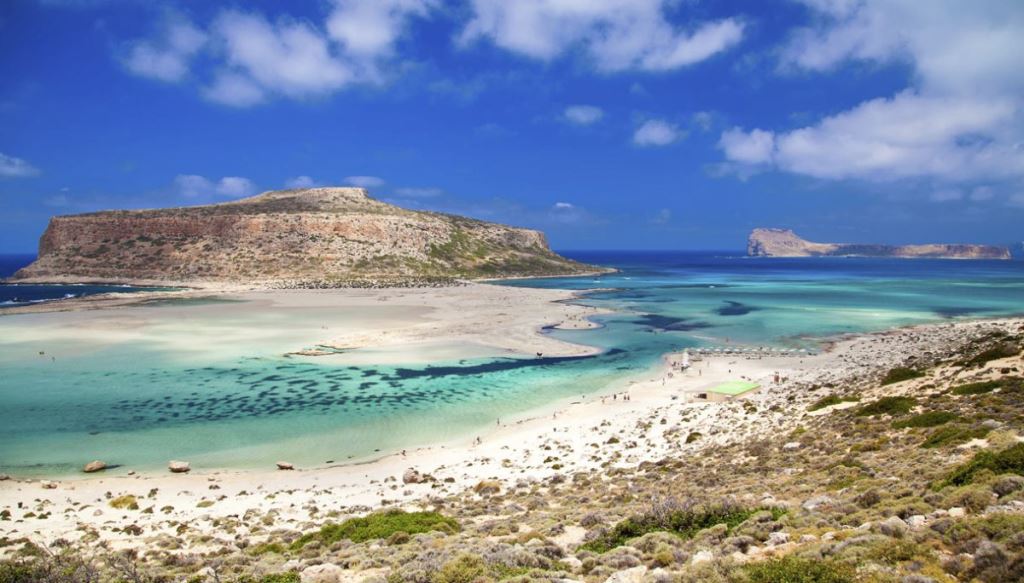
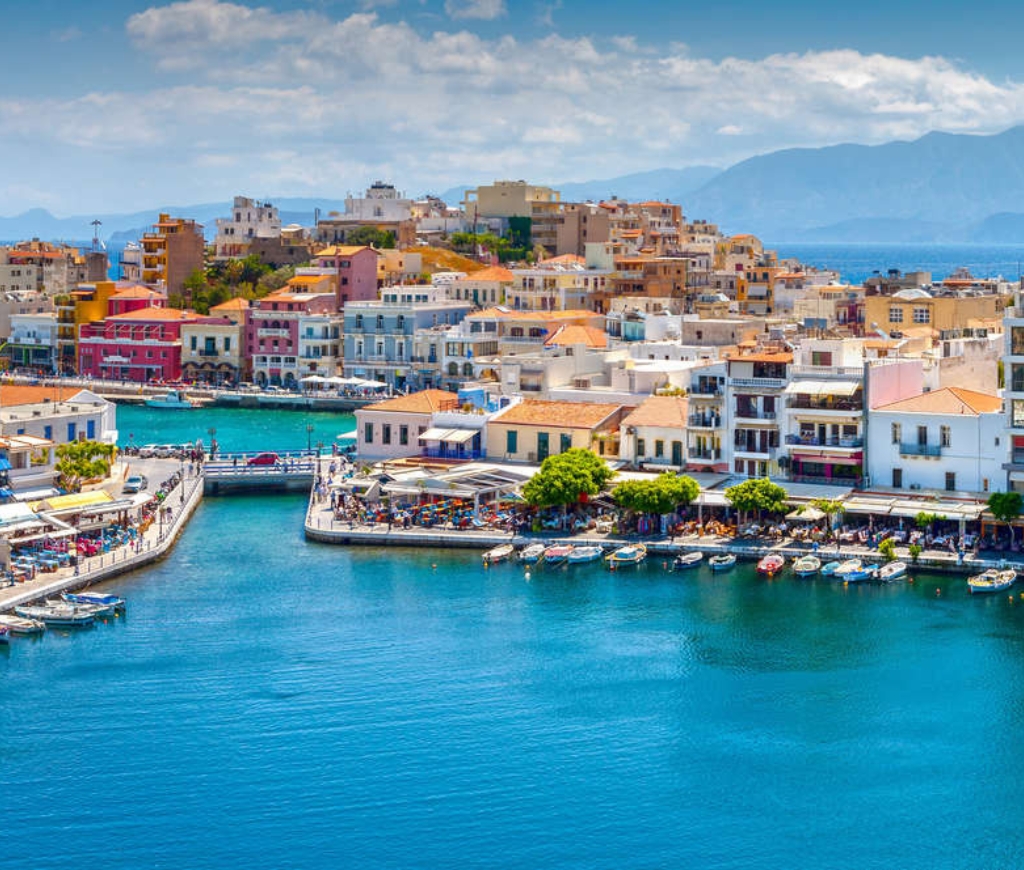
Heraklion is the capital and largest city of Crete, located on the northeastern coast of Greece’s largest island. This dynamic city is a blend of rich history, vibrant culture, and modern urban life, making it an essential destination for anyone wanting to experience the authentic Cretan atmosphere.
Heraklion is best known for its archaeological sites, especially the Palace of Knossos — one of the most significant historical landmarks in Crete, which served as the ceremonial and political center of the Minoan civilization and culture. In addition to its historical attractions, the city offers narrow streets in the old town, colorful markets such as the Morosini Market, traditional tavernas, and museums that tell the story of Crete’s rich past and heritage.
The port of Heraklion is lively and busy, surrounded by restaurants, cafés, and shops, while the seaside promenade provides an ideal setting for relaxing walks with views of the Aegean Sea. The city boasts an excellent culinary scene — from fresh seafood and local specialties to contemporary restaurants offering innovative dishes. Traditional music nights and local customs add a special charm to the experience.
Heraklion is also a great base for exploring the rest of Crete, whether you're interested in beaches, hiking, or visiting picturesque villages. The city successfully combines urban life with traditional charm, offering visitors the opportunity to experience the best of Crete — its history, nature, culture, and hospitality.
At sea
Port Said, Egypt
Port Said is a vibrant coastal city located in northern Egypt, at the northern entrance of the Suez Canal, where the Mediterranean Sea meets one of the world’s most important maritime routes. Port Said bears strong marks of its colonial past, maritime trade, and strategic significance, and today it stands out as an intriguing destination for travelers seeking to discover lesser-known, yet authentic parts of Egypt.
The city is known for its unique colonial-era architecture, and a walk along the Corniche promenade offers visitors beautiful sea views, the chance to watch ships entering and exiting the canal, and to experience the lively rhythm of a city that blends tradition with modernity.
Among the main attractions are the Maritime Museum, which presents the history of the Suez Canal, the Ferdinand de Lesseps Monument, as well as many local markets where visitors can buy spices, textiles, handicrafts, and souvenirs. The city also boasts several pleasant Mediterranean beaches — perfect for a short break and to enjoy local seafood specialties.
Port Said is also well known for its duty-free zone, making it a popular spot for shopping. The city has a relaxed atmosphere and is ideal for walking, boat rides along the canal, or a short ferry trip to Port Fuad, located on the opposite side of the Suez Canal.

Alexandria, Egypt
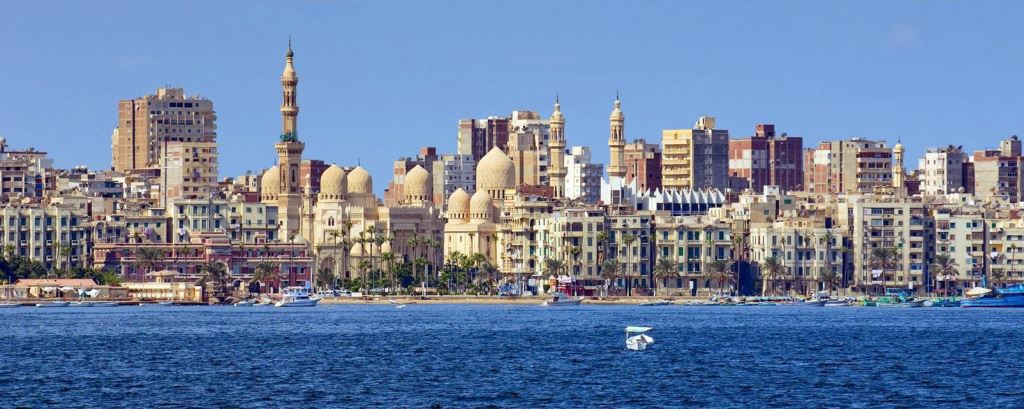
Alexandria is a magnificent coastal city located in northern Egypt, along the Mediterranean Sea. Founded in the 4th century BC by Alexander the Great, Alexandria was for centuries a center of knowledge, culture, and trade. Its rich history and cosmopolitan spirit are still evident at every turn.
The city is renowned for its historical landmarks, such as the Citadel of Qaitbay, built on the site of the ancient Lighthouse of Alexandria — one of the Seven Wonders of the Ancient World. Other highlights include the Library of Alexandria, a modern interpretation of the legendary ancient library, and the Roman Amphitheatre, a unique example of ancient architecture in Egypt. A walk along the spacious Corniche promenade offers stunning sea views, while the city’s neighborhoods reflect a blend of European, Oriental, and modern influences that have intertwined over the centuries.
Alexandria is also known for its rich cultural and culinary offerings. The city is full of cafés, seafood restaurants, and local markets serving Mediterranean and Arabic-inspired delicacies. Many visitors are drawn by its relaxing atmosphere — Alexandria is ideal for long strolls, cultural exploration, and enjoying the seaside ambiance.
Thanks to its location and history, Alexandria is a must-visit destination for anyone looking to gain a deeper understanding of Egyptian culture beyond the well-known pharaonic temples and desert landscapes. It is a city that seamlessly blends past and present, the calm of the sea and the energy of daily urban life — a perfect destination for curious travelers in search of an authentic experience.
At sea
At sea
Split, Croatia
Located on the Dalmatian coast of the Adriatic Sea, Split is a city where history and modern life blend into a unique Mediterranean story. Around the core of the ancient palace of Emperor Diocletian — which still forms the heart of the city — a vibrant urban center has evolved, where stone streets echo with the voices of locals, the sounds of music, and the aromas of Dalmatian cuisine.
Diocletian’s Palace is not just a monument – it’s a living city: home to cafés, shops, residences, and small taverns, with narrow alleyways that reveal details bearing witness to centuries of history. Along the seafront stretches the Riva – the city’s promenade and open-air living room, where people sip coffee, meet friends, and gaze out at the nearby islands.
Split is also a cultural hub – with numerous museums, galleries, theaters, and events throughout the year, as well as a place of vibrant nightlife, sports, and youthful energy. Its proximity to beaches like Bačvice, the pine-covered hill of Marjan with its walking trails, and the harbor offering ferries to islands such as Hvar, Brač, and Vis makes it an ideal base for exploring the Dalmatian coast.
Split is not just a destination – it’s a feeling. A place where history isn’t kept behind glass, but lived every day. A city of stone, sea, and spirit – not easily forgotten.

Venice (Marghera)
Venice, located in the lagoon of the northern Adriatic, has a history spanning more than a thousand years. Founded in the 5th century as a refuge from barbarian invasions, it developed into a powerful maritime Republic that controlled trade routes between the East and the West.
The city is known for its unique system of canals and bridges, as well as impressive landmarks such as St. Mark's Basilica and the Doge's Palace, which testify to Venice's wealth and historical importance. One of the most notable monuments is the Basilica of Santa Maria della Salute, built after a plague epidemic as a symbol of gratitude and faith.
Venice is also home to the famous Carnival, whose tradition dates back to the 11th century. The carnival is renowned for its masks, which erase social boundaries and create a magical atmosphere in the city streets.
Despite modern challenges such as overtourism and flooding, Venice remains a unique city – a symbol of history, culture, art, and unforgettable charm.
Available cabins for Mon. 07.12. - Thu. 17.12.2026.

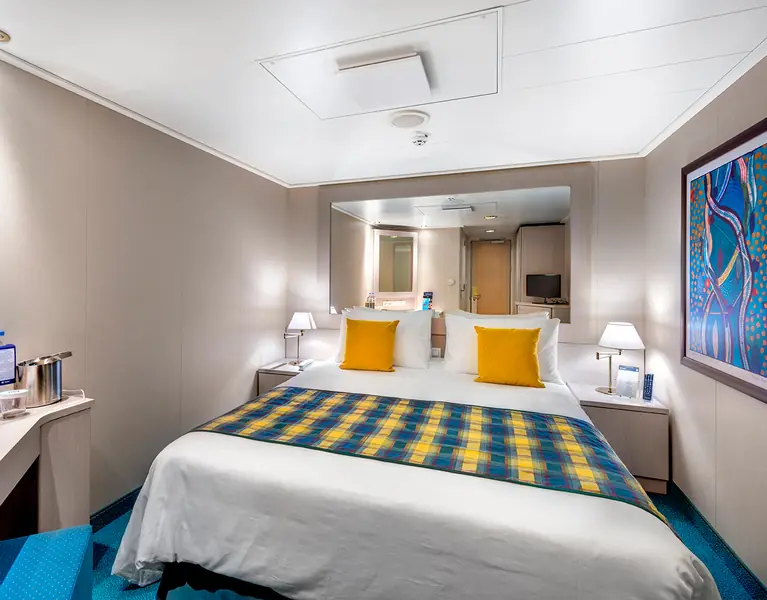


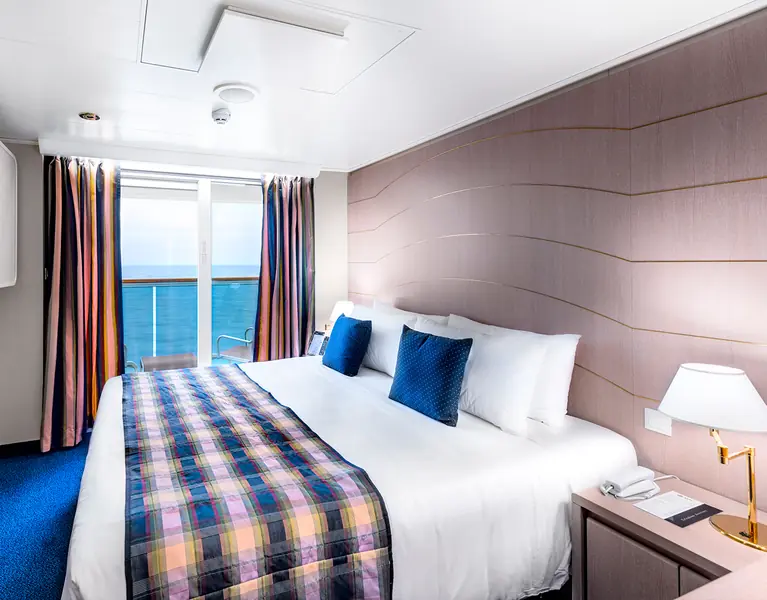
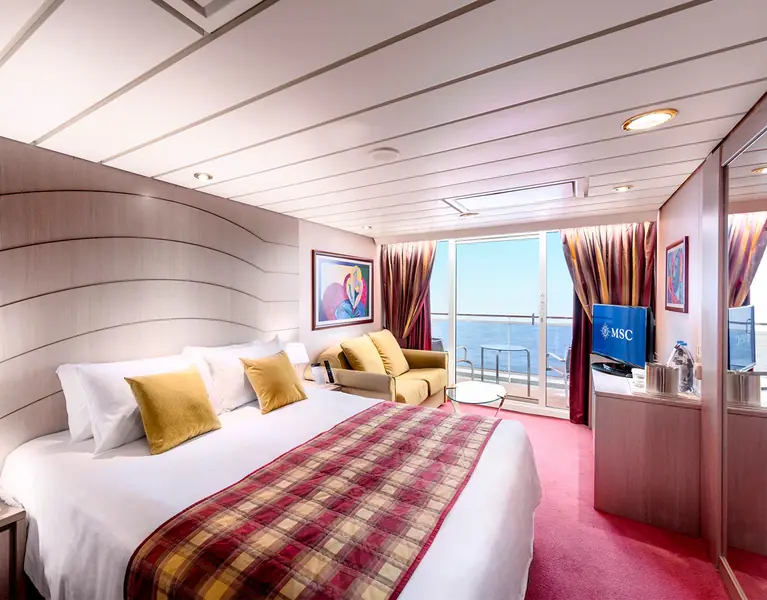


MSC LIRICA

Exclusive destinations
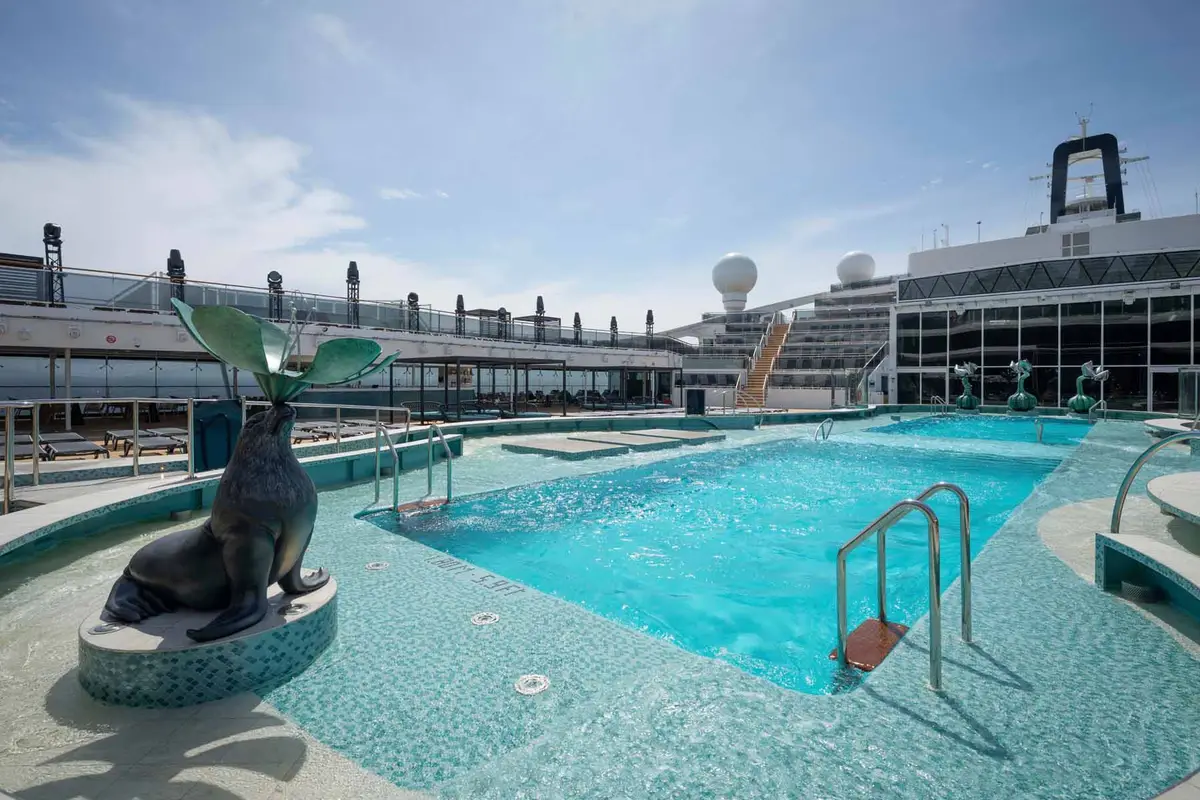
MSC Lirica brings you a distinctive cruise experience centred on elegance, comfort and hospitality in the finest MSC Cruises tradition. Magnificent internal vistas from the foyer and unimpeded ocean views from the lounges’ floor-to-ceiling windows contribute to a sense of relaxed spaciousness, which is complemented by a variety of intimate lounges.