

Costa Serena: YOK - TYO - YOK11A03
1 available date
Itinerary
Yokohama (Tokyo), Japan
Around the time of the Black Ships, Yokohama was home to barely 600 people.
A century-and-a-half later, it’s Japan‘s second metropolis, with a breezy atmosphere, fine food, parks and historic districts, and loads of shopping. Unlike most Japanese cities, it’s also a city of distinct neighbourhoods, including Chinatown, the historic Motomachi and Yamate districts, and the new seaside development of Minato Mirai 21. For most of history, Yokohama was an unnoticed fishing village near a rest stop called Kanagawa on the Tōkaidō. Its fate changed abruptly in 1853–54, when the American fleet under Commodore Matthew Perry arrived off the coast to persuade Japan to open to foreign trade; in 1858 this little village was designated an international port. Westerners were first relegated to an area within a moat in a district called Kannai (‘inside the barrier’) but later began to own property up the mountainside (Yamate).
A Chinese community burgeoned as well, and the city expanded on reclaimed land, eventually encompassing the original Kanagawa rest stop. Although Yokohama is unquestionably Japanese, foreign influence is in its blood. Among Yokohama’s firsts-in-Japan: daily newspaper, gaslamps and train terminus (connected to Shimbashi, in Tokyo).
The Great Kantō Earthquake of 1923 destroyed much of the city, with the rubble used to reclaim more land, including Yamashita Kōen. The city was devastated yet again in WWII air raids; After Japan's defeat on August 15th, 1945, 90 percent of port facilities and 27 percent of the city was taken over by the allied forces. Due to this requisition, Yokohama's adjustment and recuperation fell behind that of other cities. However, in 1951(Showa 26), Japan regained independence after the peace treaty was signed.
On June 1st, 1951 (Showa 26) the administration of Yokohama was transferred to the city municipality from the national government. Furthermore, in 1952 (Showa 27), citizens' efforts finally paid off when Osanbashi Pier was released from requisition and returned to the Japanese. occupation forces were initially based here but later moved down the coast to Yokosuka. The late 20th century saw redevelopment of the harbour area, including some fancy skyscrapers, and in 2002 Yokohama hosted the finals of the FIFA World Cup.

Kobe, Japan
Kobe is the capital city of Hyogo Prefecture and a prominent port city in Japan with a population of about 1.4 million. The city is located in the Kansai region of Japan and is part of the Keihanshin metropolitan area. Kobe is classified as one of Japan's seventeen designated cities.
Originally known by the name Owada Anchorage, earliest written records regarding the region come from the Nihon Shoki, which describes the founding of the Ikuta Shrine by Empress Jingu in 201 A.D. For most of its history the area was never a single political entity, even during the Tokugawa Period, when the port was controlled directly by the Tokugawa Shogunate. Kobe did not exist in its current form until its founding in 1889. Its name comes from "kanbe", an archaic title for supporters of the city's Ikuta Shrine.
Kobe was one of the first cities to open for trade with the West following the end of the policy of seclusion and has since been known as a cosmopolitan port city. While the 1995 Great Hanshin Earthquake diminished much of Kobe's prominence as a port city, it remains Japan's fourth busiest container port. Companies headquartered in Kobe include ASICS, Kawasaki Heavy Industries, and Kobe Steel, as well as over 100 international corporations with Asia or Japan headquarters in the city such as Procter & Gamble and Nestlé. As of September 2007, Kobe has a population of 1,530,295 making up 658,876 households. The population density is approximately 2,768 persons per square kilometer. About thirteen percent of the population is between the ages of 0 and 14, sixty-seven percent are between 15 and 64, and twenty percent are over the age of 65.Approximately 44,000 registered foreign nationals live in Kobe.
The four most common nationalities are Korean (22,237), Chinese (12,516), Vietnamese (1,301), and American (1,280).Kobe is both an important port and manufacturing center within the Hanshin Industrial Region. Kobe is the busiest container port in the region, surpassing even Osaka, and the fourth busiest in Japan.As of 2004, the city's total real GDP was ¥6.3 trillion, which amounts to thirty-four percent of the GDP for Hyogo Prefecture and approximately eight percent for the whole Kansai region. Per capita income for the year was approximately ¥2.7 million. Broken down by sector, about one percent of those employed work in the primary sector (agriculture, fishing and mining), twenty-one percent work in the secondary sector (manufacturing and industry), and seventy-eight percent work in the service sector.The value of manufactured goods produced and exported from Kobe for 2004 was ¥2.5 trillion. The four largest sectors in terms of value of goods produced are small appliances, food products, transportation equipment, and communication equipment making up over fifty percent of Kobe's manufactured goods.
In terms of numbers of employees, food products, small appliances, and transportation equipment make up the three largest sectors.Kobe is famous for its Kobe beef and Arima Onsen (hot springs), while notable buildings include the Ikuta Shrine as well as the Kobe Port Tower. It is well known for the night view of the city, from the mountains (like Mount Rokko, Mount Maya and so on) as well as the coast. Kobe is also known for having a somewhat exotic atmosphere by Japanese standards, which is mainly a result of its history as a port city.The city is also widely associated with cosmopolitanism and fashion, encapsulated in the Japanese phrase, "If you can't go to Paris, go to Kobe."
The biannual fashion event Kobe Collection is held in Kobe. The jazz festival "Kobe Jazz Street" has been held every October at jazz clubs and hotels since 1981.Kobe is the site of Japan's first golf course, Kobe Golf Club, established by Arthur Hasketh Groom in 1903, and Japan's first mosque, Kobe Mosque, built in 1935. The city also hosts the Kobe Regatta & Athletic Club, founded in 1870 by Alexander Cameron Sim, a prominent foreign cemetery, and a number of Western-style residences from the 19th century.Most of the 1957 romantic drama Sayonara takes place in Kobe.
Kobe is also the setting of the Studio Ghibli film Grave of the Fireflies.

Kobe, Japan
Kobe is the capital city of Hyogo Prefecture and a prominent port city in Japan with a population of about 1.4 million. The city is located in the Kansai region of Japan and is part of the Keihanshin metropolitan area. Kobe is classified as one of Japan's seventeen designated cities.
Originally known by the name Owada Anchorage, earliest written records regarding the region come from the Nihon Shoki, which describes the founding of the Ikuta Shrine by Empress Jingu in 201 A.D. For most of its history the area was never a single political entity, even during the Tokugawa Period, when the port was controlled directly by the Tokugawa Shogunate. Kobe did not exist in its current form until its founding in 1889. Its name comes from "kanbe", an archaic title for supporters of the city's Ikuta Shrine.
Kobe was one of the first cities to open for trade with the West following the end of the policy of seclusion and has since been known as a cosmopolitan port city. While the 1995 Great Hanshin Earthquake diminished much of Kobe's prominence as a port city, it remains Japan's fourth busiest container port. Companies headquartered in Kobe include ASICS, Kawasaki Heavy Industries, and Kobe Steel, as well as over 100 international corporations with Asia or Japan headquarters in the city such as Procter & Gamble and Nestlé. As of September 2007, Kobe has a population of 1,530,295 making up 658,876 households. The population density is approximately 2,768 persons per square kilometer. About thirteen percent of the population is between the ages of 0 and 14, sixty-seven percent are between 15 and 64, and twenty percent are over the age of 65.Approximately 44,000 registered foreign nationals live in Kobe.
The four most common nationalities are Korean (22,237), Chinese (12,516), Vietnamese (1,301), and American (1,280).Kobe is both an important port and manufacturing center within the Hanshin Industrial Region. Kobe is the busiest container port in the region, surpassing even Osaka, and the fourth busiest in Japan.As of 2004, the city's total real GDP was ¥6.3 trillion, which amounts to thirty-four percent of the GDP for Hyogo Prefecture and approximately eight percent for the whole Kansai region. Per capita income for the year was approximately ¥2.7 million. Broken down by sector, about one percent of those employed work in the primary sector (agriculture, fishing and mining), twenty-one percent work in the secondary sector (manufacturing and industry), and seventy-eight percent work in the service sector.The value of manufactured goods produced and exported from Kobe for 2004 was ¥2.5 trillion. The four largest sectors in terms of value of goods produced are small appliances, food products, transportation equipment, and communication equipment making up over fifty percent of Kobe's manufactured goods.
In terms of numbers of employees, food products, small appliances, and transportation equipment make up the three largest sectors.Kobe is famous for its Kobe beef and Arima Onsen (hot springs), while notable buildings include the Ikuta Shrine as well as the Kobe Port Tower. It is well known for the night view of the city, from the mountains (like Mount Rokko, Mount Maya and so on) as well as the coast. Kobe is also known for having a somewhat exotic atmosphere by Japanese standards, which is mainly a result of its history as a port city.The city is also widely associated with cosmopolitanism and fashion, encapsulated in the Japanese phrase, "If you can't go to Paris, go to Kobe."
The biannual fashion event Kobe Collection is held in Kobe. The jazz festival "Kobe Jazz Street" has been held every October at jazz clubs and hotels since 1981.Kobe is the site of Japan's first golf course, Kobe Golf Club, established by Arthur Hasketh Groom in 1903, and Japan's first mosque, Kobe Mosque, built in 1935. The city also hosts the Kobe Regatta & Athletic Club, founded in 1870 by Alexander Cameron Sim, a prominent foreign cemetery, and a number of Western-style residences from the 19th century.Most of the 1957 romantic drama Sayonara takes place in Kobe.
Kobe is also the setting of the Studio Ghibli film Grave of the Fireflies.
Kochi, Japan
Kochi, Japan
Bay of Kagoshima
Kagoshima
Kyushu's southernmost prefecture contains the city of Kagoshima, overlooked by the majestic volcano of Sakurajima across the bay. Having earned a reputation as "the foremost metropolis of the south, full of graceful refinement and passionate vigor," Kagoshima is a forward-looking international tourist destination. Its proximity to the Asian mainland and to the islands of the southern seas led Kagoshima to engage in early trade with the world, through the Ryukyu Islands.
In addition, it served as an essential gateway the reception of continental and western European culture. As early as the mid-16th century, Francisco Xavier arrived here to become the first person to introduce Christianity to Japan. In the mid-19th century, Kagoshima imported spinning machines from England and established the first Western-style spinning mill in Japan. Thus the shores of this area became the source of modern industrial civilization in our country. Moreover, at the dawn of Japan's modern age, it was Kagoshima that produced the major heroes of the Meiji Restoration, in such stalwart figures as Saigo Takamori, Okubo Toshimichi and many other talented individuals.
In addition to Kagoshima's tremendous wealth of history and culture, it is also greatly blessed by nature. The majestic symbol of the area, Sakurajima, stands in direct view of the city, above the beautiful waters of Kinko Bay. The city streets are surrounded by green belts showing off colorful flowers and luscious greenery. The gentle warmth of the ubiquitous hot springs in the entire area also symbolizes the kind and compassionate nature of the people of Kagoshima. Kagoshima Prefecture is located on the southern tip of Kyushu, the most southwestern of Japan's four main islands, and has a total area of 9187 sq km. Kysushu consists of two major peninsulas, Satsuma and Osumi, and many small islands, 145 of which are over 100m wide and only 27 of which are inhabited. It is close to China, Korea and other South-East Asian nations. Its vast territory extends 590km from north to south, from 27º 01' N to 32º 18'N latitude, and 272km east to west, from 128º 24' E to 131º 12' E longitude. Numerous small mountain ranges and streams with small flatlands typify Kagoshima's topography.
Kagoshima's most prominent characteristic is its picturesque coastline, which is a surprising 2643km long. Kagoshima Prefecture, one of the 47 prefectures which comprise the administrative divisions of Japan, is made up of 49 municipalities, 17 cities, 28 towns, and 4 villages. The Kagoshima Prefecture, which spans 600 kilometers from north to south, is blessed with a mild climate and the rich and diverse natural beauty of unique islands such as Yakushima (a Natural World Heritage Site), volcanoes such as Sakurajima, lush forests and an abundance of hot springs. It also has many interesting tourism resources for history and culture, making Kagoshima one of Japan 's most well known tourist destinations. Kagoshima Prefecture produces ample agricultural and fishery products of excellent quality. The food processing industry, which uses these products, now serves the role of major food supplier for the rest of Japan .
The integration of electronic-related industries and advanced technology has been promoted in and around the Kokubu-Hayato region. Additionally, Kagoshima is the only prefecture in Japan that has space exploration and rocket launching facilities, the accumulated product of modern scientific endeavor. Kagoshima Prefecture is full of great potential with its diverse natural environment, geography, unique history and culture, diverse industries and technologies and of course, its people. One of the highlights of Kagoshima is the Iso-teien Garden, laid out in 1660 by the Shimazu lord of the time. Note that it used the Sakurajima volcano as part of the scenery. Kagoshima has numerous museums, including the Shoko Shuseikan, next to the Iso Garden, which is housed in Japan's first factory.
There is also the City Art Museum, KagoshimaPrefectural Museum of Culture on the site of the former Tsurumaru-jo Castle, and the Kagoshima Prefectural Museum concentrating on science and natural history. Sakurajima is so active that eruptions of smoke and ash are almost as common as rain. The last major eruption was in 1914 (when the island became a peninsula from the large amount of lava that overflowed), followed by others in 1915, 1946, 1955 and 1960. Visitors are not allowed to ascend to the top of the volcano, but there are several good lookouts on its side and around, including Yunohira and Arimura.


Nagasaki, Japan
Nagasaki is the capital of the prefecture of the same name, situated on the island of Kyushu, the third largest island of the Japanese archipelago. The narrow strait of Shimonoseki separates it from Honshu. Kyushu is shaped like an irregular rectangle and features various areas of high ground reaching nearly 1800 meters including Mount Aso, the volcano.
The island's climate is characterized by abundant precipitation which encourages the growth of subtropical vegetation. The city of Nagasaki is in the middle of a long bay, the island's best natural port. The residential and commercial area of the city has been built on a small level area, whereas the metropolis of nearly half a million inhabitants extends along two main river valleys, divided by a rocky spur.
Nagasaki is famous throughout the world for having been the target of the American nuclear attack (together with Hiroshima) in August 1945, but its history goes much further back. Founded in the 16th century, to begin with Nagasaki was an insignificant port city. In 1549 the arrival of the Portuguese Jesuit missionary Francis Xavier gave rise to intense development involving western monks, Portuguese and Dutch merchants and local aristocrats. Little Nagasaki grew fast thanks to trade with China. Towards the end of the century, however, persecution of the Christian incomers started, and, on 5 February 1597, 26 of them were crucified. Oura Catholic church, built in 1865 by the French monk Bernard Petitjean, is dedicated to this massacre, and is therefore called the Church of the 26 Martyrs.
In 1614 Christianity was banned once and for all, and all priests were deported. It was only in the second half of the 19th century, when Nagasaki opened its port in1859, that Europeans returned in grand style. The construction of Oura Church is rightly considered the moment when Christianity was reborn in the whole of Japan. At the end of the century, under the Meiji government, the region began to develop substantial industries, with a special focus on ship-building. It was precisely the remarkable success of this development and the consequent industrial importance of Nagasaki which convinced the Americans to choose it as an atomic target. Today, Urakami, the centre of the explosion which happened at 11.02 on 9 August 1945, is a peaceful residential district.
It also houses the Atomic Bomb Museum which commemorates the tragic event. A black stone pillar in Hypocentre Park marks the exact site where the bomb ("Fat Man", as the American pilots who dropped it called it) exploded. The bomb, which was 2.34 metres long, 1.52 metres in diameter and weighed 4545 kilograms, exploded at a height of 550 metres. As Nagasaki was built in a hilly area, the number of deaths was lower than that caused by the first bomb on Hiroshima (6 August 1945). Approximately 40,000 people died at the time of the explosion and an estimated 25,000 were injured. Many thousands died subsequently as a result of the radiation. In the Peace Park, on a nearby hill, a statue nearly 10 metres high, made by the Japanese sculptor Seibou Kitamura, symbolizes a citizen of Nagasaki who wishes for peace and no more nuclear war. After the end of the Second World War, Nagasaki was rebuilt and is now very different from how it was before 1945. Temples and churches, including the Temple of Confucius and Urakami Cathedral, were restored and it is interesting to note that today Nagasaki has the highest percentage of Catholics of all the major Japanese cities.


Busan, Korea, Republic of
Busan, a bustling city of approximately 3.6 million residents, is located on the southeastern tip of the Korean peninsula.
The size of Busan is 765.64km² which is 0.8% of the whole land of the Korean Peninsula. The natural environment of Busan is a perfect example of harmony between mountains, rivers and sea. Its geography includes a coastline with superb beaches and scenic cliffs, mountains which provide excellent hiking and extraordinary views, and hot springs scattered throughout the city.
Busan enjoys four distinct seasons and a temperate climate that never gets too hot or too cold.
Busan is the second largest city in Korea. Its deep harbor and gentle tides have allowed it to grow into the largest container handling port in the country and the fifth largest in the world. In the coming years, capacity is set to grow further with the opening of the New Port. The city's natural endowments and rich history have resulted in Busan's increasing reputation as a world class city of tourism and culture, and it is also becoming renowned as an international convention destination.
Busan, a city of beautiful mountains, rivers and the sea, is also a important cultural city. With the Nakdong River bordering the city and superb natural scenery like Haeundae adding nationwide attraction, the city serves as a major nexus of cultural activities around the region. Also, Busan is the first international port city in Korea. Its location enables the city to serve as a main gateway for the Korean Peninsula and the entire Northeast Asian region.
Geographically, Busan has the Straits of Korea to its south; Ulsan to the north; Gimhae to the West. Cities that share almost the same latitude with Busan include Jinhae and Gwangju in Korea, as well as Tokyo, Jeongsen, Algiers and Oklahoma City abroad.
Busan is eight hours ahead of GMT. As for its geopolitical location, the city comes at the Southern tip of a strip that connects Asia, Siberia and Europe. It also serves as a main gateway to the Pacific Ocean.
This location places the city at the center of international sea transportation.
Busan is located at the southeastern most tip of the Korean peninsula and in the mid-latitude temperate zone, which has seasonal winds. It has four seasons: Spring, Summer, Fall and Winter. The annual average temperature is 15°C. The annual average precipitation is 2,397mm. Busan has strong winds compared to other areas in Korea. Spring begins in March and ends in late June. Cherry blossom trees bloom in late March. And the temperature is very comfortable in April, May and June. The rainy season at the end of June and July signals the beginning of the coming of the summer heat. The highest mean temperatures of around 32°C are at the end of July through mid-August. Fall is from early September through late-November.
The weather is nice and cool at this time because of the continental high atmospheric pressure. Winter starts by the end of November and continues until February. But Busan rarely has any snowfalls. The average winter temperature is 3.8°C. Tourists can enjoy Busan throughout all seasons because of the nice weather and beautiful scenery. In summer, the city is crowded with visitors who come to enjoy the beautiful beaches.
From its opening in 1876, the port city of Busan quickly developed into a hub of trade, commerce and industry. This development resulted in a rapid increase in its population, which had already reached 200,000 by 1936. A major leap in Busan's population came with the breakout of the Korean War, which resulted in an endless stream of people into the city. As a result, the population of Busan exceeded 1 million by the end of 1955. Another factor that spurred the population increase was the government policy for economic growth.
People from urban areas kept streaming into the city for jobs. By the end of 1994, there were approximately 4 million people who called Busan their home. Since 1995, the population has slowly begun to decrease. As of December 2006, Busan was home to 3,635,389 people.

Kanazawa, Japan
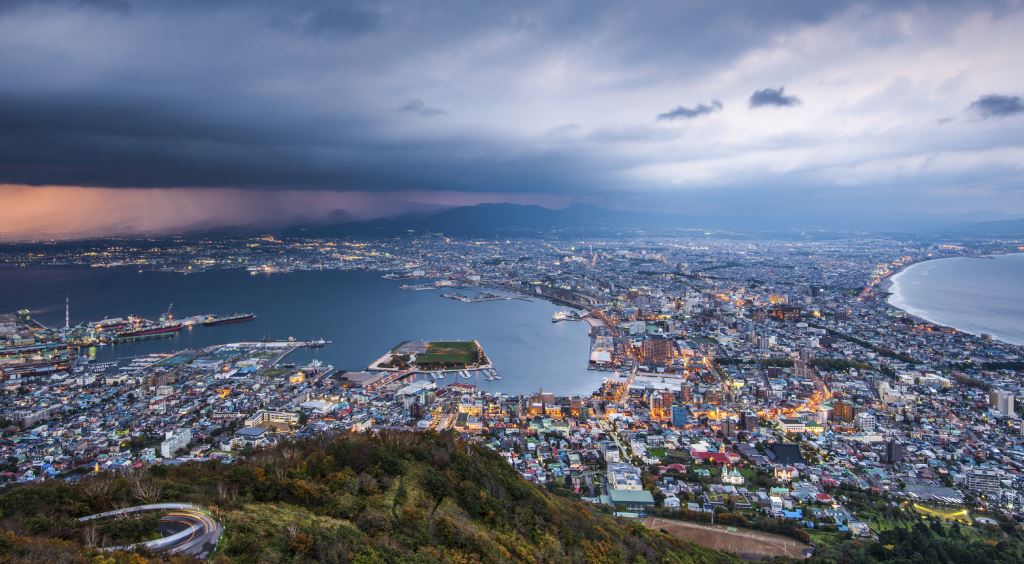
Hakodate, Japan
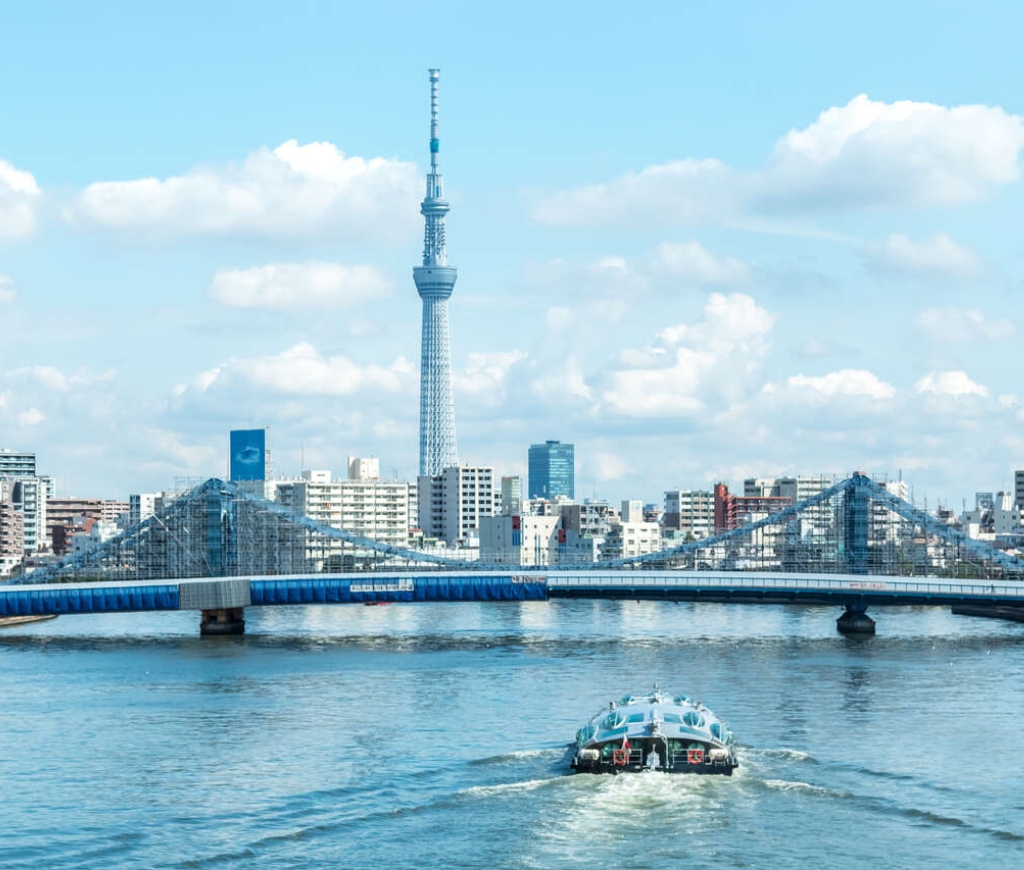
Tokyo, Japan
Available cabins for Wed. 07.10. - Sun. 18.10.2026.


Costa Serena
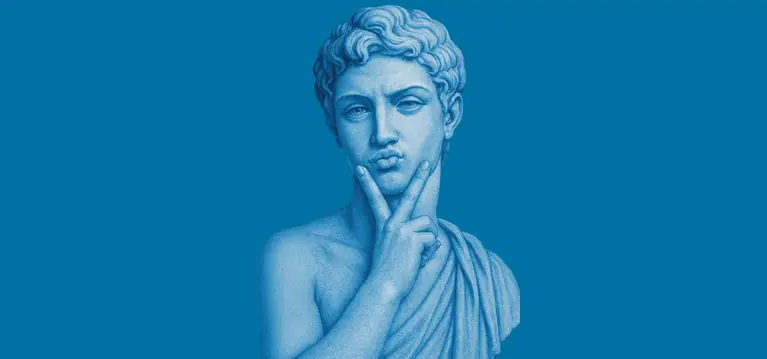
The Myth Goes POP.
Deities no longer reside on Mount Olympus: now they live onboard. Costa Serena is back, completely renovated, featuring an elegant, surprising, ironic and magnetic soul.
Every space is a set and you are the protagonist.
Lights, colours and spectacular environments create a refined atmosphere with a POP twist, where you never take yourself too seriously.
Costa Serena doesn't follow myths but reinvents them. An ode to wonder that stays with you. Would you like to experience something different?
Featured activities