
Costa Serena: TYO - SAC - TYO51A03
1 available date
Itinerary
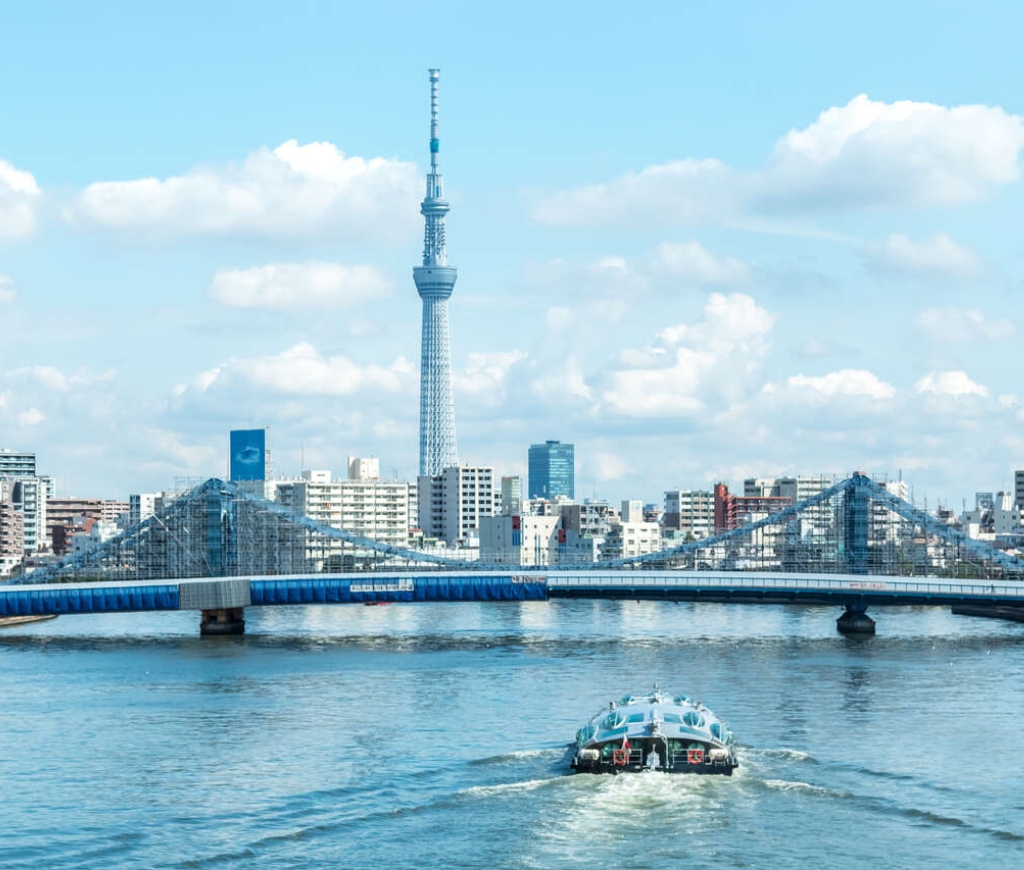
Tokyo, Japan
Keelung (Taipei), Taiwan (China)
Keelung (sometimes called Jilong) is a major port city in the north-eastern part of Taiwan. It borders Taipei County and forms the Taipei-Keelung metropolitan area together with the City and County of Taipei.
Nicknamed the Rainy Port for its frequent rain and its important maritime role, the city is Taiwan's second largest seaport (after Kaohsiung). Keelung is currently administered as a provincial city of Taiwan Province in the Republic of China. It has been suggested that the name Keelung was derived from the local mountain whose shape resembles a rooster cage. However, it is more probable that the name was derived from the first inhabitants of the region, like the names of many other Taiwanese cities. Indeed, the area's earliest inhabitants were the Ketagalan people, and Ke-lâng was thus probably derived from Ketagalan.
The Ketagalan were a Taiwanese aboriginal tribe, whose first contact with the west was through the Spanish. From 1642 to 1668 Keelung came under Dutch control. The Dutch East India Company attacked the Spanish and, following a brief successful siege, conquered their Fort San Salvador at Santissima Trinidad. They reduced the size of the town and renamed it Fort Noort-Holland. The Dutch possessed three other fortifications in Keelung which included a small school with a Christian preacher. When the Ming Dynasty loyalist Koxinga (Cheng Ch'en-Kung) successfully attacked the Dutch in southern Taiwan, the troops stationed at the Keelung forts fled to a trading post in Japan.
However, they returned in 1663 and reoccupied and defended their former forts. Unfortunately, trade with China through Keelung did not achieve the hoped-for success, and in 1668 the Dutch left voluntarily. In 1863 the Qing Empire reopened Keelung as an international trading port and it played an important role in the economy of the region until 1885. However, from October 1884, following the outbreak of the Sino-French War, the town was occupied by the French under the command of Admiral Amédée Courbet. Keelung grew rapidly after Taiwan's passage to the Japanese in 1895 under the Treaty of Shimonoseki. It obtained the status of town in Keelung District in 1920 and was upgraded to a city of Taipei Prefecture in 1924.

Hong Kong (China)
Hong Kong is a "Special Administrative Region of China”. It comprises the island of the same name, 259 other islands in the South China Sea, as well as areas of the mainland around the Kowloon Peninsula and in the so-called “New Territories”. Although it was occupied by Chinese settlers as early as the 2nd millennium B.C., the region remained untouched by Chinese imperialism up until the 17th century when it was the setting for a conflict between the Ming and the Manchu dynasties. However it only acquired international interest in the 19th century with the Portuguese being the first Europeans to develop colonies and trade here, silk and tea being the most sought-after goods in Europe.
China, which at the time had a near monopoly on tea production, requested silver in exchange for this commodity. The British, who like the Portuguese were trading in the South China Sea, promptly begun to sell opium to the Chinese in exchange for silver, which they required for the purchase of tea.
The subsequent commercial tension resulted in the first Opium War of 1841 that saw the British occupy Hong Kong which, growing in importance as a strategic port, eventually became a Colony of the Crown in 1843. The sphere of British influence grew further after the Second Opium War (1863), encompassing both the Kowloon Peninsula and then, in 1898, the “New Territories”, which were leased for a period of 99 years. As the expiry date grew ever closer, the Sino-British Joint Declaration was drawn up in 1984 and signed by Margaret Thatcher and Deng Xiaoping. This agreement provided for the return of the colony to Chinese rule on certain conditions – the first of which being the preservation of the then current economic and social system for 50 years.
The majority of Hong Kong’s population – those native to the region and those from surrounding provinces – is of Chinese origin, although there are also Filipino, British, Indian, Portuguese and American populations among the region’s 7 million or so inhabitants. The centre of Hong Kong extends around Victoria, the bay of the same name, and Victoria Peak, which at 552m above sea level is the highest point of the city and the perfect place to enjoy a spectacular view of the town and the sea. To get to the summit you need to take the Peak Tram which, constructed at the end of the 19th century, is the oldest form of transport in the city.
Another of Victoria’s institutions is the Star Ferry which, built in 1898, acts as a shuttle between the island of Hong Kong and the Kowloon Peninsula. The crossing only takes around ten minutes but the view of the island is breathtaking. Looking down on the bay are Hong Kong’s industrial, financial, business and technological buildings: the Commerce Tower, the Bank of China, the eye-catching Hong Kong and Shanghai Banking Corporation building, the Stock Exchange and Treasury buildings, the Legislative Council Buildings, still Victorian in style, and many others besides. Also on the island of Hong Kong is the city’s main religious building, the Man Mo Temple, which was built in 1848 during the first years of British occupation and dedicated to Man, the God of Literature, and Mo, the God of War. Stanley, meanwhile, located on the southern coast of the island, is a very colourful and lively district and has one of the city’s busiest markets where there is no shortage of fabrics, silk, traditional Chinese costumes, artistic products, souvenirs and handcrafted items.
Not far down the road is the Tin Hau temple that was built in 1767 and used as a shelter during the First World War. Still in Stanley you can also visit the old police station, the fort and Murray House, the oldest example of western architecture in Hong Kong. To the south of the island is Aberdeen Harbour which, until a couple of centuries ago, was a den for pirates. Converted into a simple fishing village, it is nowadays a village in its own right, where ancient fishing traditions prevail. Despite the ultra-modernity of the areas nearby, hundreds of old-fashioned boats make Aberdeen Harbour an extremely charming village on water – indeed around 6000 people live and work on the junks and sampans anchored to the harbour floor. The Kowloon Peninsula meanwhile is the cultural centre of the region: the Tsim Sha Tsui district is home to the Space Museum, the History Museum, and the Science Museum, as well as the Hong Kong Museum of Art with its exhibitions of Chinese and Asian art.


SUBIC BAY
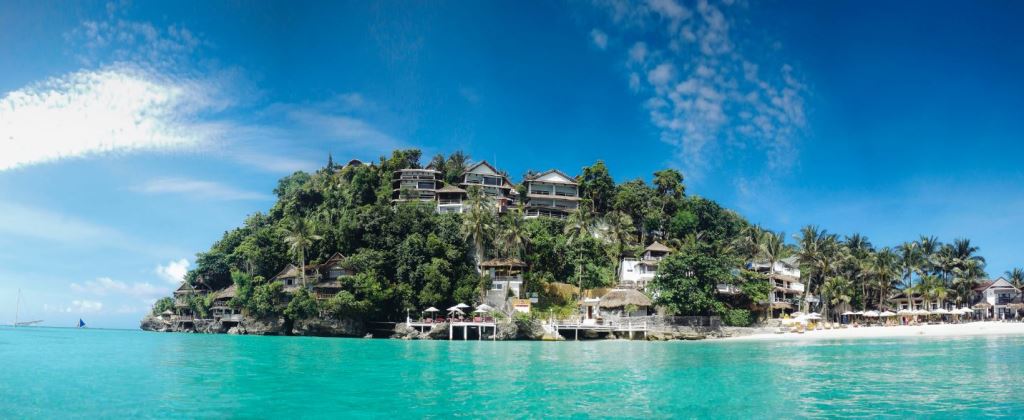
Boracay
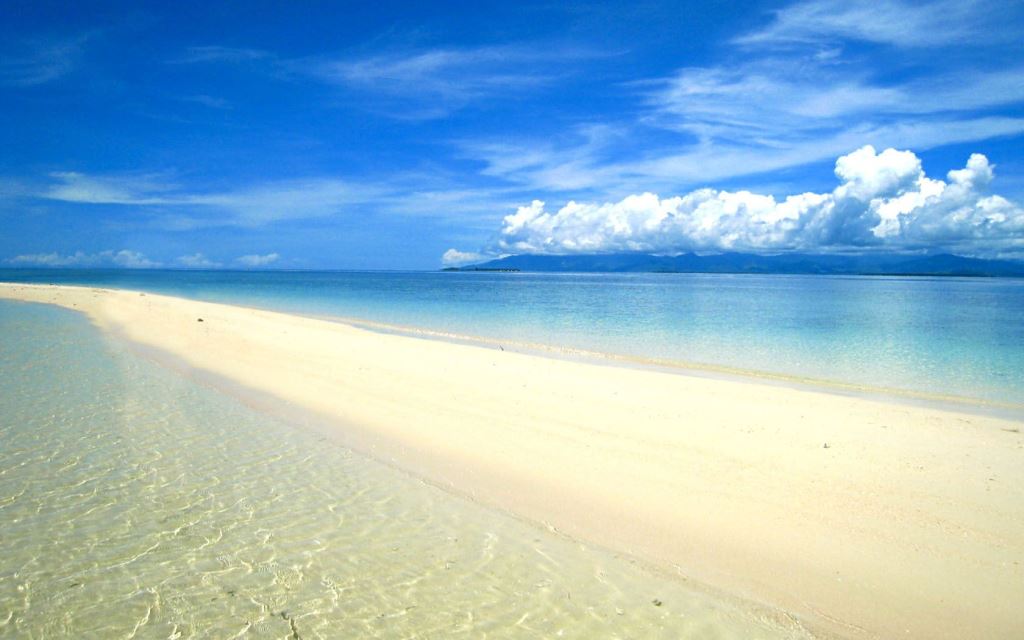
Puerto Princesa, Philippines
Benghazi, Libya
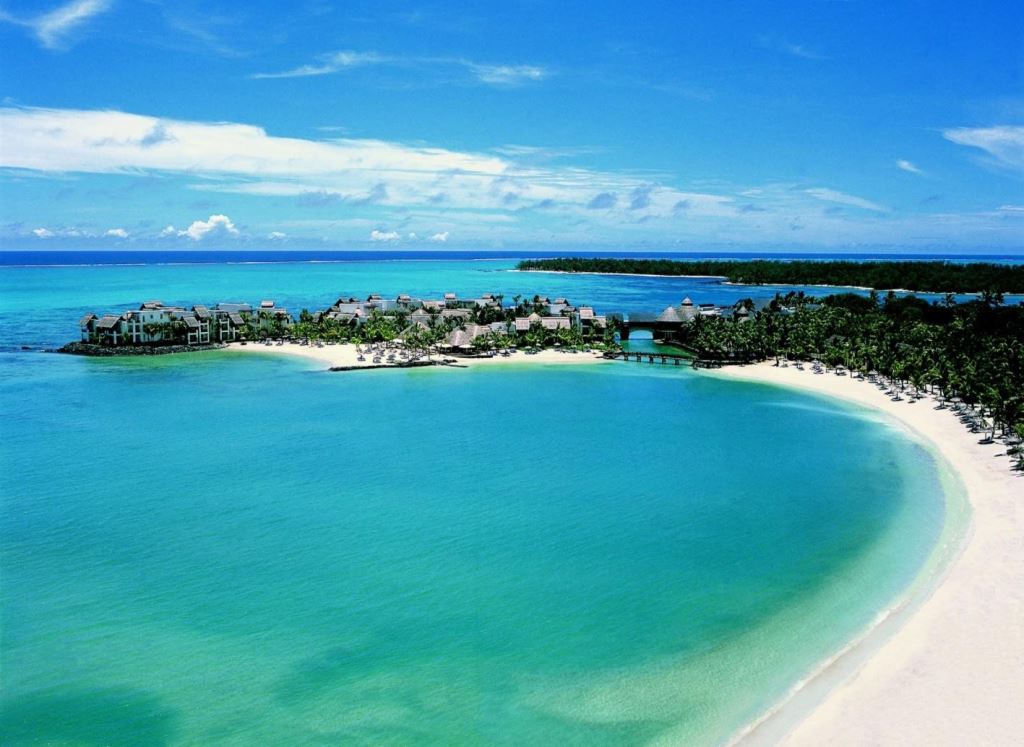
Benghazi, Libya
Darwin, Australia
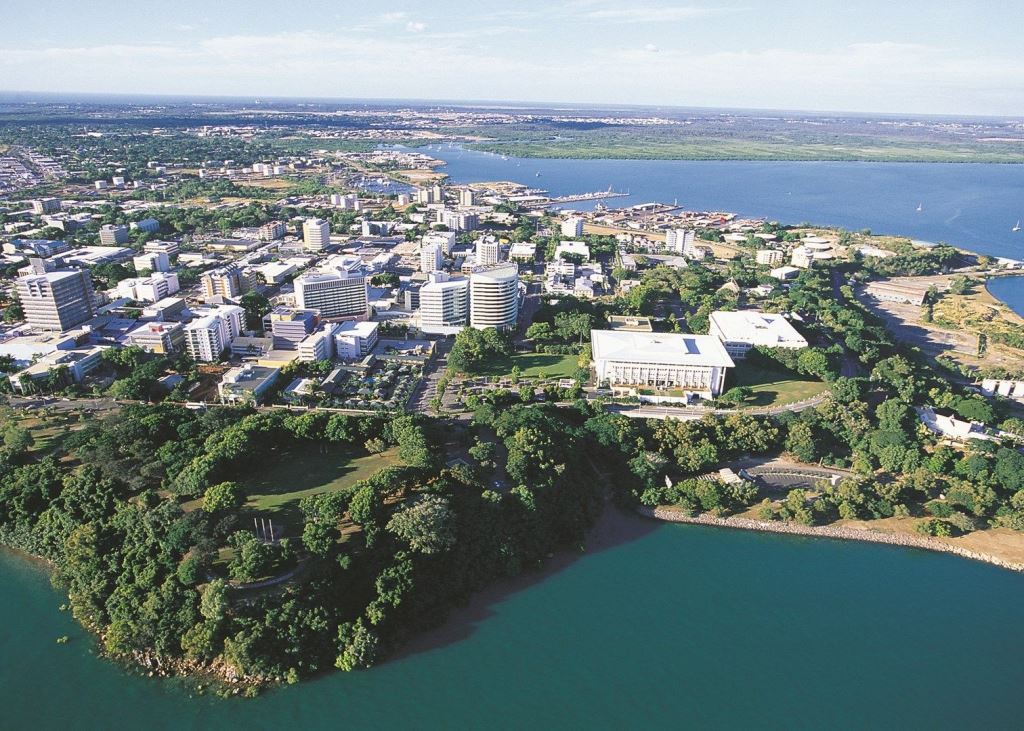
Cairns, Australia
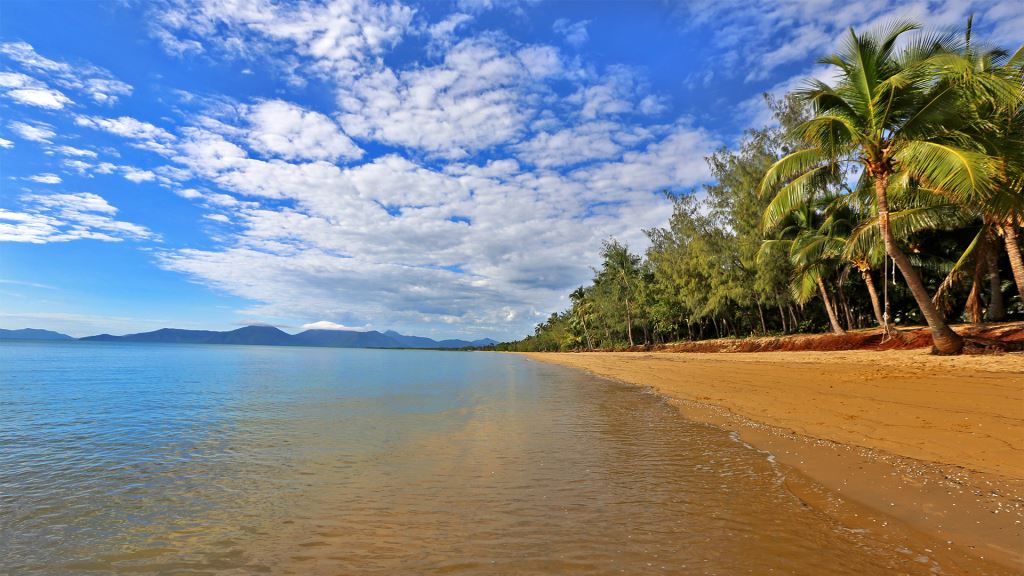
Brisbane, Australia

Sydney, Canada
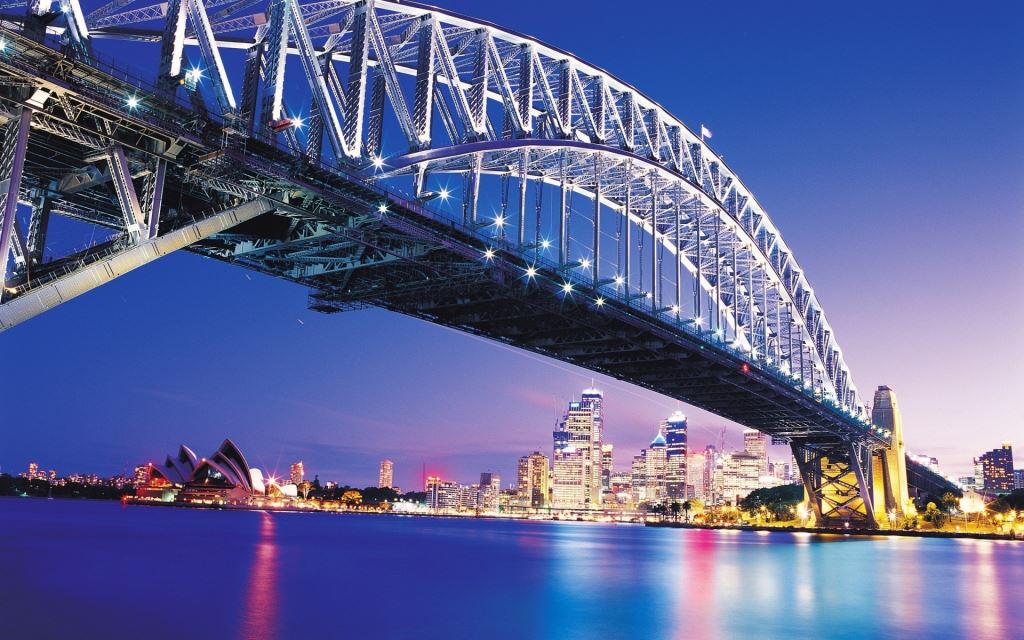

Nouméa
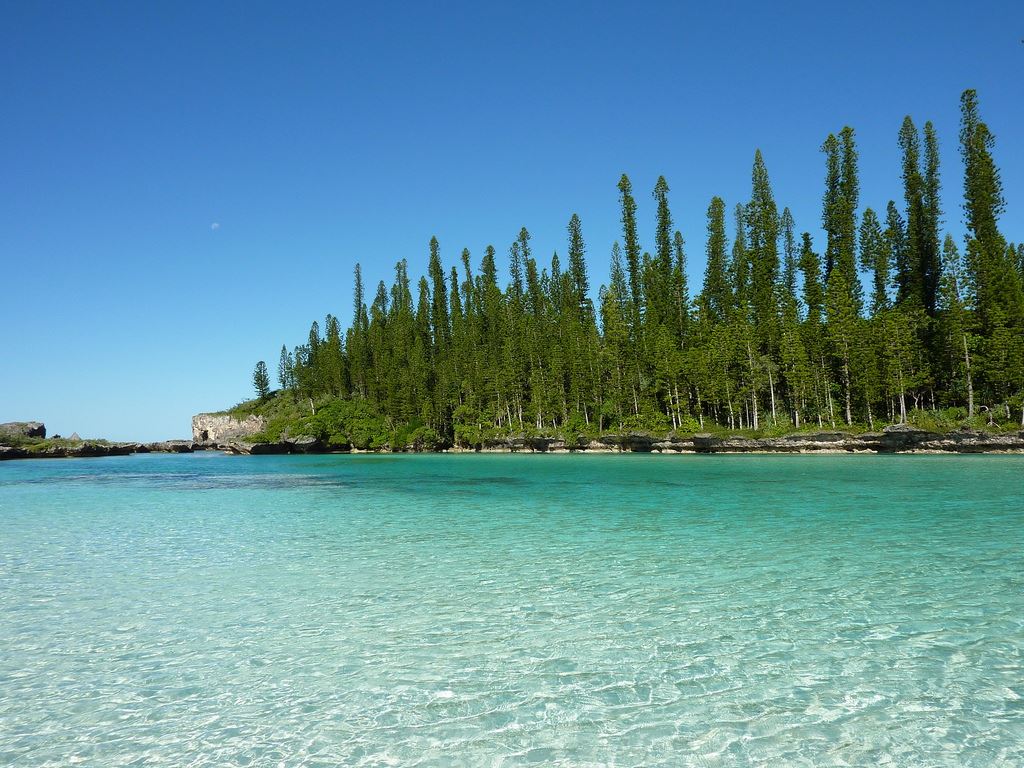
Lifou island, New Caledonia

Suva, Fiji Island

Nuku'alofa
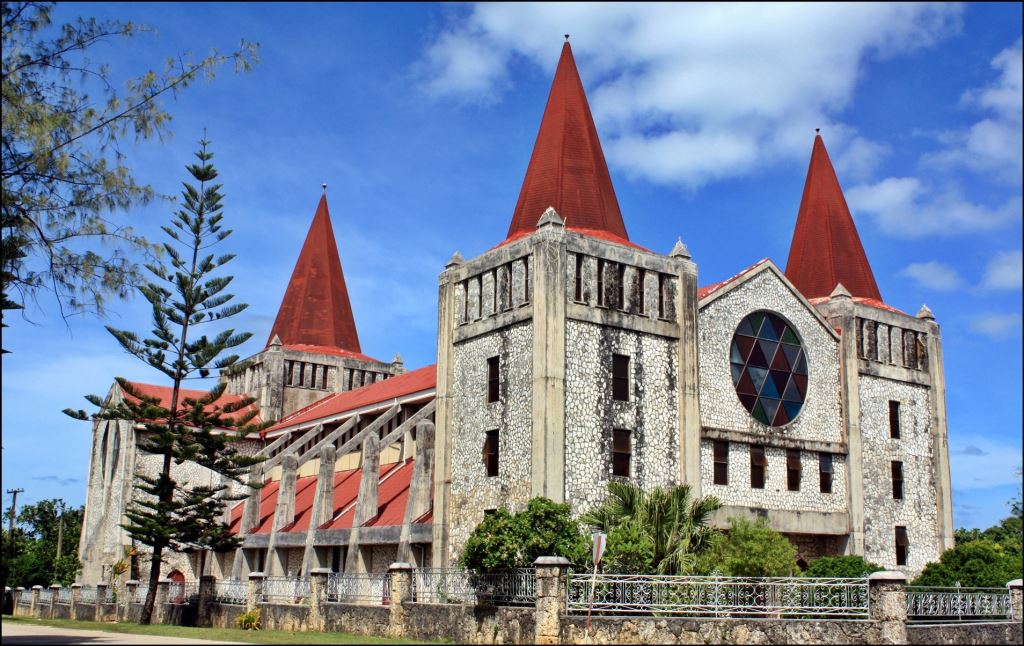
CIDL East - West (add. 24h)
Rarotonga, Cook Islands
Papeete, Tahiti
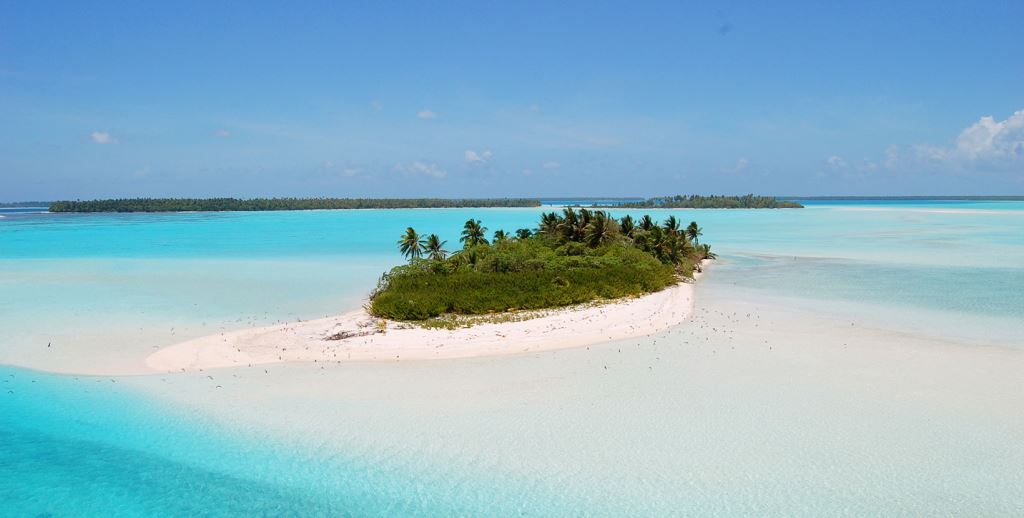
Bounty Bay Passage, Pitcairn
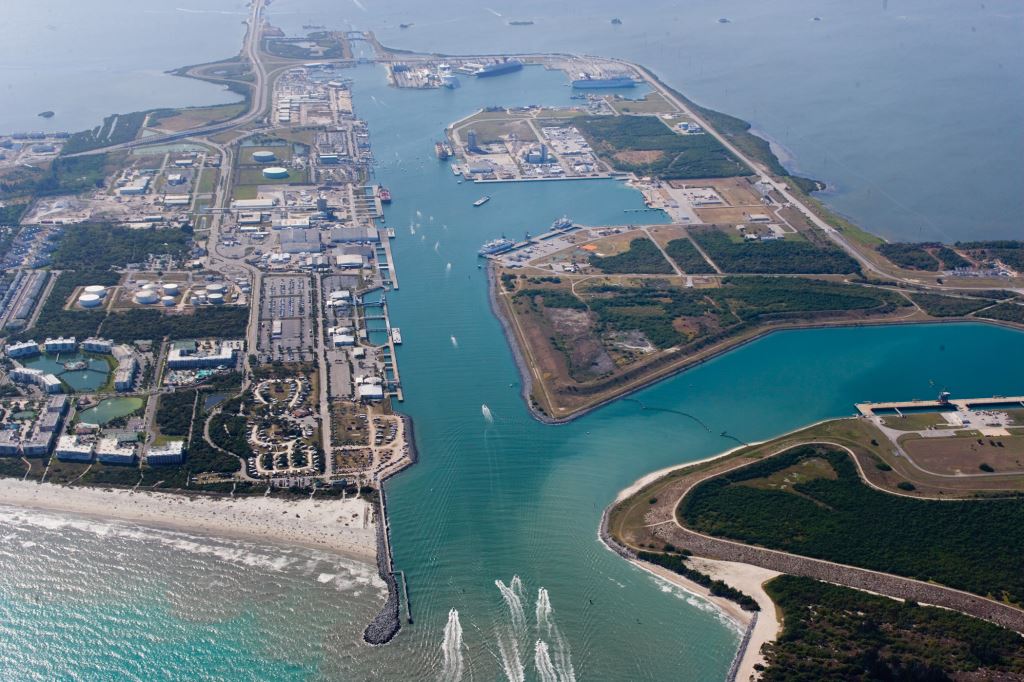
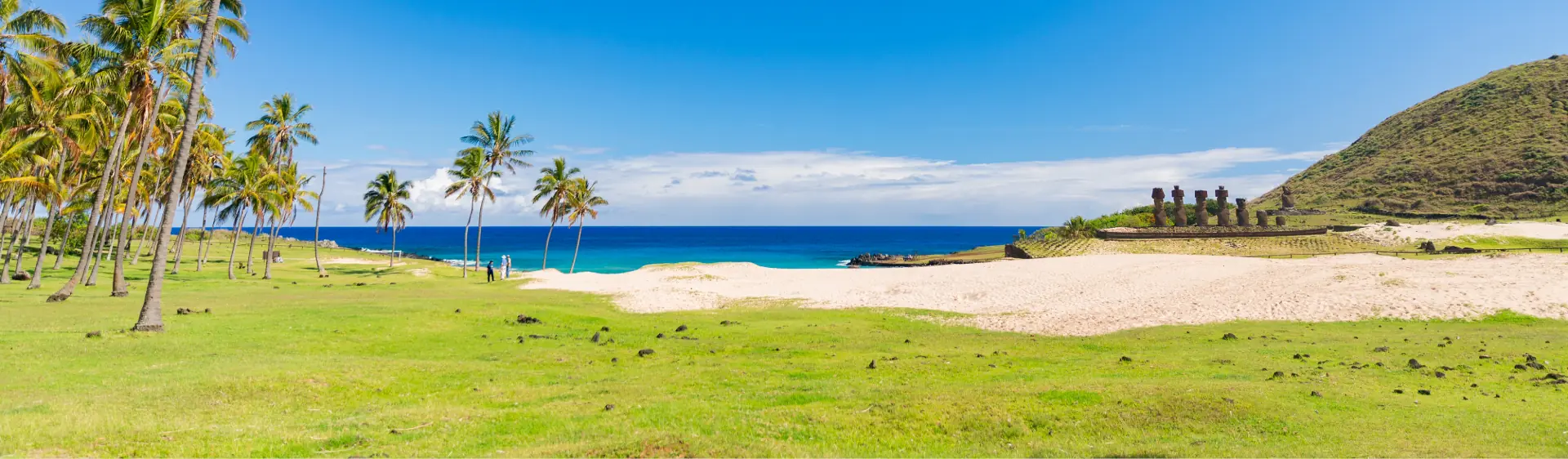
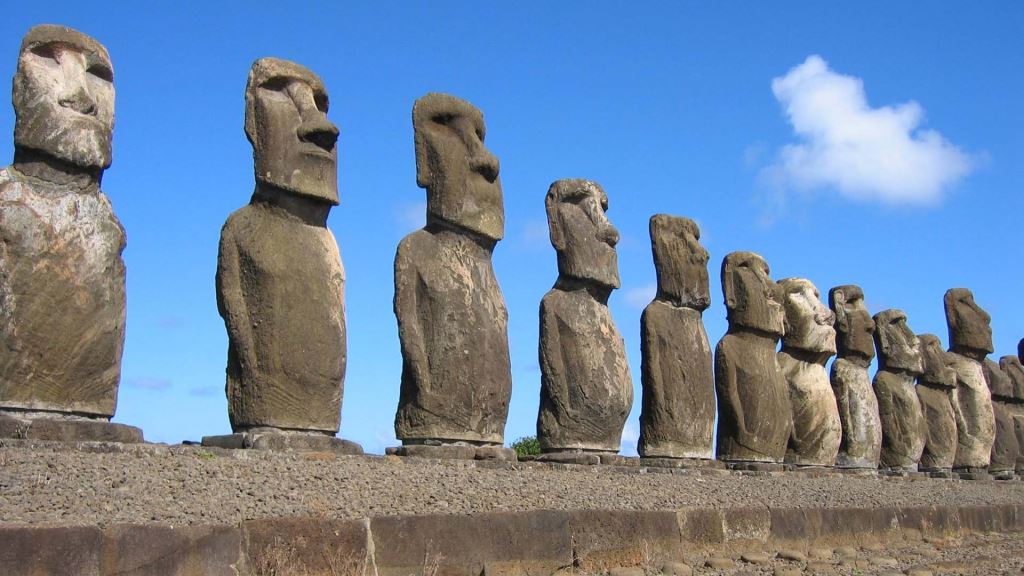
Hanga Roa (Rapa Nui), Chile
San Antonio (Santiago) Chile
Available cabins for Sun. 18.10. - Tue. 08.12.2026.


Costa Serena
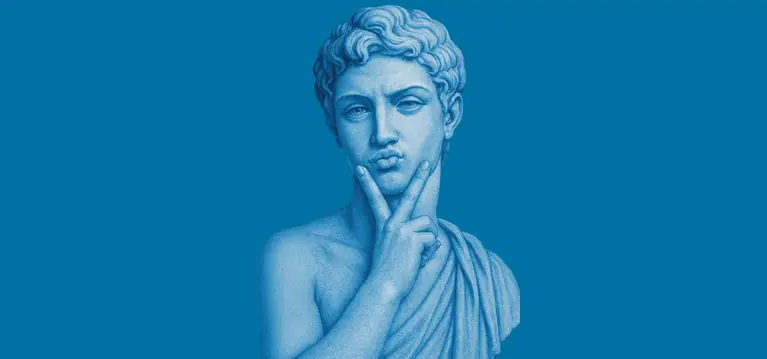
The Myth Goes POP.
Deities no longer reside on Mount Olympus: now they live onboard. Costa Serena is back, completely renovated, featuring an elegant, surprising, ironic and magnetic soul.
Every space is a set and you are the protagonist.
Lights, colours and spectacular environments create a refined atmosphere with a POP twist, where you never take yourself too seriously.
Costa Serena doesn't follow myths but reinvents them. An ode to wonder that stays with you. Would you like to experience something different?
Featured activities