
Costa Serena: SSB - PUS - SSB04A03
1 available date
Itinerary
Sasebo, Japan
Shanghai, China
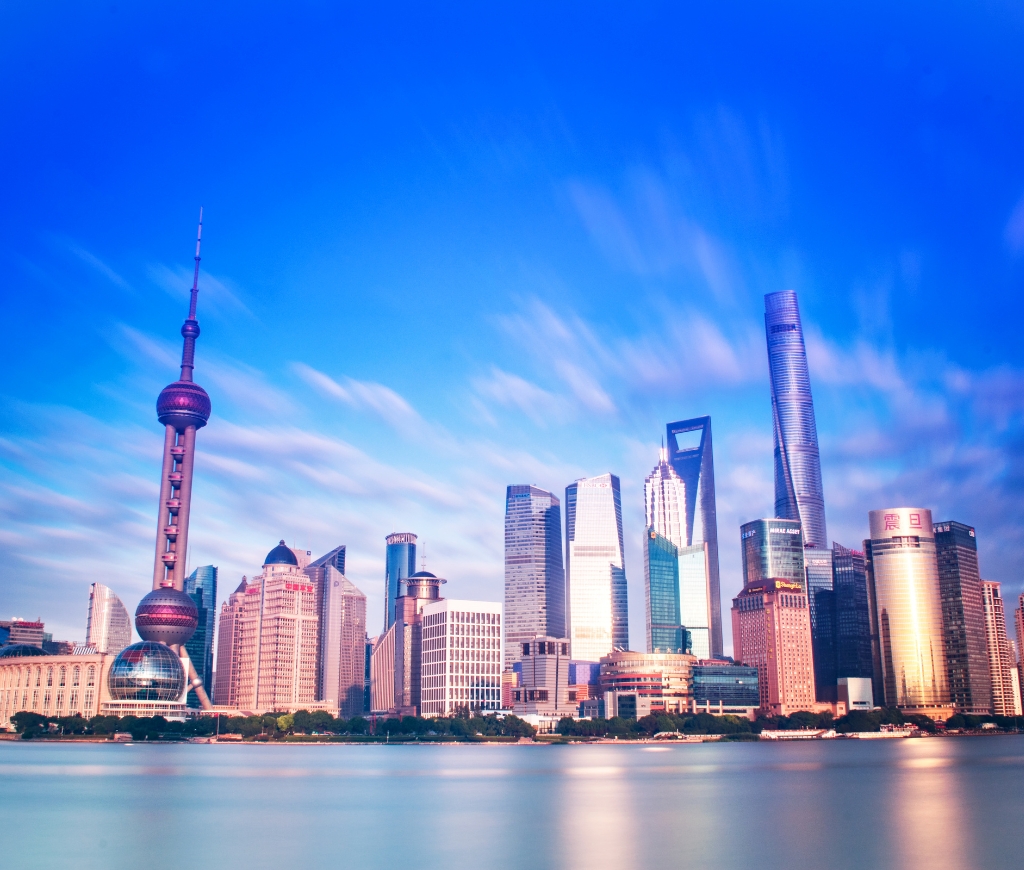
Shanghai is the largest city in the People's Republic of China. At the beginning of 2006 the administrative district had over 18 million inhabitants, the city proper 9,327,199. It is built on the Huangpu river, on the Chang Jiang delta.
In the last few decades, like the rest of the country in fact, Shanghai has seen incredible growth, becoming an economic, financial, commercial and communications centre of enormous importance. The port is one of the busiest in the world, together with those of Shanghai and Hamburg. But Shanghai is also a peerless cultural and university centre.
The city and its hinterland forms one of the four municipalities of China and has provincial status. In the Chinese language Shanghai is abbreviated to Hù and Shen, and literally means "by the sea" or even "in the sea". It is known throughout the world by various colourful nicknames, which highlight a variety of different features, for example "Paris of the East", "Queen of the East" or "Pearl of the Orient". Its origins are uncertain, but by the 11th century, Shanghai was already one of the Chinese Empire's commercial centres.
However, it only really began to grow after 1842 with the Opium War, specifically with the Treaty of Nanking under which the western powers effectively imposed the opening of the city and the port to international trade and introduced the system of concessions, according to which the English, French and Americans especially operated in the commercial and financial sector. Concessions were abolished during the Japanese occupation (1937-1945) and business activity started again at the end of the Second World War. In 1949 Mao's communists took control of the city (and of the whole country, except Taiwan) and Shanghai became one of only two municipalities not to be immediately annexed to the neighbouring provinces.
You can retrace the stages of this history in the Shanghai Museum (founded in 1952). From the fifties the Communist regime forced many foreign companies to transfer their business from Shanghai to Hong Kong and the city became an industrial centre of the communist revolution. During the Cultural Revolution, Shanghai was able to maintain its traditionally high productivity and relative social stability, even if the first liberalisation only occurred in 1991.
The race for the future of this chaotic megalopolis really took off at the beginning of the nineties and in little more than a decade, its rapid economic development, based on financial and banking services, manufacturing companies and high technology, has attracted substantial investment from many foreign companies. Shanghai is now an international metropolis which is expected to overtake the great western centres. The economic liveliness and growing modernisation are clearly shown by the skyscrapers in the Pudong financial district.
You could imagine yourself here in one of the major American or European financial centres. Jinmao Tower is the highest skyscraper, standing 420 metres tall with 88 floors, whereas the highest building overall is the Television Tower (Oriental Pearl Tower, 467 metres). Today, Shanghai vies above all with Hong Kong, which has, however, the advantage of a more modern and stable legal system and greater experience in the banking and financial sector. On the other hand, Shanghai has closer links with the central government in Beijing.
Nevertheless, the handing back of Hong Kong to China by the English in 1997 has increased Shanghai's opportunities for economic development and in the last few years it has focused a great deal on sport (Formula 1) but also and above all on the last summer Olympics in 2008 as a means of international promotion. Beijing has naturally been the main host city, but other Chinese cities have hosted some Olympic events. Apart from Shanghai, events were held in Hong Kong, Qingdao, Tianjin, Shenyang and Qinhuangdao.
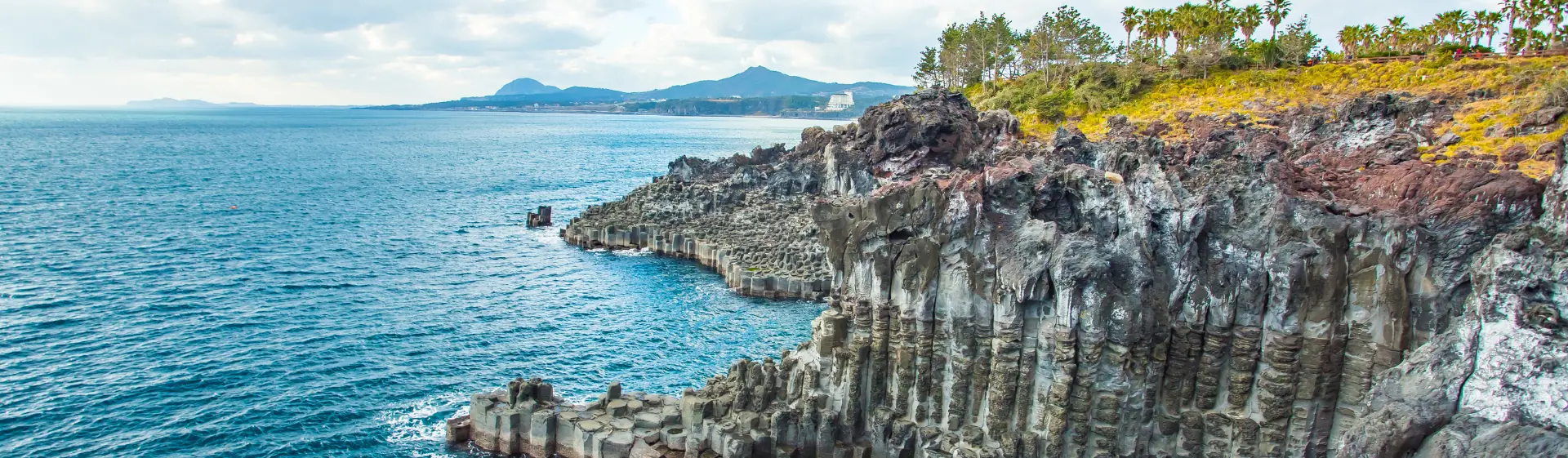
Gangjeong-Jeju Island, Republic of Korea
Busan, Korea, Republic of
Busan, a bustling city of approximately 3.6 million residents, is located on the southeastern tip of the Korean peninsula.
The size of Busan is 765.64km² which is 0.8% of the whole land of the Korean Peninsula. The natural environment of Busan is a perfect example of harmony between mountains, rivers and sea. Its geography includes a coastline with superb beaches and scenic cliffs, mountains which provide excellent hiking and extraordinary views, and hot springs scattered throughout the city.
Busan enjoys four distinct seasons and a temperate climate that never gets too hot or too cold.
Busan is the second largest city in Korea. Its deep harbor and gentle tides have allowed it to grow into the largest container handling port in the country and the fifth largest in the world. In the coming years, capacity is set to grow further with the opening of the New Port. The city's natural endowments and rich history have resulted in Busan's increasing reputation as a world class city of tourism and culture, and it is also becoming renowned as an international convention destination.
Busan, a city of beautiful mountains, rivers and the sea, is also a important cultural city. With the Nakdong River bordering the city and superb natural scenery like Haeundae adding nationwide attraction, the city serves as a major nexus of cultural activities around the region. Also, Busan is the first international port city in Korea. Its location enables the city to serve as a main gateway for the Korean Peninsula and the entire Northeast Asian region.
Geographically, Busan has the Straits of Korea to its south; Ulsan to the north; Gimhae to the West. Cities that share almost the same latitude with Busan include Jinhae and Gwangju in Korea, as well as Tokyo, Jeongsen, Algiers and Oklahoma City abroad.
Busan is eight hours ahead of GMT. As for its geopolitical location, the city comes at the Southern tip of a strip that connects Asia, Siberia and Europe. It also serves as a main gateway to the Pacific Ocean.
This location places the city at the center of international sea transportation.
Busan is located at the southeastern most tip of the Korean peninsula and in the mid-latitude temperate zone, which has seasonal winds. It has four seasons: Spring, Summer, Fall and Winter. The annual average temperature is 15°C. The annual average precipitation is 2,397mm. Busan has strong winds compared to other areas in Korea. Spring begins in March and ends in late June. Cherry blossom trees bloom in late March. And the temperature is very comfortable in April, May and June. The rainy season at the end of June and July signals the beginning of the coming of the summer heat. The highest mean temperatures of around 32°C are at the end of July through mid-August. Fall is from early September through late-November.
The weather is nice and cool at this time because of the continental high atmospheric pressure. Winter starts by the end of November and continues until February. But Busan rarely has any snowfalls. The average winter temperature is 3.8°C. Tourists can enjoy Busan throughout all seasons because of the nice weather and beautiful scenery. In summer, the city is crowded with visitors who come to enjoy the beautiful beaches.
From its opening in 1876, the port city of Busan quickly developed into a hub of trade, commerce and industry. This development resulted in a rapid increase in its population, which had already reached 200,000 by 1936. A major leap in Busan's population came with the breakout of the Korean War, which resulted in an endless stream of people into the city. As a result, the population of Busan exceeded 1 million by the end of 1955. Another factor that spurred the population increase was the government policy for economic growth.
People from urban areas kept streaming into the city for jobs. By the end of 1994, there were approximately 4 million people who called Busan their home. Since 1995, the population has slowly begun to decrease. As of December 2006, Busan was home to 3,635,389 people.

Available cabins for Thu. 03.09. - Mon. 07.09.2026.


Costa Serena
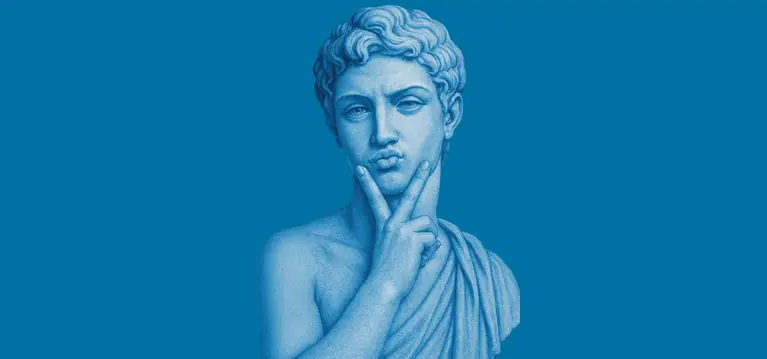
The Myth Goes POP.
Deities no longer reside on Mount Olympus: now they live onboard. Costa Serena is back, completely renovated, featuring an elegant, surprising, ironic and magnetic soul.
Every space is a set and you are the protagonist.
Lights, colours and spectacular environments create a refined atmosphere with a POP twist, where you never take yourself too seriously.
Costa Serena doesn't follow myths but reinvents them. An ode to wonder that stays with you. Would you like to experience something different?
Featured activities