
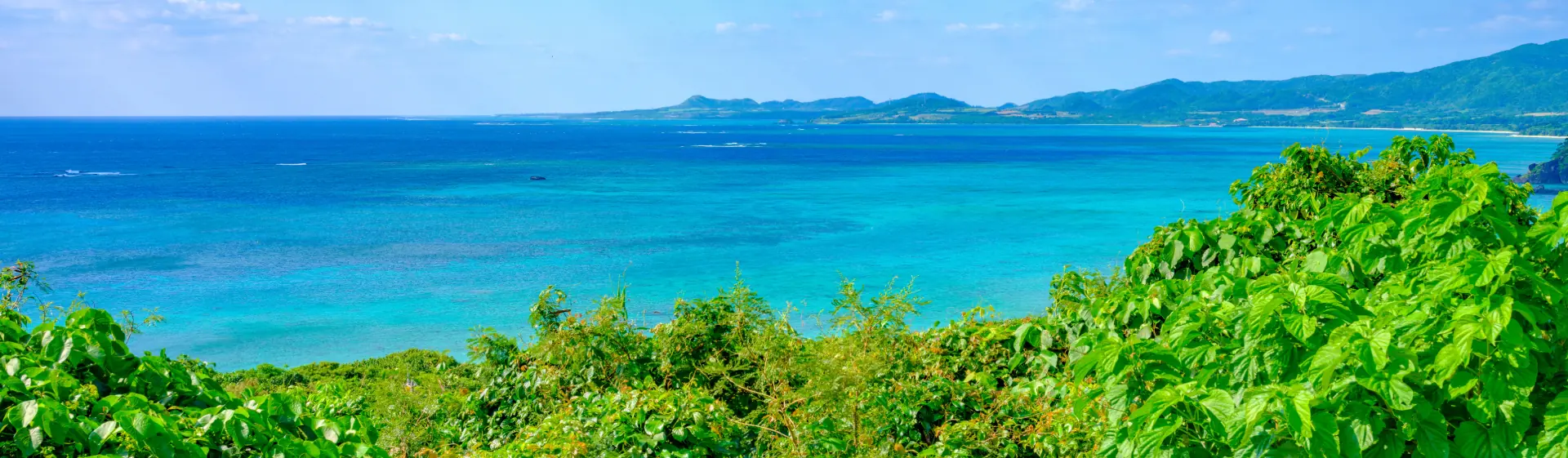
Costa Serena: KEE - KEE - KEE04A0Q
2 available dates
Itinerary
Keelung (Taipei), Taiwan (China)
Keelung (sometimes called Jilong) is a major port city in the north-eastern part of Taiwan. It borders Taipei County and forms the Taipei-Keelung metropolitan area together with the City and County of Taipei.
Nicknamed the Rainy Port for its frequent rain and its important maritime role, the city is Taiwan's second largest seaport (after Kaohsiung). Keelung is currently administered as a provincial city of Taiwan Province in the Republic of China. It has been suggested that the name Keelung was derived from the local mountain whose shape resembles a rooster cage. However, it is more probable that the name was derived from the first inhabitants of the region, like the names of many other Taiwanese cities. Indeed, the area's earliest inhabitants were the Ketagalan people, and Ke-lâng was thus probably derived from Ketagalan.
The Ketagalan were a Taiwanese aboriginal tribe, whose first contact with the west was through the Spanish. From 1642 to 1668 Keelung came under Dutch control. The Dutch East India Company attacked the Spanish and, following a brief successful siege, conquered their Fort San Salvador at Santissima Trinidad. They reduced the size of the town and renamed it Fort Noort-Holland. The Dutch possessed three other fortifications in Keelung which included a small school with a Christian preacher. When the Ming Dynasty loyalist Koxinga (Cheng Ch'en-Kung) successfully attacked the Dutch in southern Taiwan, the troops stationed at the Keelung forts fled to a trading post in Japan.
However, they returned in 1663 and reoccupied and defended their former forts. Unfortunately, trade with China through Keelung did not achieve the hoped-for success, and in 1668 the Dutch left voluntarily. In 1863 the Qing Empire reopened Keelung as an international trading port and it played an important role in the economy of the region until 1885. However, from October 1884, following the outbreak of the Sino-French War, the town was occupied by the French under the command of Admiral Amédée Courbet. Keelung grew rapidly after Taiwan's passage to the Japanese in 1895 under the Treaty of Shimonoseki. It obtained the status of town in Keelung District in 1920 and was upgraded to a city of Taipei Prefecture in 1924.

Naha
Naha Port is located on Okinawa prefecture's main island, situated 600 kilometers southwest of Japan in the middle of the East China Sea. The population of the prefecture is 1.3 million.
Okinawa consists of a few dozen small islands in the southern half of the Nansei Shoto, the island chain which stretches over about one thousand kilometers from Kyushu to Taiwan. Okinawa Prefecture is be divided into three major island groups, the Okinawa Islands (Okinawa Shoto) around Okinawa Island (Okinawa Honto), the Miyako Islands (Miyako Retto) around Miyako Island and the Yaeyama Islands (Yaeyama Retto) around Ishigaki Island. Okinawa's climate is subtropical, with temperatures barely falling below 15 degrees in winter.
The seas surrounding Okinawa's islands are considered among the world's most beautiful with coral reefs and abundant marine wildlife. Consequently, snorkeling and scuba diving are among Okinawa's top attractions. Due to its location, Naha Port has played an important role in Japanese life ever since the 15th century Ryukyu Kingdom. It is at the heart of the regional economy and local industry as well as a residential centre.
Following the end of World War II, the United States, the prefectural government and the city of Naha each separately developed parts of Naha Port until 1972. Subsequently, Naha City administered the entire port until March 31, 2002, when the NPA was established. The port is located near Shanghai and en-route between the ports of Busan and Kaohsiung, which have both achieved remarkable growth as international container ports.
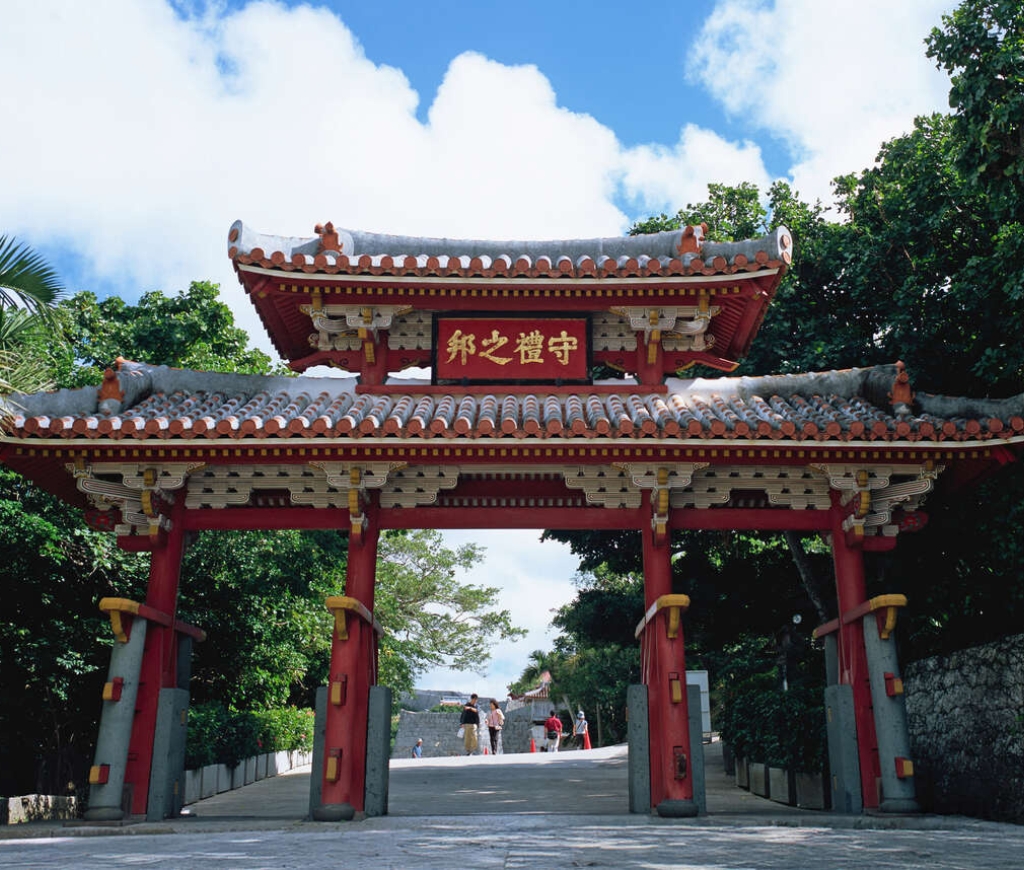
Now a city district of Naha, Shuri was once the capital of the Ryukyu Kingdom. Shuri Castle (Shurijo) served as the administrative center and residence of the Ryukyu kings for several centuries, until Okinawa became a Japanese prefecture in 1879. Wars and fires destroyed Shuri Castle many times over the centuries, most recently in the Battle of Okinawa in 1945. The current buildings are beautiful reconstructions dating from 1992. In Naha you can also visit Shikinaen, which was constructed in the late 17th century as the second residence of Ryukyu royalty. It features beautiful, relatively simple, wooden palace buildings in a typical Okinawan style, red tile roofs and a spacious Japanese style landscape garden. While designed in a style seen elsewhere in Japan, the garden is given a distinct Okinawan flavor by its buildings and subtropical flora. In 2000, Shikinaen was among the sites added to the list of UNESCO World Heritage Sites under the collective title "Gusuku Sites and Related Properties of the Kingdom of Ryukyu".
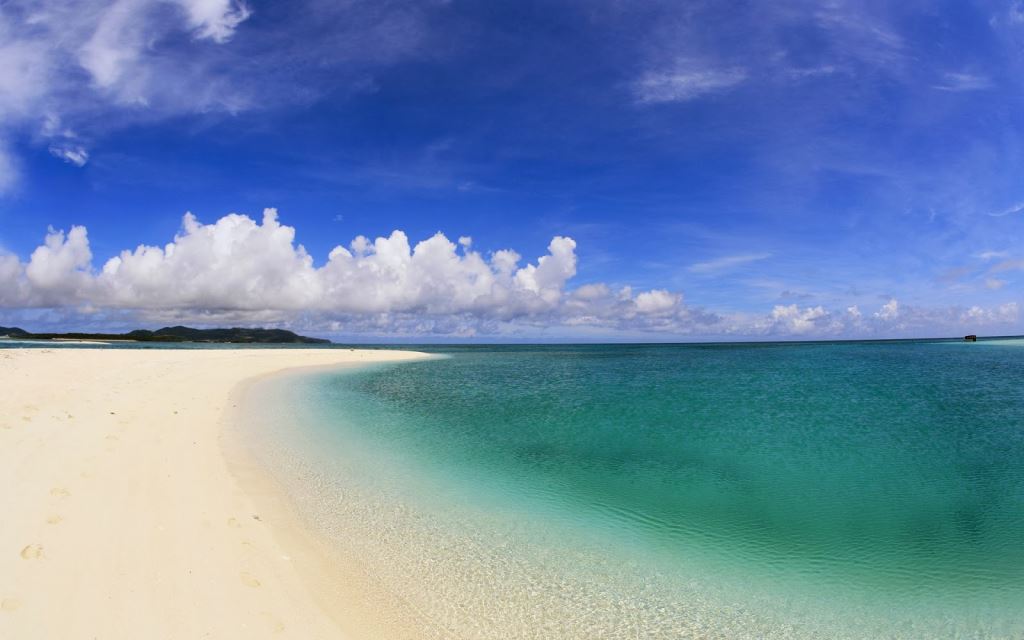
Naha
Naha Port is located on Okinawa prefecture's main island, situated 600 kilometers southwest of Japan in the middle of the East China Sea. The population of the prefecture is 1.3 million.
Okinawa consists of a few dozen small islands in the southern half of the Nansei Shoto, the island chain which stretches over about one thousand kilometers from Kyushu to Taiwan. Okinawa Prefecture is be divided into three major island groups, the Okinawa Islands (Okinawa Shoto) around Okinawa Island (Okinawa Honto), the Miyako Islands (Miyako Retto) around Miyako Island and the Yaeyama Islands (Yaeyama Retto) around Ishigaki Island. Okinawa's climate is subtropical, with temperatures barely falling below 15 degrees in winter.
The seas surrounding Okinawa's islands are considered among the world's most beautiful with coral reefs and abundant marine wildlife. Consequently, snorkeling and scuba diving are among Okinawa's top attractions. Due to its location, Naha Port has played an important role in Japanese life ever since the 15th century Ryukyu Kingdom. It is at the heart of the regional economy and local industry as well as a residential centre.
Following the end of World War II, the United States, the prefectural government and the city of Naha each separately developed parts of Naha Port until 1972. Subsequently, Naha City administered the entire port until March 31, 2002, when the NPA was established. The port is located near Shanghai and en-route between the ports of Busan and Kaohsiung, which have both achieved remarkable growth as international container ports.
Now a city district of Naha, Shuri was once the capital of the Ryukyu Kingdom. Shuri Castle (Shurijo) served as the administrative center and residence of the Ryukyu kings for several centuries, until Okinawa became a Japanese prefecture in 1879. Wars and fires destroyed Shuri Castle many times over the centuries, most recently in the Battle of Okinawa in 1945. The current buildings are beautiful reconstructions dating from 1992. In Naha you can also visit Shikinaen, which was constructed in the late 17th century as the second residence of Ryukyu royalty. It features beautiful, relatively simple, wooden palace buildings in a typical Okinawan style, red tile roofs and a spacious Japanese style landscape garden. While designed in a style seen elsewhere in Japan, the garden is given a distinct Okinawan flavor by its buildings and subtropical flora. In 2000, Shikinaen was among the sites added to the list of UNESCO World Heritage Sites under the collective title "Gusuku Sites and Related Properties of the Kingdom of Ryukyu".
Ishigaki, Japan
Keelung (Taipei), Taiwan (China)
Keelung (sometimes called Jilong) is a major port city in the north-eastern part of Taiwan. It borders Taipei County and forms the Taipei-Keelung metropolitan area together with the City and County of Taipei.
Nicknamed the Rainy Port for its frequent rain and its important maritime role, the city is Taiwan's second largest seaport (after Kaohsiung). Keelung is currently administered as a provincial city of Taiwan Province in the Republic of China. It has been suggested that the name Keelung was derived from the local mountain whose shape resembles a rooster cage. However, it is more probable that the name was derived from the first inhabitants of the region, like the names of many other Taiwanese cities. Indeed, the area's earliest inhabitants were the Ketagalan people, and Ke-lâng was thus probably derived from Ketagalan.
The Ketagalan were a Taiwanese aboriginal tribe, whose first contact with the west was through the Spanish. From 1642 to 1668 Keelung came under Dutch control. The Dutch East India Company attacked the Spanish and, following a brief successful siege, conquered their Fort San Salvador at Santissima Trinidad. They reduced the size of the town and renamed it Fort Noort-Holland. The Dutch possessed three other fortifications in Keelung which included a small school with a Christian preacher. When the Ming Dynasty loyalist Koxinga (Cheng Ch'en-Kung) successfully attacked the Dutch in southern Taiwan, the troops stationed at the Keelung forts fled to a trading post in Japan.
However, they returned in 1663 and reoccupied and defended their former forts. Unfortunately, trade with China through Keelung did not achieve the hoped-for success, and in 1668 the Dutch left voluntarily. In 1863 the Qing Empire reopened Keelung as an international trading port and it played an important role in the economy of the region until 1885. However, from October 1884, following the outbreak of the Sino-French War, the town was occupied by the French under the command of Admiral Amédée Courbet. Keelung grew rapidly after Taiwan's passage to the Japanese in 1895 under the Treaty of Shimonoseki. It obtained the status of town in Keelung District in 1920 and was upgraded to a city of Taipei Prefecture in 1924.
Available cabins for Wed. 29.07. - Sun. 02.08.2026.


Costa Serena

The Myth Goes POP.
Deities no longer reside on Mount Olympus: now they live onboard. Costa Serena is back, completely renovated, featuring an elegant, surprising, ironic and magnetic soul.
Every space is a set and you are the protagonist.
Lights, colours and spectacular environments create a refined atmosphere with a POP twist, where you never take yourself too seriously.
Costa Serena doesn't follow myths but reinvents them. An ode to wonder that stays with you. Would you like to experience something different?
Featured activities