

Costa Serena: PUS - UKB - PUS02A09
1 available date
Itinerary
Busan, Korea, Republic of
Busan, a bustling city of approximately 3.6 million residents, is located on the southeastern tip of the Korean peninsula.
The size of Busan is 765.64km² which is 0.8% of the whole land of the Korean Peninsula. The natural environment of Busan is a perfect example of harmony between mountains, rivers and sea. Its geography includes a coastline with superb beaches and scenic cliffs, mountains which provide excellent hiking and extraordinary views, and hot springs scattered throughout the city.
Busan enjoys four distinct seasons and a temperate climate that never gets too hot or too cold.
Busan is the second largest city in Korea. Its deep harbor and gentle tides have allowed it to grow into the largest container handling port in the country and the fifth largest in the world. In the coming years, capacity is set to grow further with the opening of the New Port. The city's natural endowments and rich history have resulted in Busan's increasing reputation as a world class city of tourism and culture, and it is also becoming renowned as an international convention destination.
Busan, a city of beautiful mountains, rivers and the sea, is also a important cultural city. With the Nakdong River bordering the city and superb natural scenery like Haeundae adding nationwide attraction, the city serves as a major nexus of cultural activities around the region. Also, Busan is the first international port city in Korea. Its location enables the city to serve as a main gateway for the Korean Peninsula and the entire Northeast Asian region.
Geographically, Busan has the Straits of Korea to its south; Ulsan to the north; Gimhae to the West. Cities that share almost the same latitude with Busan include Jinhae and Gwangju in Korea, as well as Tokyo, Jeongsen, Algiers and Oklahoma City abroad.
Busan is eight hours ahead of GMT. As for its geopolitical location, the city comes at the Southern tip of a strip that connects Asia, Siberia and Europe. It also serves as a main gateway to the Pacific Ocean.
This location places the city at the center of international sea transportation.
Busan is located at the southeastern most tip of the Korean peninsula and in the mid-latitude temperate zone, which has seasonal winds. It has four seasons: Spring, Summer, Fall and Winter. The annual average temperature is 15°C. The annual average precipitation is 2,397mm. Busan has strong winds compared to other areas in Korea. Spring begins in March and ends in late June. Cherry blossom trees bloom in late March. And the temperature is very comfortable in April, May and June. The rainy season at the end of June and July signals the beginning of the coming of the summer heat. The highest mean temperatures of around 32°C are at the end of July through mid-August. Fall is from early September through late-November.
The weather is nice and cool at this time because of the continental high atmospheric pressure. Winter starts by the end of November and continues until February. But Busan rarely has any snowfalls. The average winter temperature is 3.8°C. Tourists can enjoy Busan throughout all seasons because of the nice weather and beautiful scenery. In summer, the city is crowded with visitors who come to enjoy the beautiful beaches.
From its opening in 1876, the port city of Busan quickly developed into a hub of trade, commerce and industry. This development resulted in a rapid increase in its population, which had already reached 200,000 by 1936. A major leap in Busan's population came with the breakout of the Korean War, which resulted in an endless stream of people into the city. As a result, the population of Busan exceeded 1 million by the end of 1955. Another factor that spurred the population increase was the government policy for economic growth.
People from urban areas kept streaming into the city for jobs. By the end of 1994, there were approximately 4 million people who called Busan their home. Since 1995, the population has slowly begun to decrease. As of December 2006, Busan was home to 3,635,389 people.

Kobe, Japan
Kobe is the capital city of Hyogo Prefecture and a prominent port city in Japan with a population of about 1.4 million. The city is located in the Kansai region of Japan and is part of the Keihanshin metropolitan area. Kobe is classified as one of Japan's seventeen designated cities.
Originally known by the name Owada Anchorage, earliest written records regarding the region come from the Nihon Shoki, which describes the founding of the Ikuta Shrine by Empress Jingu in 201 A.D. For most of its history the area was never a single political entity, even during the Tokugawa Period, when the port was controlled directly by the Tokugawa Shogunate. Kobe did not exist in its current form until its founding in 1889. Its name comes from "kanbe", an archaic title for supporters of the city's Ikuta Shrine.
Kobe was one of the first cities to open for trade with the West following the end of the policy of seclusion and has since been known as a cosmopolitan port city. While the 1995 Great Hanshin Earthquake diminished much of Kobe's prominence as a port city, it remains Japan's fourth busiest container port. Companies headquartered in Kobe include ASICS, Kawasaki Heavy Industries, and Kobe Steel, as well as over 100 international corporations with Asia or Japan headquarters in the city such as Procter & Gamble and Nestlé. As of September 2007, Kobe has a population of 1,530,295 making up 658,876 households. The population density is approximately 2,768 persons per square kilometer. About thirteen percent of the population is between the ages of 0 and 14, sixty-seven percent are between 15 and 64, and twenty percent are over the age of 65.Approximately 44,000 registered foreign nationals live in Kobe.
The four most common nationalities are Korean (22,237), Chinese (12,516), Vietnamese (1,301), and American (1,280).Kobe is both an important port and manufacturing center within the Hanshin Industrial Region. Kobe is the busiest container port in the region, surpassing even Osaka, and the fourth busiest in Japan.As of 2004, the city's total real GDP was ¥6.3 trillion, which amounts to thirty-four percent of the GDP for Hyogo Prefecture and approximately eight percent for the whole Kansai region. Per capita income for the year was approximately ¥2.7 million. Broken down by sector, about one percent of those employed work in the primary sector (agriculture, fishing and mining), twenty-one percent work in the secondary sector (manufacturing and industry), and seventy-eight percent work in the service sector.The value of manufactured goods produced and exported from Kobe for 2004 was ¥2.5 trillion. The four largest sectors in terms of value of goods produced are small appliances, food products, transportation equipment, and communication equipment making up over fifty percent of Kobe's manufactured goods.
In terms of numbers of employees, food products, small appliances, and transportation equipment make up the three largest sectors.Kobe is famous for its Kobe beef and Arima Onsen (hot springs), while notable buildings include the Ikuta Shrine as well as the Kobe Port Tower. It is well known for the night view of the city, from the mountains (like Mount Rokko, Mount Maya and so on) as well as the coast. Kobe is also known for having a somewhat exotic atmosphere by Japanese standards, which is mainly a result of its history as a port city.The city is also widely associated with cosmopolitanism and fashion, encapsulated in the Japanese phrase, "If you can't go to Paris, go to Kobe."
The biannual fashion event Kobe Collection is held in Kobe. The jazz festival "Kobe Jazz Street" has been held every October at jazz clubs and hotels since 1981.Kobe is the site of Japan's first golf course, Kobe Golf Club, established by Arthur Hasketh Groom in 1903, and Japan's first mosque, Kobe Mosque, built in 1935. The city also hosts the Kobe Regatta & Athletic Club, founded in 1870 by Alexander Cameron Sim, a prominent foreign cemetery, and a number of Western-style residences from the 19th century.Most of the 1957 romantic drama Sayonara takes place in Kobe.
Kobe is also the setting of the Studio Ghibli film Grave of the Fireflies.

Available cabins for Sat. 12.09. - Mon. 14.09.2026.


Costa Serena
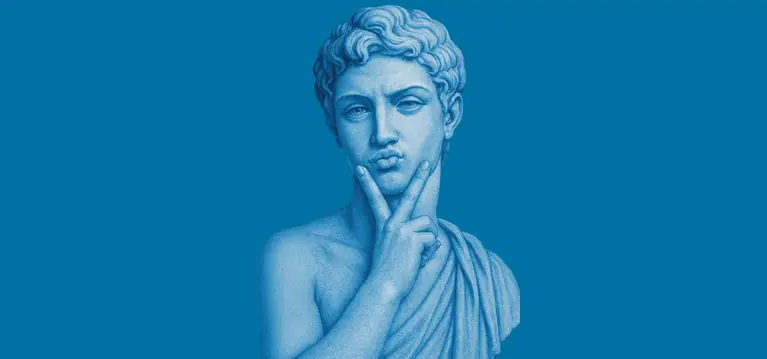
The Myth Goes POP.
Deities no longer reside on Mount Olympus: now they live onboard. Costa Serena is back, completely renovated, featuring an elegant, surprising, ironic and magnetic soul.
Every space is a set and you are the protagonist.
Lights, colours and spectacular environments create a refined atmosphere with a POP twist, where you never take yourself too seriously.
Costa Serena doesn't follow myths but reinvents them. An ode to wonder that stays with you. Would you like to experience something different?
Featured activities