
Costa Pacifica: SVN - ATH - SVN14A4I
1 available date
Itinerary
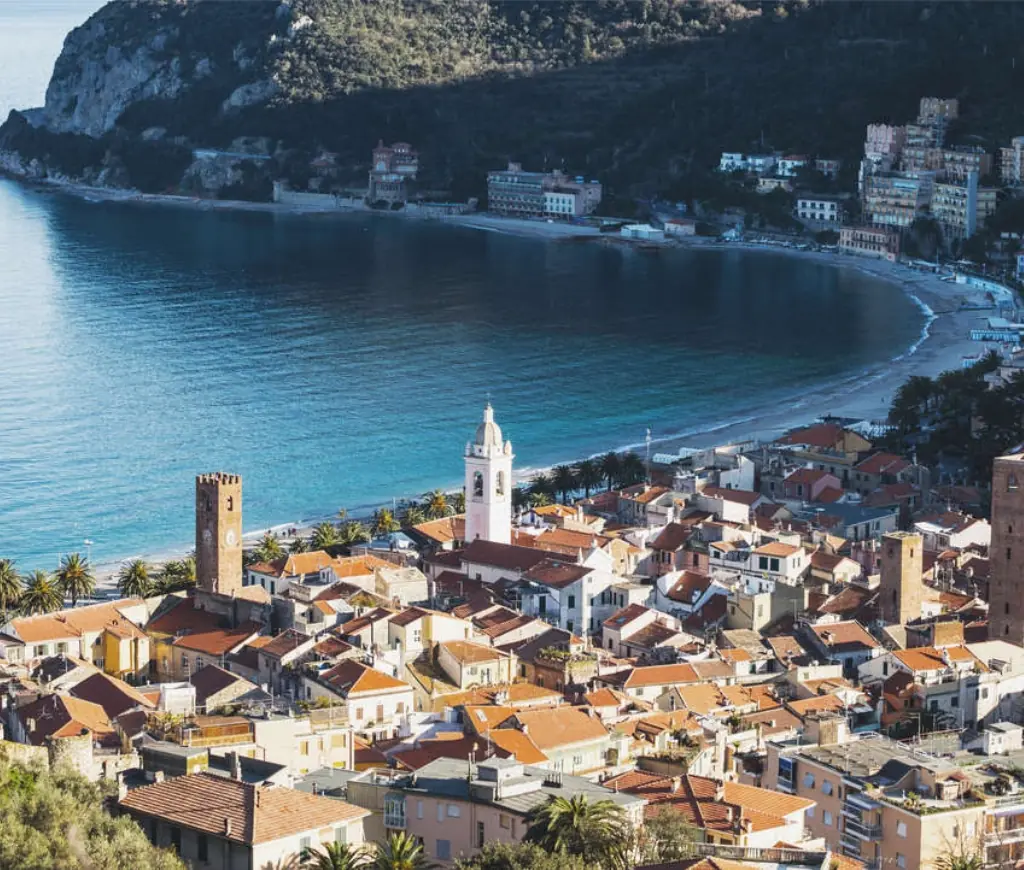
Savona, Italy
Savona, located on the Ligurian coast of Italy, is much more than just a seaport and a starting point for cruises – it is a historical and cultural treasure offering a rich experience for all lovers of art, architecture, and history. The city's numerous landmarks testify to its important role throughout the centuries. Among the most notable historical and cultural attractions is the Cathedral of San Giovanni Battista, built in the 16th century, featuring an elaborately decorated Baroque façade, frescoes, and an altarpiece dedicated to Saint John the Baptist. Nearby is Piazza del Duomo, the main city square, surrounded by important buildings such as the Town Hall (Palazzo del Comune).
A special experience is offered by the monumental Priamar Fortress from the 16th century, which used to defend the city and today provides panoramic views of the sea and hosts cultural events. Savona is also proud of the Renaissance Della Rovere Palace, associated with the powerful family of the same name, as well as the Church of San Francesco, known for its simple yet dignified architecture. History and art enthusiasts should definitely visit the Salvatori Museum, which offers insight into the city’s development through art collections, archaeological finds, and historical artifacts.
Even a short stay in Savona offers the opportunity to explore its rich historical and cultural heritage. The city is a perfect place to walk through history and enjoy the local atmosphere, providing you with an unforgettable experience.

Civitavecchia
Civitavecchia is a charming port city located on the western coast of Italy, along the Tyrrhenian Sea. Often called the "gateway to Rome," it serves as a major hub for cruise ships and ferries, welcoming millions of travelers each year who come to explore Rome and the surrounding region.
Founded in ancient times, Civitavecchia has a rich history dating back to the Roman era. The city was an important naval base and trading port, with many historical sites bearing witness to this maritime heritage. Visitors can explore the impressive Forte Michelangelo, a Renaissance fortress that overlooks the harbor and was built to defend the city. Besides being a port, Civitavecchia also offers a charming old town center with narrow streets, squares, and local markets where you can experience authentic Italian culture. The seaside promenade is perfect for enjoying a nice walk while tasting fresh seafood at traditional restaurants.
Civitavecchia is also a convenient starting point for exploring some of Italy’s most famous destinations. Rome, the Eternal City, is just about an hour away by train, where history, art, and culture await you at every corner. The surrounding area features beautiful landscapes, ancient ruins, and picturesque towns like Tarquinia and Tuscania.
Whether arriving by cruise ship or ferry, Civitavecchia is much more than just a port – it is a vibrant city full of history, culture, and Italian charm, making it an excellent gateway to discovering the treasures of central Italy.


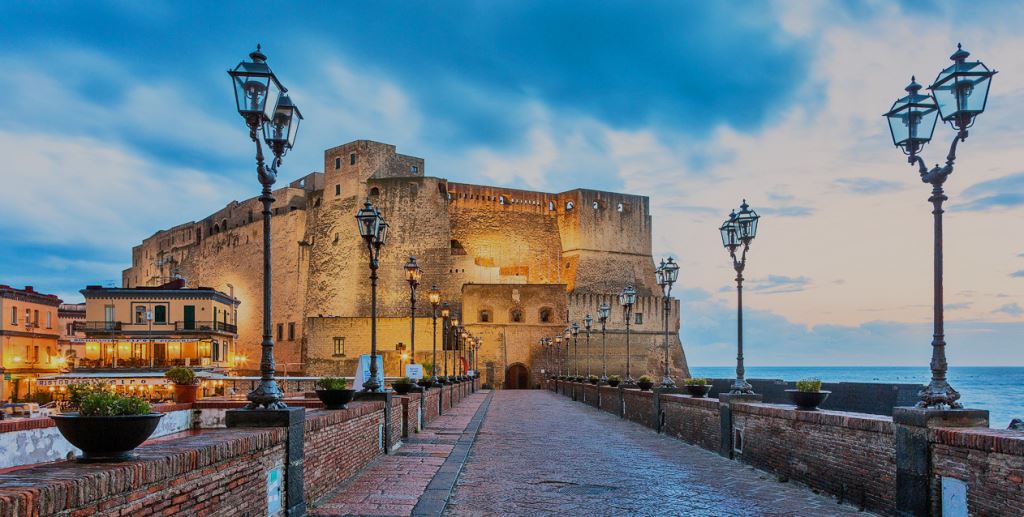
Naples (Pompeii), Italy
Naples, located on the western coast of Italy, is a city with a rich history that stretches back thousands of years. Founded as a Greek colony in the 8th century BC, the city has been shaped over time by numerous civilizations such as the Romans, Byzantines, Normans, and Spaniards, all of which contributed to its cultural and commercial importance. Today, Naples is a vibrant and modern city that retains its historical charm through narrow streets, ancient landmarks, and breathtaking views of the sea.
One of the greatest attractions in the Naples area is the active volcano Mount Vesuvius, famous for its eruption in 79 AD that buried the ancient city of Pompeii—one of the world’s most important archaeological sites. Visitors can explore well-preserved Roman houses, shops, temples, and an amphitheater, offering a glimpse into daily life nearly 2,000 years ago. In addition to Vesuvius and Pompeii, Naples is home to many other must-see sites, including the Royal Palace, the National Archaeological Museum, the stunning island of Capri, and the renowned Teatro di San Carlo, Italy’s oldest opera house. Nature lovers can explore the Cilento and Vallo di Diano National Park, a UNESCO World Heritage Site.
Naples is also famous for its unique culture, with the Neapolitan people known for their warmth, hospitality, and passion for life. The city is the birthplace of the legendary Hollywood actress Sophia Loren, and it boasts a rich musical and theatrical tradition, highlighted by the historic Teatro di San Carlo.
Neapolitan cuisine is especially distinguished by its traditional pizza, perfected in this very city. The oldest and most iconic pizzerias—such as Port’Alba, Brandi, and Da Michele—draw visitors from all over the world.
Naples offers an incredible mix of history, culture, stunning nature, and delicious food. Visitors are sure to be captivated by its charm and diversity. Whether you’re a lover of history, art, cuisine, or nature, Naples has something for everyone.

Palermo (Monreale), Italy
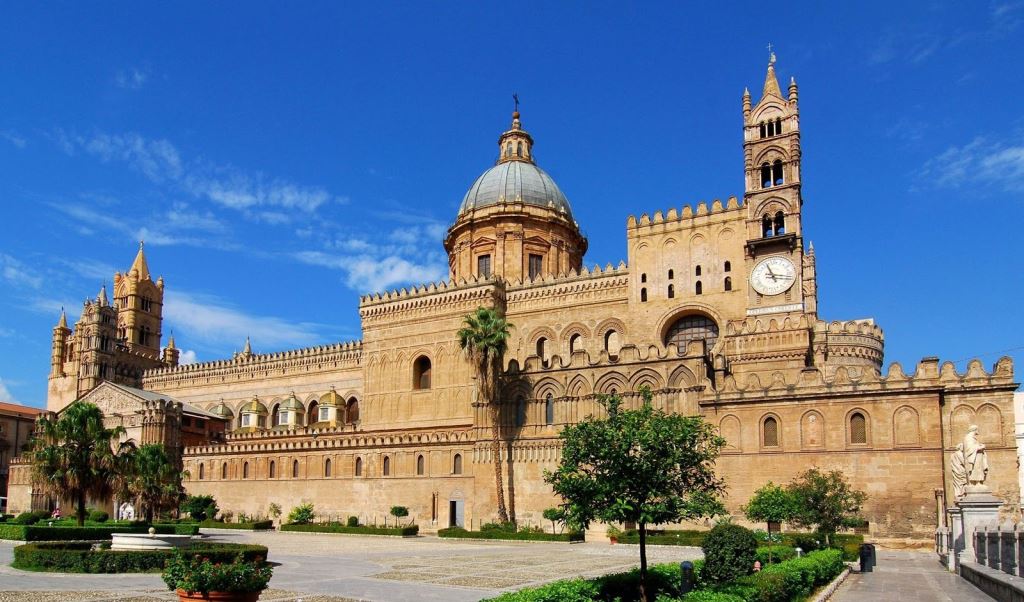
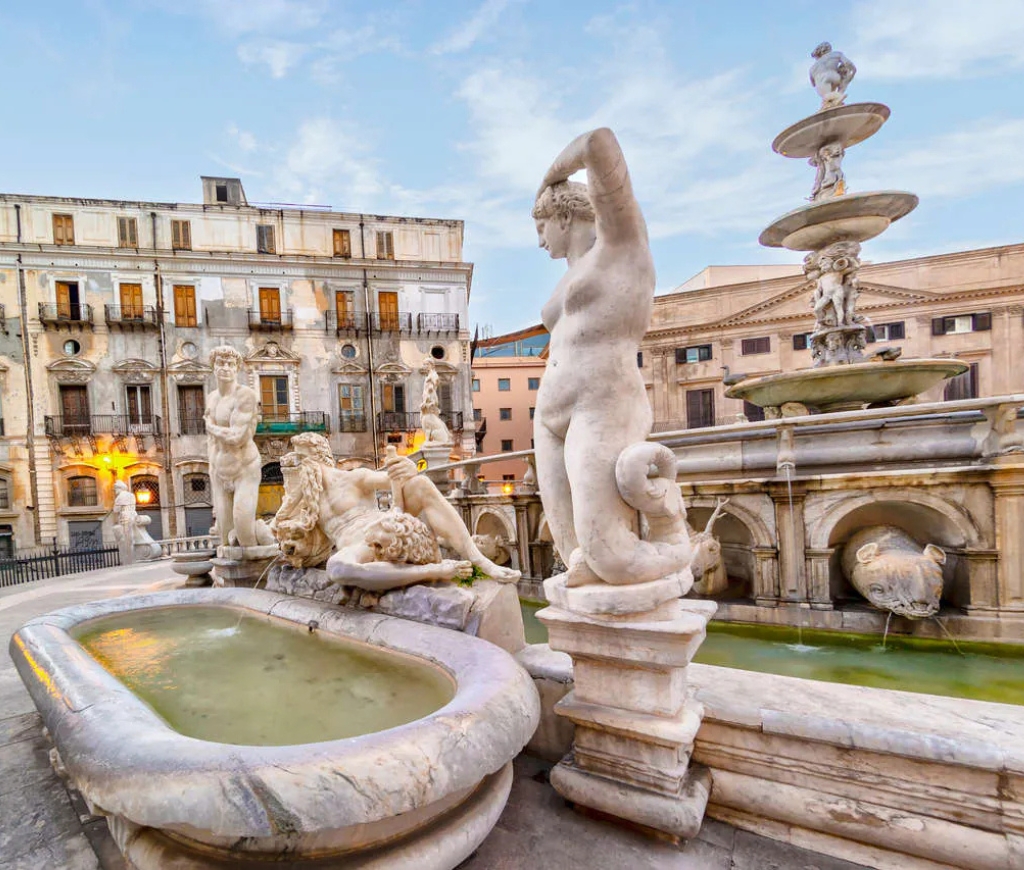
Palermo, the capital of the island of Sicily, holds exceptional historical, cultural, and gastronomic significance. Its past, which stretches back thousands of years, is clearly reflected in its architecture, traditions, and way of life.
Palermo stands out for its unique blend of cultures — Norman, Arab, Byzantine, and Spanish — which have shaped the city’s appearance and character. Among its most famous landmarks is the Palermo Cathedral, a masterpiece of Norman architecture from the 12th century. It houses the tombs of Sicilian rulers and a chapel dedicated to Saint Rosalia, the city’s patron saint. A particularly unusual yet fascinating site is the Capuchin Catacombs, where hundreds of mummified bodies are displayed, offering a glimpse into the customs and respect for the dead throughout Sicily's history. The Teatro Massimo, a monumental opera house built in the 19th century, serves as the cultural heart of the city, while Quattro Canti, a symmetrical square in the city centre, is a symbol of Baroque aesthetics and urban harmony.
Palermo’s gastronomy is a true reflection of its multicultural heritage. Standout dishes include arancini, deep-fried rice balls filled with meat, cheese, or sauces; caponata, a sweet and sour vegetable dish made with eggplant and tomatoes; and cassata, a rich dessert made of sponge cake, sweet ricotta cheese, marzipan, and candied fruit. These dishes speak to the region’s culinary creativity and centuries-old traditions.
In addition to its remarkable architecture and cuisine, Palermo takes pride in its famous citizens, such as anti-mafia judge Giovanni Falcone, composer Alessandro Scarlatti, and painter Renato Guttuso. Surrounded by natural beauty — the sea, beaches, and mountains — the city is ideal for those seeking a blend of history, culture, and relaxation.
In conclusion, Palermo is a city of contrasts and layers — of grand history, vibrant present, and warm, welcoming people. Its strength lies in its ability to preserve the past while embracing the modern, offering visitors an authentic Sicilian experience that lingers long after they leave.
La Valletta
Valletta, the capital of the island of Malta and a UNESCO-protected port, is one of the must-see stops on a Mediterranean cruise. With over 300 monuments rising within just over half a square kilometer, along with its beaches, coastal venues, and restaurants, Valletta is a city truly worth visiting.
Visitors are captivated by the famous Maltese balconies that adorn the facades of houses in the old town, the multitude of churches that locals claim are as many as the days of the year, and the St. John’s Co-Cathedral, one of Malta’s greatest tourist attractions. On the other hand, the National Museum of Archaeology preserves prehistoric artifacts found on the island. Near the Grand Harbour, you can explore the underground passages of Auberge de Castille and the beautiful Baracca Gardens overlooking the harbor.
To experience the life of Malta’s old nobility, visit Casa Rocca Piccola. This 16th-century palace is furnished with period pieces and includes a bomb shelter built for protection during World War II.
Today, Malta is a center of fishing, craftsmanship, and tourism, with the bustling, walled city of Valletta serving as its administrative, commercial, and political capital.

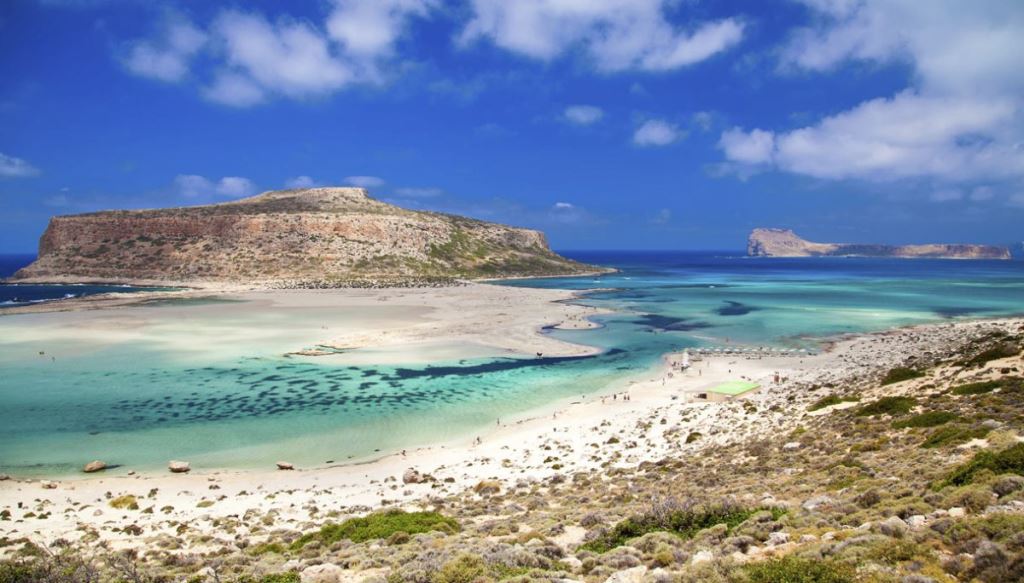
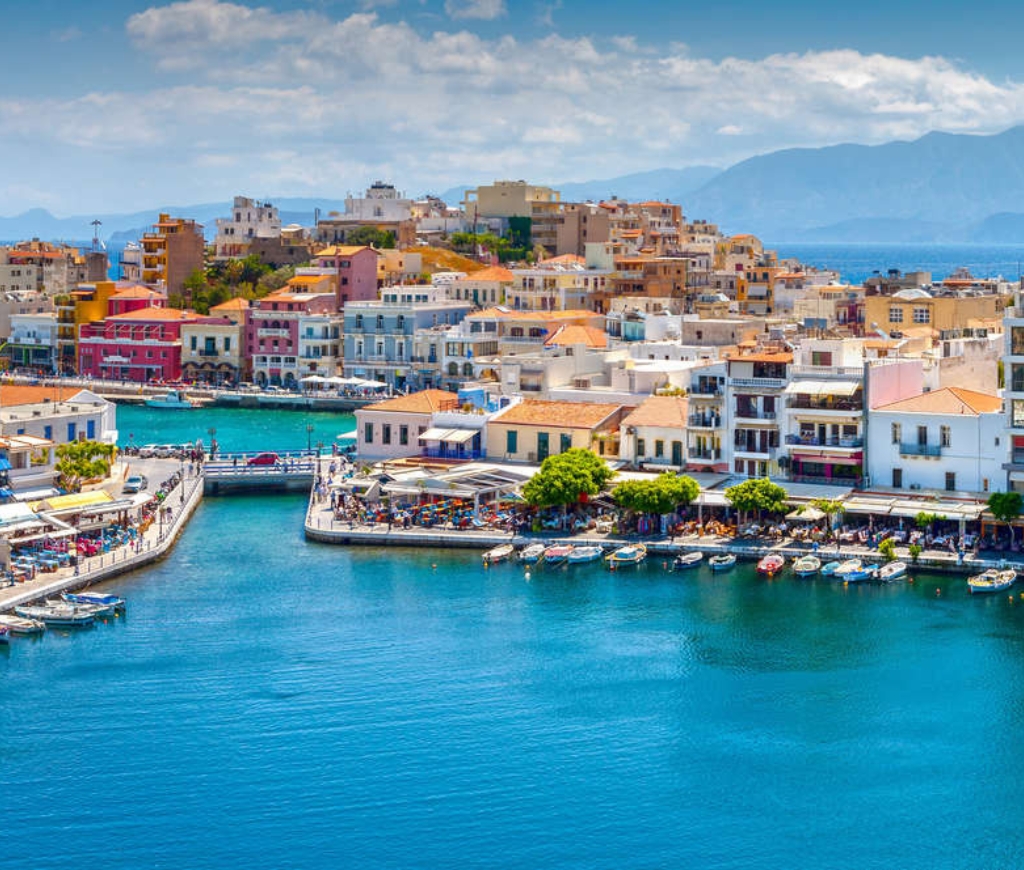
Heraklion (Crete), Greece
Heraklion is the capital and largest city of Crete, located on the northeastern coast of Greece’s largest island. This dynamic city is a blend of rich history, vibrant culture, and modern urban life, making it an essential destination for anyone wanting to experience the authentic Cretan atmosphere.
Heraklion is best known for its archaeological sites, especially the Palace of Knossos — one of the most significant historical landmarks in Crete, which served as the ceremonial and political center of the Minoan civilization and culture. In addition to its historical attractions, the city offers narrow streets in the old town, colorful markets such as the Morosini Market, traditional tavernas, and museums that tell the story of Crete’s rich past and heritage.
The port of Heraklion is lively and busy, surrounded by restaurants, cafés, and shops, while the seaside promenade provides an ideal setting for relaxing walks with views of the Aegean Sea. The city boasts an excellent culinary scene — from fresh seafood and local specialties to contemporary restaurants offering innovative dishes. Traditional music nights and local customs add a special charm to the experience.
Heraklion is also a great base for exploring the rest of Crete, whether you're interested in beaches, hiking, or visiting picturesque villages. The city successfully combines urban life with traditional charm, offering visitors the opportunity to experience the best of Crete — its history, nature, culture, and hospitality.
Piraeus/Athens
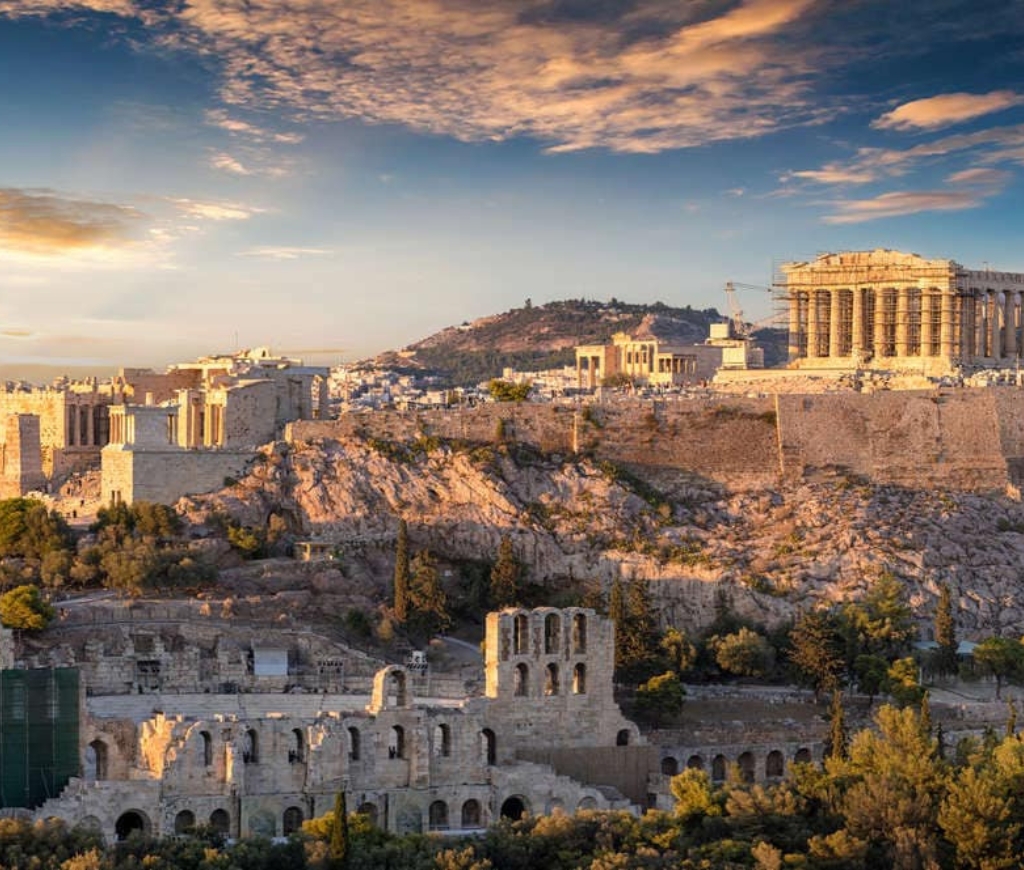
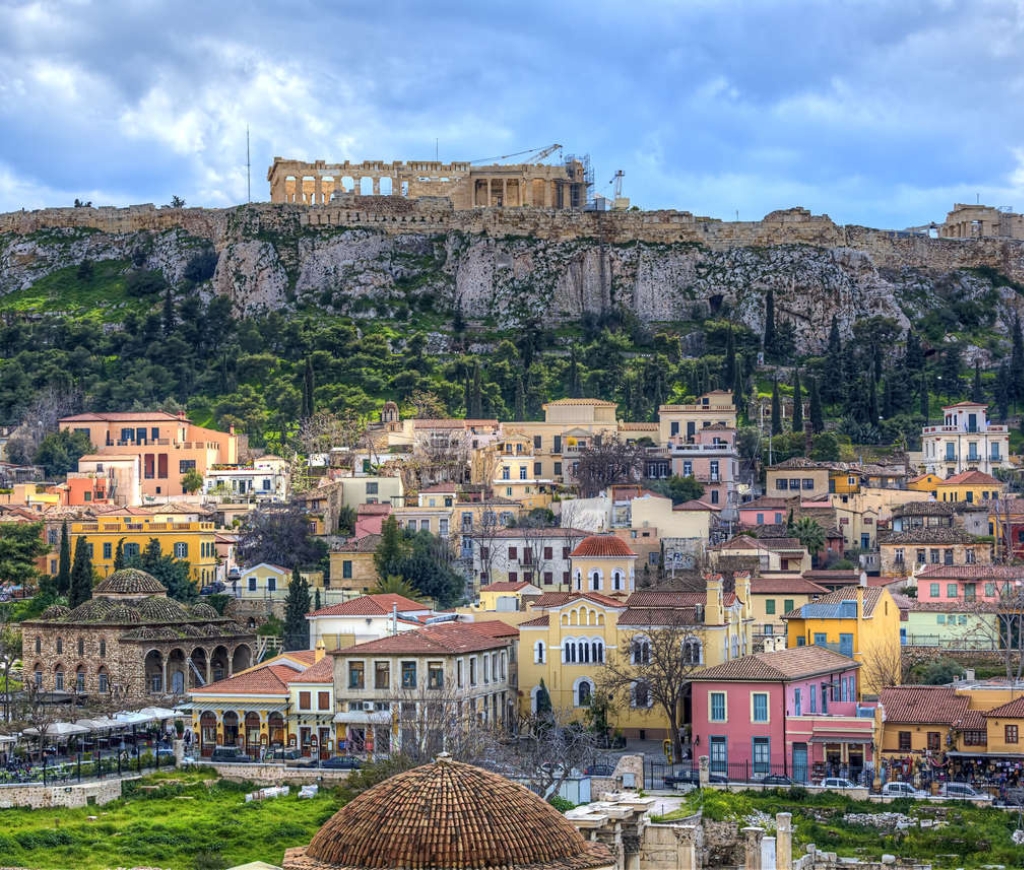
Athens – the Cradle of Democracy, Philosophy, and Ancient Civilization. Located on the shores of the Mediterranean Sea, Athens is one of the most important cities of the ancient world. Named after Athena, the goddess of wisdom, the city has long been a center of democracy, philosophy, and the arts. Athens played a key role in the development of democracy and was home to great philosophers such as Socrates, Plato, and Aristotle.
Athens boasts numerous historical monuments and archaeological sites, the most significant being the Acropolis – a UNESCO World Heritage Site and the pinnacle of ancient Greek architecture and art. The Acropolis includes the Parthenon, Erechtheion, Propylaea, and the Temple of Athena Nike.
Today, Athens is a vibrant city with over 3 million residents, blending its rich history with modern life, a dynamic cultural scene, and exceptional cuisine. Traditional dishes like souvlaki, moussaka, gyros, and spanakopita offer an authentic taste of Greek gastronomy.
Athens remains a destination that captivates visitors with its history, culture, and unique blend of the ancient and contemporary worlds.
Istanbul, Turkey
Istanbul – one city, two continents. Known throughout history as Byzantium and Constantinople, Istanbul has served as the capital of great empires over the centuries, leaving behind a rich legacy visible at every turn. Today, Istanbul is a modern metropolis with over six million residents, yet it continues to preserve its traditions and deep connection to its roots.
The city is filled with iconic landmarks such as Hagia Sophia, an awe-inspiring structure now serving as a museum, offering visitors a stunning blend of Byzantine and Ottoman architecture; Topkapi Palace, the former residence of Ottoman sultans; and the magnificent Blue Mosque, famous for its striking blue ceramic tiles. The Galata Bridge connects the two continents and buzzes with life, while the Grand Bazaar—one of the largest and oldest covered markets in the world—offers a unique shopping experience and a meeting point of cultures. A special part of Istanbul’s heritage are its mysterious cisterns, such as the Basilica Cistern, an underground water reservoir from the 6th century.
Istanbul is also a paradise for food lovers. Traditional Turkish cuisine here blends with Middle Eastern and Mediterranean flavors. Must-try dishes include kebabs, meze, baklava, lahmacun, pide, Turkish tea (çay) and raki, the local anise-flavored spirit. Food is not just about nourishment here—it’s a central part of the culture, social life, and enjoyment.
As the only city in the world that spans two continents, Istanbul offers a truly unique experience where history and modern life meet at every corner. It’s a city that captivates with its contrasts, richness, and spirit that has lasted for millennia.

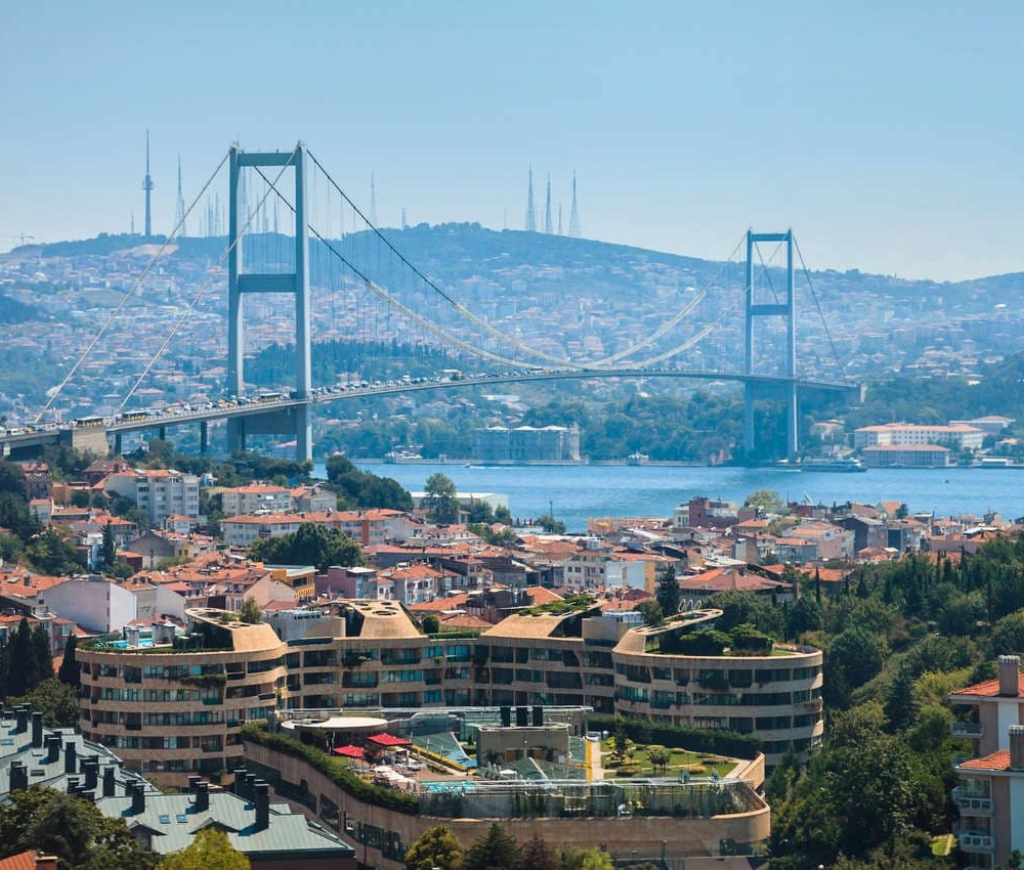
Izmir (Ephesus), Turkey
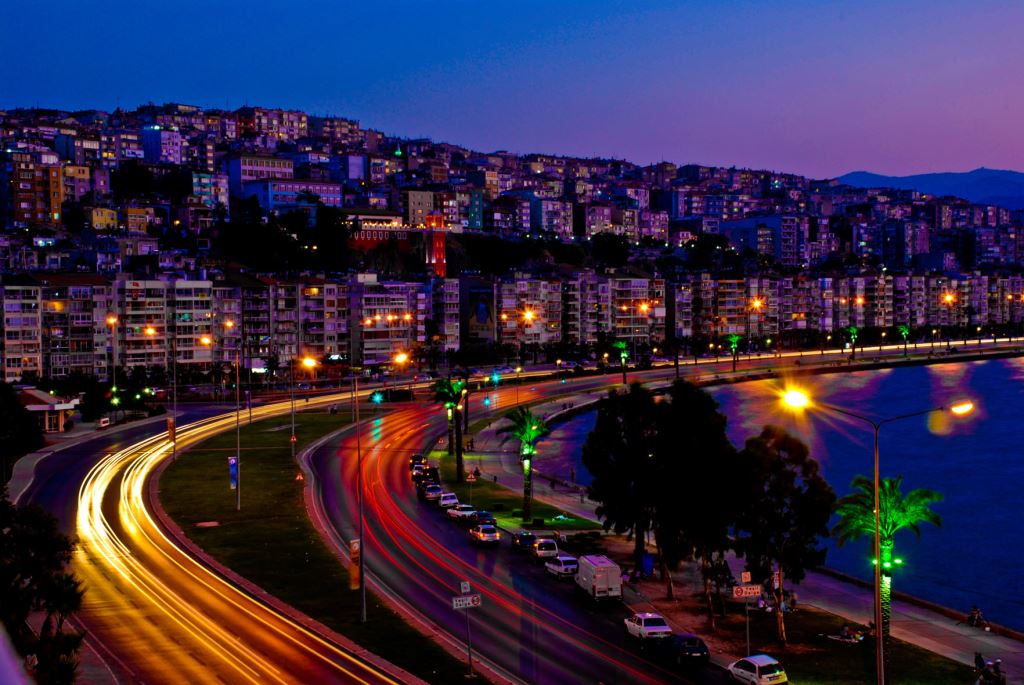
Izmir is a vibrant and modern port city located on the western coast of Turkey, along the Aegean Sea. As the third-largest city in Turkey, Izmir combines a rich history, dynamic culture, and contemporary urban life, making it one of the most fascinating cities in the region.
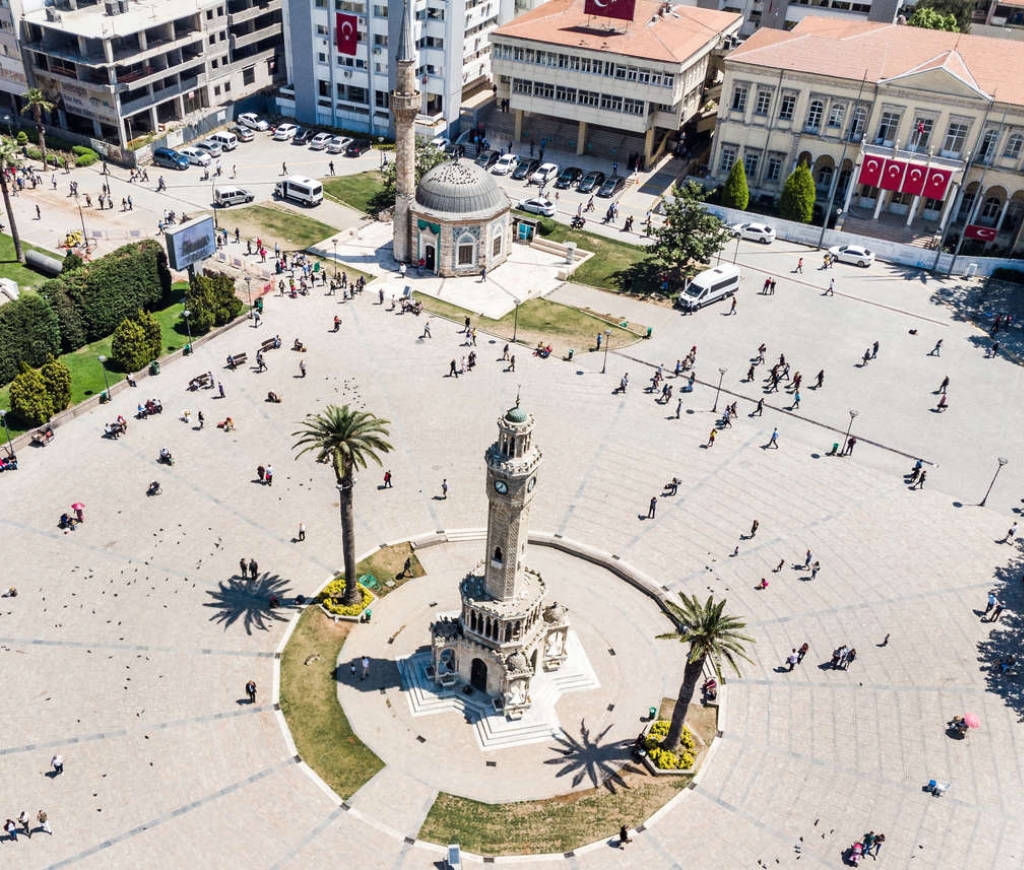
The city boasts a long history dating back thousands of years, with numerous archaeological sites and monuments reflecting the influences of the Greeks, Romans, Byzantines, and the Ottoman Empire. One of its most famous landmarks is the Old Town (Konak), featuring the iconic clock tower, colorful markets such as the Kemeraltı Bazaar, and a variety of museums and cultural centers. Alongside its rich history, Izmir offers modern infrastructure, seaside promenades, restaurants serving both traditional and contemporary cuisine, and a lively nightlife. The Kordon promenade, a long coastal walkway, is an ideal place for relaxing strolls, cafes, and enjoying views of the sea and sunsets.
The surroundings of Izmir provide many opportunities for day trips — from the famous ancient city of Ephesus, the thermal springs in Çeşme, to the picturesque coastal towns of Alaçatı and Foça. Additionally, Izmir is known for its festivals, art events, and the hospitality of its locals.
Izmir is a perfect destination for those looking to experience a blend of rich history, vibrant culture, and natural beauty along the Aegean coast, away from the tourist crowds.
Volos, Greece
Volos is a vibrant town located on the northern coast of the Pagasetic Gulf, known as an important port city with a rich history and dynamic urban life. This city blends traditional Mediterranean charm with modern amenities, making it an ideal destination for those looking to explore the region’s nature, culture, and gastronomy.
The history of Volos dates back to ancient times and can be explored today through archaeological sites, museums, and historic districts. The city also serves as a gateway to the picturesque villages of Mount Pelion—a mountain that enchants visitors with its lush landscapes, traditional houses, and numerous hiking trails.
A walk along the Volos seafront reveals a wealth of cafés, tavernas, and restaurants where visitors can enjoy fresh seafood and local specialties, such as the famous tsipouro and dishes prepared with locally sourced ingredients. Volos is also known as a gastronomic destination, offering a rich variety of seafood delicacies and traditional Greek flavors.
In addition to its natural beauty and cultural heritage, Volos offers a pleasant nightlife and numerous festivals and events throughout the year, making it appealing to a wide range of travelers. It is the perfect place for those seeking a refined combination of urban energy, historical landmarks, and proximity to nature—offering an authentic experience of central Greece.

Santorini, Greece
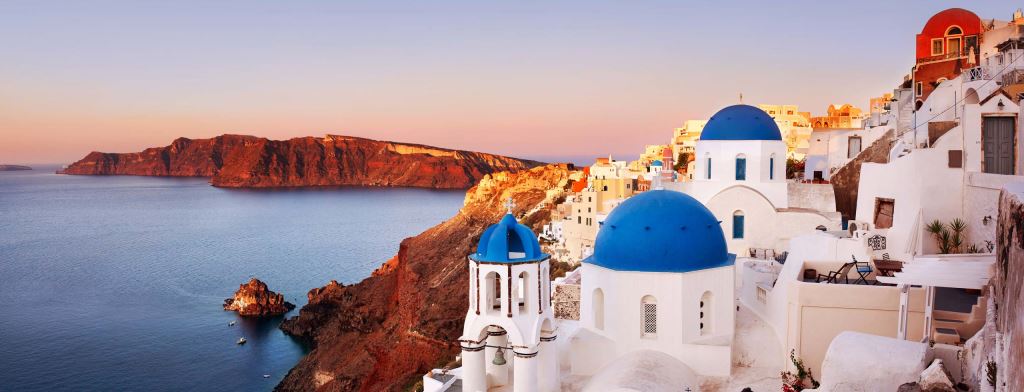
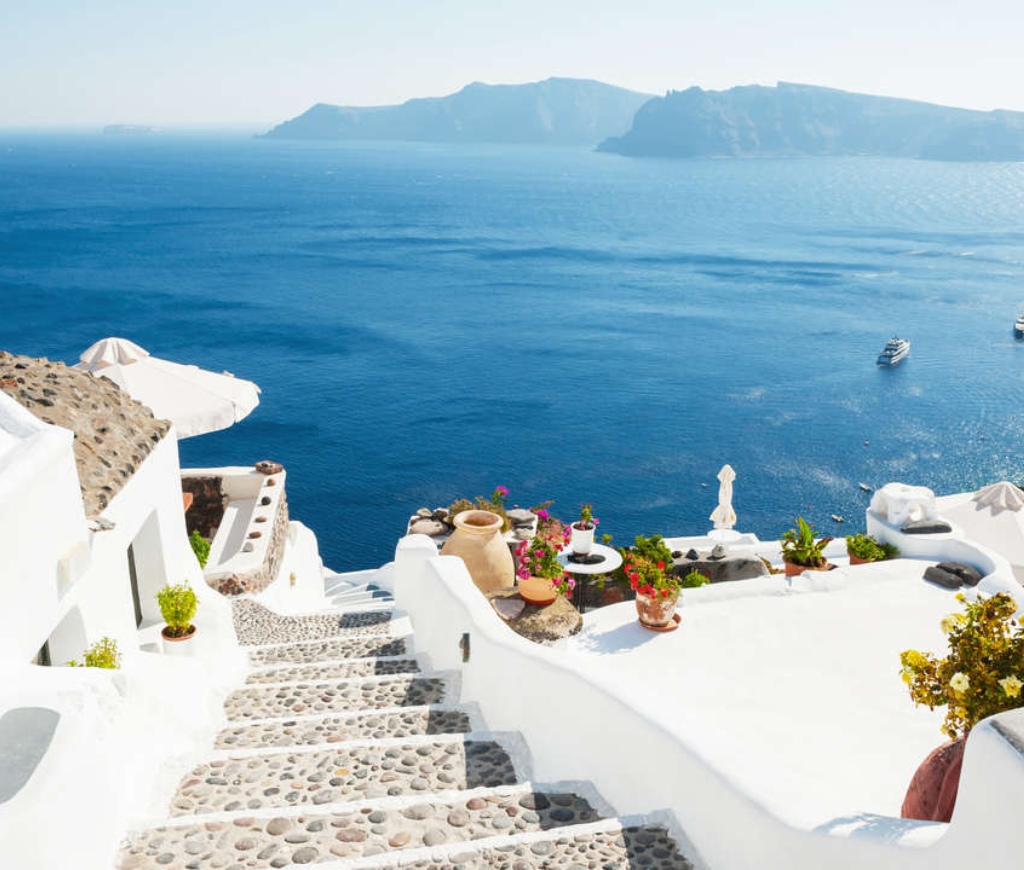
Santorini is one of the most recognizable and romantic Greek islands, located in the southern part of the Aegean Sea, within the Cyclades island group. Known for its spectacular sunsets, white houses with blue domes, and dramatic volcanic landscape, Santorini offers a unique experience that combines natural beauty, rich history, and an elegant atmosphere.
The island’s capital, Fira, takes your breath away with its views over the sea and surrounding islands. Its narrow streets are filled with shops, restaurants, bars, and museums, while nearby Oia, world-famous for its fairy-tale sunsets, enchants visitors with its charm. Traditional villages like Pyrgos, Emporeia, and Megalochori offer a glimpse into the island’s quieter and more authentic side.
Santorini is also an island of wine – thanks to its volcanic soil, local wines, especially Assyrtiko, are considered among the best in Greece. Visitors can tour many wineries and taste local varieties while enjoying views of the sea and vineyards. For history lovers, a visit to the archaeological site of Akrotiri is a must – an ancient Minoan city buried by a volcanic eruption.
The island also features unique beaches such as the Red Beach, Black Beach (Perissa), and White Beach, each showcasing the volcanic origins of Santorini through their color and texture. The island is equally known for its luxury hotels with infinity pools, private terraces, and panoramic views, offering the perfect setting for relaxation.
Whether you're looking for a romantic escape, cultural discovery, or simply a seaside holiday, Santorini delivers an unforgettable experience in one of the most beautiful settings in the Mediterranean.
Nauplia

Piraeus/Athens
Athens – the Cradle of Democracy, Philosophy, and Ancient Civilization. Located on the shores of the Mediterranean Sea, Athens is one of the most important cities of the ancient world. Named after Athena, the goddess of wisdom, the city has long been a center of democracy, philosophy, and the arts. Athens played a key role in the development of democracy and was home to great philosophers such as Socrates, Plato, and Aristotle.
Athens boasts numerous historical monuments and archaeological sites, the most significant being the Acropolis – a UNESCO World Heritage Site and the pinnacle of ancient Greek architecture and art. The Acropolis includes the Parthenon, Erechtheion, Propylaea, and the Temple of Athena Nike.
Today, Athens is a vibrant city with over 3 million residents, blending its rich history with modern life, a dynamic cultural scene, and exceptional cuisine. Traditional dishes like souvlaki, moussaka, gyros, and spanakopita offer an authentic taste of Greek gastronomy.
Athens remains a destination that captivates visitors with its history, culture, and unique blend of the ancient and contemporary worlds.
Available cabins for Fri. 09.04. - Fri. 23.04.2027.


Costa Pacifica
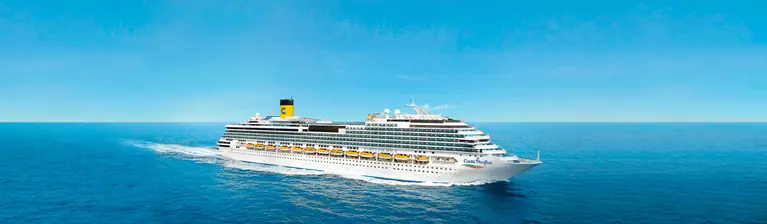
Welcome on board Costa Pacifica
The sea moves to its own rhythm and on board Costa Pacifica any time is the right time to dance! All the decks bear the name of a famous musician, and all the décor is a perfect mix of lights and colours. Music is the theme that runs through everything on board. Enjoy a musical in the evening or an exciting theatre show, use the slides to plunge into the pools and then relax with an aperitif at sunset overlooking the sea, it will be music to your ears.
Featured activities