

Costa Favolosa: HAM - HAM - HAM11A05
1 available date
Itinerary
Hamburg, Germany
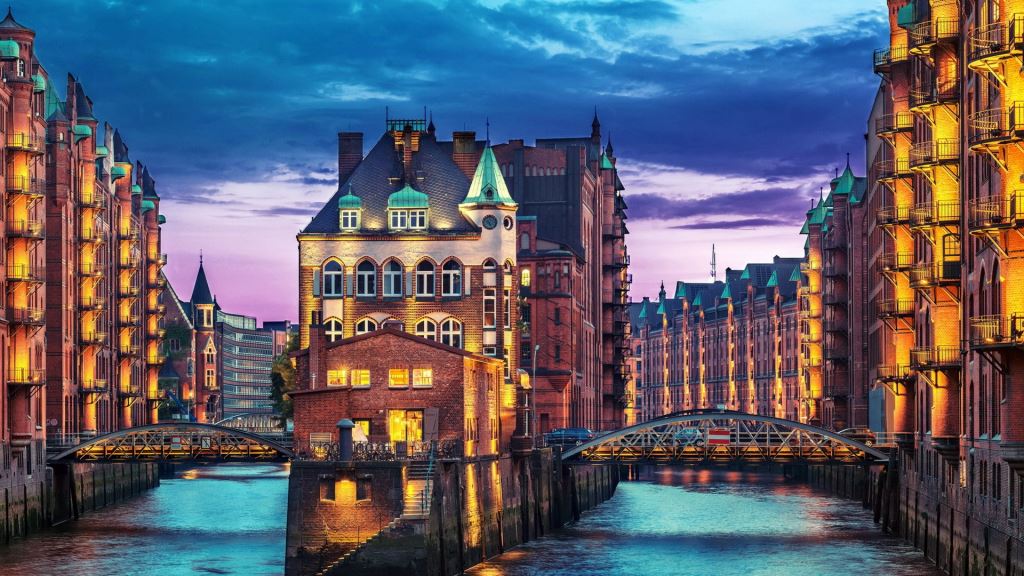
Founded in 808 by Charlemagne, the fortress of Hammaburg was the original nucleus of Hamburg. The city immediately grew thanks to the institution of the archbishop’s see. Following the invasions of the Vikings, the Danes and the Slavs, Hamburg formed an alliance with the German cities of Bremen and Lubeck forming the Hanseatic League, which was to have a strong commercial influence in the North and Baltic Seas. Occupied by the French from 1806-11 during the Napoleonic wars, Hamburg became part of the German Confederation in 1815. The city was devastated by the bombardments of World War II which claimed 40,000 victims, but the post-war reconstruction saw Hamburg regain its historical and commercial importance as well as primary roles in industry and culture. With a population of over 1.7 million it is Germany’s second city after Berlin. In fact Hamburg is not just a city but also a city-state - Freie und Hansestadt Hamburg (the Free and Hanseatic City of Hamburg) – and is one of the 16 Länder that form the Bundesrepublik, the Federal Republic of Germany. Only the capital Berlin and nearby Bremen have been afforded the same status.
Hamburg stands at the point at which the Alster and Bille flow into the River Elbe, around 110km from the North Sea. It is one of Europe’s busiest and most important ports and is connected to a large proportion of the continent via canals and other waterways. The building of the Kiel Canal in 1895 further increased traffic in the port making water transport between the city and the Baltic region that much easier. The port extends across the entire width of the Elbe, covering an area of around 40km2, and stands principally on the south bank of the river. One of the most characteristic areas of the city is around the Speicherstadt, the free port or warehouse district constructed between 1881 and 1887, where the buildings stand right on the edges of the canals. This district is also home to the majestic Kohlbrandbrücke bridge, the new emblem of Hamburg.
Meanwhile on the north bank of the Elbe, directly opposite the old port, are the modern districts of St. Pauli and Altona, the ideal places for those looking for an evening of entertainment. As well as being the heart of Hamburg’s nightlife, the area is famous for the Reeperbahn red-light district. The banks of the river are connected by bridges and two tunnels: one for pedestrians and cyclists built in 1911 and the other, the Elbtunnel, designed for transport and constructed in 1975. Before flowing into the Elbe the Alster forms two lakes, the Aussenalster and the Binnenalster. From these two basins the water is channelled into the network of waterways that makes Hamburg distinctive.
The Binnenalster, with the famous Alster fountain at its centre, is flanked by the historic town centre, the most elegant area of the city. At the heart of the Alstadt is the town hall (the Rathaus), which, built in 1897, boasts 646 rooms and dominates the square of the same name (Rathausmarkt) and also houses the stock exchange. Not far away you can also visit St. Peter’s Church, construction of which began in the 12th century. Other religious buildings of particular interest are the churches of St. Jacob (13th-15th century), St. Catherine (14th-15th century) and St. Michael, which dates back to the end of the 18th century. Also of note are the best examples of 20th century architecture that characterise a large part of the new city and its cultural buildings: the Musikhalle (1904-1908), the Landungsbrücken (1909), the Chilehaus (1923), the Shell-Haus (1931), and the Amerikahaus (1957). Capital of Germany when it comes to musicals, Hamburg has one of the most lively and enterprising cultural scenes in Europe: the city has 31 theatres, 6 comedy theatres, 10 cabaret theatres and 50 state and private museums.
Most well-known of the museums is the Hamburger Kunsthalle which has been restored many times since its opening in 1869. Here you will find a large collection of paintings by European artists such as Manet, Munch and Rembrandt, as well as works from the German Romantic painters such as Friedrich and Otto Runge. 1997 saw the opening of the Gallery of Contemporary Art Wing, a cube-like structure designed by Mathias Ungers.

Haugesund, Norway

Leknes, Norway
Honningsvag (North Cape), Norway
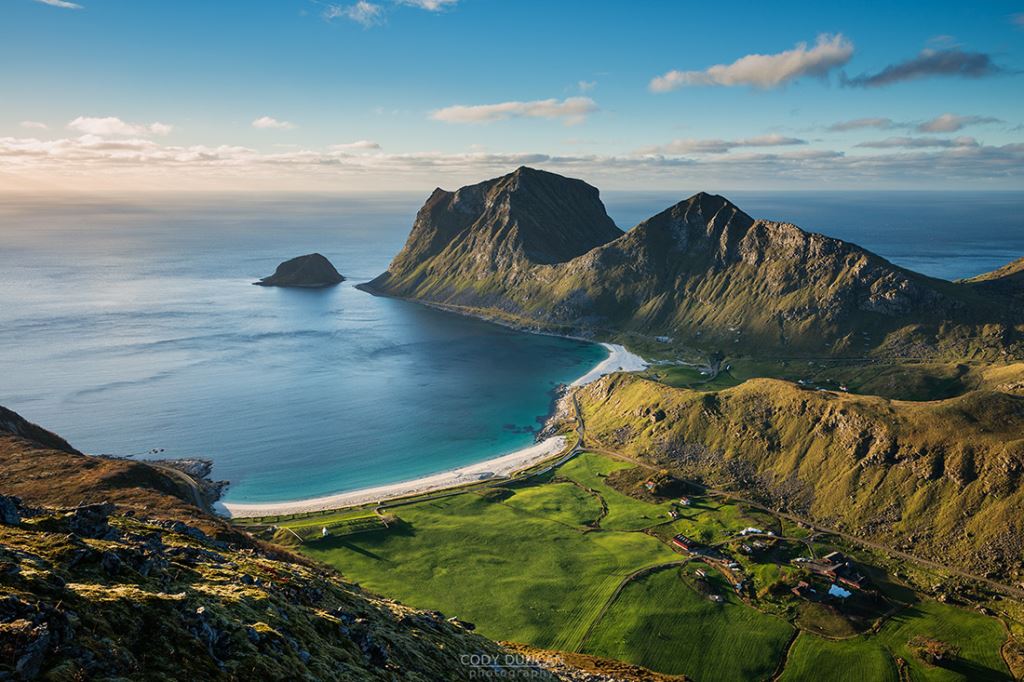
The gateway to the North Cape, Honningsvag was in mediaeval times believed to lie on the edge of the world. The region is one of icy winds and the land of the midnight sun and offers the visitor spectacular landscapes and stunning views. The rocky promontory of North Cape was first discovered in 1553 by English captain Richard Chancellor while on an ultimately unsuccessful attempt to find a new passage to China. The captain, however, developed significant commerce on the Russian coast at Mourmansk and became very wealthy.
The first organised tour to the North Cape was by ship in 1875 through the English Cook agency. The ship had to anchor at Hornvika, just below North Cape and the remaining journey was done on foot. It reportedly took the visitors one-hour to climb the 307 metres to the peak of North Cape, overlooking the Arctic Ocean at the top of the European continent.
In 1956 a road was constructed between Honningsvag and North Cape, heralding a period of substantial commerce for the region. North Cape is situated on Mageroy Island, which since 1998 has been connected to the mainland by a 7km tunnel. The road from Honningsvag to North Cape is 34km long and the 45-minute journey passes through beautiful Arctic landscape.
The focal point for visitors to North Cape is the Pavilion, built in 1988, which through a 75-metre tunnel connects to a large cave dug out the rock where a terrace bar offers striking views over the Arctic Ocean. The Pavilion also has a number of restaurants and a cinema showing films about North Cape and various expeditions. Outside the Pavilion are the Globe, a symbol of North Cape, and a large sculpture in the shape of seven medallions. The sculpture, called Children of the Earth, is the work of seven youngsters who visited North Cape in 1988 and is meant to convey joy, peace, friendship and solidarity.


Honningsvag (North Cape), Norway
The gateway to the North Cape, Honningsvag was in mediaeval times believed to lie on the edge of the world. The region is one of icy winds and the land of the midnight sun and offers the visitor spectacular landscapes and stunning views. The rocky promontory of North Cape was first discovered in 1553 by English captain Richard Chancellor while on an ultimately unsuccessful attempt to find a new passage to China. The captain, however, developed significant commerce on the Russian coast at Mourmansk and became very wealthy.
The first organised tour to the North Cape was by ship in 1875 through the English Cook agency. The ship had to anchor at Hornvika, just below North Cape and the remaining journey was done on foot. It reportedly took the visitors one-hour to climb the 307 metres to the peak of North Cape, overlooking the Arctic Ocean at the top of the European continent.
In 1956 a road was constructed between Honningsvag and North Cape, heralding a period of substantial commerce for the region. North Cape is situated on Mageroy Island, which since 1998 has been connected to the mainland by a 7km tunnel. The road from Honningsvag to North Cape is 34km long and the 45-minute journey passes through beautiful Arctic landscape.
The focal point for visitors to North Cape is the Pavilion, built in 1988, which through a 75-metre tunnel connects to a large cave dug out the rock where a terrace bar offers striking views over the Arctic Ocean. The Pavilion also has a number of restaurants and a cinema showing films about North Cape and various expeditions. Outside the Pavilion are the Globe, a symbol of North Cape, and a large sculpture in the shape of seven medallions. The sculpture, called Children of the Earth, is the work of seven youngsters who visited North Cape in 1988 and is meant to convey joy, peace, friendship and solidarity.
Kristiansund
Alesund, Norway
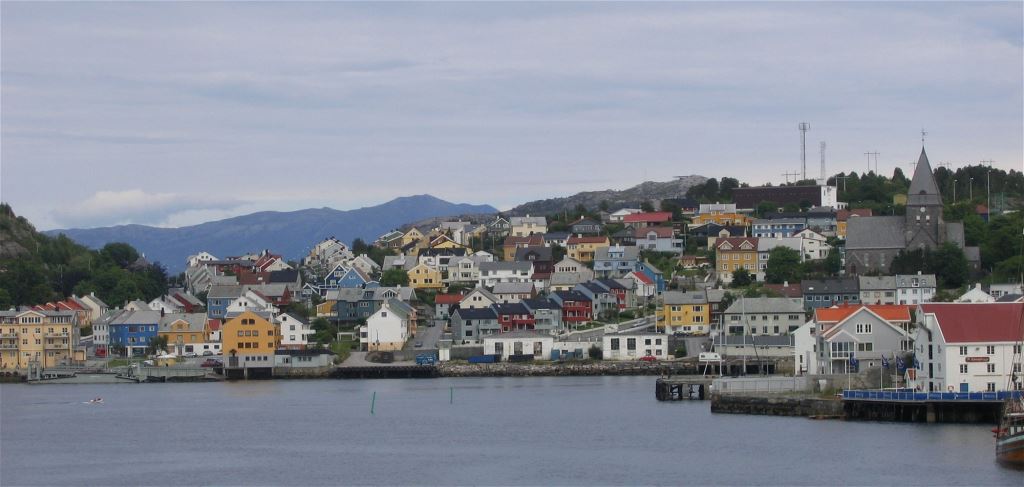
Visiting Ålesund on a Northern Europe cruise means stepping into a fairy-tale atmosphere. After a devastating fire, the town was rebuilt in the early 20th century in an impressive Art Nouveau style.
The streets of Ålesund are filled with charming turrets, spires, and beautiful decorative details that give the town its unique character. You can admire the heart of Ålesund from above by climbing the 418 steps to the panoramic viewpoint of Mount Aksla, which offers stunning views of the surrounding islands and the Sunnmøre Alps.
Alternatively, take a scenic walk to Sukkertoppen (“Sugar Peak”), starting from Hessa. For a deeper experience of traditional coastal architecture, visit the island of Godøy, home to the picturesque fishing village of Alnes, located right by the beach. There you’ll find local crafts and homemade delicacies sold in charming courtyard stalls.
A visit to Geirangerfjord is also a must — one of the most beautiful and famous fjords in the world, and a UNESCO World Heritage Site. If you're up for more adventure, try the Ørnevegen (“Eagle Road”), a winding mountain pass that climbs from sea level to 620 metres through just 11 sharp hairpin bends!
Ålesund is a city where Norwegian character, European elegance, and dramatic nature come together. Whether you’re a lover of architecture, landscapes, photography, or simply in search of peace in one of Europe’s most beautiful corners – Ålesund will not disappoint.

Hamburg, Germany
Founded in 808 by Charlemagne, the fortress of Hammaburg was the original nucleus of Hamburg. The city immediately grew thanks to the institution of the archbishop’s see. Following the invasions of the Vikings, the Danes and the Slavs, Hamburg formed an alliance with the German cities of Bremen and Lubeck forming the Hanseatic League, which was to have a strong commercial influence in the North and Baltic Seas. Occupied by the French from 1806-11 during the Napoleonic wars, Hamburg became part of the German Confederation in 1815. The city was devastated by the bombardments of World War II which claimed 40,000 victims, but the post-war reconstruction saw Hamburg regain its historical and commercial importance as well as primary roles in industry and culture. With a population of over 1.7 million it is Germany’s second city after Berlin. In fact Hamburg is not just a city but also a city-state - Freie und Hansestadt Hamburg (the Free and Hanseatic City of Hamburg) – and is one of the 16 Länder that form the Bundesrepublik, the Federal Republic of Germany. Only the capital Berlin and nearby Bremen have been afforded the same status.
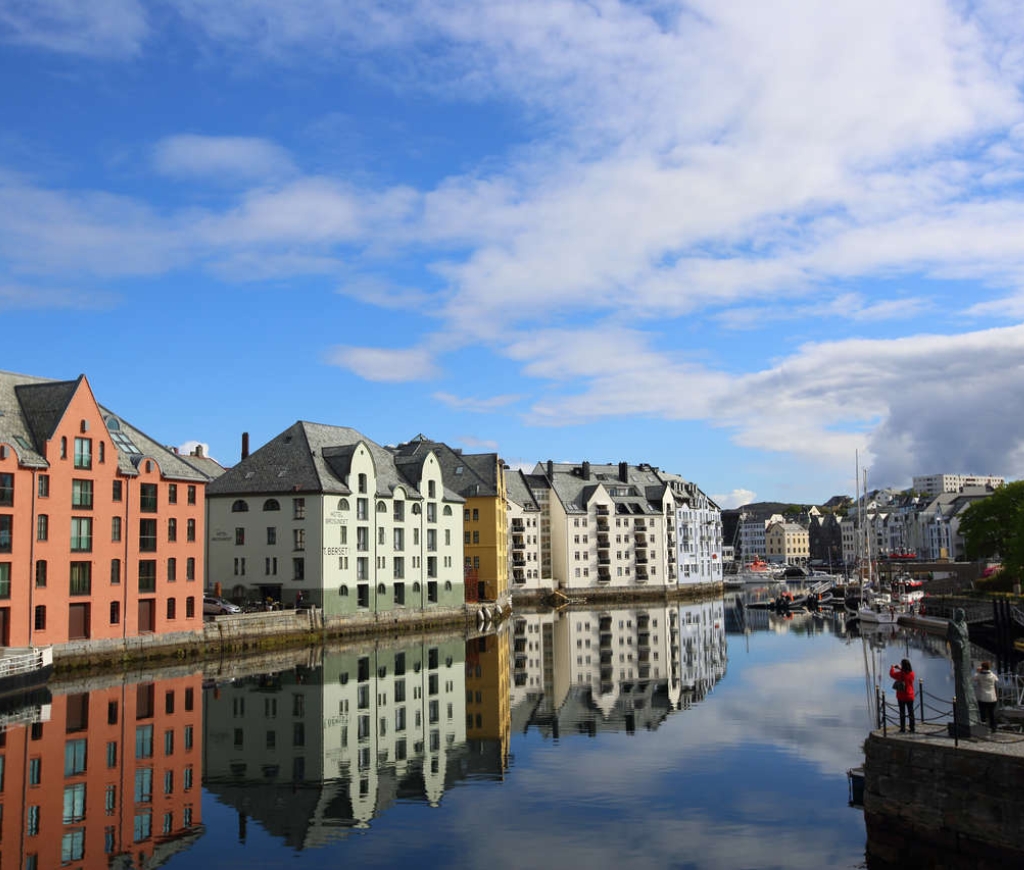
Hamburg stands at the point at which the Alster and Bille flow into the River Elbe, around 110km from the North Sea. It is one of Europe’s busiest and most important ports and is connected to a large proportion of the continent via canals and other waterways. The building of the Kiel Canal in 1895 further increased traffic in the port making water transport between the city and the Baltic region that much easier. The port extends across the entire width of the Elbe, covering an area of around 40km2, and stands principally on the south bank of the river. One of the most characteristic areas of the city is around the Speicherstadt, the free port or warehouse district constructed between 1881 and 1887, where the buildings stand right on the edges of the canals. This district is also home to the majestic Kohlbrandbrücke bridge, the new emblem of Hamburg.
Meanwhile on the north bank of the Elbe, directly opposite the old port, are the modern districts of St. Pauli and Altona, the ideal places for those looking for an evening of entertainment. As well as being the heart of Hamburg’s nightlife, the area is famous for the Reeperbahn red-light district. The banks of the river are connected by bridges and two tunnels: one for pedestrians and cyclists built in 1911 and the other, the Elbtunnel, designed for transport and constructed in 1975. Before flowing into the Elbe the Alster forms two lakes, the Aussenalster and the Binnenalster. From these two basins the water is channelled into the network of waterways that makes Hamburg distinctive.
The Binnenalster, with the famous Alster fountain at its centre, is flanked by the historic town centre, the most elegant area of the city. At the heart of the Alstadt is the town hall (the Rathaus), which, built in 1897, boasts 646 rooms and dominates the square of the same name (Rathausmarkt) and also houses the stock exchange. Not far away you can also visit St. Peter’s Church, construction of which began in the 12th century. Other religious buildings of particular interest are the churches of St. Jacob (13th-15th century), St. Catherine (14th-15th century) and St. Michael, which dates back to the end of the 18th century. Also of note are the best examples of 20th century architecture that characterise a large part of the new city and its cultural buildings: the Musikhalle (1904-1908), the Landungsbrücken (1909), the Chilehaus (1923), the Shell-Haus (1931), and the Amerikahaus (1957). Capital of Germany when it comes to musicals, Hamburg has one of the most lively and enterprising cultural scenes in Europe: the city has 31 theatres, 6 comedy theatres, 10 cabaret theatres and 50 state and private museums.
Most well-known of the museums is the Hamburger Kunsthalle which has been restored many times since its opening in 1869. Here you will find a large collection of paintings by European artists such as Manet, Munch and Rembrandt, as well as works from the German Romantic painters such as Friedrich and Otto Runge. 1997 saw the opening of the Gallery of Contemporary Art Wing, a cube-like structure designed by Mathias Ungers.
Available cabins for Sat. 29.05. - Wed. 09.06.2027.
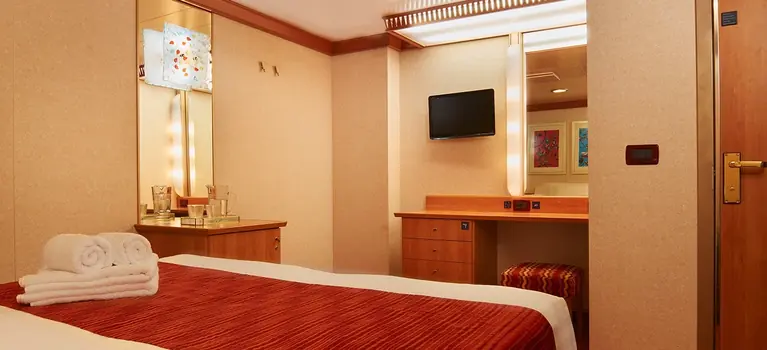


Costa Favolosa

Welcome on board Costa Favolosa
On Costa Favolosa you will feel like you are in a fairy tale, on board everything around you will fill you with delight and inspire moments of wonder. This is the charm of Costa Favolosa. It is there every time you wake up in your balcony cabin looking out at the day’s new sea view.
The best way to relax is at the spa or in one of the outdoor hot tubs, followed by a fantastic glass of wine at the wine bar.
It’s already time for dinner, world renowned cuisine or Neapolitan pizza? You’ll be spoiled for choices and you’ll really feel like you’re living in a fairy tale!
Featured activities