
Costa Favolosa: HAM - BCN - HAM10A0C
1 available date
Itinerary
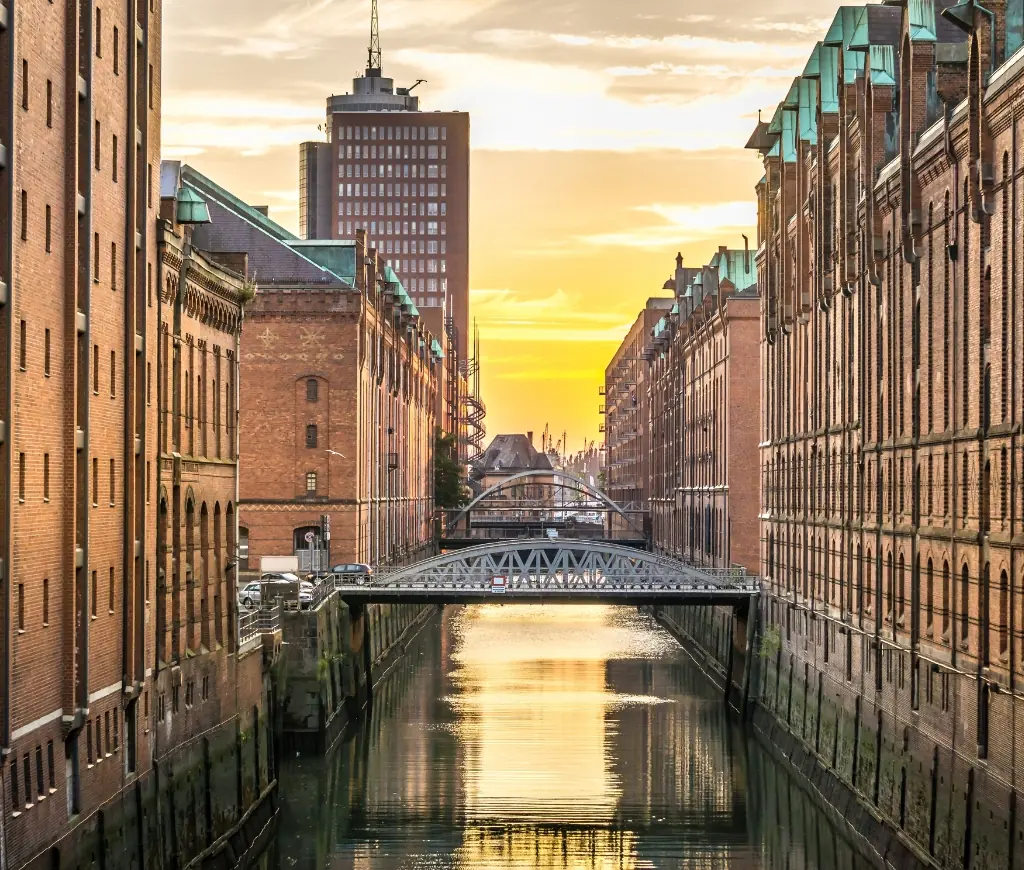
Hamburg, Germany
Founded in 808 by Charlemagne, the fortress of Hammaburg was the original nucleus of Hamburg. The city immediately grew thanks to the institution of the archbishop’s see. Following the invasions of the Vikings, the Danes and the Slavs, Hamburg formed an alliance with the German cities of Bremen and Lubeck forming the Hanseatic League, which was to have a strong commercial influence in the North and Baltic Seas. Occupied by the French from 1806-11 during the Napoleonic wars, Hamburg became part of the German Confederation in 1815. The city was devastated by the bombardments of World War II which claimed 40,000 victims, but the post-war reconstruction saw Hamburg regain its historical and commercial importance as well as primary roles in industry and culture. With a population of over 1.7 million it is Germany’s second city after Berlin. In fact Hamburg is not just a city but also a city-state - Freie und Hansestadt Hamburg (the Free and Hanseatic City of Hamburg) – and is one of the 16 Länder that form the Bundesrepublik, the Federal Republic of Germany. Only the capital Berlin and nearby Bremen have been afforded the same status.
Hamburg stands at the point at which the Alster and Bille flow into the River Elbe, around 110km from the North Sea. It is one of Europe’s busiest and most important ports and is connected to a large proportion of the continent via canals and other waterways. The building of the Kiel Canal in 1895 further increased traffic in the port making water transport between the city and the Baltic region that much easier. The port extends across the entire width of the Elbe, covering an area of around 40km2, and stands principally on the south bank of the river. One of the most characteristic areas of the city is around the Speicherstadt, the free port or warehouse district constructed between 1881 and 1887, where the buildings stand right on the edges of the canals. This district is also home to the majestic Kohlbrandbrücke bridge, the new emblem of Hamburg.
Meanwhile on the north bank of the Elbe, directly opposite the old port, are the modern districts of St. Pauli and Altona, the ideal places for those looking for an evening of entertainment. As well as being the heart of Hamburg’s nightlife, the area is famous for the Reeperbahn red-light district. The banks of the river are connected by bridges and two tunnels: one for pedestrians and cyclists built in 1911 and the other, the Elbtunnel, designed for transport and constructed in 1975. Before flowing into the Elbe the Alster forms two lakes, the Aussenalster and the Binnenalster. From these two basins the water is channelled into the network of waterways that makes Hamburg distinctive.
The Binnenalster, with the famous Alster fountain at its centre, is flanked by the historic town centre, the most elegant area of the city. At the heart of the Alstadt is the town hall (the Rathaus), which, built in 1897, boasts 646 rooms and dominates the square of the same name (Rathausmarkt) and also houses the stock exchange. Not far away you can also visit St. Peter’s Church, construction of which began in the 12th century. Other religious buildings of particular interest are the churches of St. Jacob (13th-15th century), St. Catherine (14th-15th century) and St. Michael, which dates back to the end of the 18th century. Also of note are the best examples of 20th century architecture that characterise a large part of the new city and its cultural buildings: the Musikhalle (1904-1908), the Landungsbrücken (1909), the Chilehaus (1923), the Shell-Haus (1931), and the Amerikahaus (1957). Capital of Germany when it comes to musicals, Hamburg has one of the most lively and enterprising cultural scenes in Europe: the city has 31 theatres, 6 comedy theatres, 10 cabaret theatres and 50 state and private museums.
Most well-known of the museums is the Hamburger Kunsthalle which has been restored many times since its opening in 1869. Here you will find a large collection of paintings by European artists such as Manet, Munch and Rembrandt, as well as works from the German Romantic painters such as Friedrich and Otto Runge. 1997 saw the opening of the Gallery of Contemporary Art Wing, a cube-like structure designed by Mathias Ungers.
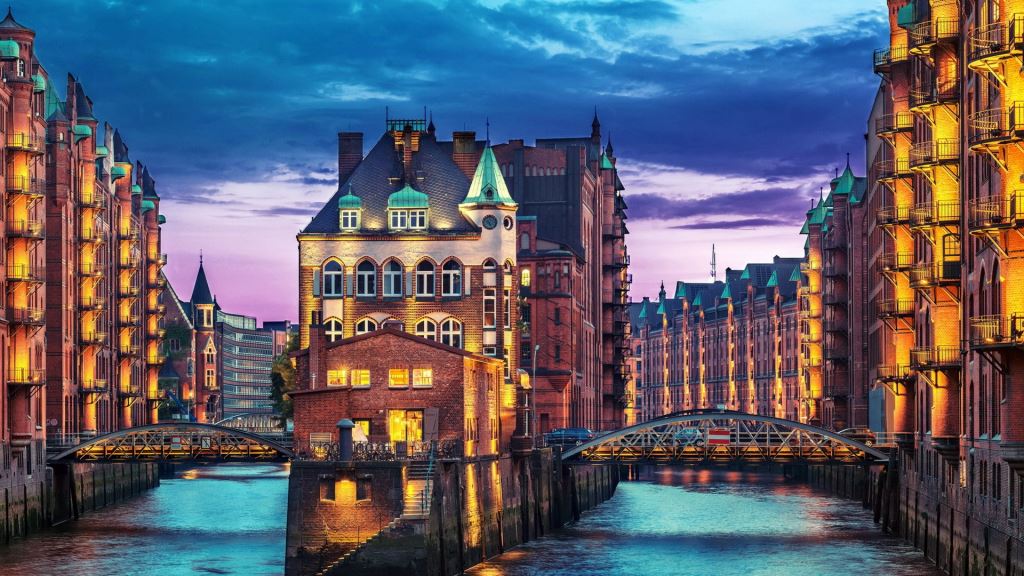

Zeebrugge (Bruges), Belgium
Zeebrugge, a vibrant port on the North Sea coast, offers the perfect balance between industrial energy and tourist appeal. Its greatest advantage is its proximity to one of Europe’s most beautiful cities: the enchanting Bruges, which, thanks to its reputation as a perfectly preserved medieval town, has become the most popular tourist destination in Belgium.
Its museums house some of the most valuable works of Flemish art, while the intimate, winding streets, interwoven with narrow canals and surrounded by stunning old buildings, fully live up to the glowing praise of countless visitors.
Don’t miss a visit to its museums, especially the Groeninge Museum, with an excellent collection of early Flemish art, St. John’s Hospital (St-Janshospitaal), as well as the two most impressive churches – the Church of Our Lady (Onze Lieve Vrouwekerk) and St. Saviour’s Cathedral (St-Salvatorskathedraal).
Lovers of history, culture, and gastronomy will feel right at home here – whether exploring Flemish museums, enjoying local breweries, or admiring Gothic churches and historic squares.
At every turn, Bruges surprises with its subtle and diverse architecture: from narrow archways and curved tiled roofs, to leaning chimneys, discreet shrines, and miniature statues – the city is truly an open-air treasure trove of art and history.

Le Havre (Paris), France
The local gastronomy is rich in fresh seafood and traditional Norman specialties such as cheeses, cider, and calvados.
Easily accessible from Paris, Le Havre is the perfect escape from the bustle of the capital and a chance to discover a unique mix of modern urban architecture and authentic French coastal charm.


La Coruna
La Coruna, is one of the most important maritime cities of the Iberian Peninsula. The city has always lived in symbiosis with the ocean. This is the feeling you get from many of its buildings, such as Hercules' Tower, which has become the symbol of La Coruna itself. From the top, you can admire the splendid view of the city's urban development. The San Antón Fortress is still admired for its sheer monumental size.
It was once used to defend the city against would be aggressors from the sea. La Coruna is also known as the "glass city" because when arriving by sea, your first impression is that you are in front of an enormous terrace. La Coruna has often undergone physical changes, but at the same time it has succeeded in maintaining its privileged relationship with the sea. It can be said there are three centres within the same city, each different from the next.
The first part is the old city centre with its narrow medieval streets, small paved squares, baroque buildings and military installations including the General Captaincy. Another symbol of the old city is the Saint Barbara Convent, which abounds with medieval architectural features. The Gothic decorations of the Santiago Church, the oldest church in the city, are very interesting, as are the decorations of the Romanesque churches of Saint Mary's in the Field.
The old city centre is an architectural pallette that has provided the colours for the memorable and wonderfully preserved works of art left behind. The second part of La Coruna is the modern centre, the commercial heart of the city that surrounds the port and the beaches, with is famous Cantones, the marina and its glass-fronted terraces, the obelisk and beaches called Calle de los Olmos e Estrella, and the never ending tapeos areas.
The old city centre represents the past to the same extent that the new city centre represents continuous movement that is typical in any seaport. Its four principal monuments are the churches of Saint Jorge, Saint Nicholas, and the Capuchins and the Town Hall. The third part of the city is futuristic and is centered around Ensanche, the city of the third millennium. It began as a commercial centre and became a city within the city. It's hyper-modern centre that is easily reachable by the vast transport network, which today is the most modern aspect of La Coruna both from a commercial and trade perspective.
This is a particularly fascinating city that is well known and highly respected for its university, one of the oldest in Spain. It has a very dynamic and young population that contributes to the vivacity of the city. From a cultural perspective, La Coruna must not be forgotten for its architectural contrasts as well as its many museums. You'll find House of Mankind and the Finisterrae Aquarium, which together with the Science Museum, are the crown jewels of the tourist attractions in the city.
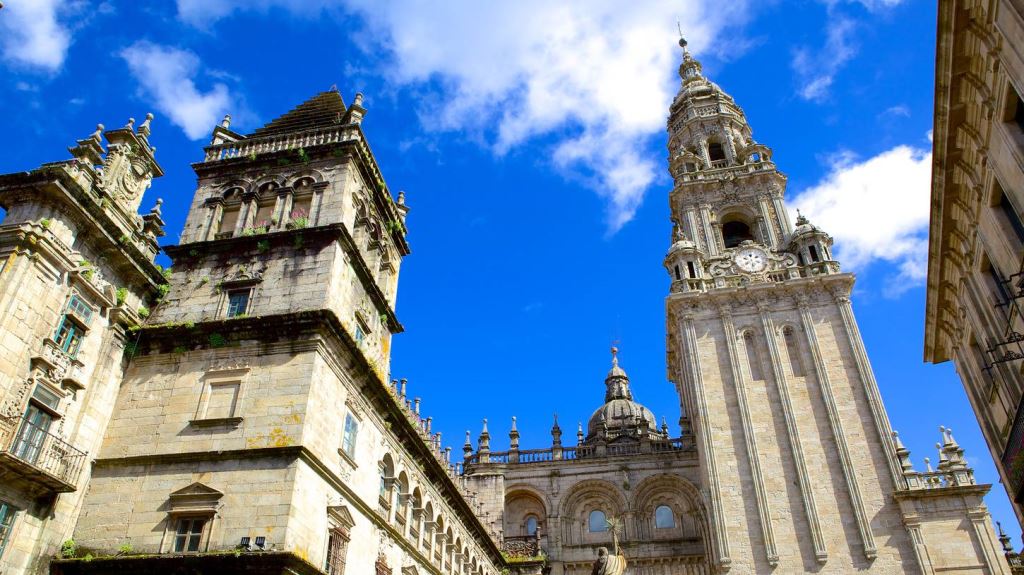
Cadiz (Seville), Spain
Cadiz is one of the oldest continuously inhabited cities in Europe, founded over 3,000 years ago by the Phoenicians as the trading port of Gadir. Throughout history, it was conquered by the Romans, Visigoths, and Moors, and during the Spanish Golden Age, it became an important port for trade with the New World. Today, the city offers a rich history and cultural landmarks.
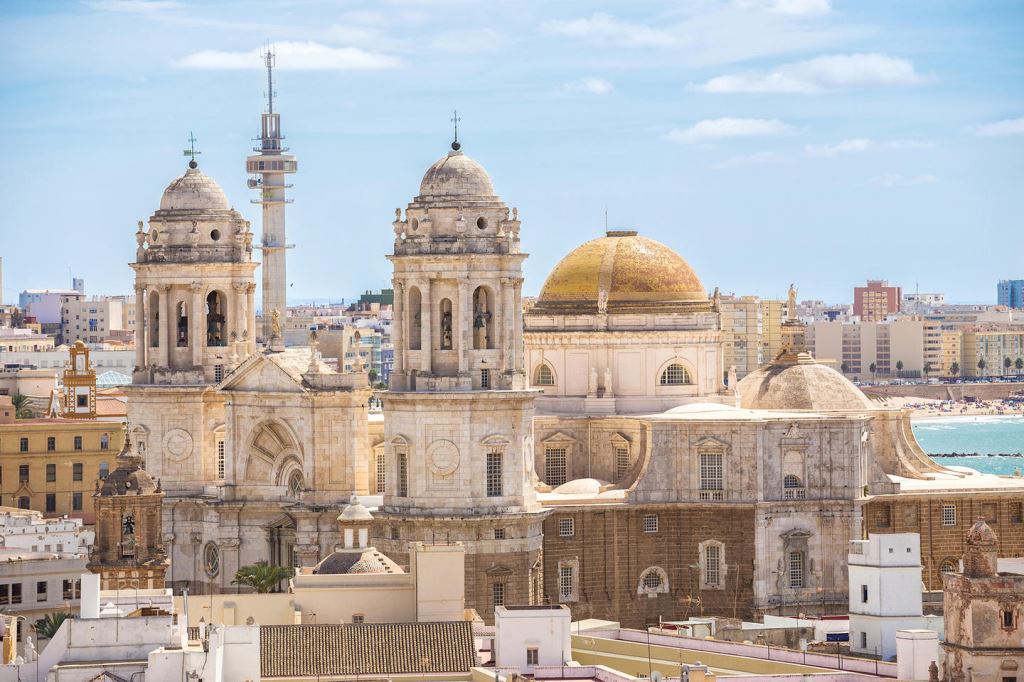
Notable sights include the cathedral with its distinctive golden dome, the Torre Tavira tower with panoramic views and the Camera Obscura optical device, the Roman theater dating back to the 1st century BC, the Plaza de las Flores square, and the historic La Viña district known for its restaurants and authentic atmosphere. Cadiz also boasts beautiful beaches such as La Caleta and La Victoria Beach, which offer various activities and amenities.
The local cuisine is based on fresh seafood, with famous dishes like fried fish called ‘pescaíto frito’ and shrimp fritters known as ‘tortillitas de camarones’. The Mercado Central de Abastos market provides an opportunity to taste local delicacies.
The city is also known for the flamenco singer El Chano, whose music has become a symbol of authentic flamenco and an important part of the cultural heritage.

Malaga (Granada), Spain
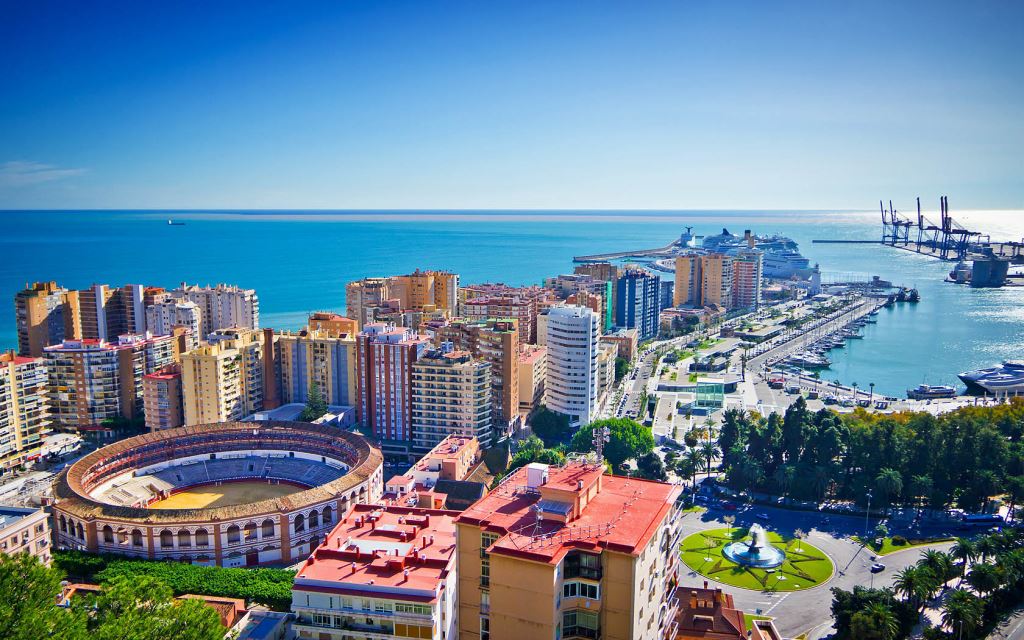
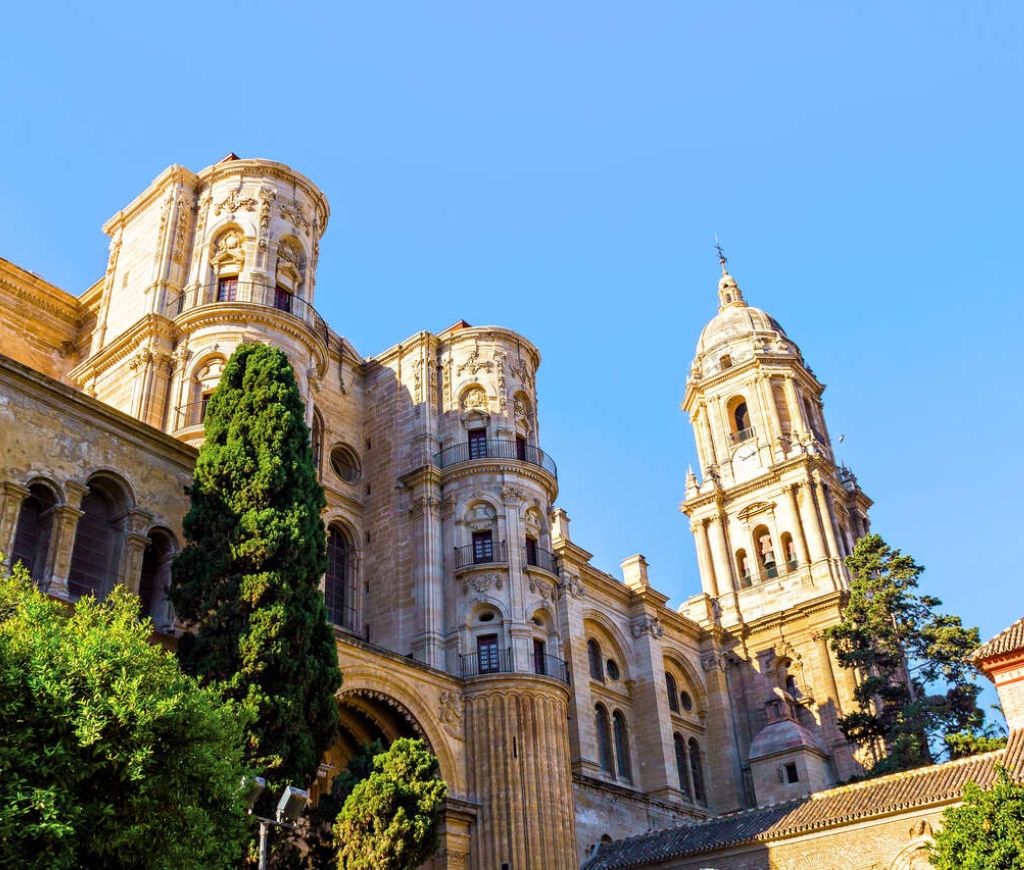
Malaga is one of the oldest cities in Europe, with a history spanning over 2,800 years. The city was founded by the Phoenicians around 770 BC, and was later ruled by the Romans, Visigoths, and Moors, each leaving behind a rich architectural and cultural legacy. Some of the most notable landmarks are the Roman Theatre, the Moorish Alcazaba fortress, which offers a stunning view over Malaga and the coast, and numerous museums. The most notable ones include the Picasso Museum, the Carmen Thyssen Museum, and the La Manquita Cathedral.
The city is also known as the birthplace of Pablo Picasso, one of the most influential artists of the 20th century, and is home to La Concepción, one of the most significant botanical gardens in Europe and the modern Muelle Uno promenade.
Malaga offers beautiful beaches, such as Playa de la Malagueta, close to the city center, and Playa del Palo, as well as a rich gastronomic scene focused on fresh local ingredients. Specialties include espeto (grilled sardines), gazpacho (cold tomato soup), a wide variety of tapas, and sweet wines like Moscatel. The Atarazanas Market is the perfect place to sample local food and buy souvenirs.
Barcelona, Spain
Barcelona, the capital of Catalonia, is a city with a rich and diverse history that dates back to the Roman era. Over the centuries, it was under Roman, Arab, Byzantine, and Christian rule, all of which have left a lasting mark on its architecture and cultural identity. During the Middle Ages, Barcelona became an important commercial and cultural center of Catalonia, and in the 19th century, it experienced significant industrial and urban development.
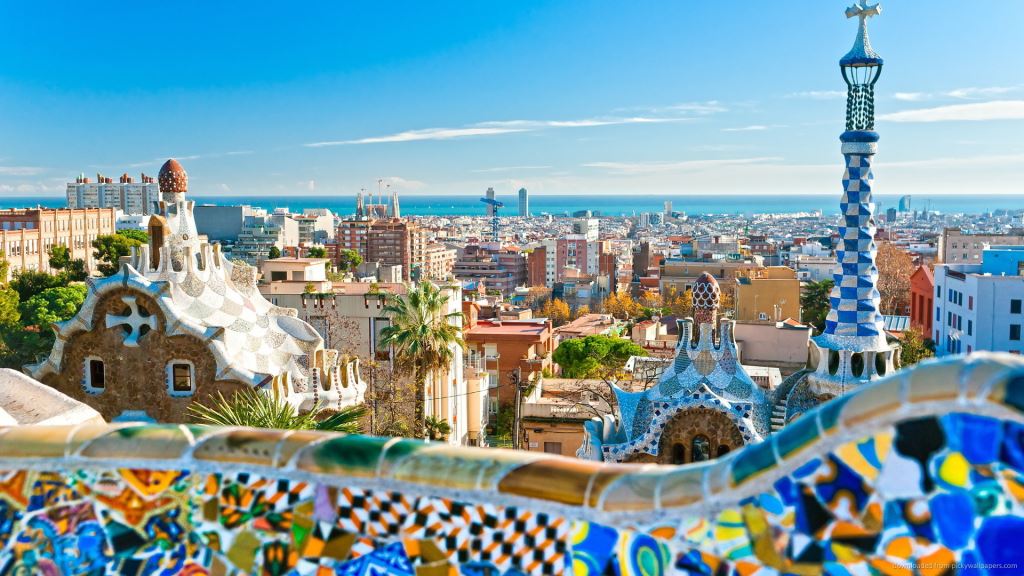
One of the most notable architects associated with Barcelona was Antoni Gaudí, whose works such as the Sagrada Família, Park Güell, Casa Batlló, and Casa Milà have become iconic symbols of the city. His unique style, which blends elements of Gothic, Modernism, and natural forms, has made Barcelona a uniquely vibrant urban space. Among the city’s most famous attractions are La Rambla, a lively promenade stretching from Plaça de Catalunya to the sea, and the Gothic Quarter (Barri Gòtic), the old part of the city filled with medieval alleys, buildings, and churches, including the Cathedral of Saint Eulalia. The artistic spirit of the city can also be felt in the Picasso Museum and the Joan Miró Foundation, which house works by two of Catalonia’s greatest artists.
Barcelona is also renowned for its famous football club, FC Barcelona, whose stadium Camp Nou attracts thousands of visitors eager to experience the passion and pride that Catalans have for their team.
The city also offers a rich culinary scene – from its famous tapas to traditional dishes such as paella, fideuà, zarzuela, and the dessert crema catalana. A highlight is the Boqueria Market, where visitors can taste local products and delicacies. Today, Barcelona is one of the most visited cities in Europe, offering a perfect blend of history, art, architecture, sport, gastronomy, and Mediterranean spirit.

Available cabins for Sun. 19.09. - Wed. 29.09.2027.
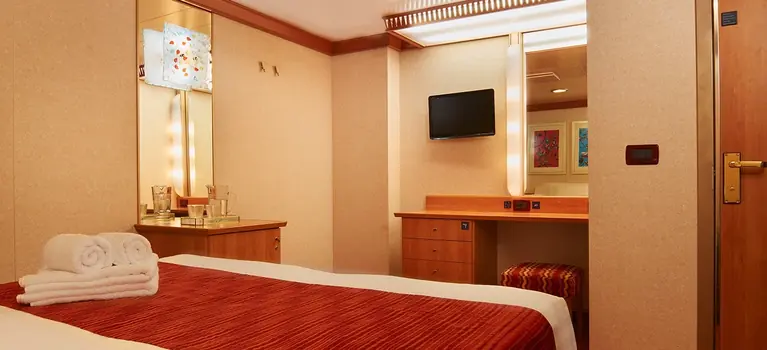


Costa Favolosa

Welcome on board Costa Favolosa
On Costa Favolosa you will feel like you are in a fairy tale, on board everything around you will fill you with delight and inspire moments of wonder. This is the charm of Costa Favolosa. It is there every time you wake up in your balcony cabin looking out at the day’s new sea view.
The best way to relax is at the spa or in one of the outdoor hot tubs, followed by a fantastic glass of wine at the wine bar.
It’s already time for dinner, world renowned cuisine or Neapolitan pizza? You’ll be spoiled for choices and you’ll really feel like you’re living in a fairy tale!
Featured activities