

Costa Favolosa: FDF - MRS - FDF23A0C
1 available date
Itinerary
Fort de France, Martinique
ChatGPT je rekao:
Fort-de-France, the capital of the Caribbean island of Martinique, is the perfect destination for those who want to experience authentic Caribbean charm combined with modern urban life.
Fort-de-France has a rich history, and today it is a lively hub that reflects French colonial elegance mixed with African and Caribbean influences. Here, you feel as if you are walking through history – narrow streets, colorful shops, local cafes, and museums make Fort-de-France a true cultural gem.
Must-see attractions include Fort Saint-Louis – a historic 17th-century fortress that offers an incredible view of the entire bay, Cathedrale Saint-Louis de Fort-de-France, and the Jardin de Balata, a botanical garden that is an ideal place to escape the hustle and bustle of the city. Surrounded by natural beauty, the city is also a perfect starting point for exploring the stunning Caribbean beaches, such as those in areas like Anse Mitan and La Baie des Flamands.
Fort-de-France is also a gastronomic paradise. The city offers a wealth of flavors – from fresh seafood to various local specialties like colombo (Caribbean curry) and accras (fried fish balls).
Water sports: Fort-de-France and its surroundings provide excellent conditions for sailing, snorkeling, and diving. Martinique is of volcanic origin, and Mount Pelée is a popular destination for hikers and nature lovers.
Nestled along the coastline under the tropical sky, Fort-de-France offers an unforgettable experience that blends history, culture, and natural beauty, all set in a charming, romantic atmosphere.
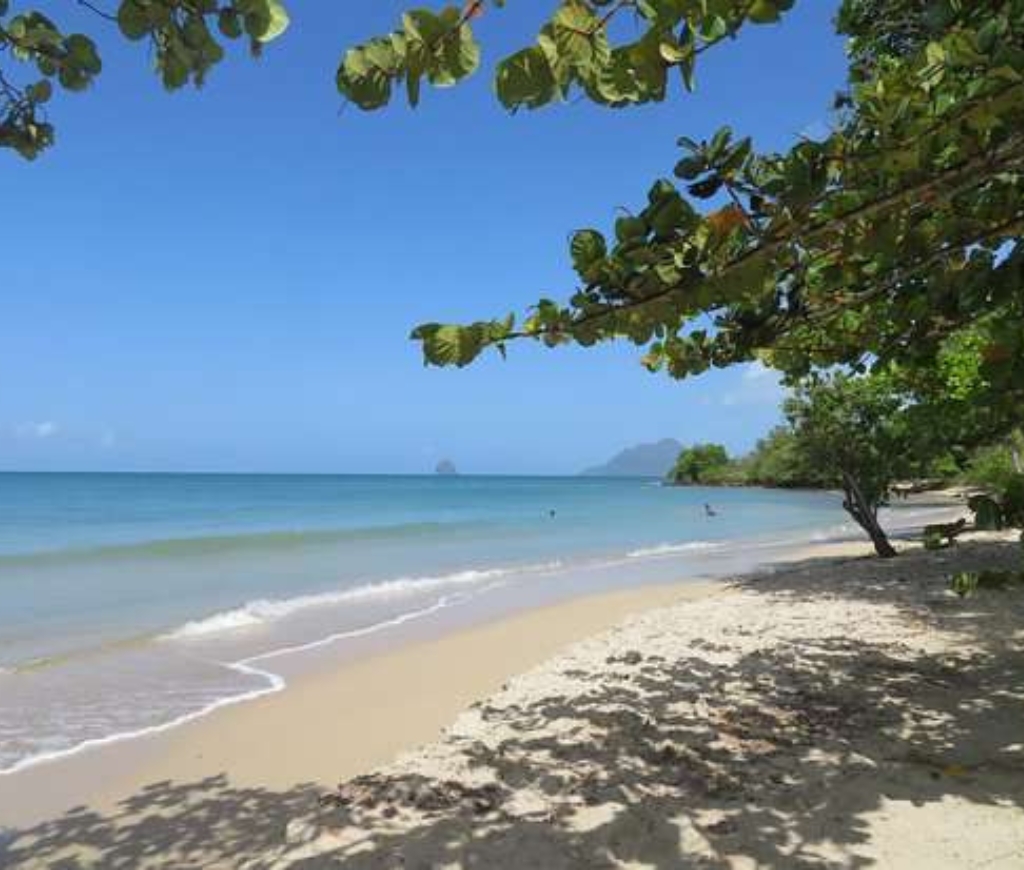
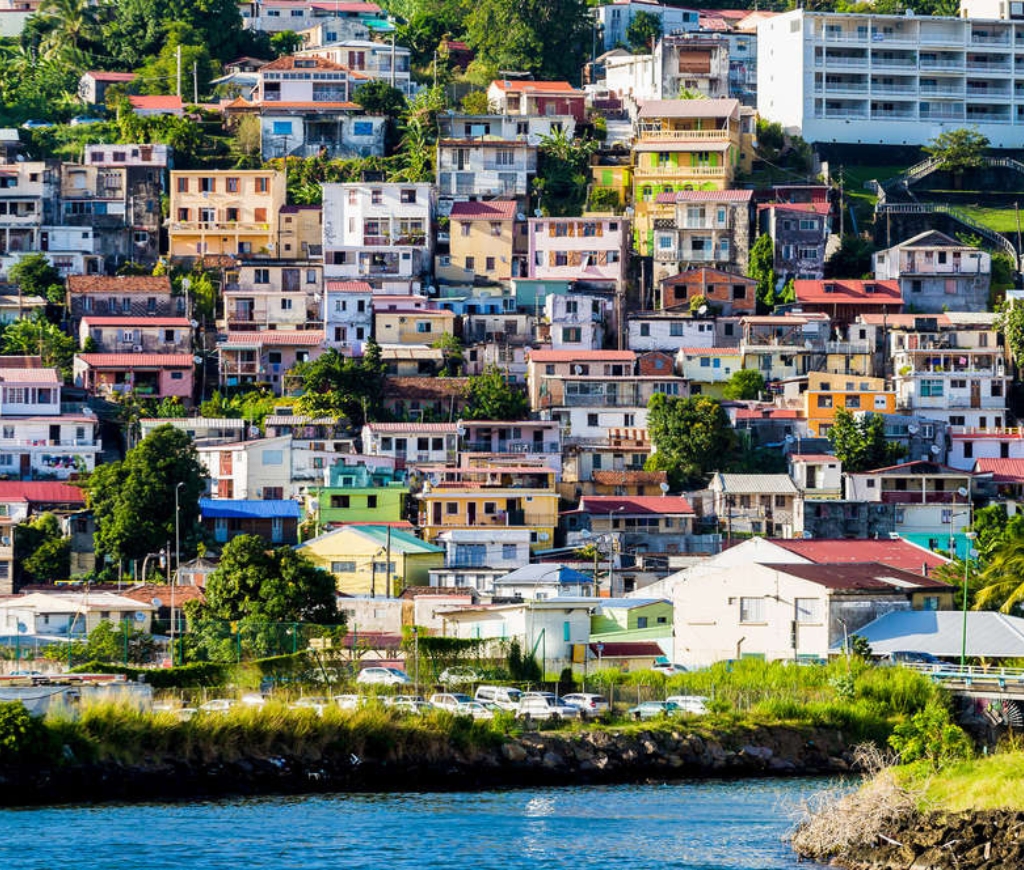
Martinique Bay
Pointe-a-Pitre, Guadeloupe
The beautiful island of Guadeloupe is part of the French Antilles and is geologically two islands joined together, Grande Terre and Basse Terre. Point a Pitre is on Grande Terre and is Guadeloupe's largest commercial centre. When Christopher Columbus landed on the southern coast of Basse Terre in 1493 he baptised the beach Santa Maria, and the island Santa Maria de Guadeloupe de Estremadura, subsequently changed to Guadeloupe.
First Spanish settlers, and then French, developed sugar cane production on the islands, which also became centres of the slave trade. Eventually, with the initial help of French revolutionary Victor Hugues and later Victor Schoelcher, the slaves of Guadeloupe were freed. The island is still French territory, administered by a governor appointed by the Paris Ministry of the Interior. The two halves of Guadeloupe are quite different in character.
Grande Terre has a gentler landscape, but is the more lively side, with Pointe a Pitre market, narrow alleyways, picturesque villages and large sugar cane plantations. Basse Terre is more lush and mountainous. It also has one of the Caribbean's few national parks, complete with rivers, rainforest and the dominating presence of the 1,467-metre high Soufrière volcano. The hot springs of Soufrière Park are masterpieces of nature. Both sides of the island have some excellent beaches.
The lifestyle of Guadeloupe is simple and relaxed. A substantial number of the island's villagers still barter for their goods and services rather than use money. And although tourism has flourished, the local economy is still largely based on agriculture. Island attractions include a museum dedicated to local poet, St. John Perse, awarded the Nobel Prize for Literature in 1960, the Schoelcher Museum, dedicated to the slavery abolitionist, and the beach resort of Gosier, one of the most bustling tourist centres in the Lesser Antilles.

Basseterre, St Kitts & Nevis
St Kitts and its sister island Nevis comprise a tiny nation with a unique history. St Kitts - on which Basseterre is the main town - is the popular derivation of St Christopher, the name given to the island by Christopher Columbus in 1493. Its inhabitants are called "Kittitians". Nevis gets its name from the Spanish word for snow in description of a curtain of white clouds that at one time supposedly always covered the top of the mountain that dominates the island. In 1623, the two islands became a British colony.
The islands maintain a close link to their English heritage, although throughout their modern history the English dominance has been regularly challenged, particularly by the French and Spanish eager to control the islands' considerable sugar cane crop. Nevis in particular attracted much commercial interest - and rivalry - as well as considerable piracy. Many of the islands' 45,000 inhabitants can trace their ancestors to the African slave trade of the 17th Century.
The symbol of contemporary culture on the islands is a carnival, which starts of Christmas Eve and embraces the entire population - and visitors - in a joyous celebration. The St. Kitts Music Festival is also very popular, attracting musicians from all over the Caribbean. The islands, which are part of the British Commonwealth, became independent on September 19, 1983, and have since continued to attract thousands of visitors from around the world.

Sea of Antilles Darkest Spot
Tortola
Road Harbour is the port of Road Town, the capital town on the island of Tortola (Turtle Dove) and the British Virgin Islands. Tortola is blessed with glorious secluded beaches, crystal clear waters and lush mountain scenery. The first inhabitants were Arawak and Siboney Indians, to be followed by Spanish, Dutch and English colonists. As in the rest of the Virgin Islands, Tortola was once blighted by pirates and privateers, including Sir Francis Drake, who gave his name to the channel that separates the two main groups of islands. The islands remain a Crown Colony of Britain, with a governor officially appointed by the Queen. Since the 1960s, however, the islands have attracted massive investment by Americans, one of the first being Rockerfeller, to develop tourism. The island's landscape is dominated by Sage Mountain, the highest peak in the Virgin Islands.
The upper section of the mountain is covered in beautiful rainforest. Most of the 17,000 inhabitants of the British Virgin Islands live on Tortola. The commercial and cultural centre of the island is Road Town and its busy port. In the centre of Road Town is the four-acre J.R.O'Neill Botanical Gardens which features 62 species of palm tree, multitudes of tropical flowers, birds and parrots. Popular attractions on the island include picturesque Cane Garden Bay, a frequent venue for street festivals and beach parties. It is also the home of celebrated local musician Quito Rymer, who regularly performs at his restaurant, Quito's Bar & Grill. Another highlight is Mount Healthy Windmill , which preserves one of the first plantations in the archipelago. Bicycle rides and jeep exploration are popular activities on Tortola, as is trekking.
Santo Domingo, Dominican Repub

St. Maarten
In 1493, when Christopher Columbus first set foot on the white sand beaches of St Maarten, he declared: 'I was looking for the Indies and I found the Garden of Eden'. Named after a priest who lived on the island from 330AD-397AD, St Maarten has been historically influenced by the Dutch, English, French and Spanish.
Today the island is shared by the Dutch in the south, who call it Sint Marteen and the French in the north, who refer to it as St Martin de Tours. But the first people to leave their mark on the island were Arawak Indians who were skilled farmers and developed a thriving community on St Maarten. In the 17th Century, the existence of salt pans soon attracted the attentions of the Spanish, later displaced by the Dutch and the French. The initial agreement between the Dutch and French to share the tiny island dates back to 1648, although it was broken many times and there were frequent skirmishes between the two sides, at times with British involvement.
The Caribbean curse - piracy - befell St Maarten for some 150 years and stories still persist of as yet undiscovered treasure buried on the island or sunk with galleons. The more notorious pirates and buccaneers included John Hawkins, Francis Drake, Henry Morgan and William Dampier. The border between the Dutch and French sides of the island is marked by a monument between Union Road and Bellevue. Each side of the island has splendid beaches and the crystal clear waters offer excellent bathing and numerous watersports. The tiny port of Philipsburg extends along a sandbank between the sea and a reclaimed salt pond.
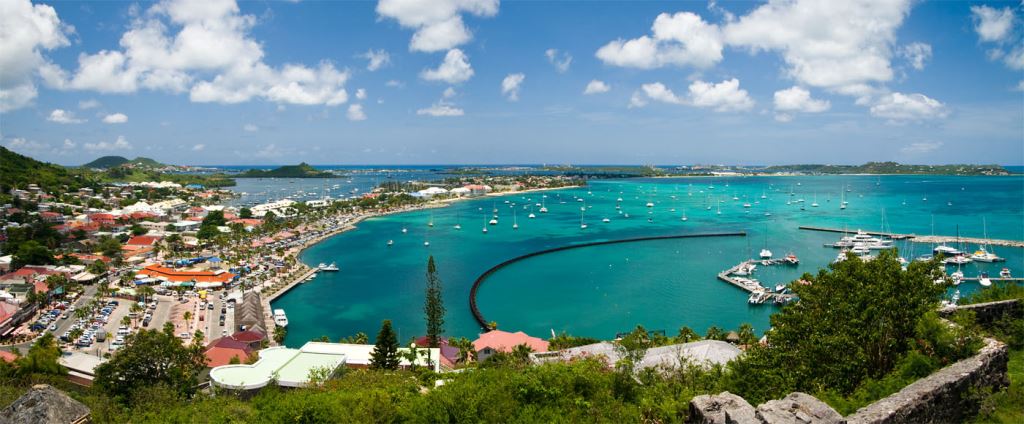
Fort de France, Martinique
ChatGPT je rekao:
Fort-de-France, the capital of the Caribbean island of Martinique, is the perfect destination for those who want to experience authentic Caribbean charm combined with modern urban life.
Fort-de-France has a rich history, and today it is a lively hub that reflects French colonial elegance mixed with African and Caribbean influences. Here, you feel as if you are walking through history – narrow streets, colorful shops, local cafes, and museums make Fort-de-France a true cultural gem.
Must-see attractions include Fort Saint-Louis – a historic 17th-century fortress that offers an incredible view of the entire bay, Cathedrale Saint-Louis de Fort-de-France, and the Jardin de Balata, a botanical garden that is an ideal place to escape the hustle and bustle of the city. Surrounded by natural beauty, the city is also a perfect starting point for exploring the stunning Caribbean beaches, such as those in areas like Anse Mitan and La Baie des Flamands.
Fort-de-France is also a gastronomic paradise. The city offers a wealth of flavors – from fresh seafood to various local specialties like colombo (Caribbean curry) and accras (fried fish balls).
Water sports: Fort-de-France and its surroundings provide excellent conditions for sailing, snorkeling, and diving. Martinique is of volcanic origin, and Mount Pelée is a popular destination for hikers and nature lovers.
Nestled along the coastline under the tropical sky, Fort-de-France offers an unforgettable experience that blends history, culture, and natural beauty, all set in a charming, romantic atmosphere.
Martinique Bay
Pointe-a-Pitre, Guadeloupe
The beautiful island of Guadeloupe is part of the French Antilles and is geologically two islands joined together, Grande Terre and Basse Terre. Point a Pitre is on Grande Terre and is Guadeloupe's largest commercial centre. When Christopher Columbus landed on the southern coast of Basse Terre in 1493 he baptised the beach Santa Maria, and the island Santa Maria de Guadeloupe de Estremadura, subsequently changed to Guadeloupe.
First Spanish settlers, and then French, developed sugar cane production on the islands, which also became centres of the slave trade. Eventually, with the initial help of French revolutionary Victor Hugues and later Victor Schoelcher, the slaves of Guadeloupe were freed. The island is still French territory, administered by a governor appointed by the Paris Ministry of the Interior. The two halves of Guadeloupe are quite different in character.
Grande Terre has a gentler landscape, but is the more lively side, with Pointe a Pitre market, narrow alleyways, picturesque villages and large sugar cane plantations. Basse Terre is more lush and mountainous. It also has one of the Caribbean's few national parks, complete with rivers, rainforest and the dominating presence of the 1,467-metre high Soufrière volcano. The hot springs of Soufrière Park are masterpieces of nature. Both sides of the island have some excellent beaches.
The lifestyle of Guadeloupe is simple and relaxed. A substantial number of the island's villagers still barter for their goods and services rather than use money. And although tourism has flourished, the local economy is still largely based on agriculture. Island attractions include a museum dedicated to local poet, St. John Perse, awarded the Nobel Prize for Literature in 1960, the Schoelcher Museum, dedicated to the slavery abolitionist, and the beach resort of Gosier, one of the most bustling tourist centres in the Lesser Antilles.
Basseterre, St Kitts & Nevis
St Kitts and its sister island Nevis comprise a tiny nation with a unique history. St Kitts - on which Basseterre is the main town - is the popular derivation of St Christopher, the name given to the island by Christopher Columbus in 1493. Its inhabitants are called "Kittitians". Nevis gets its name from the Spanish word for snow in description of a curtain of white clouds that at one time supposedly always covered the top of the mountain that dominates the island. In 1623, the two islands became a British colony.
The islands maintain a close link to their English heritage, although throughout their modern history the English dominance has been regularly challenged, particularly by the French and Spanish eager to control the islands' considerable sugar cane crop. Nevis in particular attracted much commercial interest - and rivalry - as well as considerable piracy. Many of the islands' 45,000 inhabitants can trace their ancestors to the African slave trade of the 17th Century.
The symbol of contemporary culture on the islands is a carnival, which starts of Christmas Eve and embraces the entire population - and visitors - in a joyous celebration. The St. Kitts Music Festival is also very popular, attracting musicians from all over the Caribbean. The islands, which are part of the British Commonwealth, became independent on September 19, 1983, and have since continued to attract thousands of visitors from around the world.
Antigua
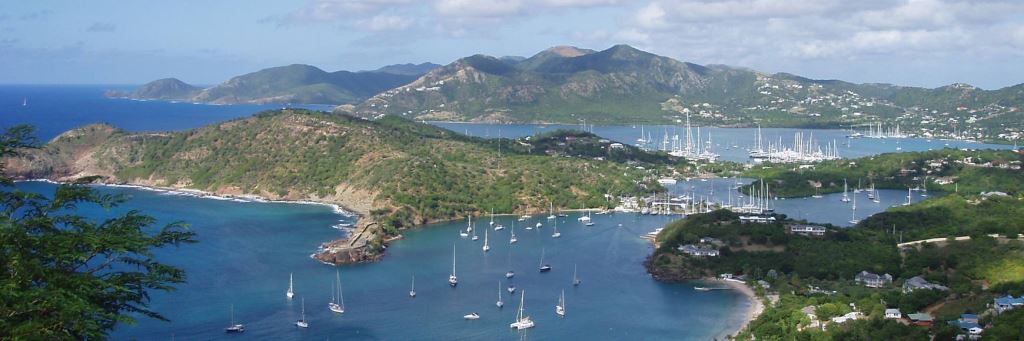
The verdant, undulating island of Antigua is the largest of the Leeward Islands, and is blessed with some of the most beautiful beaches in the Caribbean. The island has a long association with Britain, having only gained independence in 1981. One of the island's most picturesque spots is English Harbour, where a fortress was erected, at Shirley Heights, to protect Antigua's commerce.
Within the harbour is Nelson's Dockyard, with a monument dedicated to the English Admiral Horatio, who was based on the island for three years in the 18th Century. The Dockyard fell into disrepair on being abandoned by the Navy at the end of the 19th Century but was reopened in 1961 after 20 years of restoration work. The waters around the Dockyard and the Harbour are now filled with splendid yachts making their way to and from Antigua. The capital of St John's was during the 18th Century the principal British military stronghold in the area. Today it is a thriving Caribbean town, where nearly half of all Antiguans live.
The Museum of Antigua and Barbuda in St John's features extensive exhibits of Indian arts and crafts - and even has signs that say 'please touch' - plus colonial and Antiguan artefacts, and fossils dating back 35 million years. The first known settlements on Antigua were established in around 2400BC by Siboney Indians, devoted to farming, followed by the Arawaks. Substantial European settlement began in the 17th Century when British entrepreneur Sir Christopher Codrington introduced large-scale production of sugar cane. This brought great prosperity to the island for some 100 years, and a large population of African slaves were brought to Antigua to work the sugar cane plantations. Hence the majority of Antiguans are of African descent.
Several farms, hotels and restaurants on the island are located on the sites of former plantations.
St. Cruz de Tenerife
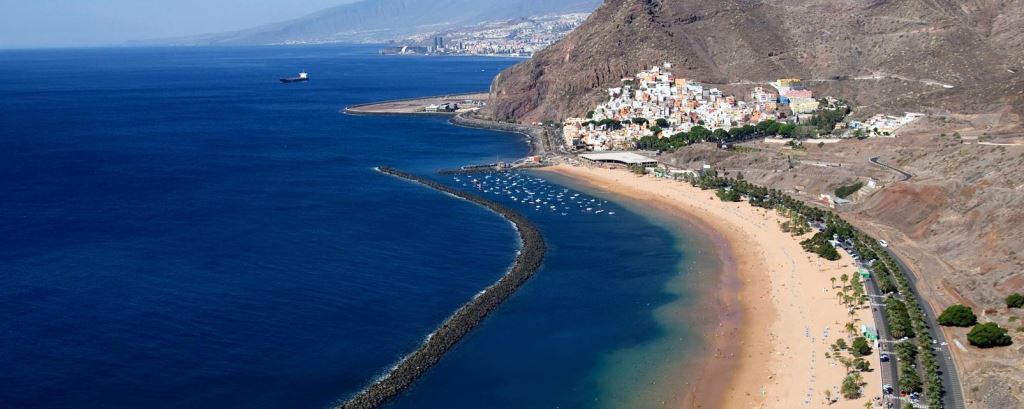
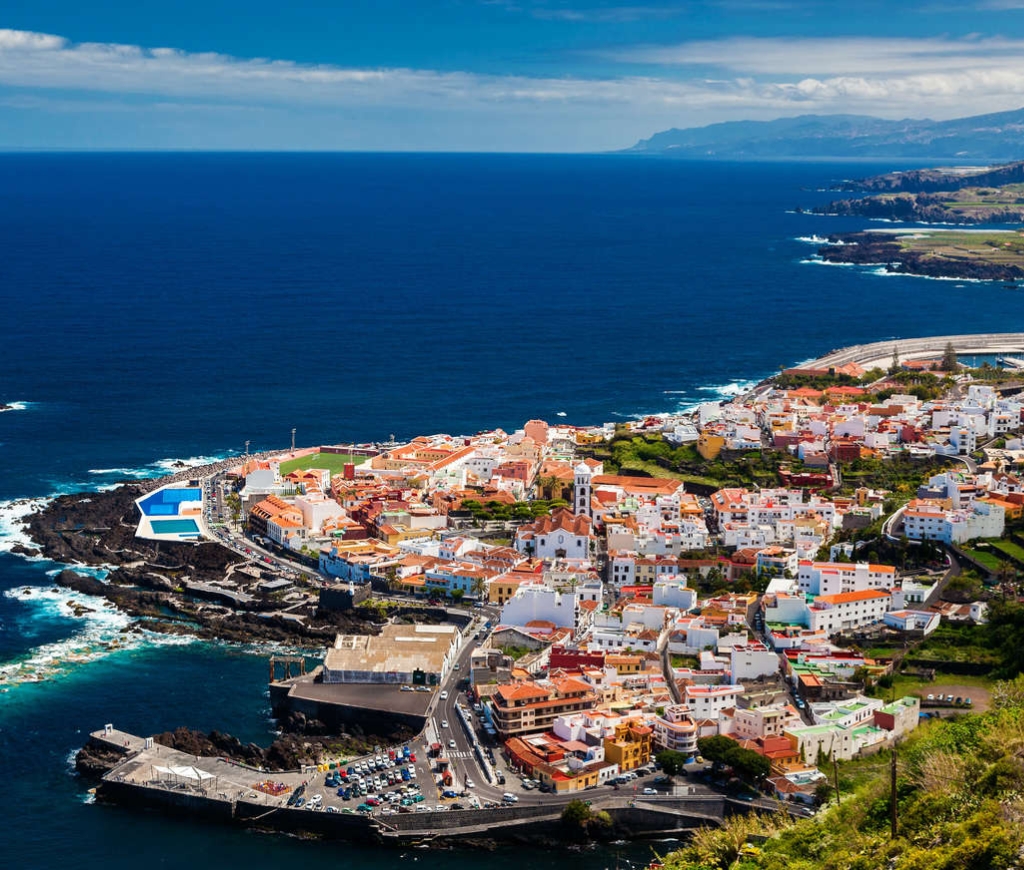
Santa Cruz de Tenerife is the capital of the island of Tenerife and one of the most important urban centres in the Canary Islands. Located on the northeastern coast, the city blends a relaxed island atmosphere with a vibrant cultural life and modern architecture. The city centre is full of squares, promenades and green spaces, with Plaza de España and García Sanabria Park standing out as ideal spots for a walk or a break. The city is also known for the contemporary concert hall Auditorio de Tenerife, whose striking design has become one of the city’s landmarks.
Not far from the centre lies the popular Las Teresitas beach, covered in golden sand. Santa Cruz de Tenerife is also home to one of the largest carnivals in the world, whose festive atmosphere and colourful spectacle attract visitors from all over.
The local cuisine features traditional specialities such as papas arrugadas with mojo sauce, fresh fish, and seafood. The city is well connected by transport, and its mild climate makes it an excellent destination all year round.
Santa Cruz de Tenerife is the perfect place for those looking to combine urban energy with natural beauty and a laid-back life by the ocean.
Tangier (Tetouan), Morocco
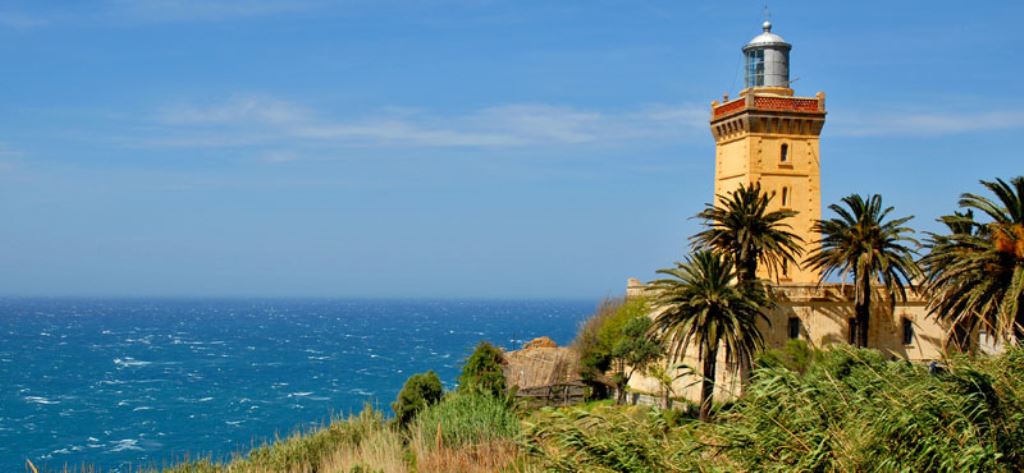
Tangier, located at the very northern tip of Morocco, is where the Mediterranean Sea meets the Atlantic Ocean. For centuries, this city has captured the imagination of travelers, artists, and adventurers. Its location—just 14 kilometers from Spain—has made it a crossroads of cultures, continents, and worlds. Tangier exudes a cosmopolitan spirit, where Arab, Berber, European, and African influences blend into a city of truly unique character.
The old town, or medina, enchants with its narrow winding streets, whitewashed houses with blue doors, vibrant markets, and hidden courtyards. Every step through this labyrinth reveals a surprise—a vintage café, a quiet mosque, a local spice shop, or a tucked-away art gallery. Above the medina stands the Kasbah, a centuries-old fortress offering stunning views over the sea and the Strait of Gibraltar, and housing a museum rich in Moroccan art and history.
In the 20th century, Tangier was known as a “city of spies,” artists, and writers. It was home to and inspired figures like Paul Bowles, Tennessee Williams, Henri Matisse, and many others. That bohemian spirit still lingers—in bookshops, cafés, old hotels, and the stories of the people who live here. Beyond its cultural heritage, Tangier offers natural wonders as well. Nearby are the famous Caves of Hercules, steeped in legend, and a rugged coastline perfect for exploring. Along the seafront promenade, the city reveals its modern face—with hotels, restaurants, galleries, and sweeping views of the water.
Tangier is a place where history and modernity intertwine at every turn. A city that does not hide its complexity, but wears it with pride. This is not just a place to visit—it’s a place to feel, to listen, and to absorb the rhythm of a city that has never had just one face, but has always been a world of its own.

Malaga (Granada), Spain
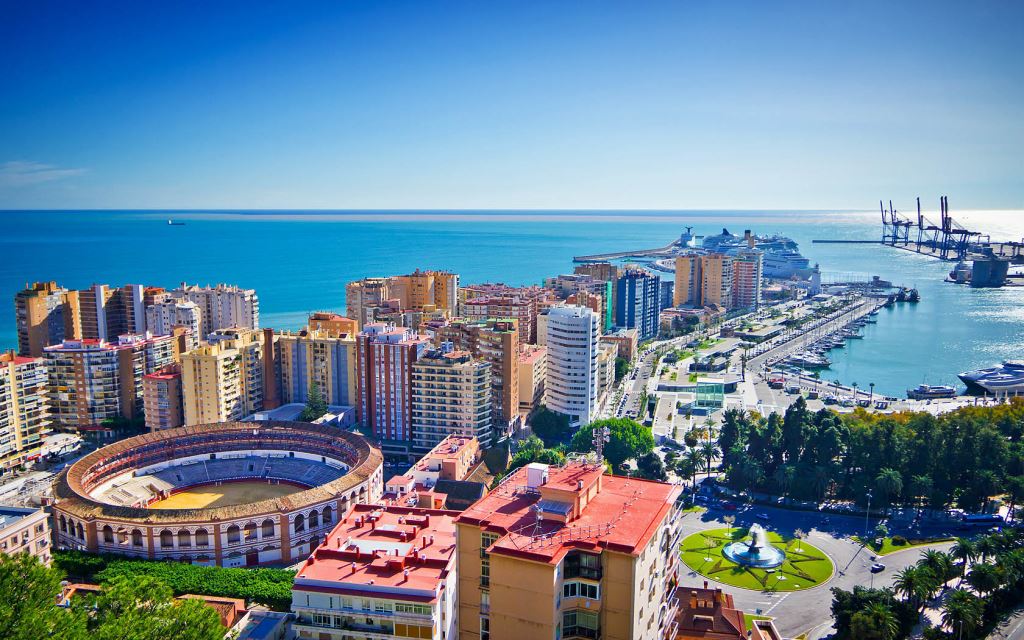
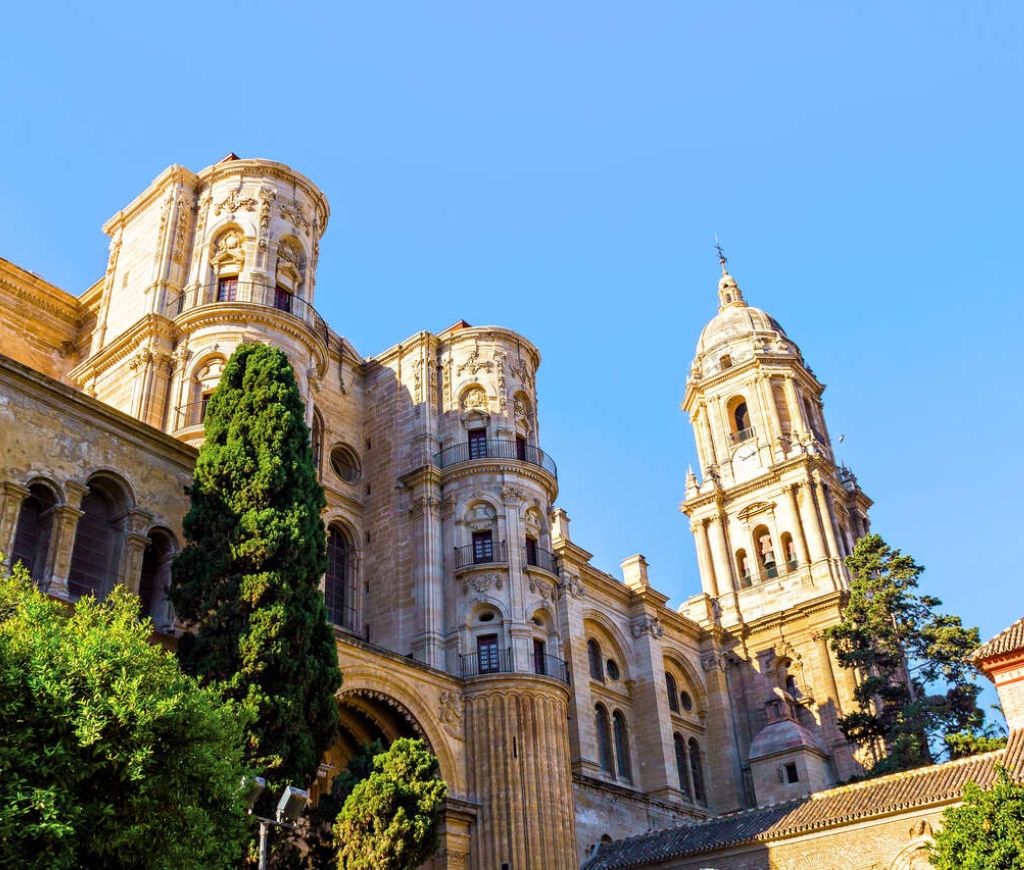
Malaga is one of the oldest cities in Europe, with a history spanning over 2,800 years. The city was founded by the Phoenicians around 770 BC, and was later ruled by the Romans, Visigoths, and Moors, each leaving behind a rich architectural and cultural legacy. Some of the most notable landmarks are the Roman Theatre, the Moorish Alcazaba fortress, which offers a stunning view over Malaga and the coast, and numerous museums. The most notable ones include the Picasso Museum, the Carmen Thyssen Museum, and the La Manquita Cathedral.
The city is also known as the birthplace of Pablo Picasso, one of the most influential artists of the 20th century, and is home to La Concepción, one of the most significant botanical gardens in Europe and the modern Muelle Uno promenade.
Malaga offers beautiful beaches, such as Playa de la Malagueta, close to the city center, and Playa del Palo, as well as a rich gastronomic scene focused on fresh local ingredients. Specialties include espeto (grilled sardines), gazpacho (cold tomato soup), a wide variety of tapas, and sweet wines like Moscatel. The Atarazanas Market is the perfect place to sample local food and buy souvenirs.
Barcelona, Spain
Barcelona, the capital of Catalonia, is a city with a rich and diverse history that dates back to the Roman era. Over the centuries, it was under Roman, Arab, Byzantine, and Christian rule, all of which have left a lasting mark on its architecture and cultural identity. During the Middle Ages, Barcelona became an important commercial and cultural center of Catalonia, and in the 19th century, it experienced significant industrial and urban development.
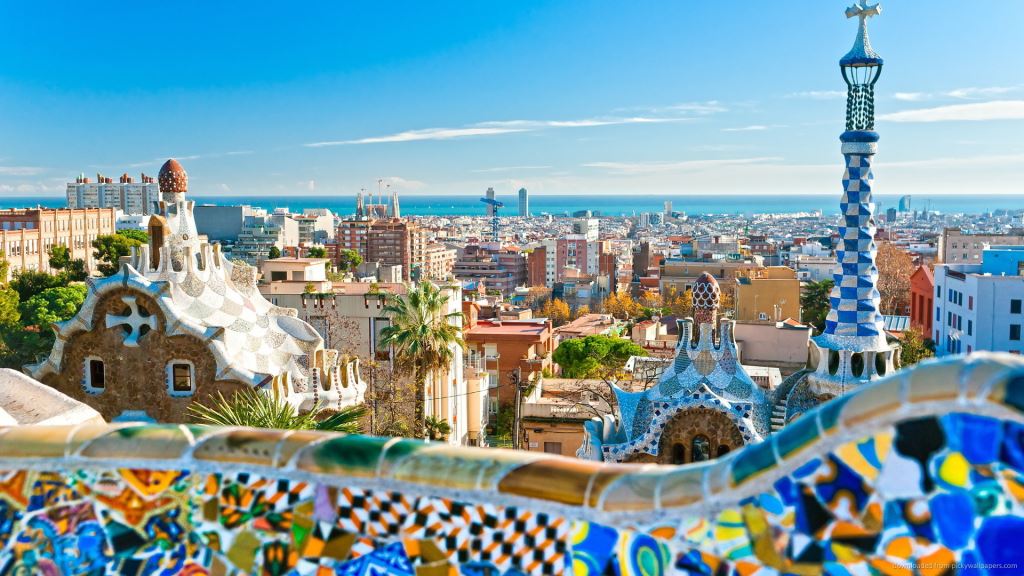
One of the most notable architects associated with Barcelona was Antoni Gaudí, whose works such as the Sagrada Família, Park Güell, Casa Batlló, and Casa Milà have become iconic symbols of the city. His unique style, which blends elements of Gothic, Modernism, and natural forms, has made Barcelona a uniquely vibrant urban space. Among the city’s most famous attractions are La Rambla, a lively promenade stretching from Plaça de Catalunya to the sea, and the Gothic Quarter (Barri Gòtic), the old part of the city filled with medieval alleys, buildings, and churches, including the Cathedral of Saint Eulalia. The artistic spirit of the city can also be felt in the Picasso Museum and the Joan Miró Foundation, which house works by two of Catalonia’s greatest artists.
Barcelona is also renowned for its famous football club, FC Barcelona, whose stadium Camp Nou attracts thousands of visitors eager to experience the passion and pride that Catalans have for their team.
The city also offers a rich culinary scene – from its famous tapas to traditional dishes such as paella, fideuà, zarzuela, and the dessert crema catalana. A highlight is the Boqueria Market, where visitors can taste local products and delicacies. Today, Barcelona is one of the most visited cities in Europe, offering a perfect blend of history, art, architecture, sport, gastronomy, and Mediterranean spirit.

Marseille (Provence), France
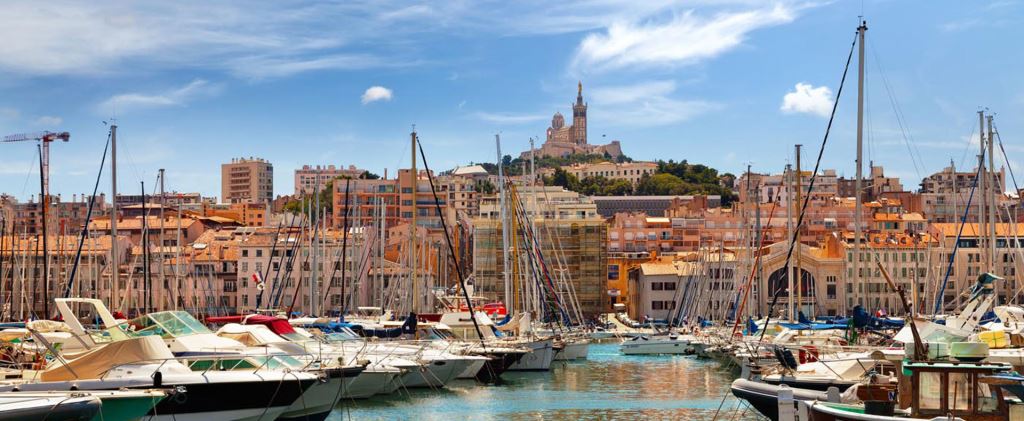
Marseille, the second largest city in France and one of the oldest cities in Europe, boasts a rich history and vibrant atmosphere, situated along the sparkling Mediterranean Sea. Founded by the Greeks over 2,600 years ago, the city has been influenced by many civilizations throughout the centuries, leaving a lasting mark on its architecture and identity.
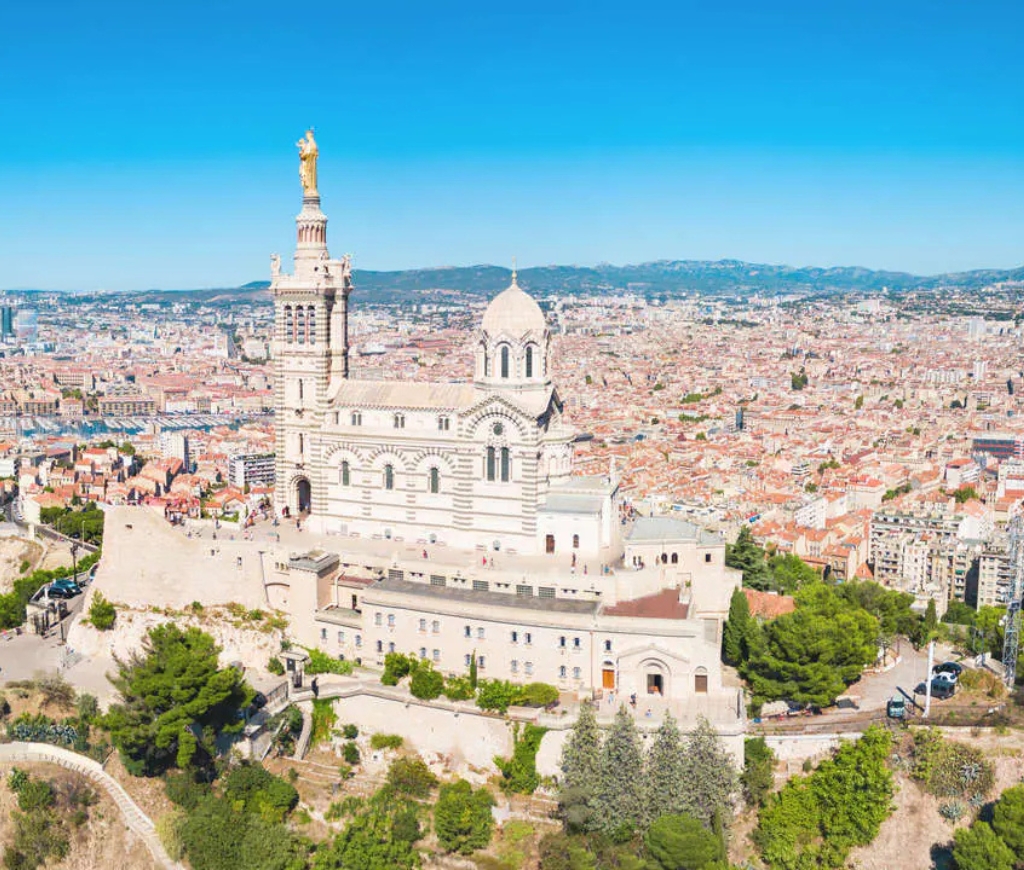
Among its main attractions is the Old Port (Vieux Port) – the heart of city life, recognizable by its boats, cafés, and restaurants. The impressive Notre-Dame de la Garde basilica, perched on a hill, offers panoramic views of the city, the islands, and Château d’If, the famous fortress from The Count of Monte Cristo. Also notable are the historic Le Panier district and MuCEM, a modern museum dedicated to Mediterranean culture.
Marseille’s cuisine includes specialties such as bouillabaisse – a traditional fish soup, and panisse – chickpea cakes. The city is full of authentic restaurants offering local flavors.
Nearby, the Calanques National Park is famous for its spectacular cliffs and clear waters, while charming towns like Aix-en-Provence and the fishing village of Cassis make perfect day trips. Wine lovers can explore the Provencal vineyards and enjoy tastings.
Colorful streets and historic buildings tell stories of the past, while sunsets over the sea create a special, warm atmosphere worth experiencing. Marseille is a place where tradition meets modern energy, ideal for pleasant moments and discovering authentic Mediterranean culture.
Available cabins for Thu. 25.02. - Sat. 20.03.2027.


Costa Favolosa

Welcome on board Costa Favolosa
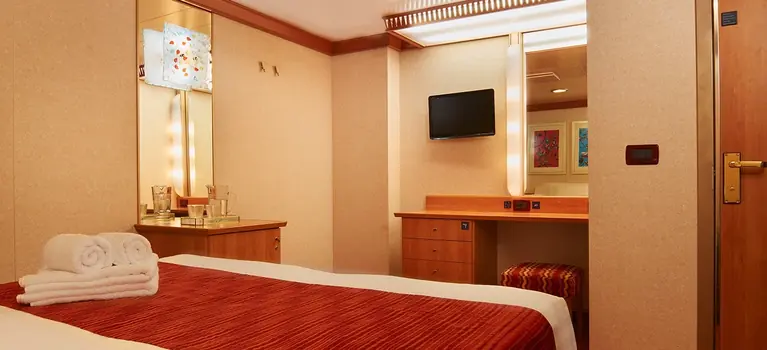
On Costa Favolosa you will feel like you are in a fairy tale, on board everything around you will fill you with delight and inspire moments of wonder. This is the charm of Costa Favolosa. It is there every time you wake up in your balcony cabin looking out at the day’s new sea view.
The best way to relax is at the spa or in one of the outdoor hot tubs, followed by a fantastic glass of wine at the wine bar.
It’s already time for dinner, world renowned cuisine or Neapolitan pizza? You’ll be spoiled for choices and you’ll really feel like you’re living in a fairy tale!
Featured activities