
Costa Favolosa: FDF - FDF - FDF06A08
1 available date
Itinerary
Fort de France, Martinique
ChatGPT je rekao:
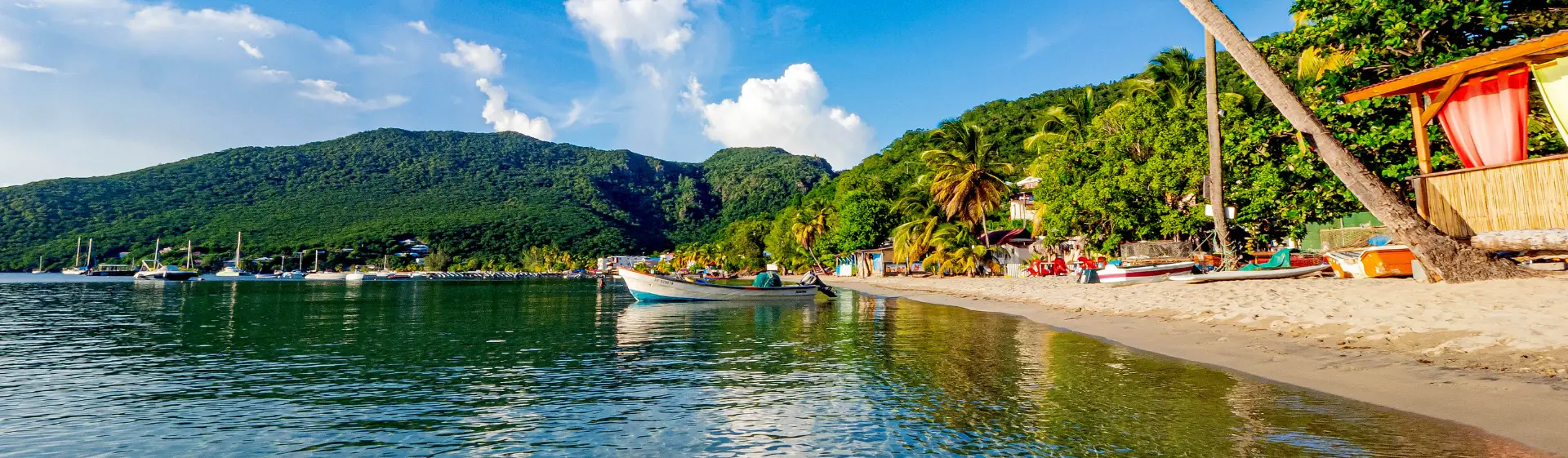
Fort-de-France, the capital of the Caribbean island of Martinique, is the perfect destination for those who want to experience authentic Caribbean charm combined with modern urban life.
Fort-de-France has a rich history, and today it is a lively hub that reflects French colonial elegance mixed with African and Caribbean influences. Here, you feel as if you are walking through history – narrow streets, colorful shops, local cafes, and museums make Fort-de-France a true cultural gem.
Must-see attractions include Fort Saint-Louis – a historic 17th-century fortress that offers an incredible view of the entire bay, Cathedrale Saint-Louis de Fort-de-France, and the Jardin de Balata, a botanical garden that is an ideal place to escape the hustle and bustle of the city. Surrounded by natural beauty, the city is also a perfect starting point for exploring the stunning Caribbean beaches, such as those in areas like Anse Mitan and La Baie des Flamands.
Fort-de-France is also a gastronomic paradise. The city offers a wealth of flavors – from fresh seafood to various local specialties like colombo (Caribbean curry) and accras (fried fish balls).
Water sports: Fort-de-France and its surroundings provide excellent conditions for sailing, snorkeling, and diving. Martinique is of volcanic origin, and Mount Pelée is a popular destination for hikers and nature lovers.
Nestled along the coastline under the tropical sky, Fort-de-France offers an unforgettable experience that blends history, culture, and natural beauty, all set in a charming, romantic atmosphere.
Basseterre, St Kitts & Nevis
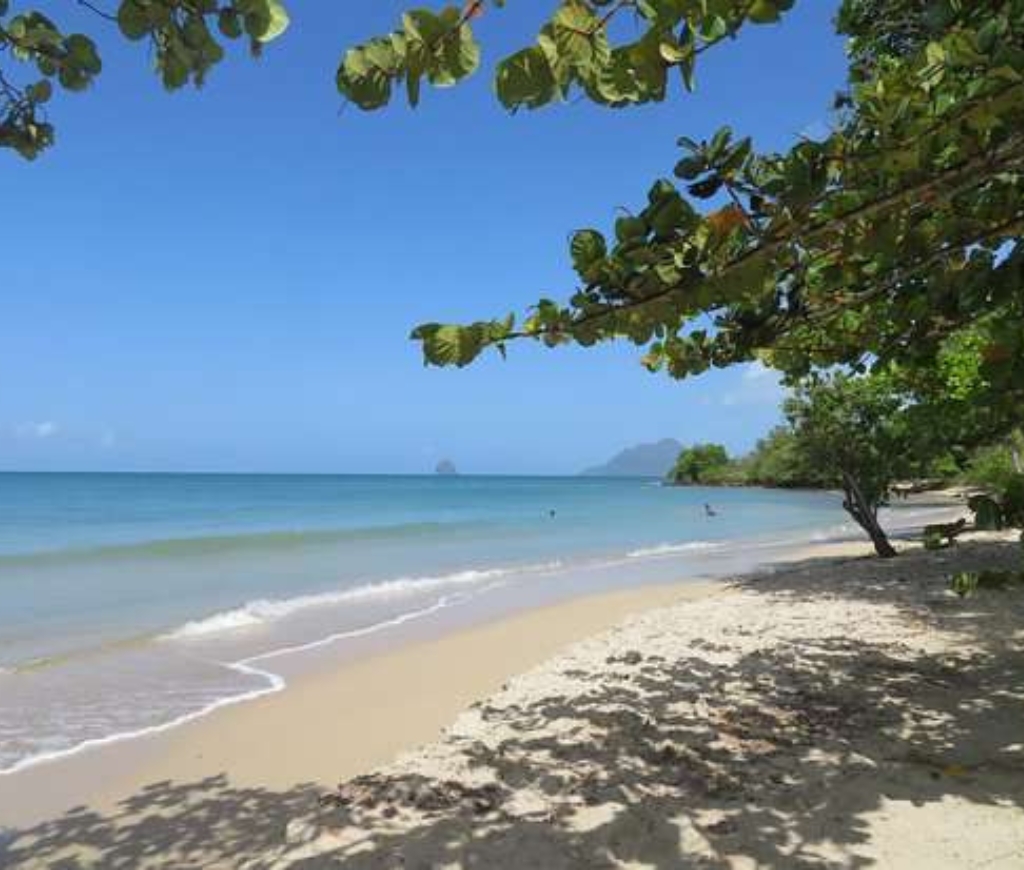
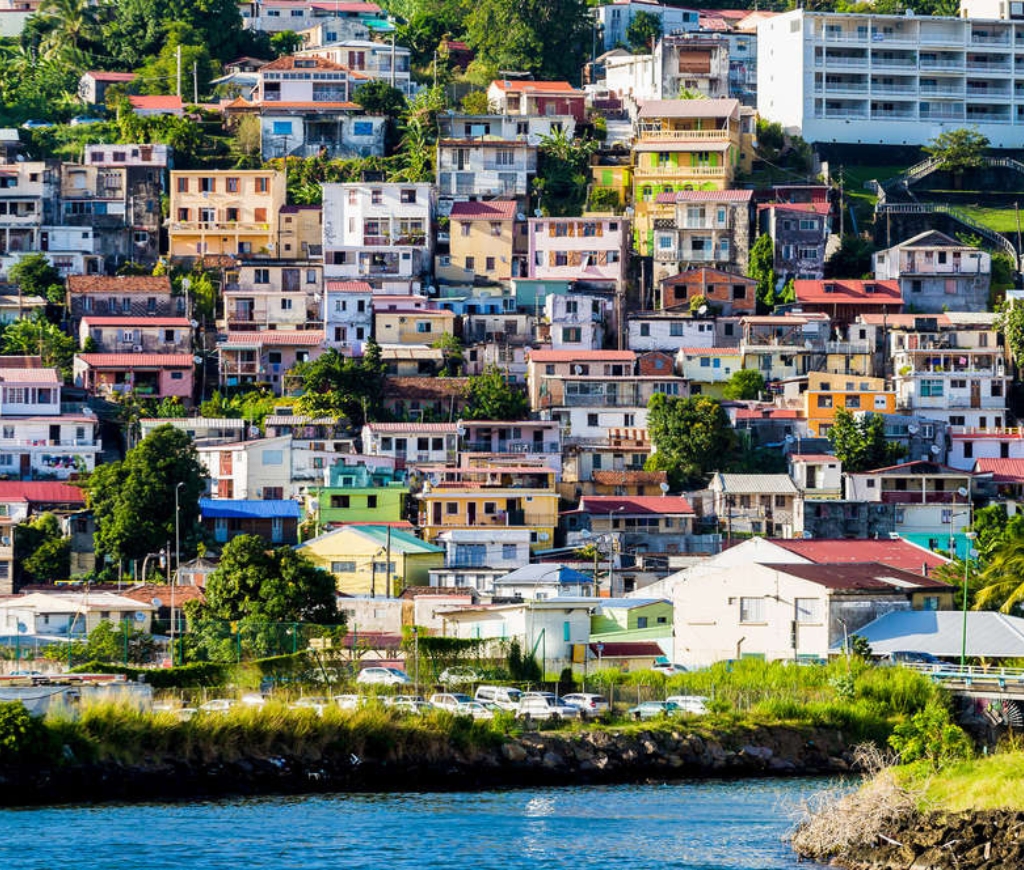
St Kitts and its sister island Nevis comprise a tiny nation with a unique history. St Kitts - on which Basseterre is the main town - is the popular derivation of St Christopher, the name given to the island by Christopher Columbus in 1493. Its inhabitants are called "Kittitians". Nevis gets its name from the Spanish word for snow in description of a curtain of white clouds that at one time supposedly always covered the top of the mountain that dominates the island. In 1623, the two islands became a British colony.
The islands maintain a close link to their English heritage, although throughout their modern history the English dominance has been regularly challenged, particularly by the French and Spanish eager to control the islands' considerable sugar cane crop. Nevis in particular attracted much commercial interest - and rivalry - as well as considerable piracy. Many of the islands' 45,000 inhabitants can trace their ancestors to the African slave trade of the 17th Century.
The symbol of contemporary culture on the islands is a carnival, which starts of Christmas Eve and embraces the entire population - and visitors - in a joyous celebration. The St. Kitts Music Festival is also very popular, attracting musicians from all over the Caribbean. The islands, which are part of the British Commonwealth, became independent on September 19, 1983, and have since continued to attract thousands of visitors from around the world.

Antigua
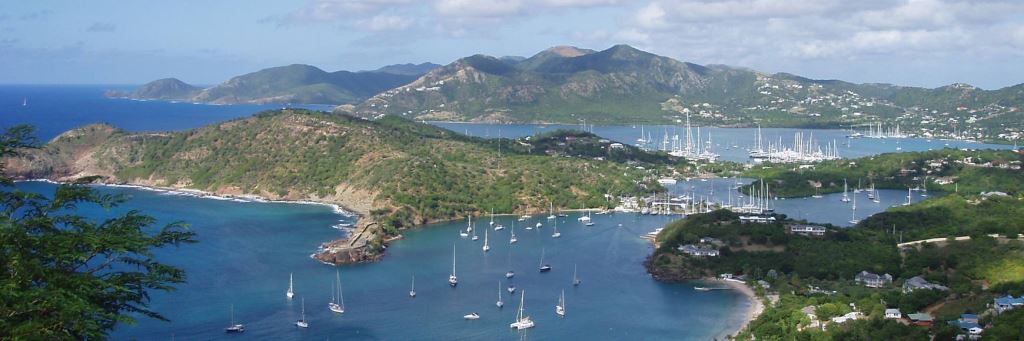
The verdant, undulating island of Antigua is the largest of the Leeward Islands, and is blessed with some of the most beautiful beaches in the Caribbean. The island has a long association with Britain, having only gained independence in 1981. One of the island's most picturesque spots is English Harbour, where a fortress was erected, at Shirley Heights, to protect Antigua's commerce.
Within the harbour is Nelson's Dockyard, with a monument dedicated to the English Admiral Horatio, who was based on the island for three years in the 18th Century. The Dockyard fell into disrepair on being abandoned by the Navy at the end of the 19th Century but was reopened in 1961 after 20 years of restoration work. The waters around the Dockyard and the Harbour are now filled with splendid yachts making their way to and from Antigua. The capital of St John's was during the 18th Century the principal British military stronghold in the area. Today it is a thriving Caribbean town, where nearly half of all Antiguans live.
The Museum of Antigua and Barbuda in St John's features extensive exhibits of Indian arts and crafts - and even has signs that say 'please touch' - plus colonial and Antiguan artefacts, and fossils dating back 35 million years. The first known settlements on Antigua were established in around 2400BC by Siboney Indians, devoted to farming, followed by the Arawaks. Substantial European settlement began in the 17th Century when British entrepreneur Sir Christopher Codrington introduced large-scale production of sugar cane. This brought great prosperity to the island for some 100 years, and a large population of African slaves were brought to Antigua to work the sugar cane plantations. Hence the majority of Antiguans are of African descent.
Several farms, hotels and restaurants on the island are located on the sites of former plantations.
Sea of Antilles Darkest Spot
Tortola
Road Harbour is the port of Road Town, the capital town on the island of Tortola (Turtle Dove) and the British Virgin Islands. Tortola is blessed with glorious secluded beaches, crystal clear waters and lush mountain scenery. The first inhabitants were Arawak and Siboney Indians, to be followed by Spanish, Dutch and English colonists. As in the rest of the Virgin Islands, Tortola was once blighted by pirates and privateers, including Sir Francis Drake, who gave his name to the channel that separates the two main groups of islands. The islands remain a Crown Colony of Britain, with a governor officially appointed by the Queen. Since the 1960s, however, the islands have attracted massive investment by Americans, one of the first being Rockerfeller, to develop tourism. The island's landscape is dominated by Sage Mountain, the highest peak in the Virgin Islands.
The upper section of the mountain is covered in beautiful rainforest. Most of the 17,000 inhabitants of the British Virgin Islands live on Tortola. The commercial and cultural centre of the island is Road Town and its busy port. In the centre of Road Town is the four-acre J.R.O'Neill Botanical Gardens which features 62 species of palm tree, multitudes of tropical flowers, birds and parrots. Popular attractions on the island include picturesque Cane Garden Bay, a frequent venue for street festivals and beach parties. It is also the home of celebrated local musician Quito Rymer, who regularly performs at his restaurant, Quito's Bar & Grill. Another highlight is Mount Healthy Windmill , which preserves one of the first plantations in the archipelago. Bicycle rides and jeep exploration are popular activities on Tortola, as is trekking.
Santo Domingo, Dominican Repub

Fort de France, Martinique
ChatGPT je rekao:
Fort-de-France, the capital of the Caribbean island of Martinique, is the perfect destination for those who want to experience authentic Caribbean charm combined with modern urban life.
Fort-de-France has a rich history, and today it is a lively hub that reflects French colonial elegance mixed with African and Caribbean influences. Here, you feel as if you are walking through history – narrow streets, colorful shops, local cafes, and museums make Fort-de-France a true cultural gem.
Must-see attractions include Fort Saint-Louis – a historic 17th-century fortress that offers an incredible view of the entire bay, Cathedrale Saint-Louis de Fort-de-France, and the Jardin de Balata, a botanical garden that is an ideal place to escape the hustle and bustle of the city. Surrounded by natural beauty, the city is also a perfect starting point for exploring the stunning Caribbean beaches, such as those in areas like Anse Mitan and La Baie des Flamands.
Fort-de-France is also a gastronomic paradise. The city offers a wealth of flavors – from fresh seafood to various local specialties like colombo (Caribbean curry) and accras (fried fish balls).
Water sports: Fort-de-France and its surroundings provide excellent conditions for sailing, snorkeling, and diving. Martinique is of volcanic origin, and Mount Pelée is a popular destination for hikers and nature lovers.
Nestled along the coastline under the tropical sky, Fort-de-France offers an unforgettable experience that blends history, culture, and natural beauty, all set in a charming, romantic atmosphere.
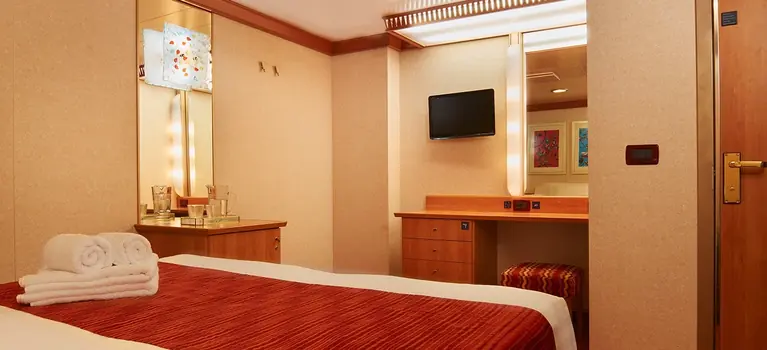
Available cabins for Thu. 03.12. - Wed. 09.12.2026.


Costa Favolosa

Welcome on board Costa Favolosa
On Costa Favolosa you will feel like you are in a fairy tale, on board everything around you will fill you with delight and inspire moments of wonder. This is the charm of Costa Favolosa. It is there every time you wake up in your balcony cabin looking out at the day’s new sea view.
The best way to relax is at the spa or in one of the outdoor hot tubs, followed by a fantastic glass of wine at the wine bar.
It’s already time for dinner, world renowned cuisine or Neapolitan pizza? You’ll be spoiled for choices and you’ll really feel like you’re living in a fairy tale!
Featured activities