

Costa Fascinosa: MRS - YNE - MRS07AB8
3 available dates
Itinerary
Marseille (Provence), France
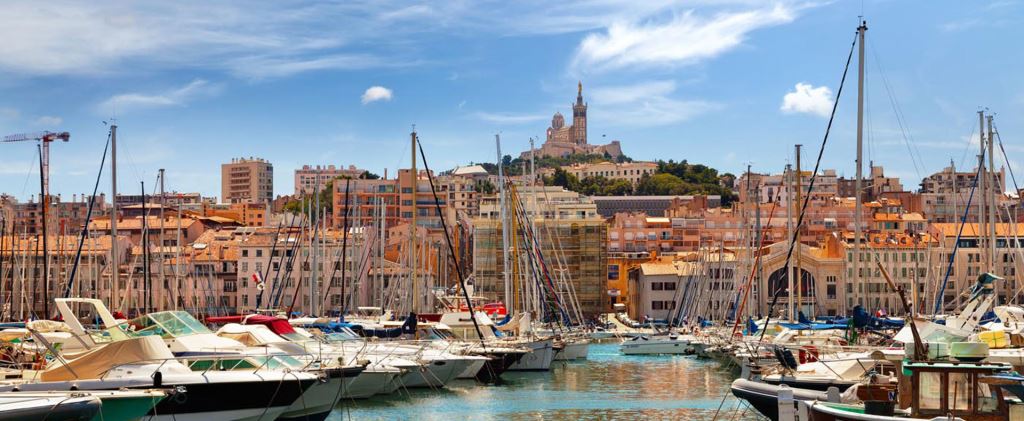
Marseille, the second largest city in France and one of the oldest cities in Europe, boasts a rich history and vibrant atmosphere, situated along the sparkling Mediterranean Sea. Founded by the Greeks over 2,600 years ago, the city has been influenced by many civilizations throughout the centuries, leaving a lasting mark on its architecture and identity.
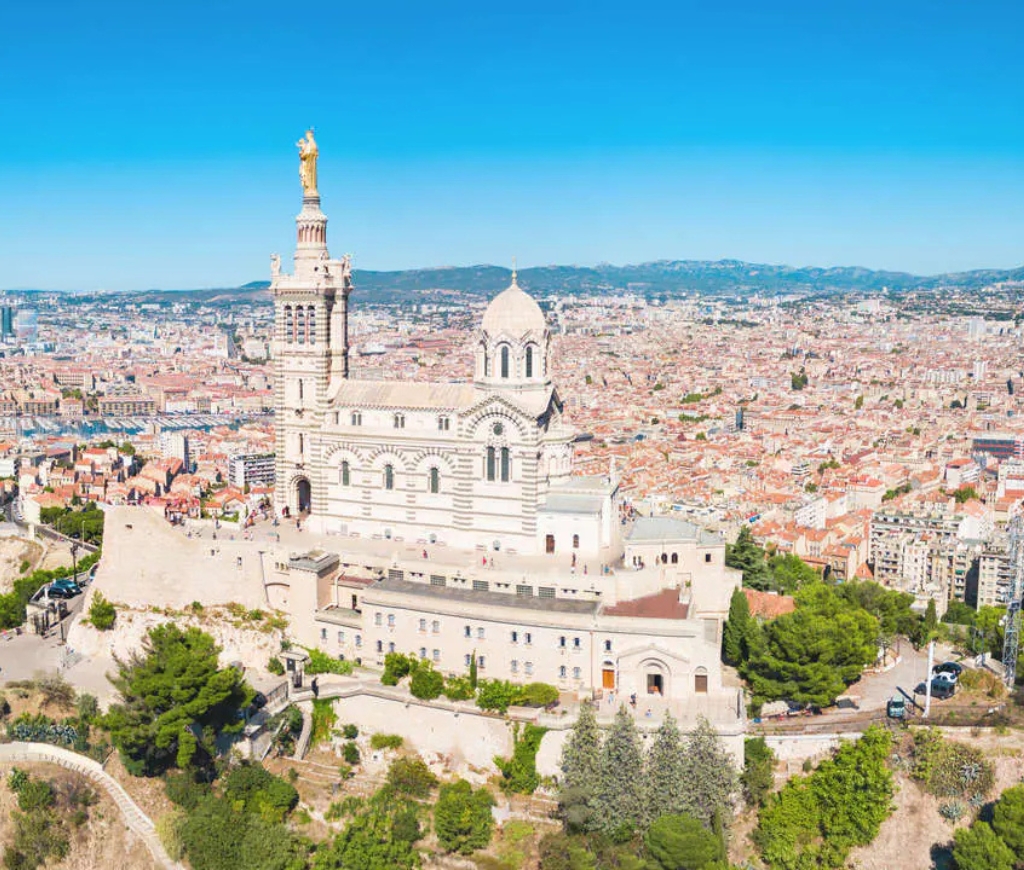
Among its main attractions is the Old Port (Vieux Port) – the heart of city life, recognizable by its boats, cafés, and restaurants. The impressive Notre-Dame de la Garde basilica, perched on a hill, offers panoramic views of the city, the islands, and Château d’If, the famous fortress from The Count of Monte Cristo. Also notable are the historic Le Panier district and MuCEM, a modern museum dedicated to Mediterranean culture.
Marseille’s cuisine includes specialties such as bouillabaisse – a traditional fish soup, and panisse – chickpea cakes. The city is full of authentic restaurants offering local flavors.
Nearby, the Calanques National Park is famous for its spectacular cliffs and clear waters, while charming towns like Aix-en-Provence and the fishing village of Cassis make perfect day trips. Wine lovers can explore the Provencal vineyards and enjoy tastings.
Colorful streets and historic buildings tell stories of the past, while sunsets over the sea create a special, warm atmosphere worth experiencing. Marseille is a place where tradition meets modern energy, ideal for pleasant moments and discovering authentic Mediterranean culture.
Ligurian Sea Darkest Spot
Ligurian Sea Darkest Spot
Ligurian Sea Darkest Spot
Savona, Italy
Savona, located on the Ligurian coast of Italy, is much more than just a seaport and a starting point for cruises – it is a historical and cultural treasure offering a rich experience for all lovers of art, architecture, and history. The city's numerous landmarks testify to its important role throughout the centuries. Among the most notable historical and cultural attractions is the Cathedral of San Giovanni Battista, built in the 16th century, featuring an elaborately decorated Baroque façade, frescoes, and an altarpiece dedicated to Saint John the Baptist. Nearby is Piazza del Duomo, the main city square, surrounded by important buildings such as the Town Hall (Palazzo del Comune).
A special experience is offered by the monumental Priamar Fortress from the 16th century, which used to defend the city and today provides panoramic views of the sea and hosts cultural events. Savona is also proud of the Renaissance Della Rovere Palace, associated with the powerful family of the same name, as well as the Church of San Francesco, known for its simple yet dignified architecture. History and art enthusiasts should definitely visit the Salvatori Museum, which offers insight into the city’s development through art collections, archaeological finds, and historical artifacts.
Even a short stay in Savona offers the opportunity to explore its rich historical and cultural heritage. The city is a perfect place to walk through history and enjoy the local atmosphere, providing you with an unforgettable experience.

Olbia, Italy
Olbia, a city on the northeastern coast of Sardinia, has a long and rich history that dates back to ancient times, when it was founded by the Greeks. Its name comes from the Greek word "Olbios", meaning “happy” or “blessed,” and over the centuries it developed into an important commercial and maritime hub.
Today, Olbia offers a vibrant mix of history, culture, and natural beauty. The city is filled with landmarks such as the Church of San Simplicio, dating back to the 11th century, the Archaeological Museum with artifacts from Roman and medieval times, medieval fortresses like Castello di Pedres, and Roman baths that showcase the advanced engineering of ancient Rome.
In addition to its cultural heritage, Olbia is famous for the stunning beaches in its surroundings, especially those of the Emerald Coast (Costa Smeralda). Among the most renowned are Pittulongu, Porto Istana, and La Cinta—all offering white sand, crystal-clear waters, and ideal conditions for swimming, sunbathing, and water sports.
Olbia’s gastronomy reflects the authentic flavors of Sardinia—from fresh seafood, octopus, shellfish, and fish to local cheeses like pecorino sardo and cured meats such as salsiccia sarda and prosciutto sardo. Traditional dishes like fregola, malloreddus, and the hearty zuppa gallurese are staples of the local menu. For dessert, try seadas—pastry filled with cheese and drizzled with honey—for a truly complete culinary experience.
Today, Olbia is a dynamic city that successfully blends its rich historical heritage with natural beauty and excellent cuisine, making it a perfect destination for travelers seeking to experience the authentic spirit of Sardinia.

Aranci gulf
Valencia, Spain
Valencia, the third largest city in Spain, is a place rich in history and culture that stretches back more than 2,000 years. Founded by the Romans, it was ruled over the centuries by the Visigoths, Moors, and Christian kings, each leaving a significant mark on its architecture and identity. A particularly important moment came in 1238, when King James I of Aragon reconquered the city, beginning a new era of prosperity as a commercial and cultural center.
Today, Valencia offers a unique blend of history, art, and modern architecture. Among its most famous landmarks are the Gothic Valencia Cathedral, which houses the Holy Grail, the UNESCO-listed Silk Exchange (La Lonja de la Seda), and the City of Arts and Sciences, a futuristic complex. Plaza de la Virgen and Plaza de la Reina are surrounded by historic buildings, while Bioparc Valencia provides a modern zoological experience. The city is also full of hidden gems like the Central Market and the Turia Gardens, a lush urban green space.
Valencian cuisine is rooted in local ingredients and a rich culinary tradition. The city is best known for paella, and also offers a wide variety of seafood dishes and the refreshing drink horchata with fartons. Tapas bars and vibrant markets provide insight into the authentic local lifestyle.
Valencia is also famous for its festivals, especially Las Fallas, the spectacular March celebration known for fireworks and the burning of large papier-mâché figures. The event reflects the creativity and community spirit of the city's residents. Valencia masterfully blends past and present, making it one of the most fascinating cities in Spain.

Formentera Bay
Ibiza (Baleari Is.), Spain
Ibiza, one of the Balearic Islands in Spain, is known for its beautiful beaches, rich history, and world-famous nightlife. Inhabited since the 7th century BC, the island has been shaped by various civilizations such as the Phoenicians, Romans, and Moors, whose influences are still visible today in its culture and architecture. The island has a strong bohemian and artistic scene and is known for its local crafts such as pottery and weaving. A standout highlight is the old town of Dalt Vila, a UNESCO World Heritage Site, with its Renaissance-era walls, medieval buildings, and the 13th-century Santa Maria d’Eivissa Cathedral. The walls were originally built to defend against pirate attacks and today stand as a symbol of the island’s rich history.
Ibiza also holds fascinating archaeological mysteries, such as the Cova de les Mans (“Cave of the Hands”), where prehistoric finger markings on the cave walls point to a human presence on the island stretching back thousands of years.


Ibiza (Baleari Is.), Spain
Ibiza, one of the Balearic Islands in Spain, is known for its beautiful beaches, rich history, and world-famous nightlife. Inhabited since the 7th century BC, the island has been shaped by various civilizations such as the Phoenicians, Romans, and Moors, whose influences are still visible today in its culture and architecture. The island has a strong bohemian and artistic scene and is known for its local crafts such as pottery and weaving. A standout highlight is the old town of Dalt Vila, a UNESCO World Heritage Site, with its Renaissance-era walls, medieval buildings, and the 13th-century Santa Maria d’Eivissa Cathedral. The walls were originally built to defend against pirate attacks and today stand as a symbol of the island’s rich history.
Ibiza also holds fascinating archaeological mysteries, such as the Cova de les Mans (“Cave of the Hands”), where prehistoric finger markings on the cave walls point to a human presence on the island stretching back thousands of years.
Palma de Mallorca (Baleari Is.), Spain
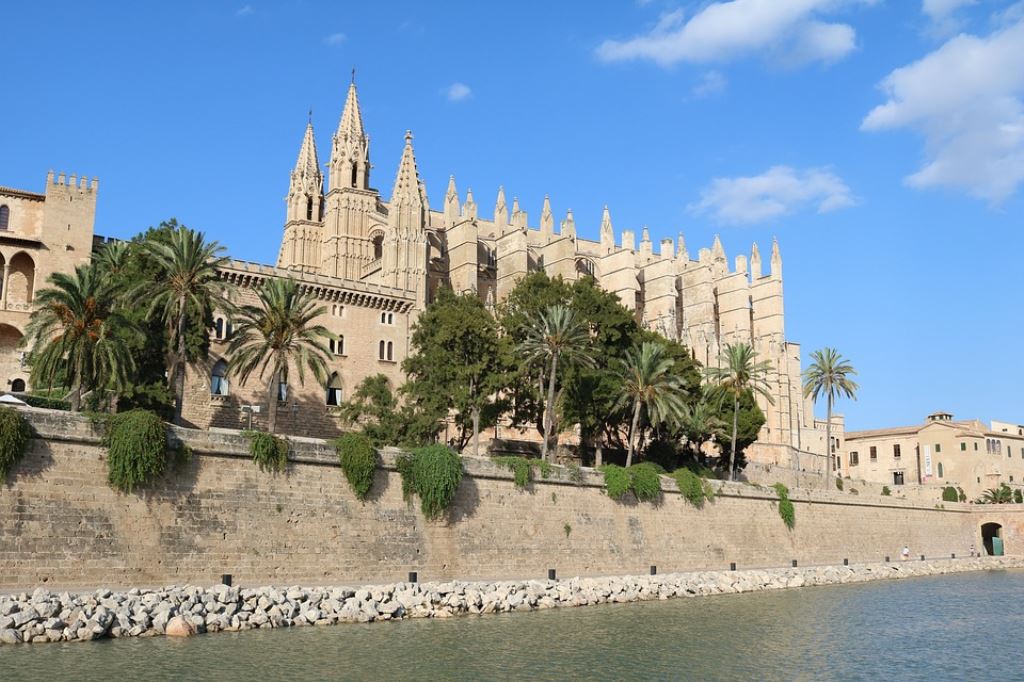
Palma de Mallorca – A City of History, Art, and Pearls. Also known simply as Palma, this capital of the Balearic Islands in Spain combines rich history, art, and modern amenities. The city has a long history dating back to prehistoric times. Over the centuries, Palma came under Roman, Vandal, Byzantine, Muslim, and Christian rule, all of which are reflected in its diverse architecture and cultural heritage.
The city is home to numerous cultural and artistic landmarks featuring a mix of Gothic, Renaissance, and modern architecture. Some of the most notable sites include the La Seu Cathedral, the Royal Palace of Almudaina, Castell de Bellver with its panoramic views of the city and harbor, and Pueblo Español, an open-air museum showcasing replicas of Spain’s most famous buildings. Lovers of modern art can enjoy the Es Baluard Museum of Contemporary Art, which exhibits works by both Spanish and international artists.
Playa de Palma, the closest beach to the city center, is easily accessible by bus or bicycle and is rich in tourist amenities – from restaurants and bars to various water sports.
Palma is also known for its Majorica pearls – high-quality artificial pearls that have been produced since the late 19th century in nearby Manacor. The Majorica factory welcomes visitors to see the pearl-making process and purchase handcrafted jewelry.
An interesting local legend tells of the dragon Drac de na Coca, who supposedly lived beneath the city and terrorized the locals until he was defeated by the knight Ramon Llull. This legend lives on today through souvenirs and works of art. A visit to Palma offers a rich experience where history, culture, art, legend, and relaxation on beautiful Mediterranean beaches all come together.

Toulon-La Seyne sur Mer
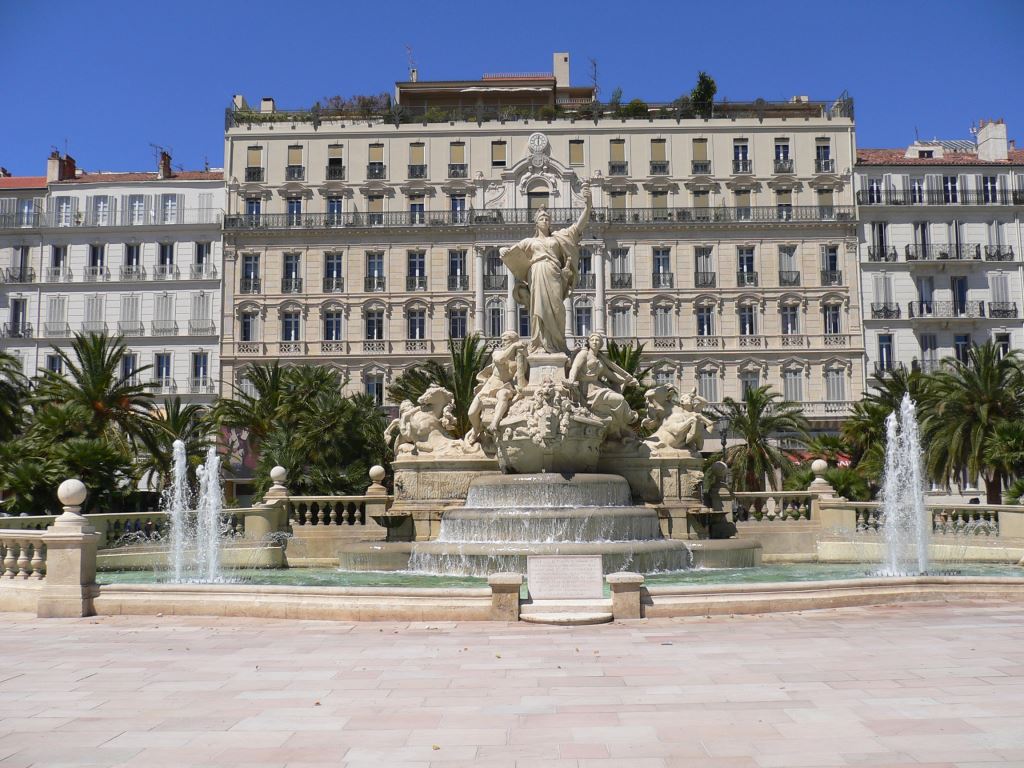
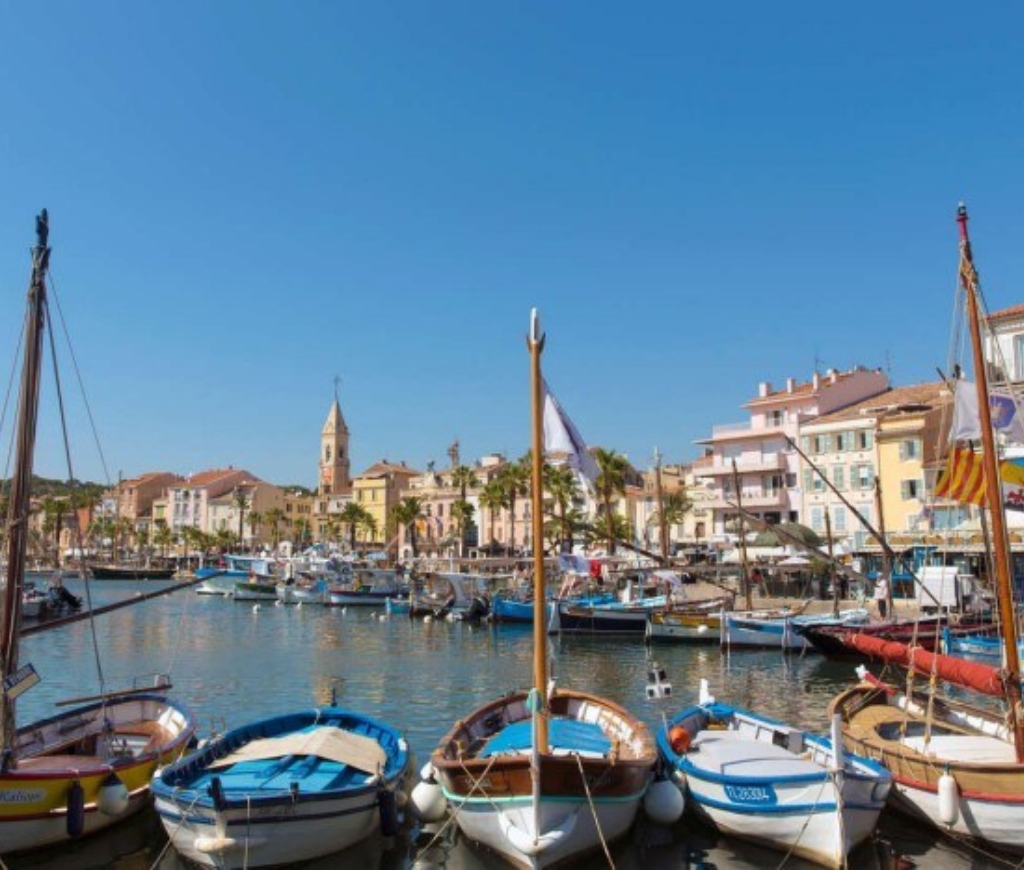
Sanary-sur-Mer and Bandol represent the authentic, chic side of Provence: slip into the historic port of Sanary, where the fishermen sell their freshest catch and the locals challenge each other to a game of bowls with a smile. Then it's straight to Bandol, where palm trees, cafés and elegant boutiques welcome you into a luxurious, sophisticated atmosphere.
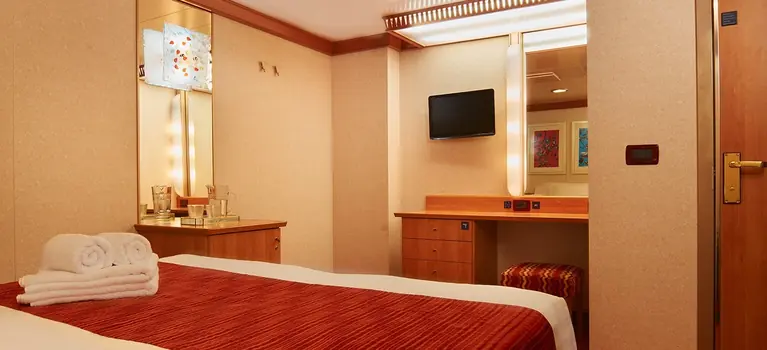
Available cabins for Sat. 12.06. - Sat. 19.06.2027.


Costa Fascinosa

Welcome on board Costa Fascinosa
A tribute to theatre and cinema classics, each deck is inspired by characters, stories, and memorable works, such as Aida, Tosca and Dr Zhivago. This is where you can enjoy all kinds of entertainment, from evening shows to relaxation at the spa or by the pool.
And for the kids? There is an Aqua Park just for them and a fairy-tale castle where they can imagine all the greatest adventures.
And there’s even more: musicals, casino, game rooms and lounge bars to play the leading role of your holiday, as though you were living in a film.
Featured activities