

Costa Fascinosa: LRM - LRM - LRM07A2L
1 available date
Itinerary
La Romana, Dominican Republic
Although they are relatively new destinations for tourists from Europe and the United States alike, the Dominican Republic and La Romana, a city on the island's beautiful eastern coast, have been attracting visitors for many centuries.
Their vocation is the legacy of what anthropologists have identified as the island's earliest settlers. The Taino Indians are thought by historians to have been a friendly, peace-loving race who farmed the land and lived quietly and simply in harmony both with nature and their fellow men.
Extensive historical evidence of the Taino people has been painstakingly collected and can now be seen in the country's two main museums in Santo Domingo and Puerto Plata. Historians who have studied the island's social and cultural development believe that the Dominican Republic had a highly complex structure. So much so, in fact, that Santo Domingo and La Romana (which was once much smaller than it is today) were once considered the only two cities on the entire continent.
Fact or fiction, legend or history... what is certain is that Taino farmers had their own manuals for farming and fishing, and led highly active lives with plenty of religious activities as well as work. Evidence of this has been passed down through inscriptions and various artefacts, most of them made from the ceramics at which the ancient people of the Dominican Republic excelled.
The first hint of revolution arrived of course with Christopher Columbus's first voyage. The explorer landed in the bay on 5th December 1492. He founded a small village, setting in motion a process of colonisation which soon led the island and its various activities to grow beyond measure.
La Romana emerged as a city of traders and seafarers. Its port became a flourishing cultural hub thanks to its close linguistic ties to the nearby coasts: art and music did the rest. Santo Domingo and La Romana have always been a focal point for trade, wellbeing and entertainment, although they have only been recognised as such universally in the past few decades.
La Romana is not only a thriving, bustling port: it is a beautiful city which boasts all the positive aspects of sea trade. La Romana lies towards the eastern area of the island: with the town of Punta Cana it is the key focus of culture and tourism along the entire coastline. La Romana is also known for its vicinity to San Pedro de Macorìs. Americans are more than familiar with this small village which nestles among sugar cane plantations: it has been feeding the US professional baseball league with natural-born talent for many years.
Near to La Romana lie some of the most stunning beaches on the American continent, including Bayahibe and Dominicus. A short hop from La Romana and the coast, the Saona and Catalina islands have also become enormously popular tourist destinations in recent years. These paradise islands are the ideal location for lovers of the sea at its most unspoilt. Here the beaches stretch for kilometres, and swathes of white sand are lapped by the turquoise waters. It is the perfect setting for a number of beautiful nature reserves, foremost of which is the Parque Nacional del Este, or Eastern National Park. The Park is considered an international heritage site and covers an area of over 420 square kilometres.
Saona Island and the village of Bayahibe lie within the park. In this setting, La Romana is shaking off its image as a port and emerging as the capital of a booming tourist trade. Every year thousands of tourists flock to its beaches, seeking their own corner of paradise where they can forget the stresses and strains of daily life, at least for a few days.
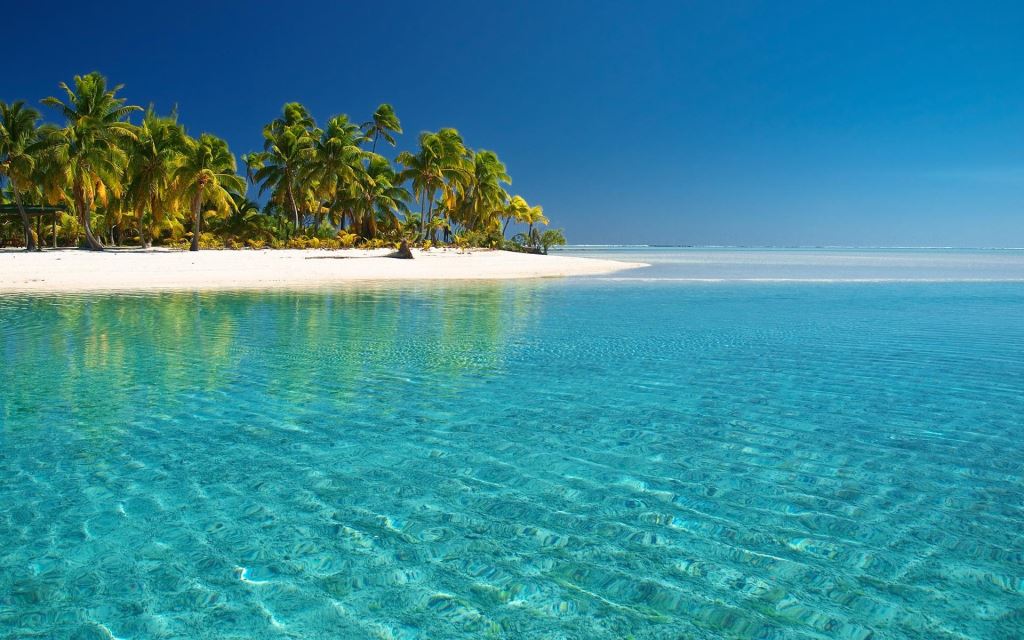
Curacao
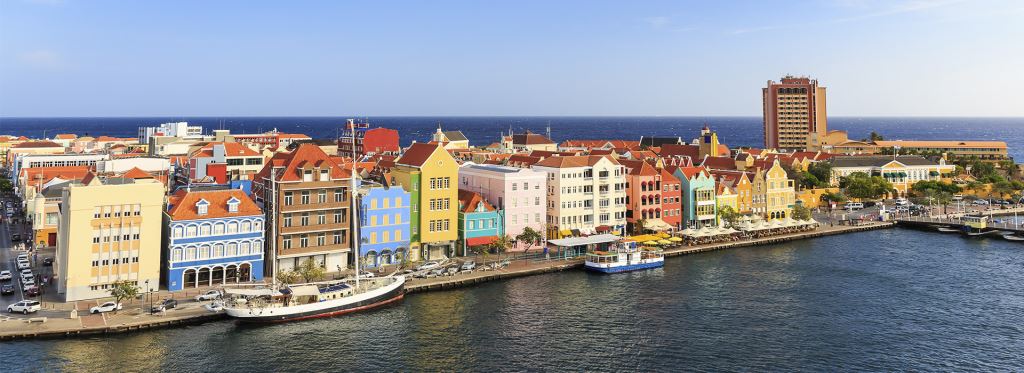
Aruba
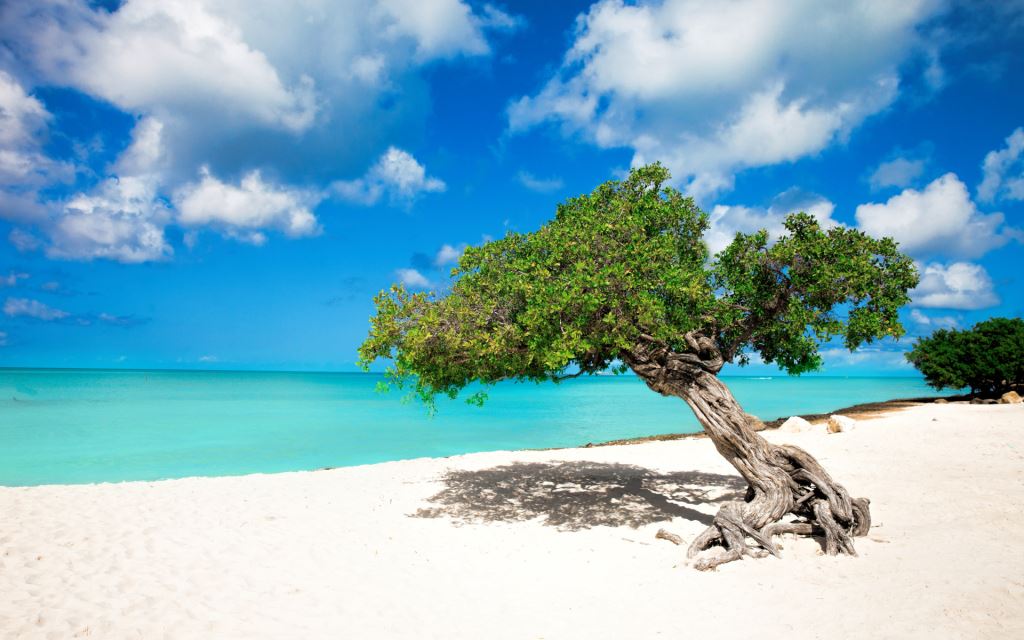
Aruba Bay
Kralendijk, Bonaire
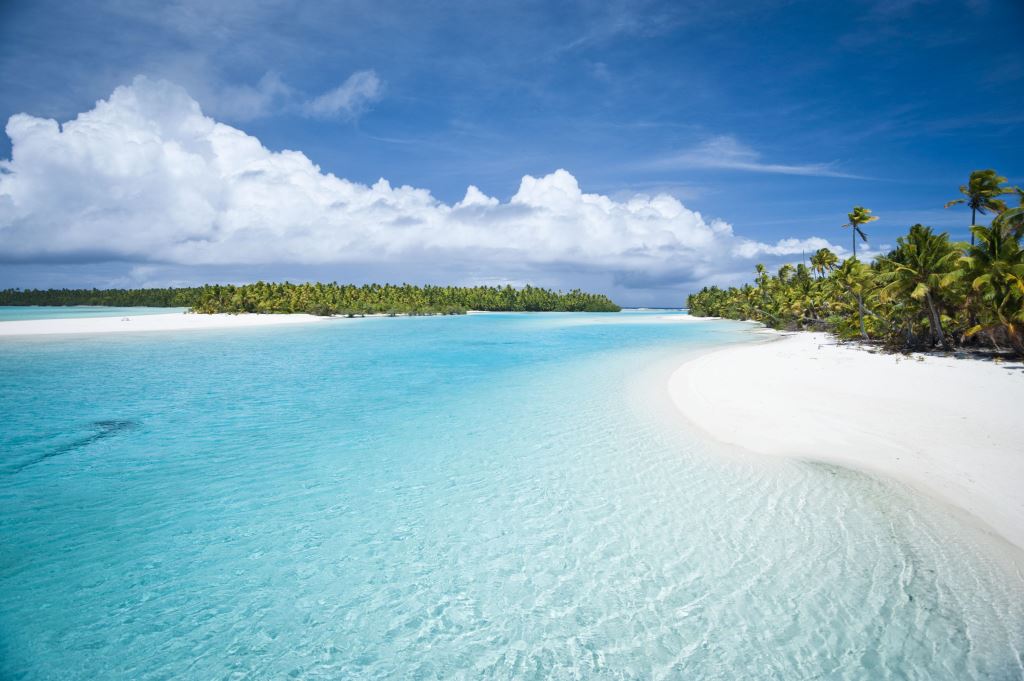
Cabo Rojo, Dominican Republic
La Romana, Dominican Republic
Although they are relatively new destinations for tourists from Europe and the United States alike, the Dominican Republic and La Romana, a city on the island's beautiful eastern coast, have been attracting visitors for many centuries.
Their vocation is the legacy of what anthropologists have identified as the island's earliest settlers. The Taino Indians are thought by historians to have been a friendly, peace-loving race who farmed the land and lived quietly and simply in harmony both with nature and their fellow men.
Extensive historical evidence of the Taino people has been painstakingly collected and can now be seen in the country's two main museums in Santo Domingo and Puerto Plata. Historians who have studied the island's social and cultural development believe that the Dominican Republic had a highly complex structure. So much so, in fact, that Santo Domingo and La Romana (which was once much smaller than it is today) were once considered the only two cities on the entire continent.
Fact or fiction, legend or history... what is certain is that Taino farmers had their own manuals for farming and fishing, and led highly active lives with plenty of religious activities as well as work. Evidence of this has been passed down through inscriptions and various artefacts, most of them made from the ceramics at which the ancient people of the Dominican Republic excelled.
The first hint of revolution arrived of course with Christopher Columbus's first voyage. The explorer landed in the bay on 5th December 1492. He founded a small village, setting in motion a process of colonisation which soon led the island and its various activities to grow beyond measure.
La Romana emerged as a city of traders and seafarers. Its port became a flourishing cultural hub thanks to its close linguistic ties to the nearby coasts: art and music did the rest. Santo Domingo and La Romana have always been a focal point for trade, wellbeing and entertainment, although they have only been recognised as such universally in the past few decades.
La Romana is not only a thriving, bustling port: it is a beautiful city which boasts all the positive aspects of sea trade. La Romana lies towards the eastern area of the island: with the town of Punta Cana it is the key focus of culture and tourism along the entire coastline. La Romana is also known for its vicinity to San Pedro de Macorìs. Americans are more than familiar with this small village which nestles among sugar cane plantations: it has been feeding the US professional baseball league with natural-born talent for many years.
Near to La Romana lie some of the most stunning beaches on the American continent, including Bayahibe and Dominicus. A short hop from La Romana and the coast, the Saona and Catalina islands have also become enormously popular tourist destinations in recent years. These paradise islands are the ideal location for lovers of the sea at its most unspoilt. Here the beaches stretch for kilometres, and swathes of white sand are lapped by the turquoise waters. It is the perfect setting for a number of beautiful nature reserves, foremost of which is the Parque Nacional del Este, or Eastern National Park. The Park is considered an international heritage site and covers an area of over 420 square kilometres.
Saona Island and the village of Bayahibe lie within the park. In this setting, La Romana is shaking off its image as a port and emerging as the capital of a booming tourist trade. Every year thousands of tourists flock to its beaches, seeking their own corner of paradise where they can forget the stresses and strains of daily life, at least for a few days.
Available cabins for Sun. 26.12. - Sun. 02.01.2028.
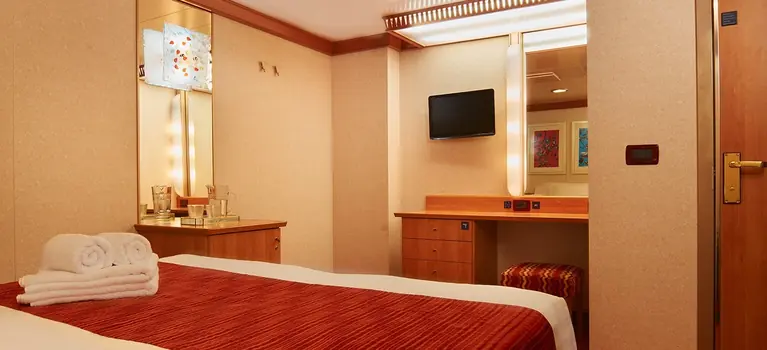


Costa Fascinosa

Welcome on board Costa Fascinosa
A tribute to theatre and cinema classics, each deck is inspired by characters, stories, and memorable works, such as Aida, Tosca and Dr Zhivago. This is where you can enjoy all kinds of entertainment, from evening shows to relaxation at the spa or by the pool.
And for the kids? There is an Aqua Park just for them and a fairy-tale castle where they can imagine all the greatest adventures.
And there’s even more: musicals, casino, game rooms and lounge bars to play the leading role of your holiday, as though you were living in a film.
Featured activities