

Costa Diadema: SVN - SVN - SVN11A0Z
2 available dates
Itinerary
Savona, Italy
Savona, located on the Ligurian coast of Italy, is much more than just a seaport and a starting point for cruises – it is a historical and cultural treasure offering a rich experience for all lovers of art, architecture, and history. The city's numerous landmarks testify to its important role throughout the centuries. Among the most notable historical and cultural attractions is the Cathedral of San Giovanni Battista, built in the 16th century, featuring an elaborately decorated Baroque façade, frescoes, and an altarpiece dedicated to Saint John the Baptist. Nearby is Piazza del Duomo, the main city square, surrounded by important buildings such as the Town Hall (Palazzo del Comune).
A special experience is offered by the monumental Priamar Fortress from the 16th century, which used to defend the city and today provides panoramic views of the sea and hosts cultural events. Savona is also proud of the Renaissance Della Rovere Palace, associated with the powerful family of the same name, as well as the Church of San Francesco, known for its simple yet dignified architecture. History and art enthusiasts should definitely visit the Salvatori Museum, which offers insight into the city’s development through art collections, archaeological finds, and historical artifacts.
Even a short stay in Savona offers the opportunity to explore its rich historical and cultural heritage. The city is a perfect place to walk through history and enjoy the local atmosphere, providing you with an unforgettable experience.

Barcelona, Spain
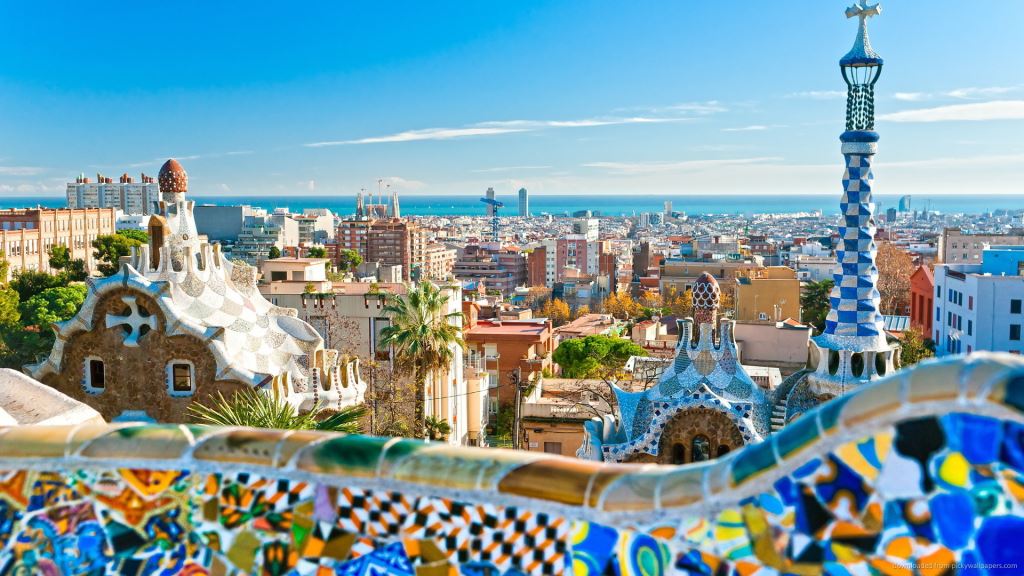
Barcelona, the capital of Catalonia, is a city with a rich and diverse history that dates back to the Roman era. Over the centuries, it was under Roman, Arab, Byzantine, and Christian rule, all of which have left a lasting mark on its architecture and cultural identity. During the Middle Ages, Barcelona became an important commercial and cultural center of Catalonia, and in the 19th century, it experienced significant industrial and urban development.
One of the most notable architects associated with Barcelona was Antoni Gaudí, whose works such as the Sagrada Família, Park Güell, Casa Batlló, and Casa Milà have become iconic symbols of the city. His unique style, which blends elements of Gothic, Modernism, and natural forms, has made Barcelona a uniquely vibrant urban space. Among the city’s most famous attractions are La Rambla, a lively promenade stretching from Plaça de Catalunya to the sea, and the Gothic Quarter (Barri Gòtic), the old part of the city filled with medieval alleys, buildings, and churches, including the Cathedral of Saint Eulalia. The artistic spirit of the city can also be felt in the Picasso Museum and the Joan Miró Foundation, which house works by two of Catalonia’s greatest artists.
Barcelona is also renowned for its famous football club, FC Barcelona, whose stadium Camp Nou attracts thousands of visitors eager to experience the passion and pride that Catalans have for their team.
The city also offers a rich culinary scene – from its famous tapas to traditional dishes such as paella, fideuà, zarzuela, and the dessert crema catalana. A highlight is the Boqueria Market, where visitors can taste local products and delicacies. Today, Barcelona is one of the most visited cities in Europe, offering a perfect blend of history, art, architecture, sport, gastronomy, and Mediterranean spirit.

Cadiz (Seville), Spain
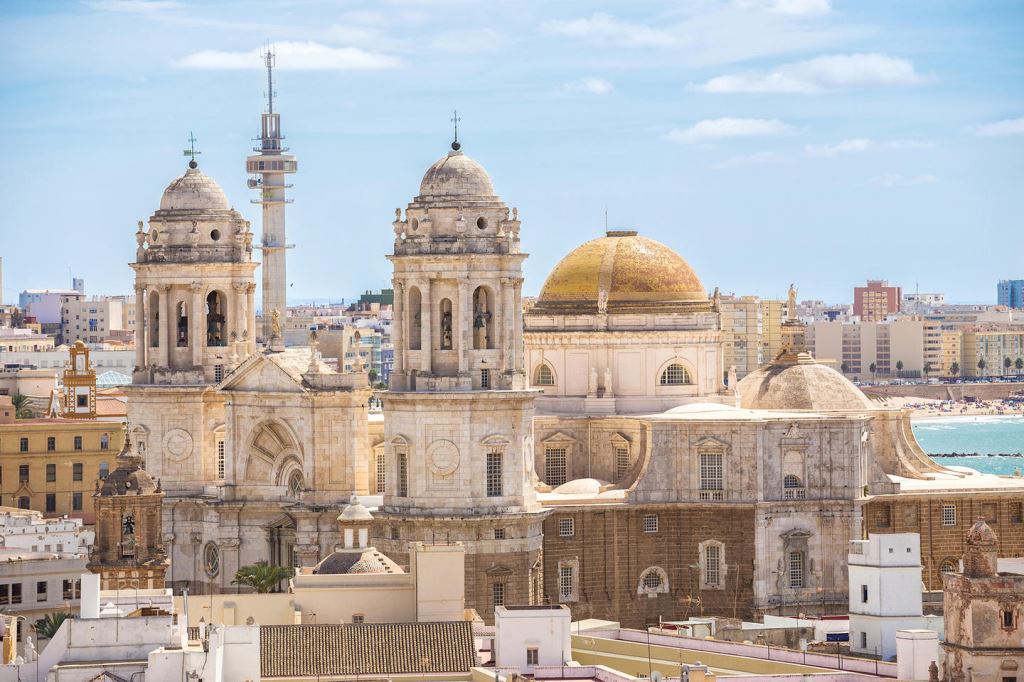
Cadiz is one of the oldest continuously inhabited cities in Europe, founded over 3,000 years ago by the Phoenicians as the trading port of Gadir. Throughout history, it was conquered by the Romans, Visigoths, and Moors, and during the Spanish Golden Age, it became an important port for trade with the New World. Today, the city offers a rich history and cultural landmarks.
Notable sights include the cathedral with its distinctive golden dome, the Torre Tavira tower with panoramic views and the Camera Obscura optical device, the Roman theater dating back to the 1st century BC, the Plaza de las Flores square, and the historic La Viña district known for its restaurants and authentic atmosphere. Cadiz also boasts beautiful beaches such as La Caleta and La Victoria Beach, which offer various activities and amenities.
The local cuisine is based on fresh seafood, with famous dishes like fried fish called ‘pescaíto frito’ and shrimp fritters known as ‘tortillitas de camarones’. The Mercado Central de Abastos market provides an opportunity to taste local delicacies.
The city is also known for the flamenco singer El Chano, whose music has become a symbol of authentic flamenco and an important part of the cultural heritage.

Lisbon (Cascais), Portugal
Lisbon, the capital and largest city of Portugal, is situated at the mouth of the Tagus River along the Atlantic coast. This historic and dynamic city is known for its unique blend of traditional charm, modern culture, and impressive architecture, making it one of Europe’s most attractive metropolitan destinations.
The city boasts a rich history dating back to Roman times, with vibrant neighborhoods like Alfama, Bairro Alto, and Belém exuding an authentic Mediterranean spirit. Narrow streets, picturesque squares, vintage trams, and the aromas of traditional cuisine create a special atmosphere that captivates visitors. Lisbon is also famous for its historic landmarks, including the imposing Belém Tower, the Jerónimos Monastery, and São Jorge Castle, which offers magnificent panoramic views of the city and the river.
A special highlight of Lisbon is fado – traditional Portuguese music filled with emotion and melancholy, often performed in small, intimate venues in the old quarters of the city. This unique musical form is deeply connected to the spirit of Lisbon and is a must-experience for anyone seeking authentic Portuguese culture. The gastronomy scene is especially notable, ranging from traditional pastéis de nata to top-tier restaurants blending Portuguese and international flavors.
The promenade along the Tagus River and lively squares such as Praça do Comércio are ideal spots for leisurely walks, coffee breaks, or evening outings. The city also offers numerous green spaces, parks, and viewpoints perfect for relaxation and enjoying the views.
Lisbon is a perfect destination for those wanting to experience a blend of history, culture, art, and modern urban life, with a warm Mediterranean atmosphere and welcoming local people.


Lisbon (Cascais), Portugal
Lisbon, the capital and largest city of Portugal, is situated at the mouth of the Tagus River along the Atlantic coast. This historic and dynamic city is known for its unique blend of traditional charm, modern culture, and impressive architecture, making it one of Europe’s most attractive metropolitan destinations.
The city boasts a rich history dating back to Roman times, with vibrant neighborhoods like Alfama, Bairro Alto, and Belém exuding an authentic Mediterranean spirit. Narrow streets, picturesque squares, vintage trams, and the aromas of traditional cuisine create a special atmosphere that captivates visitors. Lisbon is also famous for its historic landmarks, including the imposing Belém Tower, the Jerónimos Monastery, and São Jorge Castle, which offers magnificent panoramic views of the city and the river.
A special highlight of Lisbon is fado – traditional Portuguese music filled with emotion and melancholy, often performed in small, intimate venues in the old quarters of the city. This unique musical form is deeply connected to the spirit of Lisbon and is a must-experience for anyone seeking authentic Portuguese culture. The gastronomy scene is especially notable, ranging from traditional pastéis de nata to top-tier restaurants blending Portuguese and international flavors.
The promenade along the Tagus River and lively squares such as Praça do Comércio are ideal spots for leisurely walks, coffee breaks, or evening outings. The city also offers numerous green spaces, parks, and viewpoints perfect for relaxation and enjoying the views.
Lisbon is a perfect destination for those wanting to experience a blend of history, culture, art, and modern urban life, with a warm Mediterranean atmosphere and welcoming local people.
Gibraltar, Gibraltar
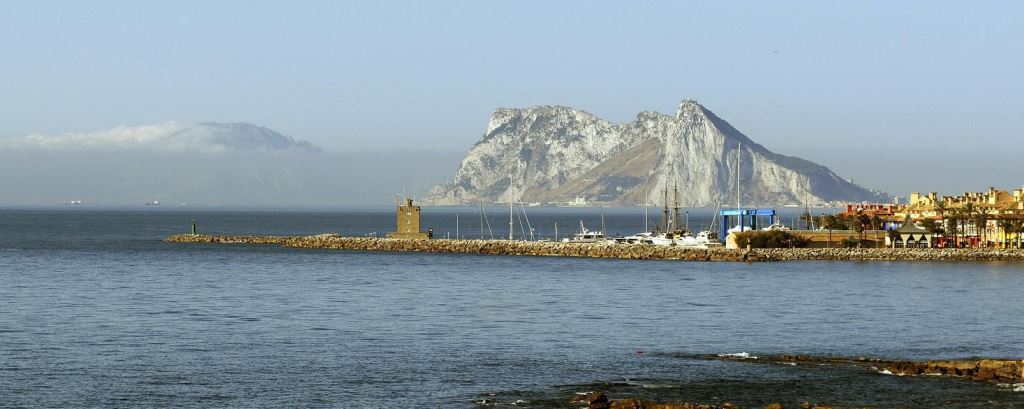
In ancient times the rock of Gibraltar, separating Europe from Africa, was known as the Pillars of Hercules and considered to be the end of the known world. In more modern times, it attained a strategic importance as the gateway to the Mediterranean through the Strait of Gibraltar, south of mainland Spain. Today the 6 square kilometres stretch of land, which is a British colony, is a busy centre of commerce and tourism, with a population of 30,000 inhabitants. The cultural make-up includes a Spanish majority as well as the British and minorities from Genoa, Morocco, Malta and Arabia.
The British influence is widely evident and English is the official language, although many of the islanders also speak Spanish in a distinctive dialect. The name Gibraltar derives from the Arabic Gibal al Tariq, which means Tariq Mount. It was founded in 711AD during the first Saracen reign in Spain. The original Arabic fortified city was destroyed and then rebuilt by the Castillians. Control of the city was fought over by the Spanish and the Arabs, until the British Crown took possession of Gibraltar in 1704, installing first an admiral and then a governor to administer the city.
The relationship between England and Spain over Gibraltar has often been uneasy. General Franco's Spanish government tried hard to annex Gibraltar, causing considerable tension with Britain, notably when the frontier was blocked. In 1967 a referendum on Gibraltar came out in favour of continued British ownership.
The fortress of Gibraltar is a particular highlight. The Moorish Castle, with its dominating tower, was built by Arabs in 750AD, although its present structure reveals influences from the 1500s, and its walls are well preserved. Another popular attraction on Gibraltar are the magnificent St Michael Caves, which have previously served as an air-raid shelter and hospital. The caves presently house a theatre, offering entertainment in a spectacular setting.
Malaga (Granada), Spain
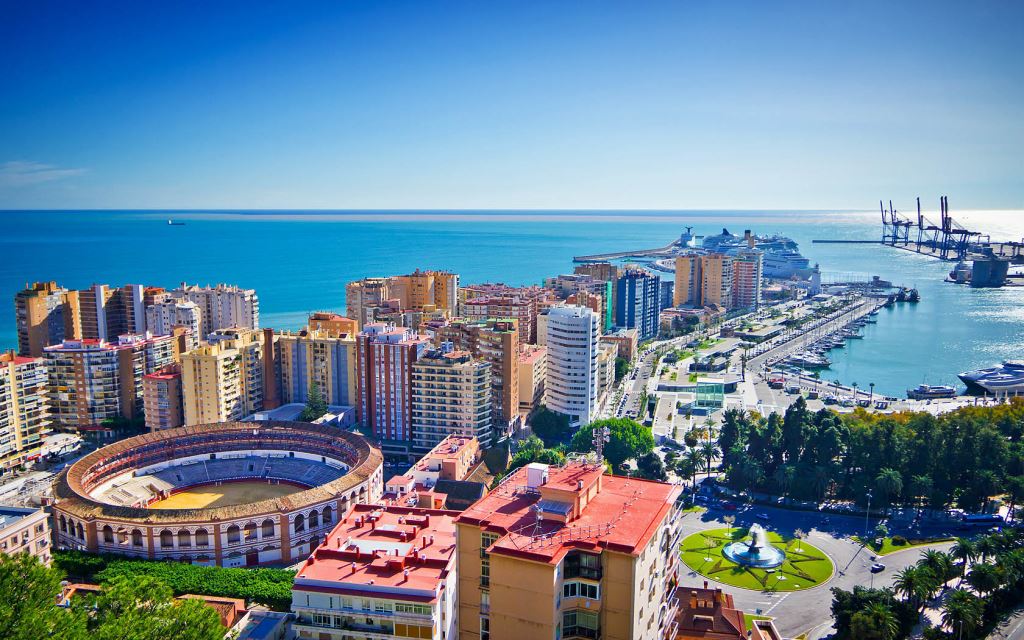
Malaga is one of the oldest cities in Europe, with a history spanning over 2,800 years. The city was founded by the Phoenicians around 770 BC, and was later ruled by the Romans, Visigoths, and Moors, each leaving behind a rich architectural and cultural legacy. Some of the most notable landmarks are the Roman Theatre, the Moorish Alcazaba fortress, which offers a stunning view over Malaga and the coast, and numerous museums. The most notable ones include the Picasso Museum, the Carmen Thyssen Museum, and the La Manquita Cathedral.
The city is also known as the birthplace of Pablo Picasso, one of the most influential artists of the 20th century, and is home to La Concepción, one of the most significant botanical gardens in Europe and the modern Muelle Uno promenade.
Malaga offers beautiful beaches, such as Playa de la Malagueta, close to the city center, and Playa del Palo, as well as a rich gastronomic scene focused on fresh local ingredients. Specialties include espeto (grilled sardines), gazpacho (cold tomato soup), a wide variety of tapas, and sweet wines like Moscatel. The Atarazanas Market is the perfect place to sample local food and buy souvenirs.
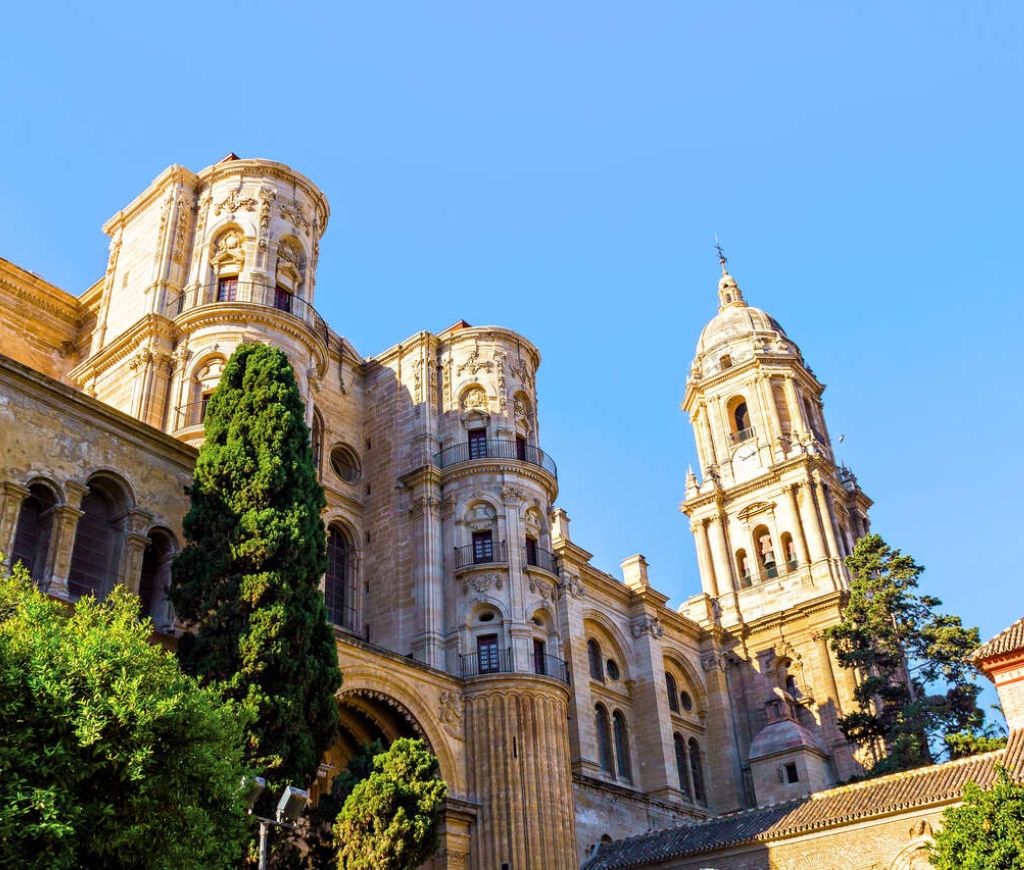
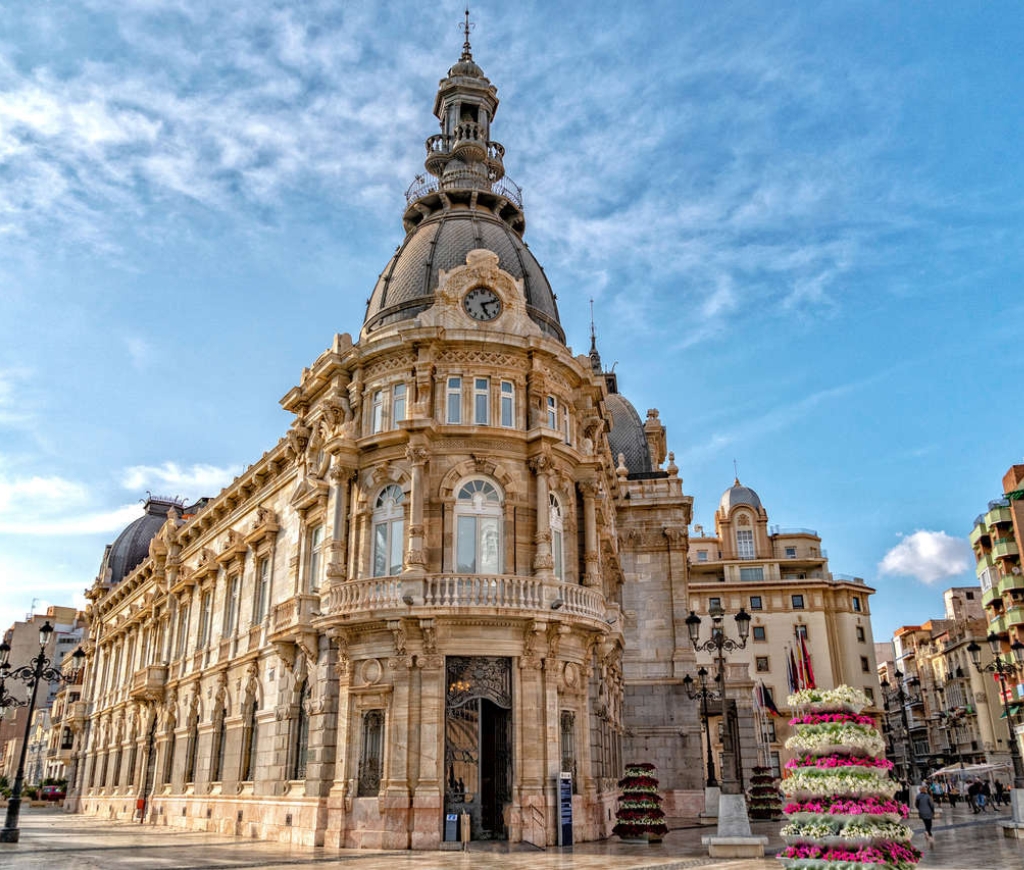
Cartagena
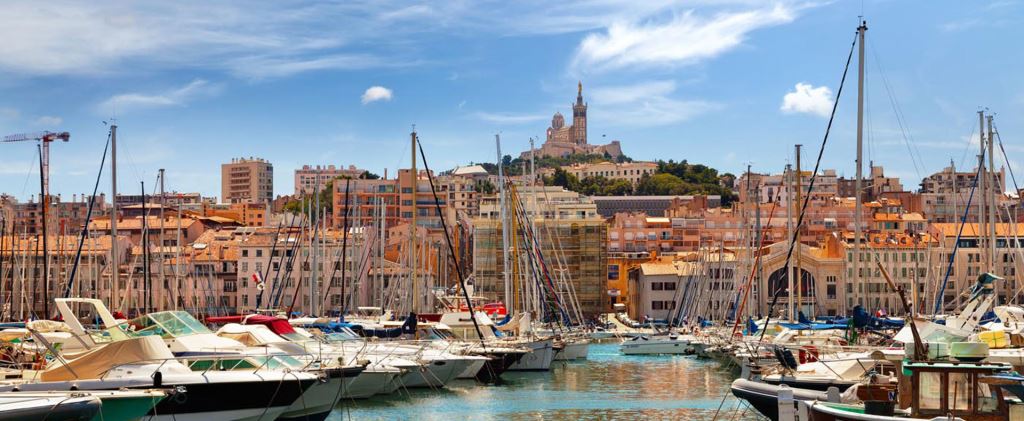
Marseille (Provence), France
Marseille, the second largest city in France and one of the oldest cities in Europe, boasts a rich history and vibrant atmosphere, situated along the sparkling Mediterranean Sea. Founded by the Greeks over 2,600 years ago, the city has been influenced by many civilizations throughout the centuries, leaving a lasting mark on its architecture and identity.
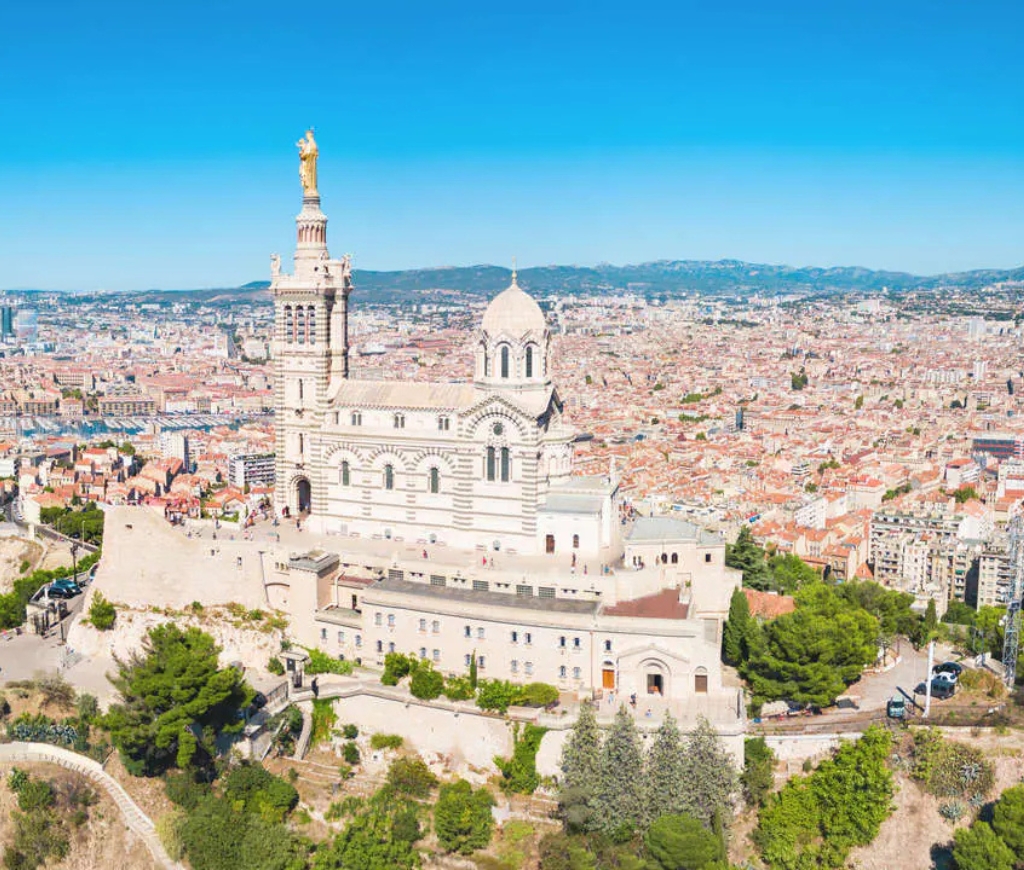
Among its main attractions is the Old Port (Vieux Port) – the heart of city life, recognizable by its boats, cafés, and restaurants. The impressive Notre-Dame de la Garde basilica, perched on a hill, offers panoramic views of the city, the islands, and Château d’If, the famous fortress from The Count of Monte Cristo. Also notable are the historic Le Panier district and MuCEM, a modern museum dedicated to Mediterranean culture.
Marseille’s cuisine includes specialties such as bouillabaisse – a traditional fish soup, and panisse – chickpea cakes. The city is full of authentic restaurants offering local flavors.
Nearby, the Calanques National Park is famous for its spectacular cliffs and clear waters, while charming towns like Aix-en-Provence and the fishing village of Cassis make perfect day trips. Wine lovers can explore the Provencal vineyards and enjoy tastings.
Colorful streets and historic buildings tell stories of the past, while sunsets over the sea create a special, warm atmosphere worth experiencing. Marseille is a place where tradition meets modern energy, ideal for pleasant moments and discovering authentic Mediterranean culture.
Savona, Italy
Savona, located on the Ligurian coast of Italy, is much more than just a seaport and a starting point for cruises – it is a historical and cultural treasure offering a rich experience for all lovers of art, architecture, and history. The city's numerous landmarks testify to its important role throughout the centuries. Among the most notable historical and cultural attractions is the Cathedral of San Giovanni Battista, built in the 16th century, featuring an elaborately decorated Baroque façade, frescoes, and an altarpiece dedicated to Saint John the Baptist. Nearby is Piazza del Duomo, the main city square, surrounded by important buildings such as the Town Hall (Palazzo del Comune).
A special experience is offered by the monumental Priamar Fortress from the 16th century, which used to defend the city and today provides panoramic views of the sea and hosts cultural events. Savona is also proud of the Renaissance Della Rovere Palace, associated with the powerful family of the same name, as well as the Church of San Francesco, known for its simple yet dignified architecture. History and art enthusiasts should definitely visit the Salvatori Museum, which offers insight into the city’s development through art collections, archaeological finds, and historical artifacts.
Even a short stay in Savona offers the opportunity to explore its rich historical and cultural heritage. The city is a perfect place to walk through history and enjoy the local atmosphere, providing you with an unforgettable experience.
Available cabins for Sun. 27.09. - Thu. 08.10.2026.
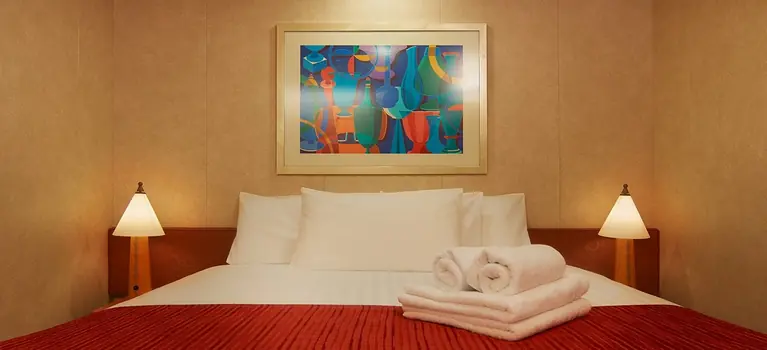
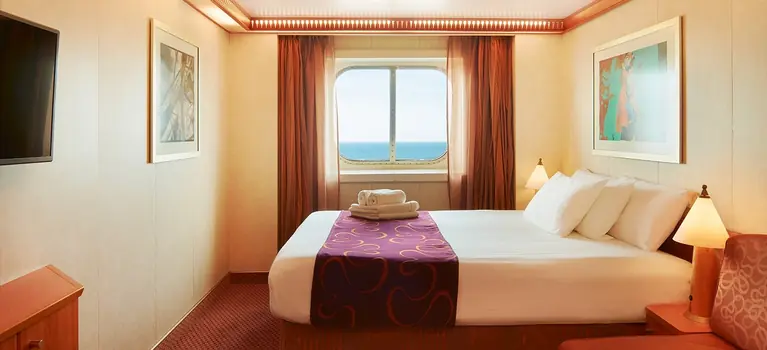


Costa Diadema
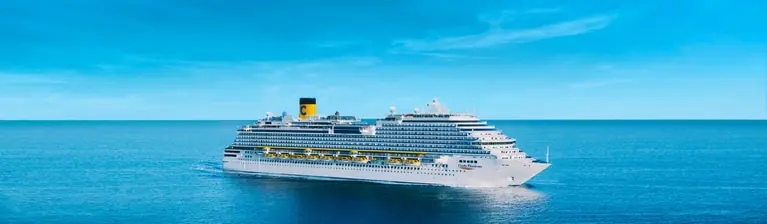
Welcome on board Costa Diadema
During the day and in the evening, you will be spoilt for choice of activities; from walks at sunset, to performances and theatre shows where international artists will perform.
Care for an aperitif? The Aperol Spritz Bar is waiting for you! And after dinner? A games room to bring out the kid in you, or an excellent beer in a real German pub.
You will find an entire deck dedicated to children that even has a Castle and Pirate galleon.
And for moments of pure relaxation, there is a great spa available where you can enjoy a massage while looking at the sea – a real treat!
Featured activities