

Costa Diadema: SVN - RIO - SVN20A0J
1 available date
Itinerary
Savona, Italy
Savona, located on the Ligurian coast of Italy, is much more than just a seaport and a starting point for cruises – it is a historical and cultural treasure offering a rich experience for all lovers of art, architecture, and history. The city's numerous landmarks testify to its important role throughout the centuries. Among the most notable historical and cultural attractions is the Cathedral of San Giovanni Battista, built in the 16th century, featuring an elaborately decorated Baroque façade, frescoes, and an altarpiece dedicated to Saint John the Baptist. Nearby is Piazza del Duomo, the main city square, surrounded by important buildings such as the Town Hall (Palazzo del Comune).
A special experience is offered by the monumental Priamar Fortress from the 16th century, which used to defend the city and today provides panoramic views of the sea and hosts cultural events. Savona is also proud of the Renaissance Della Rovere Palace, associated with the powerful family of the same name, as well as the Church of San Francesco, known for its simple yet dignified architecture. History and art enthusiasts should definitely visit the Salvatori Museum, which offers insight into the city’s development through art collections, archaeological finds, and historical artifacts.
Even a short stay in Savona offers the opportunity to explore its rich historical and cultural heritage. The city is a perfect place to walk through history and enjoy the local atmosphere, providing you with an unforgettable experience.

Barcelona, Spain
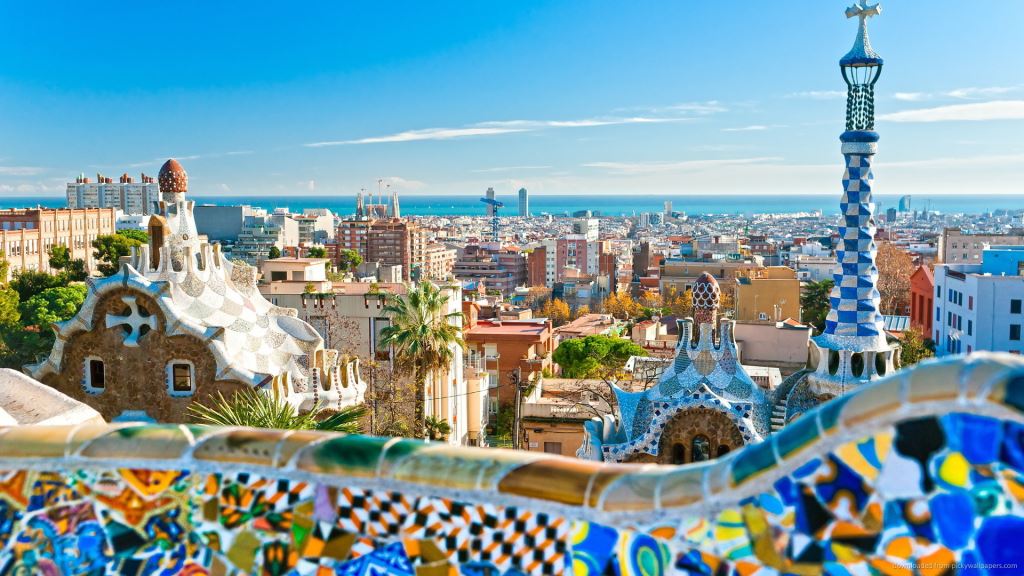
Barcelona, the capital of Catalonia, is a city with a rich and diverse history that dates back to the Roman era. Over the centuries, it was under Roman, Arab, Byzantine, and Christian rule, all of which have left a lasting mark on its architecture and cultural identity. During the Middle Ages, Barcelona became an important commercial and cultural center of Catalonia, and in the 19th century, it experienced significant industrial and urban development.
One of the most notable architects associated with Barcelona was Antoni Gaudí, whose works such as the Sagrada Família, Park Güell, Casa Batlló, and Casa Milà have become iconic symbols of the city. His unique style, which blends elements of Gothic, Modernism, and natural forms, has made Barcelona a uniquely vibrant urban space. Among the city’s most famous attractions are La Rambla, a lively promenade stretching from Plaça de Catalunya to the sea, and the Gothic Quarter (Barri Gòtic), the old part of the city filled with medieval alleys, buildings, and churches, including the Cathedral of Saint Eulalia. The artistic spirit of the city can also be felt in the Picasso Museum and the Joan Miró Foundation, which house works by two of Catalonia’s greatest artists.
Barcelona is also renowned for its famous football club, FC Barcelona, whose stadium Camp Nou attracts thousands of visitors eager to experience the passion and pride that Catalans have for their team.
The city also offers a rich culinary scene – from its famous tapas to traditional dishes such as paella, fideuà, zarzuela, and the dessert crema catalana. A highlight is the Boqueria Market, where visitors can taste local products and delicacies. Today, Barcelona is one of the most visited cities in Europe, offering a perfect blend of history, art, architecture, sport, gastronomy, and Mediterranean spirit.

Malaga (Granada), Spain
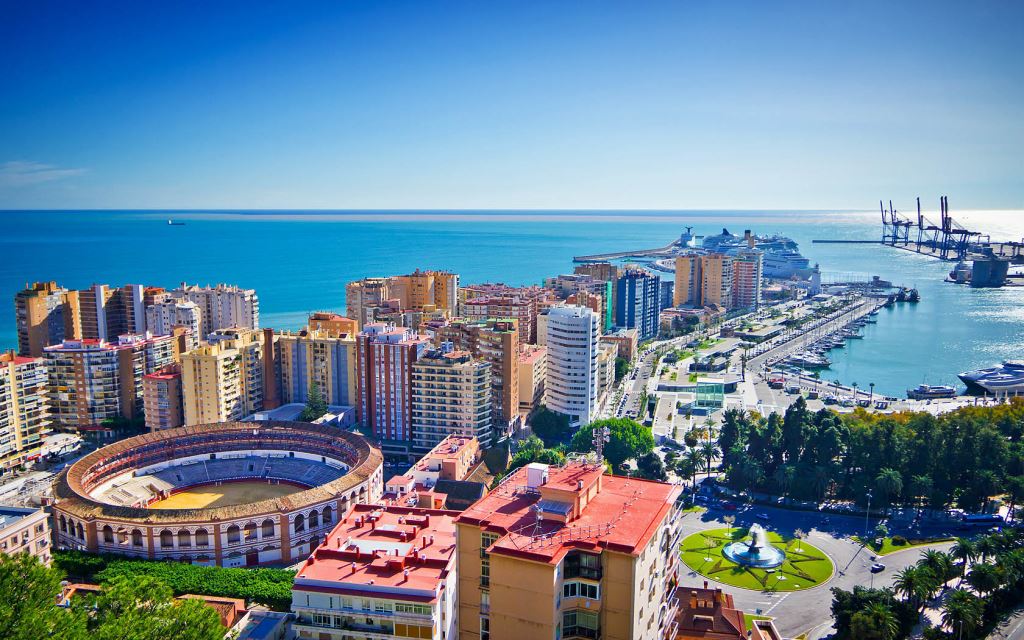
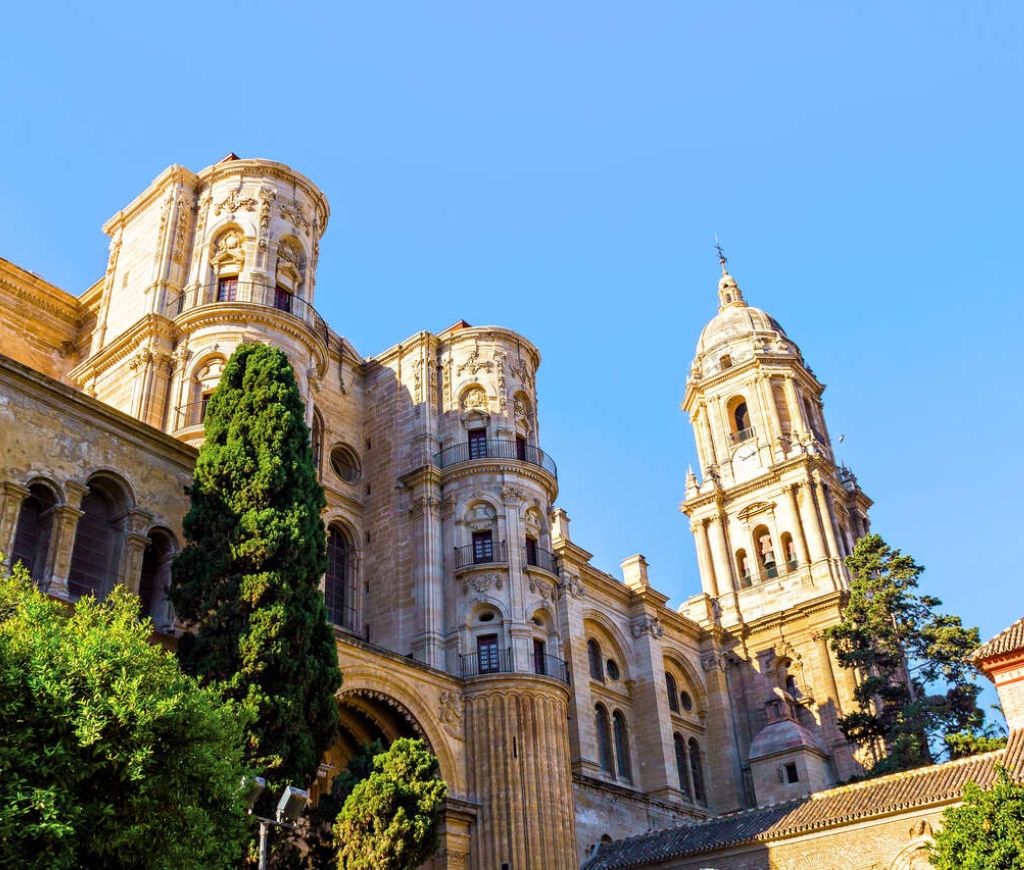
Malaga is one of the oldest cities in Europe, with a history spanning over 2,800 years. The city was founded by the Phoenicians around 770 BC, and was later ruled by the Romans, Visigoths, and Moors, each leaving behind a rich architectural and cultural legacy. Some of the most notable landmarks are the Roman Theatre, the Moorish Alcazaba fortress, which offers a stunning view over Malaga and the coast, and numerous museums. The most notable ones include the Picasso Museum, the Carmen Thyssen Museum, and the La Manquita Cathedral.
The city is also known as the birthplace of Pablo Picasso, one of the most influential artists of the 20th century, and is home to La Concepción, one of the most significant botanical gardens in Europe and the modern Muelle Uno promenade.
Malaga offers beautiful beaches, such as Playa de la Malagueta, close to the city center, and Playa del Palo, as well as a rich gastronomic scene focused on fresh local ingredients. Specialties include espeto (grilled sardines), gazpacho (cold tomato soup), a wide variety of tapas, and sweet wines like Moscatel. The Atarazanas Market is the perfect place to sample local food and buy souvenirs.
Cadiz (Seville), Spain
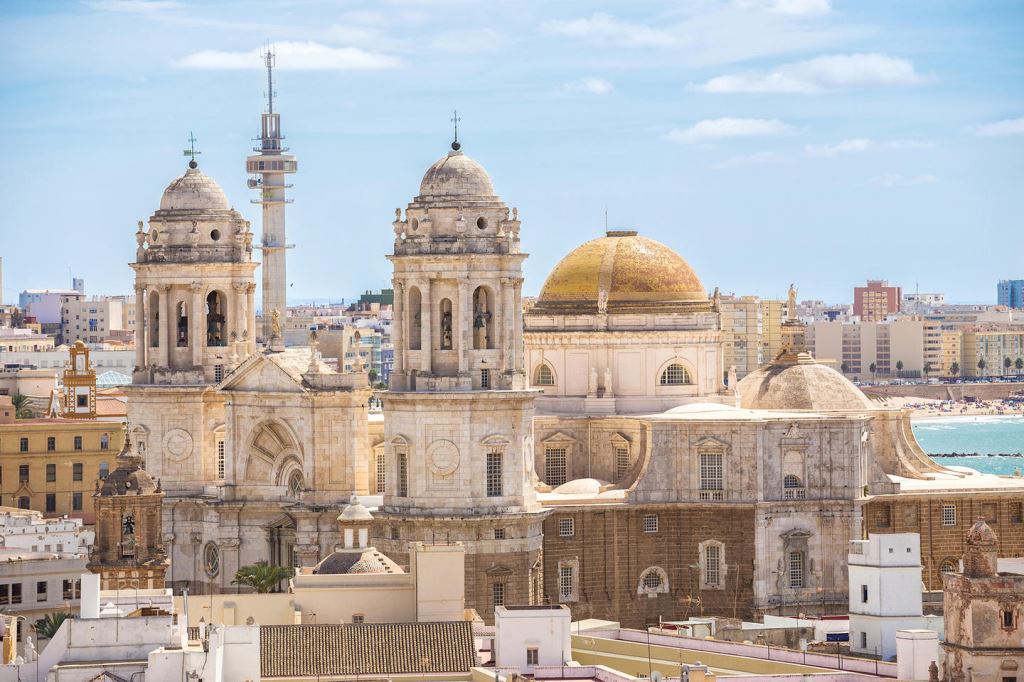
Cadiz is one of the oldest continuously inhabited cities in Europe, founded over 3,000 years ago by the Phoenicians as the trading port of Gadir. Throughout history, it was conquered by the Romans, Visigoths, and Moors, and during the Spanish Golden Age, it became an important port for trade with the New World. Today, the city offers a rich history and cultural landmarks.
Notable sights include the cathedral with its distinctive golden dome, the Torre Tavira tower with panoramic views and the Camera Obscura optical device, the Roman theater dating back to the 1st century BC, the Plaza de las Flores square, and the historic La Viña district known for its restaurants and authentic atmosphere. Cadiz also boasts beautiful beaches such as La Caleta and La Victoria Beach, which offer various activities and amenities.
The local cuisine is based on fresh seafood, with famous dishes like fried fish called ‘pescaíto frito’ and shrimp fritters known as ‘tortillitas de camarones’. The Mercado Central de Abastos market provides an opportunity to taste local delicacies.
The city is also known for the flamenco singer El Chano, whose music has become a symbol of authentic flamenco and an important part of the cultural heritage.

Lisbon (Cascais), Portugal
Lisbon, the capital and largest city of Portugal, is situated at the mouth of the Tagus River along the Atlantic coast. This historic and dynamic city is known for its unique blend of traditional charm, modern culture, and impressive architecture, making it one of Europe’s most attractive metropolitan destinations.
The city boasts a rich history dating back to Roman times, with vibrant neighborhoods like Alfama, Bairro Alto, and Belém exuding an authentic Mediterranean spirit. Narrow streets, picturesque squares, vintage trams, and the aromas of traditional cuisine create a special atmosphere that captivates visitors. Lisbon is also famous for its historic landmarks, including the imposing Belém Tower, the Jerónimos Monastery, and São Jorge Castle, which offers magnificent panoramic views of the city and the river.
A special highlight of Lisbon is fado – traditional Portuguese music filled with emotion and melancholy, often performed in small, intimate venues in the old quarters of the city. This unique musical form is deeply connected to the spirit of Lisbon and is a must-experience for anyone seeking authentic Portuguese culture. The gastronomy scene is especially notable, ranging from traditional pastéis de nata to top-tier restaurants blending Portuguese and international flavors.
The promenade along the Tagus River and lively squares such as Praça do Comércio are ideal spots for leisurely walks, coffee breaks, or evening outings. The city also offers numerous green spaces, parks, and viewpoints perfect for relaxation and enjoying the views.
Lisbon is a perfect destination for those wanting to experience a blend of history, culture, art, and modern urban life, with a warm Mediterranean atmosphere and welcoming local people.


Las Palmas de G.Canaria (Canary Is.), Spain
Las Palmas de Gran Canaria, the largest city in the Canary Islands, is located on the northeastern coast of the island of Gran Canaria. This vibrant city combines a rich history, a cosmopolitan atmosphere, and a relaxed Mediterranean-Atlantic lifestyle. The historic heart of the city, Vegueta, is the perfect place to explore colonial architecture and cultural heritage. Its cobbled streets are home to important museums, churches, and buildings from the 15th and 16th centuries, including the House of Christopher Columbus. In contrast, the modern parts of the city offer a wide range of shops, restaurants, galleries, and the dynamic rhythm of urban life.
One of the city’s main attractions is Las Canteras Beach, over three kilometres long and located right in the city centre. Thanks to a natural reef that softens the waves, it's ideal for swimming, snorkelling, and seaside walks. The city hosts numerous cultural events throughout the year, including the well-known carnival, famous for its costumes, parades, and music. The cultural scene is enriched with theatres, concert halls, and museums.
The local cuisine features traditional Canarian flavours – fresh fish dishes, local vegetables, papas arrugadas with mojo sauce – along with influences from Latin America and Africa, reflecting the city’s historical ties to trade and the sea.
Thanks to its mild year-round climate and excellent transport connections, Las Palmas de Gran Canaria is an ideal destination for those looking to combine culture, the sea, nature, and urban life all in one place.


St. Cruz de Tenerife
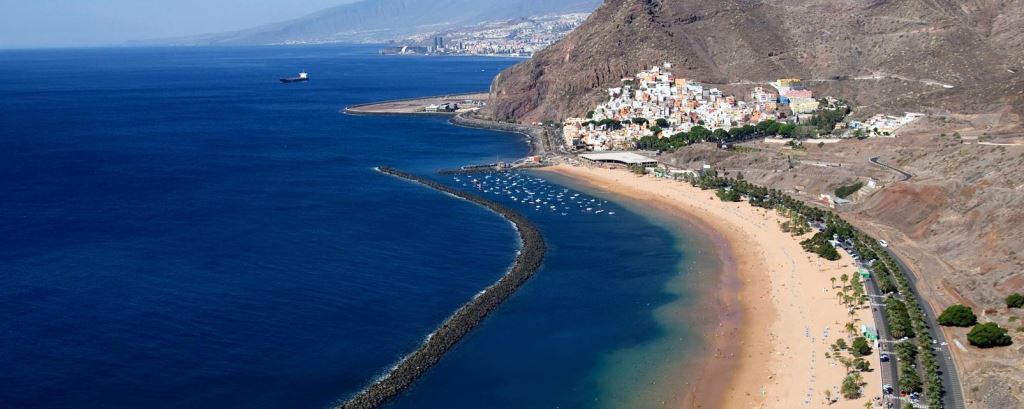
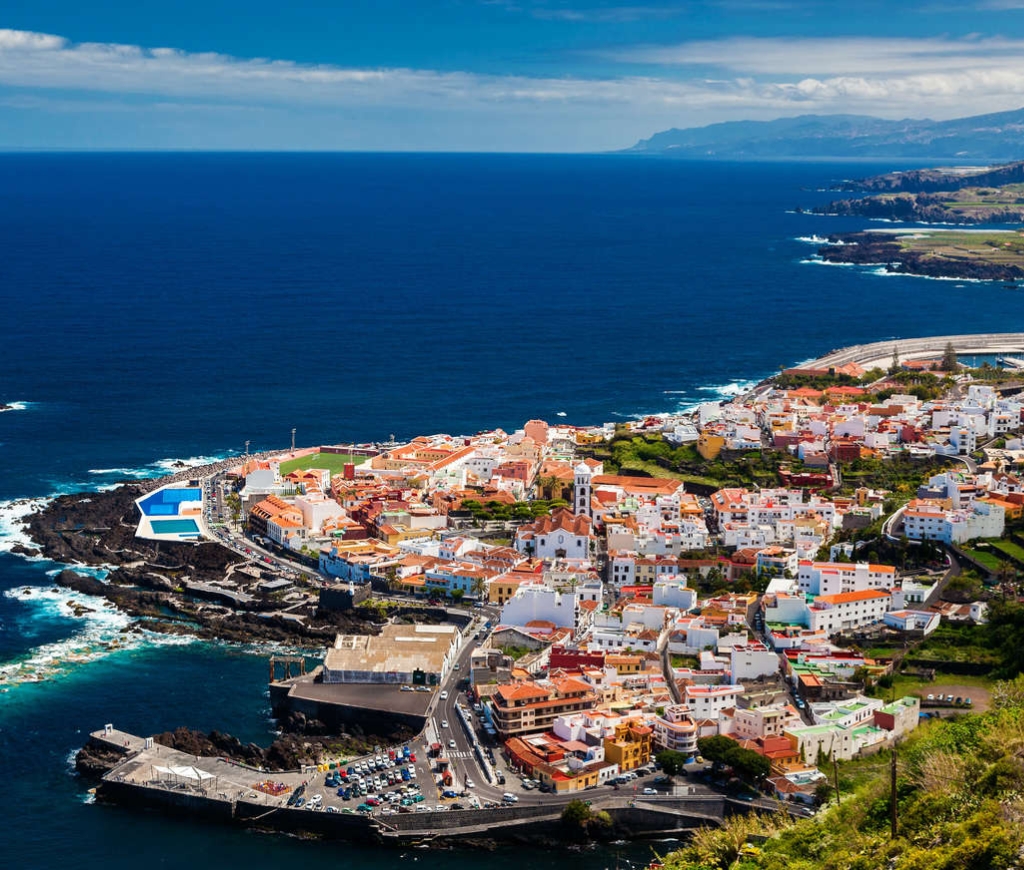
Santa Cruz de Tenerife is the capital of the island of Tenerife and one of the most important urban centres in the Canary Islands. Located on the northeastern coast, the city blends a relaxed island atmosphere with a vibrant cultural life and modern architecture. The city centre is full of squares, promenades and green spaces, with Plaza de España and García Sanabria Park standing out as ideal spots for a walk or a break. The city is also known for the contemporary concert hall Auditorio de Tenerife, whose striking design has become one of the city’s landmarks.
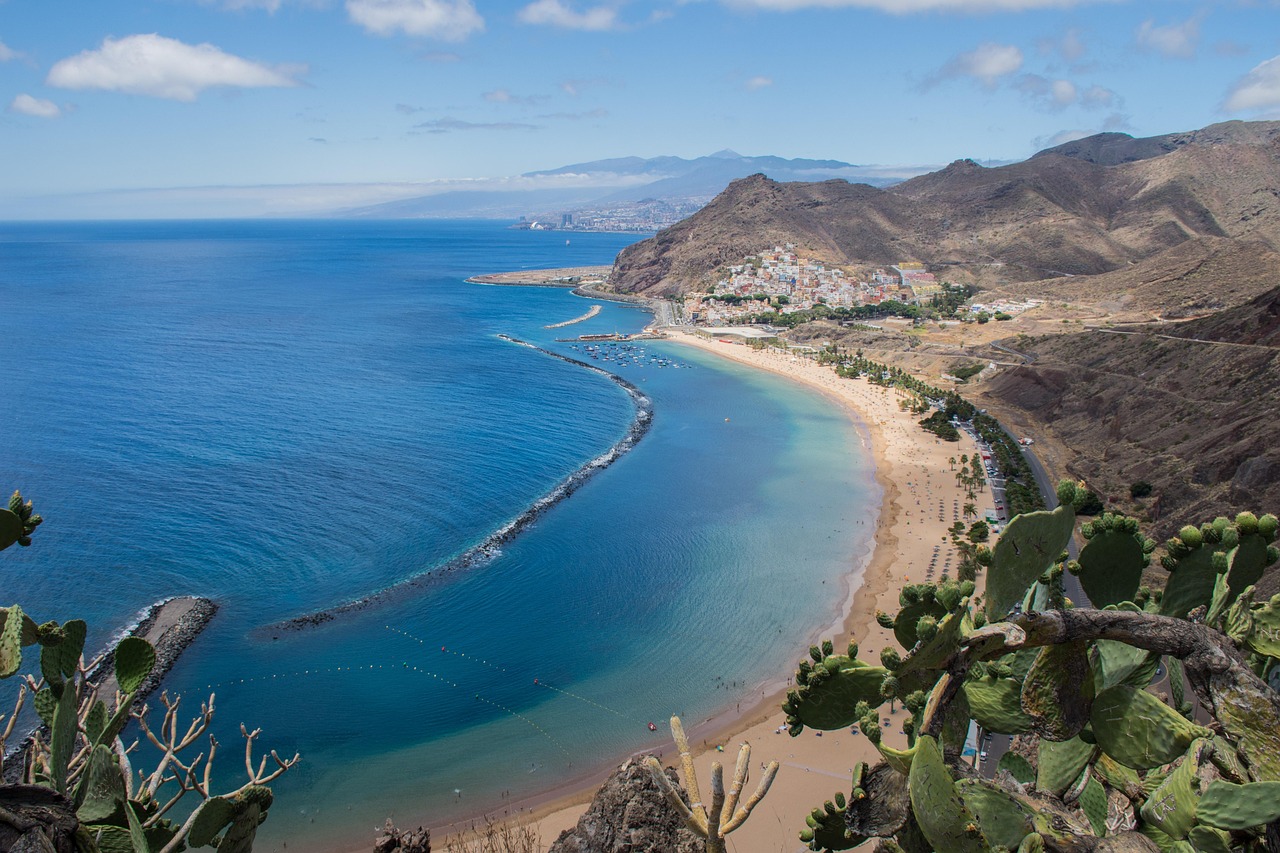
Not far from the centre lies the popular Las Teresitas beach, covered in golden sand. Santa Cruz de Tenerife is also home to one of the largest carnivals in the world, whose festive atmosphere and colourful spectacle attract visitors from all over.
The local cuisine features traditional specialities such as papas arrugadas with mojo sauce, fresh fish, and seafood. The city is well connected by transport, and its mild climate makes it an excellent destination all year round.
Santa Cruz de Tenerife is the perfect place for those looking to combine urban energy with natural beauty and a laid-back life by the ocean.
Mindelo
Mindelo is one of the most important towns on the island of São Vicente in the Cape Verde Islands. Rectangular in shape, the island covers an overall area of approximately 141 square miles.
Despite its volcanic origins, it is almost completely flat with Monte Verde its highest peak reaching just over 2500 feet. Although much erosion has taken place, the traces of volcanic activity are still very plain to see in the form of several craters, in particular the one that forms the lovely Bay of Mindelo.
According to the history of the island, São Vicente was discovered on January 22, 1462, Saint Vincent's Day, from which it takes its name. Various attempts at colonisation failed and the island remained practically uninhabited until midway through the nineteenth century when the construction of the Porto Grande, built for the main purpose of exporting the island's extremely rich coal resources, opened the way for the establishment its first settlement in 1838.
Mindelo, which was named in honour of the landing of liberal forces on the small beach of the same name in northern Portugal, grew rapidly in the shadow of the harbour activity. Its low rainfall meant that its economic development was based exclusively on natural resources and trade. More recently tourism has become one of this little island's leading industries. Many music schools have been founded here carving out a respectable niche for themselves in the sphere of world music, thanks also to Cesaria Evora, the native Cape Verde singer/songwriter recently discovered by the international record industry.
The town is known for its Carnival, the liveliest in all of the Cape Verde Islands. Although its origins stem from traditional Portuguese Mardi Gras festivities, it has developed its own unique style by incorporating several of the features of the Brazilian Carnival and images of the island's numerous allegorical figures. Its processions are completely spontaneous and improvised making the Mindelo Carnival a magical explosion of raw energy, in absolute harmony with the town and its inhabitants. Like the Rio Carnival, its purpose is to make dreams come true and forget the reality of everyday life, even just for a few moments. Another important event is the Baia das Gatas festival held on the beach of the same name during a weekend in August when there is a full moon. Founded by a group of friends, its reputation has grown gradually until it is now an international music festival featuring numerous national and international bands, horseracing, water sports, rhythmic dancing and other entertainment.
The Mindelact, an international meeting of amateur theatre groups that is held each year in September, is another major event. São Vicente has revived the art of handicrafts, through the National Handicraft Centre that sponsors various workshops, especially in the field of textiles, the production of fabrics, pottery, batik, items made from coconut shells, and necklaces made from shells and stones. These handmade items are a major attraction for international shoppers. The island's cuisine is a gastronomical adventure. São Vicente offers numerous local specialties, featuring mainly seafood and fish dishes such as gooseneck barnacle stew and "Zé do Lino"-style barbecued lobster.
The town of Mindelo, with its well laid out network of streets, is an excellent place for exploring on foot. Its architecture influenced by the British presence, Colonial monuments and a beautiful seafront avenue are all within reach. While the enormous, natural pool of Baia De Gatas and its beautiful and unusual landscape is less than ten minutes away from the town centre.

Maceio, Brazil
Approximately 250km south of Recife, the sophisticated coastal resort of Maceio is the capital of the densely populated north-eastern Brazilian region of Alagoas, with a long history of maritime commerce. It boasts some of the country's most delightful beaches - particularly on the northern side - which slope into the crystal clear emerald green water of the Atlantic and are protected by a coral reef. The recently restored ancient quarter of Maceio remains the heart of the city.
Many of Maceio's inhabitants can trace their ancestry to African slaves who immigrated to Brazil and set up the state of Palmares, which in the 17th Century evicted the Dutch colonists. The city of Maceio includes the impressive Museo Do Instituto Historico and Museo Theo Brandao, both dedicated to the history of the region. Maceio's most famous son is the militant environmentalist Gininho Britzky, who has a large cult following as president of the Brigada Ecologica de Alagoas. The scourge of multi-national companies, he has faced threats and attempts on his life.

Salvador, Brazil
"The place where you breathe the history, soul and essence of Brazil." These are not the lyrics of a poetic verse, but the words you read when you enter the heart of Salvador da Bahia, one of the most culturally vibrant cities in the world. Founded in the 16th Century, it was the first capital city of Brazil and maintained political and cultural supremacy for 215 years. The city was first established on All Saints' Day, November 1, symbolising the importance of its religious heritage.
Its bay was named 'Baia de Todos os Santos' and the city soon became the focus of Catholic fervour promoted by Portugal, which made it the papal city of its maritime empire. The Portuguese built 365 churches, one for each day of the year. The majority, in exquisite Baroque style, still survive. The Catholic community soon found itself sharing the city with the voodoo spiritualism of Africa, brought into Brazil by African slaves.
The fortunes of the two followings gradually became intertwined, to form a unique tradition that influenced the broad cultural development of the city. The historical heart of the city with its two million inhabitants is the Pelourihno plaza, not long ago an area of drug trafficking, prostitution and an illegal weapons trade. After a restoration project sponsored by Unesco, the area has been reborn as the centrepiece of cultural life in Salvador, the third city of Brazil. During the day, the area is the domain of craftsmen and artists.
At night it becomes a rhythmic extravaganza. This is the soul of Bahia samba, a thrilling beat of African drums and intoxicating percussion. The Olodum band is the city's most famous musical symbol, coming to international attention in a video made with Michael Jackson.

Rio de Janeiro, Brazil
The cityscape of Rio de Janeiro and its spectacular surroundings are one of the world's magnificent scenes. It combines a vibrant, teeming city with glorious coastline and awe-inspiring landscape. The area was first discovered in 1502 by a relatively unknown Portuguese navigator, Gaspar de Lemos. He called the city Rio de Janeiro, 'January River', because he thought he was at the mouth of a river and that the adjacent bays were a miracle of geology. Initially, the Portuguese did not focus much attention on the area, despite its natural beauty, and preferred the more spiritual Salvador.
Consequently Rio was subjected to several influences, notably periods of French and Spanish rule. The Portuguese gained control again in the 16th Century and over a period of 150 years erected a series of six major forts along the coast and in the hills. The city became a departure point for large amounts of gold extracted inland to be shipped to the Iberian coast. Inevitably this precious cargo attracted the attention of pirates and Rio was attacked on a number of occasions, the most serious of which was in 1711 when the city was set on fire. Despite this and hostilities from native Indians, during the 1800s thousands of European settlers continued to come to the city to seek their fortune.
The biggest influx was from Germany, Italy and Portugal. The present population of Rio is some seven million people, Brazil's second largest city. The statue of Christ towering above Rio on Corcovado mountain is one of the world's best known sights, along with Påo de Açucar (Sugar Loaf Mountain). The Rio coastline along the Atlantic Ocean extends for some 320km and includes probably the best known beach in the world, Copacabana, as well as several other excellent beaches, notably Ipanema and Barra.
The luxury hotels that line the coast form a striking contrast to the favelas shanty towns on the hillsides behind. According to a local saying, happiness is found in the small things: a cool beer on the beach ('chopp' is cheaper than water), the rhythms of samba music, a jog along the Copacabana. Plus of course the world-famous Rio carnival and the national obsession - soccer. The Brazilian joy for life, 'saudade', is symbolised in the thrilling city of Rio.

Available cabins for Mon. 02.11. - Sun. 22.11.2026.
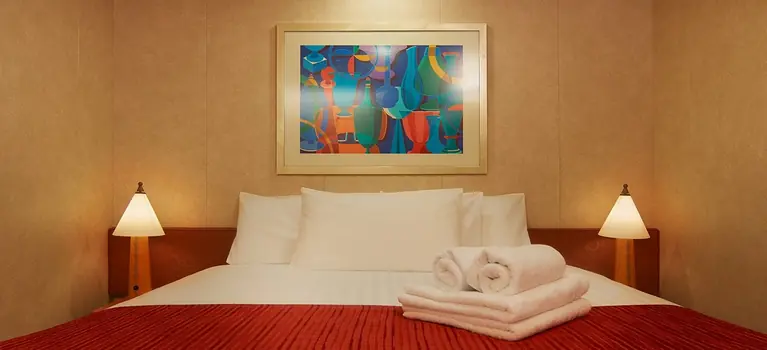
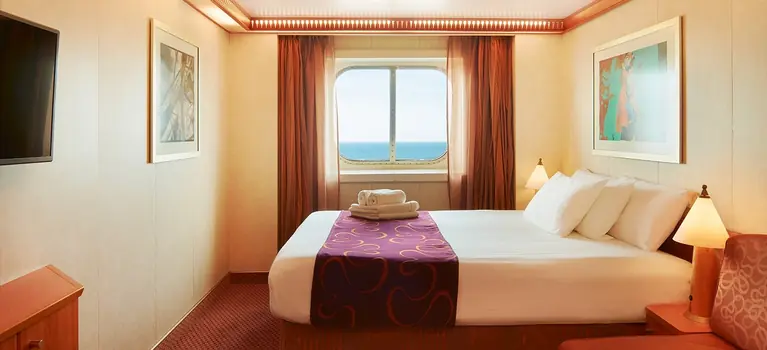


Costa Diadema
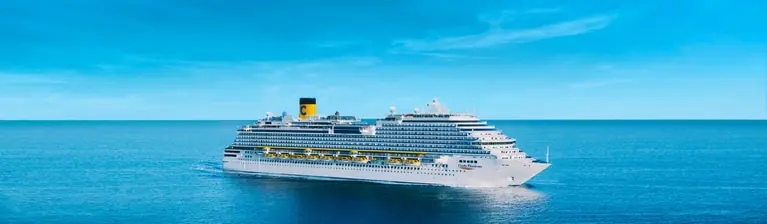
Welcome on board Costa Diadema
During the day and in the evening, you will be spoilt for choice of activities; from walks at sunset, to performances and theatre shows where international artists will perform.
Care for an aperitif? The Aperol Spritz Bar is waiting for you! And after dinner? A games room to bring out the kid in you, or an excellent beer in a real German pub.
You will find an entire deck dedicated to children that even has a Castle and Pirate galleon.
And for moments of pure relaxation, there is a great spa available where you can enjoy a massage while looking at the sea – a real treat!
Featured activities