Costa Diadema: MCZ - KEL - MCZ21A03
1 available date
Itinerary
Maceio, Brazil
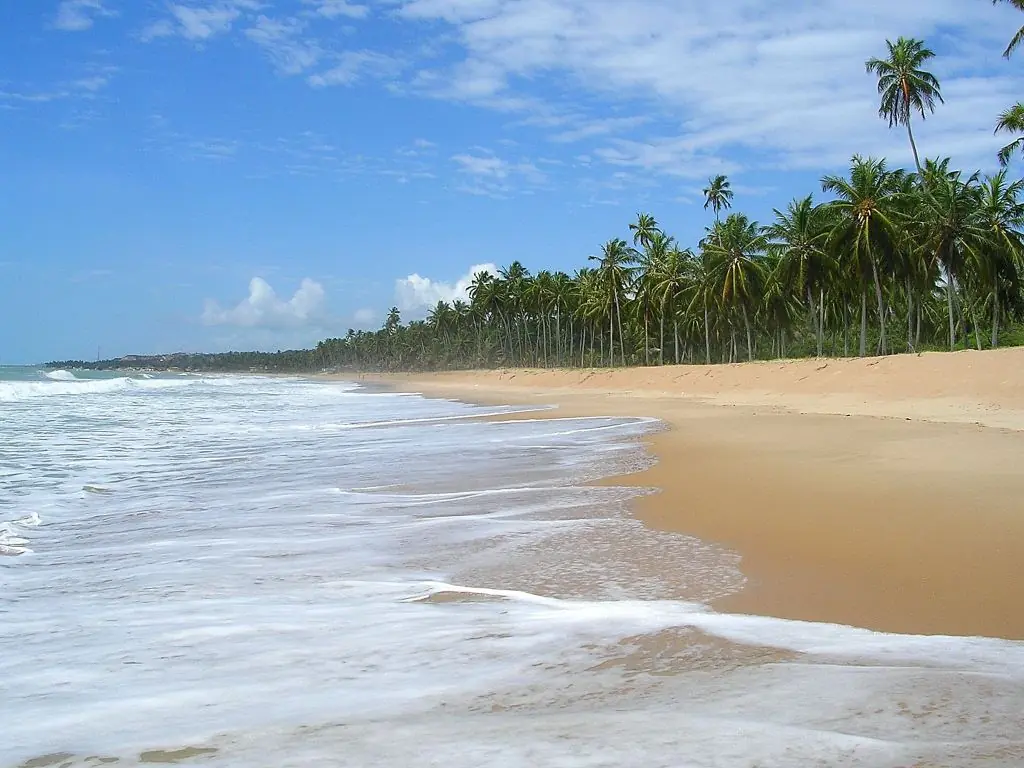
Approximately 250km south of Recife, the sophisticated coastal resort of Maceio is the capital of the densely populated north-eastern Brazilian region of Alagoas, with a long history of maritime commerce. It boasts some of the country's most delightful beaches - particularly on the northern side - which slope into the crystal clear emerald green water of the Atlantic and are protected by a coral reef. The recently restored ancient quarter of Maceio remains the heart of the city.
Many of Maceio's inhabitants can trace their ancestry to African slaves who immigrated to Brazil and set up the state of Palmares, which in the 17th Century evicted the Dutch colonists. The city of Maceio includes the impressive Museo Do Instituto Historico and Museo Theo Brandao, both dedicated to the history of the region. Maceio's most famous son is the militant environmentalist Gininho Britzky, who has a large cult following as president of the Brigada Ecologica de Alagoas. The scourge of multi-national companies, he has faced threats and attempts on his life.

PRAIA
Las Palmas de G.Canaria (Canary Is.), Spain
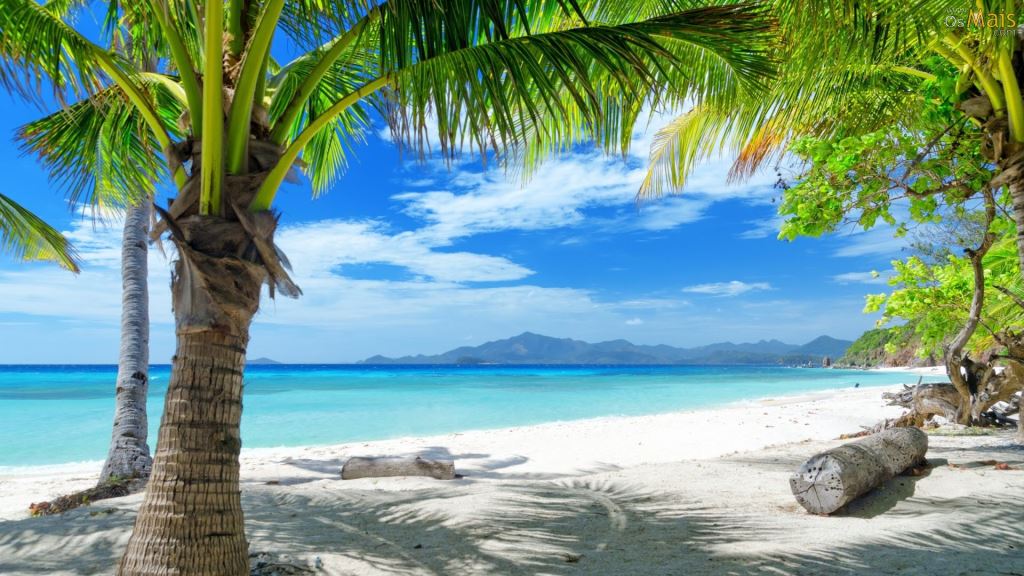
Las Palmas de Gran Canaria, the largest city in the Canary Islands, is located on the northeastern coast of the island of Gran Canaria. This vibrant city combines a rich history, a cosmopolitan atmosphere, and a relaxed Mediterranean-Atlantic lifestyle. The historic heart of the city, Vegueta, is the perfect place to explore colonial architecture and cultural heritage. Its cobbled streets are home to important museums, churches, and buildings from the 15th and 16th centuries, including the House of Christopher Columbus. In contrast, the modern parts of the city offer a wide range of shops, restaurants, galleries, and the dynamic rhythm of urban life.
One of the city’s main attractions is Las Canteras Beach, over three kilometres long and located right in the city centre. Thanks to a natural reef that softens the waves, it's ideal for swimming, snorkelling, and seaside walks. The city hosts numerous cultural events throughout the year, including the well-known carnival, famous for its costumes, parades, and music. The cultural scene is enriched with theatres, concert halls, and museums.
The local cuisine features traditional Canarian flavours – fresh fish dishes, local vegetables, papas arrugadas with mojo sauce – along with influences from Latin America and Africa, reflecting the city’s historical ties to trade and the sea.
Thanks to its mild year-round climate and excellent transport connections, Las Palmas de Gran Canaria is an ideal destination for those looking to combine culture, the sea, nature, and urban life all in one place.


Casablanca (Marrakech), Morocco
Casablanca, the largest city in Morocco and its economic capital, is located on the Atlantic coast and pulses with the energy of a major modern metropolis. Unlike many other Moroccan cities that emphasize their past, Casablanca looks toward the future — and it is precisely in this blend of tradition and modernity that its unique appeal lies.
The city is a symbol of modern Morocco: wide avenues, contemporary neighborhoods, business centers, and colonial-era urban architecture, especially in the Art Deco style, all testify to its history as well as its ambitions. Yet Casablanca has not lost its Moroccan identity — it can be felt in the rhythm of its streets, markets, cafés, and the aromas of traditional cuisine. Its most famous landmark is the Hassan II Mosque, one of the largest and most impressive in the world, with a 210-meter tall minaret. It is an architectural marvel that blends Islamic art with modern technology. The old medina, smaller and quieter than those in other cities, offers an authentic glimpse into everyday life — from artisan workshops to local markets. There is also the Corniche, a seaside promenade in the Ain Diab district, filled with restaurants, cafés, and clubs, ideal for seaside strolls and enjoying the sunset views.
The city is also famous for its name, which evokes iconic film scenes — although the movie Casablanca was not filmed here, the spirit of romance and nostalgia remains alive in legendary places like "Rick’s Café," inspired by the film.
Casablanca is a city that reveals the face of contemporary Morocco — ambitious, bustling, yet deeply rooted in its culture and tradition. It is a meeting place of old and new, where the Mediterranean and Africa intertwine in a unique urban story.


Malaga (Granada), Spain
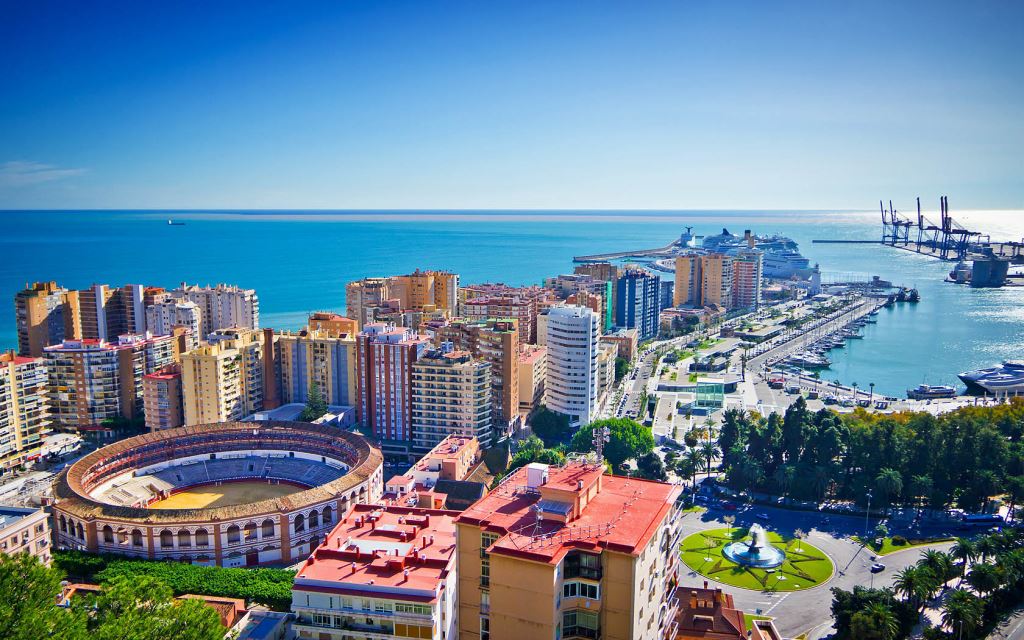
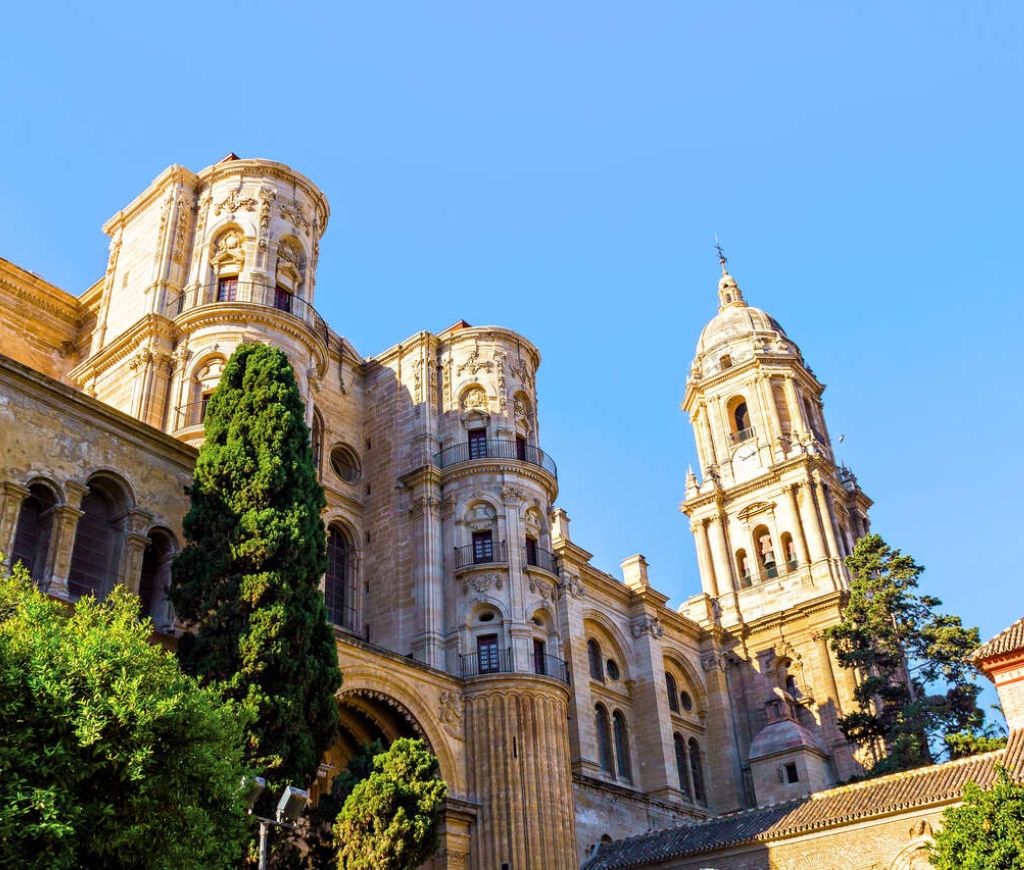
Malaga is one of the oldest cities in Europe, with a history spanning over 2,800 years. The city was founded by the Phoenicians around 770 BC, and was later ruled by the Romans, Visigoths, and Moors, each leaving behind a rich architectural and cultural legacy. Some of the most notable landmarks are the Roman Theatre, the Moorish Alcazaba fortress, which offers a stunning view over Malaga and the coast, and numerous museums. The most notable ones include the Picasso Museum, the Carmen Thyssen Museum, and the La Manquita Cathedral.
The city is also known as the birthplace of Pablo Picasso, one of the most influential artists of the 20th century, and is home to La Concepción, one of the most significant botanical gardens in Europe and the modern Muelle Uno promenade.
Malaga offers beautiful beaches, such as Playa de la Malagueta, close to the city center, and Playa del Palo, as well as a rich gastronomic scene focused on fresh local ingredients. Specialties include espeto (grilled sardines), gazpacho (cold tomato soup), a wide variety of tapas, and sweet wines like Moscatel. The Atarazanas Market is the perfect place to sample local food and buy souvenirs.
Leixoes
The city of Leixões has the most active port in northern Portugal. This has given Leixões an importance that is not reflected in the history books, which concentrated instead on Lisbon, Porto, and Vitoria and ship departures to the New World and East Indies colonies. Situated nine kilometres from the centre of Porto, Leixões is to Porto what Piraeus is to Athens.
The port of Leixões was created in the last century and is almost completely manmade. It was originally developed as a loading point for locally produced wine being exported to international markets. Leixões and the city of Matosinhos were designed with the purpose of easing marine traffic to northern Portugal. Originally completed in 1890, the port was widened in 1930 and modernised in 1970 with the creation of new terminals for fruit products and containers. It is presently renowned for silo transportation.
In recent years, Leixões's passenger traffic has increased, mainly due to its proximity to Porto, a city with significant cultural and historical appeal.

Vigo (Santiago de Compostela), Spain
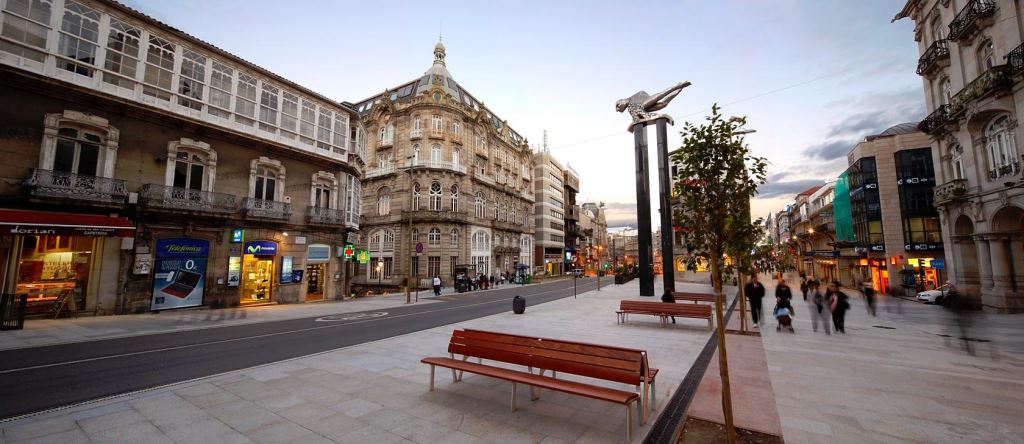
Santiago de Compostela is one of the most famous holy places of Christianity; in Mediaeval times it was just as important as Jerusalem or Rome. According to legend, James the Apostle (Santiago) came to Spain after the death of Jesus to preach the Gospel. Later he returned to Judea where, under the orders of Herod, he was decapitated.
His disciples took his body back to Spain to be buried. At first the faithful came to his tomb to pray but, after years of war and disorder, it lay abandoned and forgotten. At the beginning of the 9th century a hermit noticed a star shining above a hill in a field ("campus stellae" or "field of the star"). An altar and a tomb were discovered on the site, containing a decapitated body. King Alfonso II of Asturias ordered a church to be built on the tomb of the saint, which was later replaced by a larger one in 900 AD. Al-Mansur sacked the city in 997 and destroyed the church, but the tomb was left intact.
The present cathedral was largely rebuilt in the 11th and 12th centuries. The cult of Saint James grew more and more with stories of his presumed brave intervention in the battles against the Moors. The Saint was seen to appear for the first time at the battle of Clavijo in 884. Over the years, Saint James killer of the Moors, who went down in history as "Santiago Matamoros", was honoured as the Patron Saint of the country. Pilgrims from all over Europe, ever greater in number, travelled along the so-called "Camino de Santiago" (The Way of Saint James) to the sanctuary, around which grew up a town.
Along the way they found hospitality with monks and knights of religious orders. With their rough cloaks, robust sandals and wide brimmed hats decorated with a mollusc shell - the symbol of the saint - the pilgrims on their way to Santiago were easy to recognise. Many visitors are surprised to find a baroque rather than a mediaeval cathedral at Santiago. The first view of the cathedral in fact is the highly ornate Obradoiro facade, added in the 18th century. Behind this, however, is the old church with its magnificent doorway, the Pórtico de la Gloria (1188), a Roman masterpiece by Maestro Matheo. The narthex is comprised of three portals decorated with figures and sculptures in relief.
In front of the central column, where there is a statue of St. James with a pilgrim's stick, the faithful would lean with their hands on the stone, which, repeated so often over the centuries, has left fingerprints in the stone. The inside of the cathedral, always in semi-darkness, is simple but enlivened by the magnificent ceremonies that take place on festival days, when eight men dressed in red carry an enormous silver thurible ("botafumeiro"), hang it from the vault and let it swing. Whistling and throwing off sparks, the thurible spreads the scent of incense throughout the cathedral evoking ancient rites. The immense Plaza de España, on the west side of the cathedral is lined with beautiful buildings from various eras and in various styles, but which nevertheless blend together harmoniously.
The Hostal de los Reyes Católicos was built by King Fernando and Queen Isabel, "The Catholic Monarchs", as a hostel and hospital for the pilgrims. Its plateresque facade conceals a magnificent hotel. You can treat your palate to some Spanish specialities par excellence: paella and gazpacho vary widely from one place to the next. In fact there are at least thirty recipes for gazpacho, a chilled soup of Moorish origin, whose main ingredients are tomatoes, cucumbers, peppers, oil, vinegar and basil. The saffron rice in paella can be accompanied by chicken, rabbit, sausage, ham, prawns, shellfish, squid and lobster.
The region produces the good white wines Albarino and Ribeiro; Agullo and Condado are slightly sparkling and go especially well with shellfish. As for shopping, we recommend leather goods, candlesticks and other handmade wrought-iron articles and silver jewellery, for which the Galicians are famous. In Santiago look for the pilgrim's symbol, the silver mollusc shell.
Le Havre (Paris), France
The local gastronomy is rich in fresh seafood and traditional Norman specialties such as cheeses, cider, and calvados.
Easily accessible from Paris, Le Havre is the perfect escape from the bustle of the capital and a chance to discover a unique mix of modern urban architecture and authentic French coastal charm.


Southampton (London),United Kingdom
Cruises from Southampton are part of a rich maritime heritage. Some of the most famous ships have set sail from this port, which, before the rise of commercial air travel, was the main gateway to the world. Hollywood stars like Bette Davis and Elizabeth Taylor passed through here to board cruises from Southampton, and it is also known as the port from which the Titanic departed in 1912.
In the picturesque Old Town, walking along cobbled streets reveals 12th-century churches, Tudor-style houses, and one of the best-preserved medieval city walls in the UK, featuring the historic Bargate entrance. The city also offers lively marina-side bars, modern shopping districts, and a cultural quarter where the Mayflower Theatre stages popular West End musicals, while the SeaCity Museum documents Southampton’s rich maritime past.
Some of England’s most famous landmarks are just a short drive away: the Neolithic wonder Stonehenge, the picturesque spa city of Bath, or iconic London attractions like Buckingham Palace, Tate Modern, and Tower Bridge.
Discover 5,000 years of history and much more on a cruise from Southampton.

Aahrus
Kiel, Germany
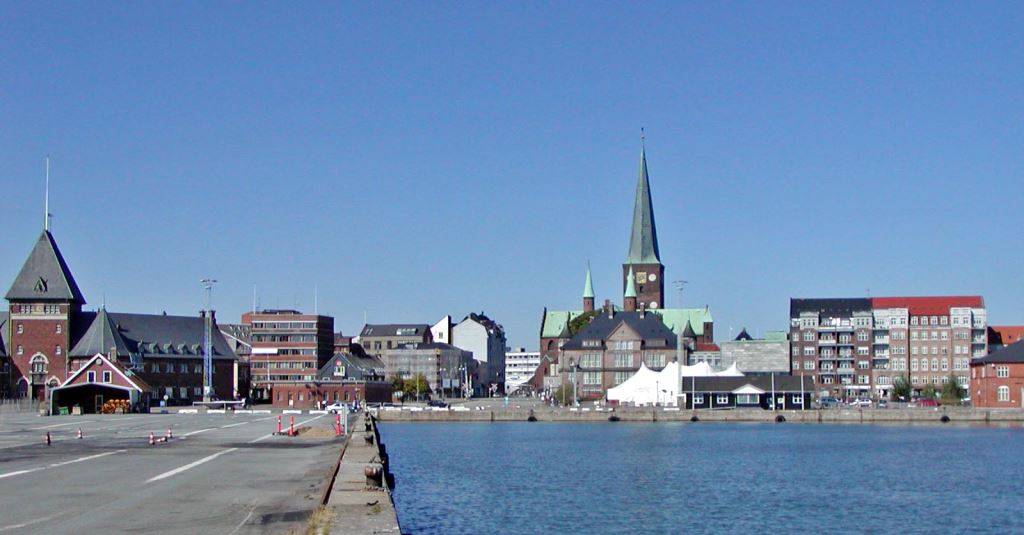
When it comes to the sea, there is no more important place in Germany – and arguably in Northern Europe – than Kiel. This port city in Schleswig-Holstein is a vital link between the Baltic and North Seas, located at the head of the Kiel Canal.
Kiel is also one of Northern Europe’s major cruise and shipbuilding centers, and it is especially known for Kieler Woche (Kiel Week), one of Europe’s largest regattas. Don’t miss a visit to the Kiel Aquarium, with its rich collection of marine life from the Baltic and North Seas.
Nature lovers can enjoy the expansive Baltic Sea beaches, seaside promenades, and picturesque botanical gardens with over 14,000 plant species. For those seeking historical and cultural experiences, fascinating open-air museums in Molfsee and the Baroque fortress in Eutin are located not far from Kiel.
Choose a Kiel cruise for unforgettable adventures in this captivating part of Germany.

Available cabins for Fri. 09.04. - Fri. 30.04.2027.
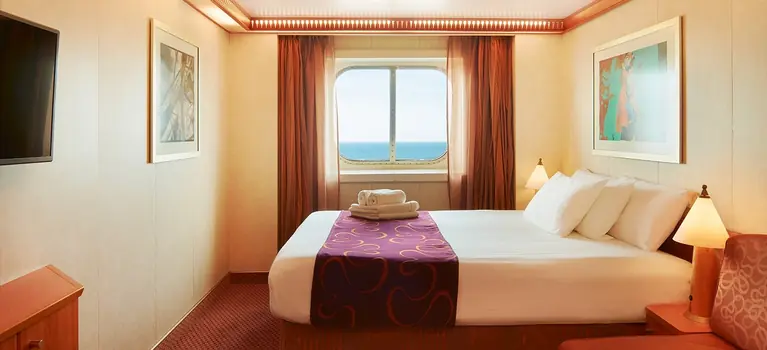


Costa Diadema
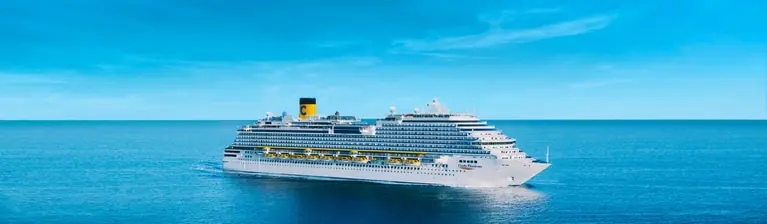
Welcome on board Costa Diadema
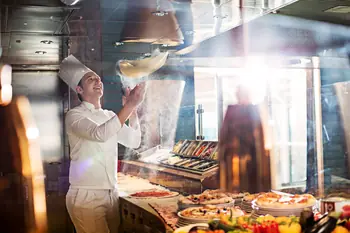
During the day and in the evening, you will be spoilt for choice of activities; from walks at sunset, to performances and theatre shows where international artists will perform.
Care for an aperitif? The Aperol Spritz Bar is waiting for you! And after dinner? A games room to bring out the kid in you, or an excellent beer in a real German pub.
You will find an entire deck dedicated to children that even has a Castle and Pirate galleon.
And for moments of pure relaxation, there is a great spa available where you can enjoy a massage while looking at the sea – a real treat!
Featured activities