
Costa Deliziosa: TRS - TRS - TRS07A0S
1 available date
Itinerary
Trieste (Venice), Italy
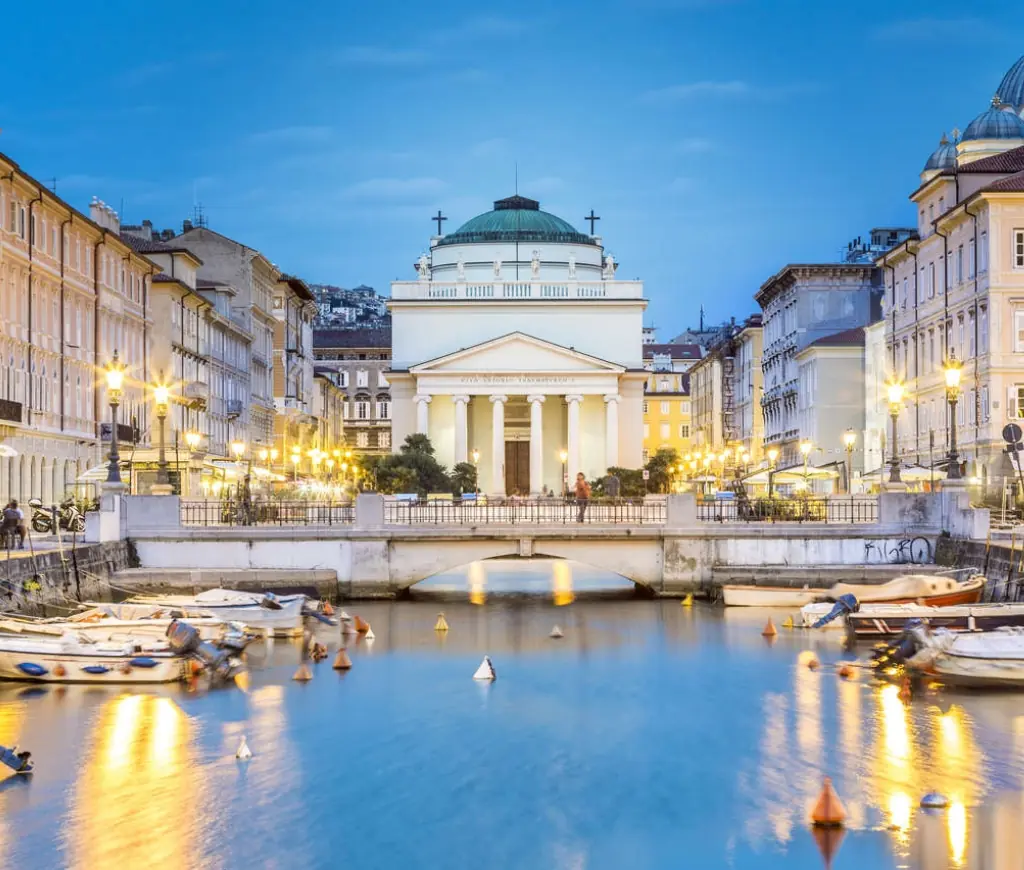
Welcome to the beautiful city of Trieste! Located on the Adriatic coast, it is one of Italy’s most important port cities, rich in history and unique in culture. Over the centuries, it was under the rule of the Roman Empire, the Venetian Republic, the Habsburg Monarchy, and the Austro-Hungarian Empire — all of which left a strong mark on the city’s architecture and identity.
The city boasts a vibrant artistic and cultural scene — from the Revoltella Museum, to the Teatro Romano, a 1st-century Roman amphitheatre, and a literary heritage shaped by authors such as Italo Svevo and James Joyce.
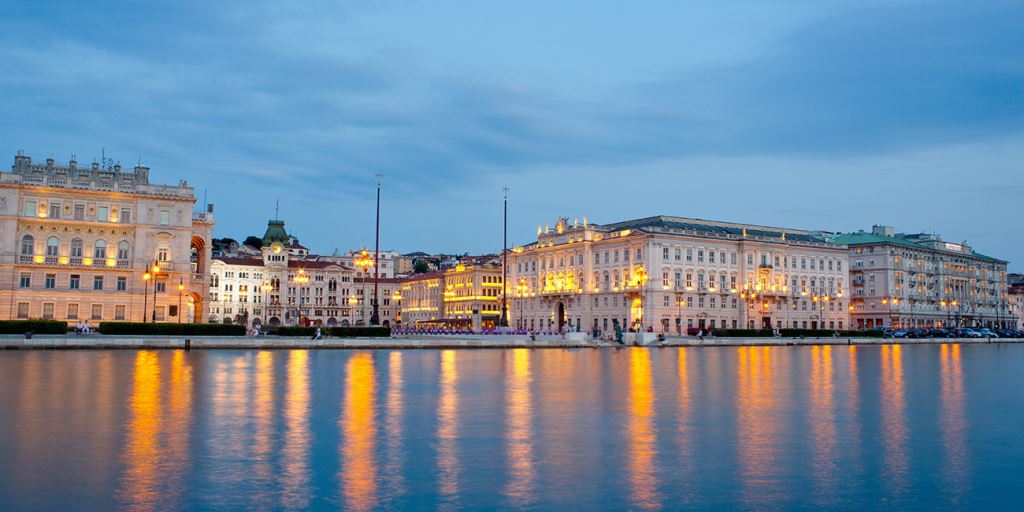
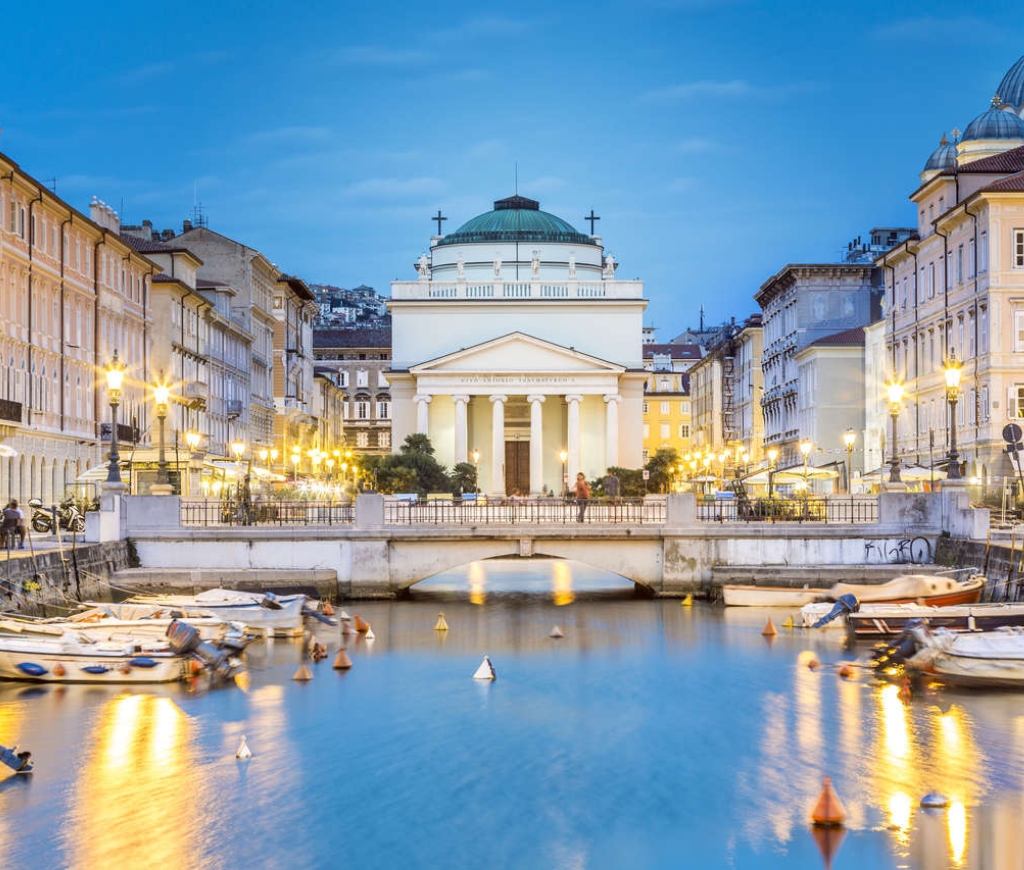
Among the must-see landmarks are Piazza Unità d’Italia, one of the largest sea-facing squares in the world, the Miramare Castle, and the charming Canal Grande.
Trieste’s gastronomy reflects a blend of Italian, Austrian, and Slovenian influences. Don’t miss local specialties such as jota (a hearty soup of beans and sauerkraut), scampi alla busara (langoustines in a tomato and wine sauce), and, of course, authentic Italian coffee served in buffet style.
Trieste is a city where culture, history, hospitality, and fine cuisine come together — an ideal destination for curious travelers and lovers of the Mediterranean lifestyle.
Bari, Italy
The Italian port city of Bari is located on the coast of the archaeologically rich Apulia region. This ancient city offers an extraordinary blend of old and new – historic churches, castles, and squares stand close to modern galleries, shops, and museums. The surrounding area is home to numerous natural wonders, including caves protected by UNESCO. If you want to combine the sea, culture, and gastronomy, Bari is the ideal destination for you.
Must-see attractions include the Basilica of Saint Nicholas, which houses the saint’s relics; the Old Town (Bari Vecchia), full of narrow streets, traditional houses, and small squares; the Norman-Swabian Castle; and the Lungomare – a beautiful seaside promenade.
Bari is also an excellent starting point for excursions to nearby towns such as Alberobello – a UNESCO World Heritage Site famous for its white houses with characteristic conical roofs – or Matera, the magical canyon city protected by UNESCO, known for its “Sassi” district, a network of caves carved into the rock.
The city’s gastronomy reflects a fusion of the sea and southern Italy – simple yet full of flavor and tradition. One of the most famous dishes is orecchiette – small ear-shaped pasta often served with broccoli, garlic, and anchovies or in a rich tomato sauce. In the streets of the old town, you will often see local women making it by hand in front of their homes. Another must-try is focaccia barese, a golden-baked bread topped with olive oil, tomatoes, and olives, crispy on the outside and soft inside. Seafood lovers will delight in fresh squid, shellfish, and raw shrimp, usually served simply with a few drops of lemon and olive oil. To finish the meal, enjoy a glass of local Primitivo or Negroamaro, powerful red wines from the sunny vineyards of Apulia.


Kotor, Montenegro
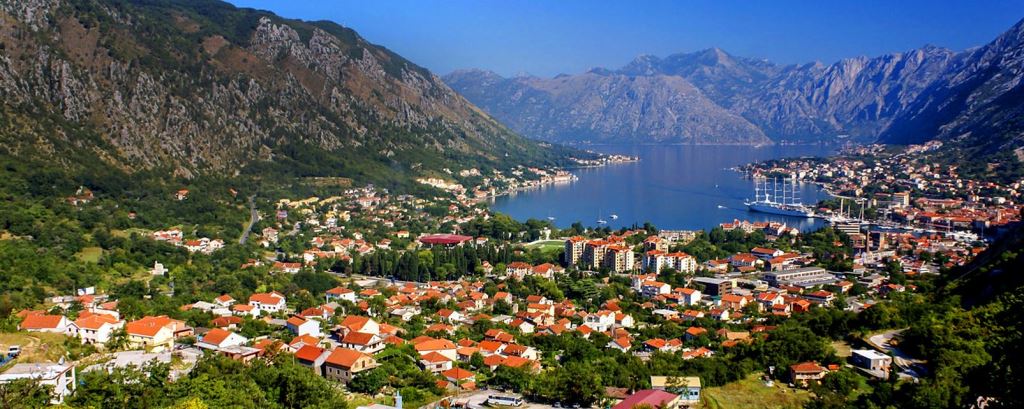
Kotor, located at the very end of one of the most spectacular bays in the Mediterranean, is a true gem of Montenegro – a town where history, architecture, and nature come together in perfect harmony. Surrounded by steep mountains that plunge into the turquoise waters of the Bay of Kotor, the town captivates visitors at first sight.
Beneath the massive stone walls that have protected the Old Town for centuries lies a remarkably well-preserved urban maze of narrow cobbled streets, small squares, churches, and buildings that tell stories of sailors, merchants, and artists who helped shape Kotor’s unique character over the ages. Kotor is a UNESCO World Heritage Site and is rightfully considered one of the finest examples of medieval architecture on the Adriatic.
Throughout the year, the town hosts numerous cultural and musical events, festivals, exhibitions, and regattas. Kotor is equally charming during the lively summer months and in the off-season, when its quiet streets and misty mountains create an almost mystical atmosphere.
The surroundings of Kotor offer countless opportunities for exploration – whether you choose to hike up to the San Giovanni fortress for an unforgettable panoramic view of the bay, take a boat trip to the island of Our Lady of the Rocks, or stroll through nearby villages that preserve the authentic spirit of Boka.
Kotor is not a place to simply visit – it is a place to experience. A town where stone, sea, and time come together to create a space where every visit becomes a story worth remembering.

Corfu
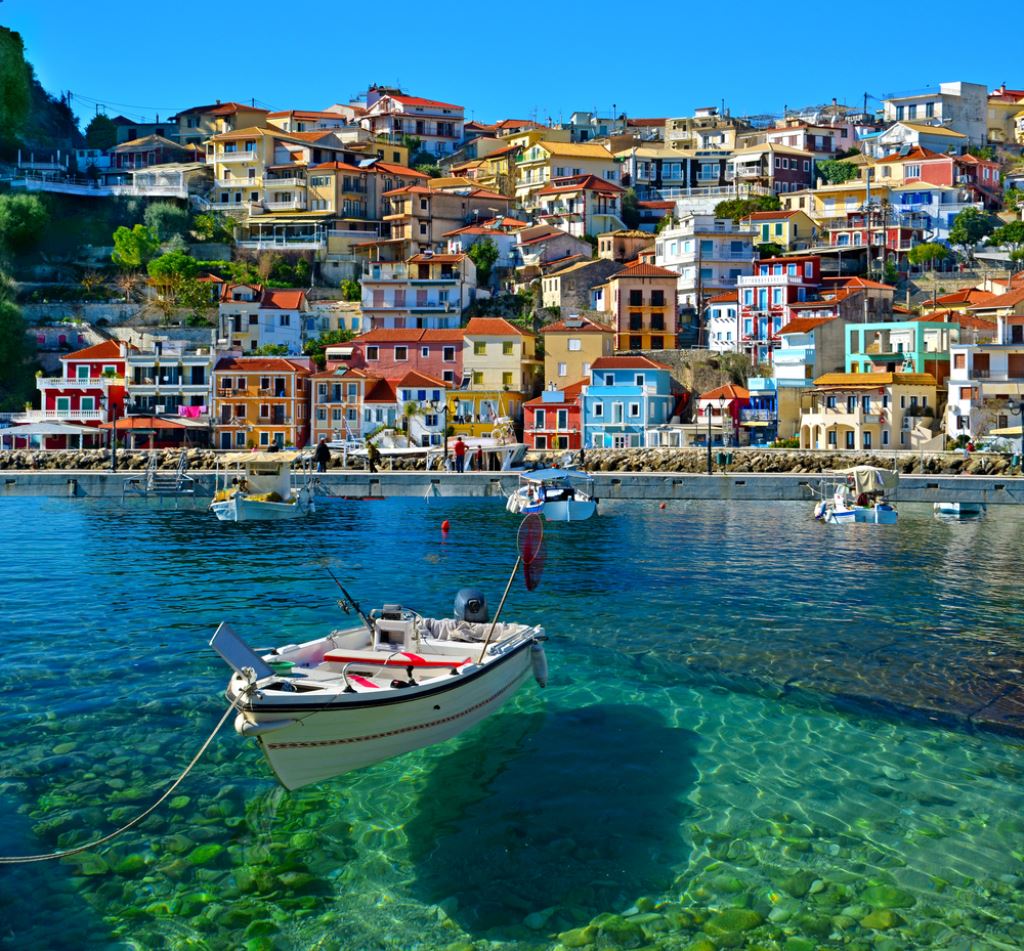
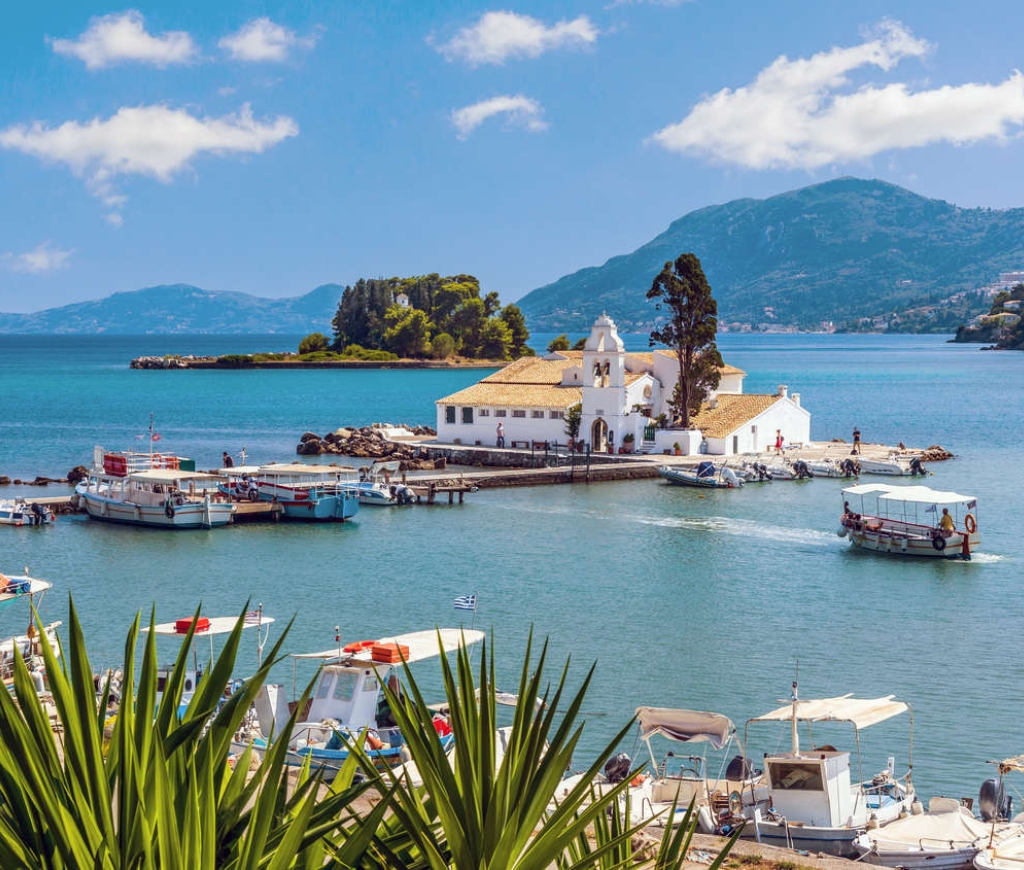
Corfu is the northernmost of the Ionian Islands, located in the heart of the Mediterranean. The Greek place name Kerkira was renamed Corfu by the Venetians, who paraphrased the word "Korifi" which was used to indicate the towers of St. Mark's fortress.
Corfu is covered in lush vegetation, thriving in a climate that is tempered by the wind without being too dry. Its coastline is very long, seemingly never-ending: over 200 kilometres. The terrain is quite varied, at times sandy and at others rocky and broken up by Mediterranean bush, olive, cypress and citrus trees.
Corfu has suffered a long and bloody history. Corfu embarked on a long period of being colonised by others from 700 B.C. onwards, first by the Corinthians, then the Illyrians and the Athenians. Corfu suffered attacks from pirates while under Byzantine rule forcing the relocation of the city northward. This did little to halt the invasions of the Vandals and Visigoths, who repeatedly massacred the populations and razed their villages to the ground. The Venetians gave Corfu back its status as an important centre of trade and with it a very wealthy market. Venetian rule lasted for more than 400 years, during which time the island was governed by a system of aristocratic rule. The Venetians began the cultivation of olives and to this day, Corfu is one of the main olive oil producing centres in the region. Once the Venetian reign had come to an end, it was the Turks' turn, then the French and the English, and on 21st May 1864 it was annexed to the Kingdom of Greece.
During the Second World War, Corfu was again bombarded and suffered heavy damage. Most of its buildings were destroyed, such as the public theatre and the Ionian Academy. Just a few outstanding buildings remain, scattered along the coastline and in the main town and jealously guarded by the local population.
Kerkira is the capital, and accommodates around 60,000 of the 110,000 people who live on the island. The city has a splendid city centre with numerous Venetian fortresses and the English Royal Palace. The rest of the island is made up of small settlements, roads that stretch out high above the sea and splendid views of small bays and magnificent cliffs.
Dubrovnik, Croatia
Dubrovnik, also known as the "Pearl of the Adriatic," is one of the most beautiful and well-known cities on the Croatian coast. Located at the southern tip of Dalmatia, this historic UNESCO World Heritage Site captivates visitors with its stunning medieval architecture, imposing city walls, and crystal-clear sea.
Throughout the centuries, Dubrovnik was a powerful maritime and trading republic, renowned for its independence, diplomacy, and rich cultural life. Today, its Old Town exudes elegance and history — a walk down Stradun, the main street paved with white stone, leads to numerous churches, museums, and historic squares. The city walls, stretching nearly two kilometers around the Old Town, offer spectacular views of the red rooftops and the surrounding Dubrovnik archipelago.
In addition to its historical and cultural heritage, Dubrovnik also boasts remarkable natural beauty. The coastline around the city is dotted with hidden coves, pebble and rocky beaches, and in the summer months, the warm, clear waters are perfect for swimming and diving. During the summer, Dubrovnik hosts numerous concerts, exhibitions, and theatrical performances, while the Dubrovnik Summer Festival brings together top artists from Croatia and around the world. In recent years, the city has also gained global fame as a filming location for the hit series Game of Thrones, attracting visitors from across the globe.
Dubrovnik’s gastronomy is rooted in Mediterranean cuisine, with a strong emphasis on fresh fish, olive oil, local wine, and traditional delicacies such as rožata and šporki makaruli.
Dubrovnik is more than just a tourist destination — it is a city that tells its story through stone streets, baroque facades, and a rich maritime past. Whether you are a lover of history, nature, the arts, or simply in search of a seaside escape, Dubrovnik will enchant you with its beauty, elegance, and timeless spirit.


Split, Croatia
Located on the Dalmatian coast of the Adriatic Sea, Split is a city where history and modern life blend into a unique Mediterranean story. Around the core of the ancient palace of Emperor Diocletian — which still forms the heart of the city — a vibrant urban center has evolved, where stone streets echo with the voices of locals, the sounds of music, and the aromas of Dalmatian cuisine.
Diocletian’s Palace is not just a monument – it’s a living city: home to cafés, shops, residences, and small taverns, with narrow alleyways that reveal details bearing witness to centuries of history. Along the seafront stretches the Riva – the city’s promenade and open-air living room, where people sip coffee, meet friends, and gaze out at the nearby islands.
Split is also a cultural hub – with numerous museums, galleries, theaters, and events throughout the year, as well as a place of vibrant nightlife, sports, and youthful energy. Its proximity to beaches like Bačvice, the pine-covered hill of Marjan with its walking trails, and the harbor offering ferries to islands such as Hvar, Brač, and Vis makes it an ideal base for exploring the Dalmatian coast.
Split is not just a destination – it’s a feeling. A place where history isn’t kept behind glass, but lived every day. A city of stone, sea, and spirit – not easily forgotten.

Trieste (Venice), Italy
Welcome to the beautiful city of Trieste! Located on the Adriatic coast, it is one of Italy’s most important port cities, rich in history and unique in culture. Over the centuries, it was under the rule of the Roman Empire, the Venetian Republic, the Habsburg Monarchy, and the Austro-Hungarian Empire — all of which left a strong mark on the city’s architecture and identity.
The city boasts a vibrant artistic and cultural scene — from the Revoltella Museum, to the Teatro Romano, a 1st-century Roman amphitheatre, and a literary heritage shaped by authors such as Italo Svevo and James Joyce.
Among the must-see landmarks are Piazza Unità d’Italia, one of the largest sea-facing squares in the world, the Miramare Castle, and the charming Canal Grande.
Trieste’s gastronomy reflects a blend of Italian, Austrian, and Slovenian influences. Don’t miss local specialties such as jota (a hearty soup of beans and sauerkraut), scampi alla busara (langoustines in a tomato and wine sauce), and, of course, authentic Italian coffee served in buffet style.
Trieste is a city where culture, history, hospitality, and fine cuisine come together — an ideal destination for curious travelers and lovers of the Mediterranean lifestyle.
Available cabins for Sat. 16.10. - Sat. 23.10.2027.

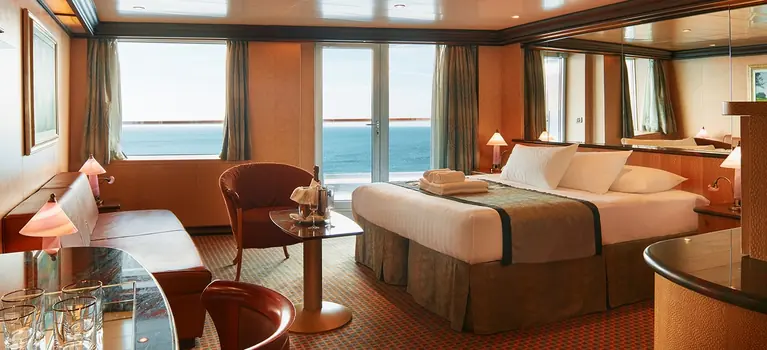
Costa Deliziosa

Welcome on board Costa Deliziosa
Dive into the swimming pool early in the morning, when everyone else is still asleep, and feel the sun caress your skin, or savor delicious cuisine at dinner at restaurant, and share it with those you love.
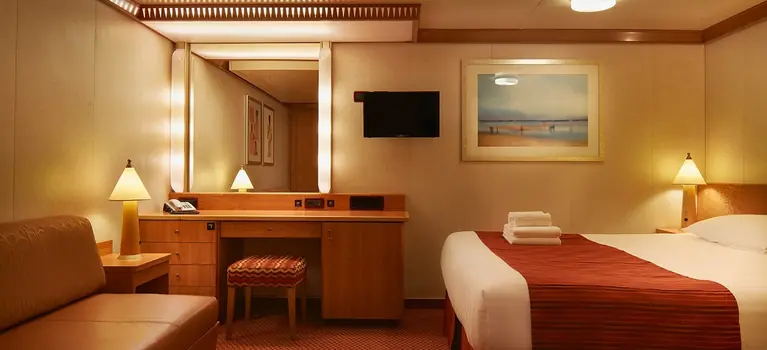
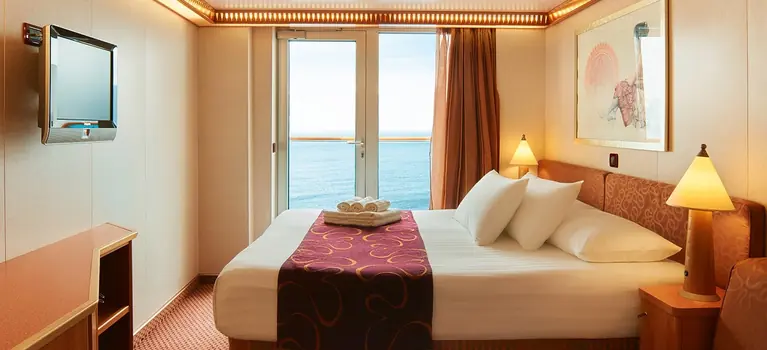
Costa Deliziosa has it all, furnishings, Murano glass decorations, open-air decks with floral names, elegant and bright cruise cabins, and wine tastings of fine wines at the end of the evening in the opulent wine bar.
A symphony of comfort, relaxation, fun and attention to details. That’s why it’s called Deliziosa!
Featured activities