
Costa Deliziosa: SVN - HKG - SVN90A00
1 available date
Itinerary
Savona, Italy
Savona, located on the Ligurian coast of Italy, is much more than just a seaport and a starting point for cruises – it is a historical and cultural treasure offering a rich experience for all lovers of art, architecture, and history. The city's numerous landmarks testify to its important role throughout the centuries. Among the most notable historical and cultural attractions is the Cathedral of San Giovanni Battista, built in the 16th century, featuring an elaborately decorated Baroque façade, frescoes, and an altarpiece dedicated to Saint John the Baptist. Nearby is Piazza del Duomo, the main city square, surrounded by important buildings such as the Town Hall (Palazzo del Comune).
A special experience is offered by the monumental Priamar Fortress from the 16th century, which used to defend the city and today provides panoramic views of the sea and hosts cultural events. Savona is also proud of the Renaissance Della Rovere Palace, associated with the powerful family of the same name, as well as the Church of San Francesco, known for its simple yet dignified architecture. History and art enthusiasts should definitely visit the Salvatori Museum, which offers insight into the city’s development through art collections, archaeological finds, and historical artifacts.
Even a short stay in Savona offers the opportunity to explore its rich historical and cultural heritage. The city is a perfect place to walk through history and enjoy the local atmosphere, providing you with an unforgettable experience.

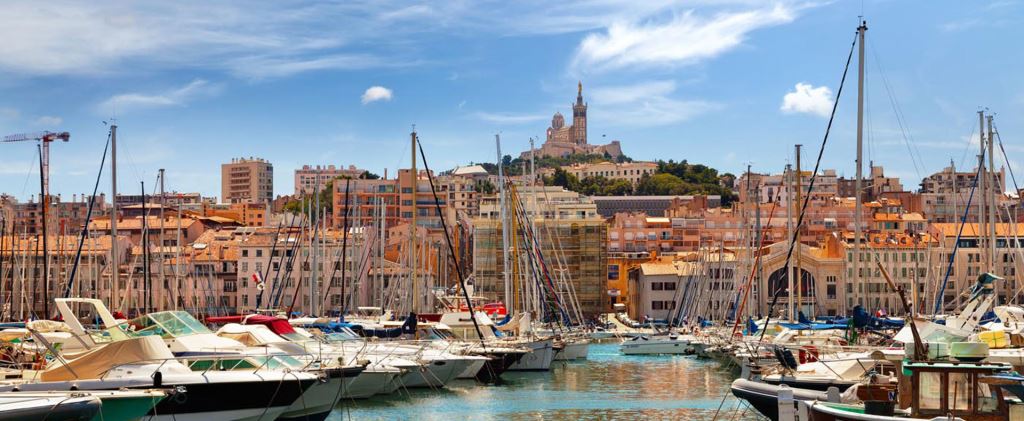
Marseille (Provence), France
Marseille, the second largest city in France and one of the oldest cities in Europe, boasts a rich history and vibrant atmosphere, situated along the sparkling Mediterranean Sea. Founded by the Greeks over 2,600 years ago, the city has been influenced by many civilizations throughout the centuries, leaving a lasting mark on its architecture and identity.
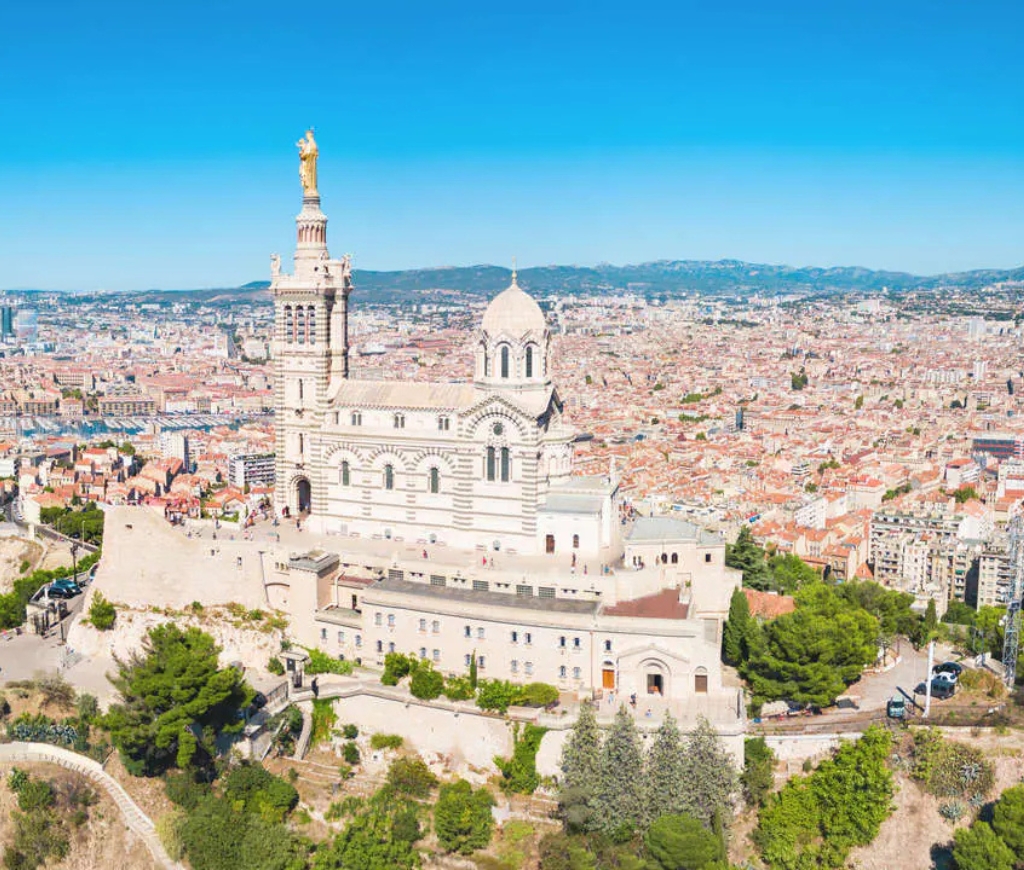
Among its main attractions is the Old Port (Vieux Port) – the heart of city life, recognizable by its boats, cafés, and restaurants. The impressive Notre-Dame de la Garde basilica, perched on a hill, offers panoramic views of the city, the islands, and Château d’If, the famous fortress from The Count of Monte Cristo. Also notable are the historic Le Panier district and MuCEM, a modern museum dedicated to Mediterranean culture.
Marseille’s cuisine includes specialties such as bouillabaisse – a traditional fish soup, and panisse – chickpea cakes. The city is full of authentic restaurants offering local flavors.
Nearby, the Calanques National Park is famous for its spectacular cliffs and clear waters, while charming towns like Aix-en-Provence and the fishing village of Cassis make perfect day trips. Wine lovers can explore the Provencal vineyards and enjoy tastings.
Colorful streets and historic buildings tell stories of the past, while sunsets over the sea create a special, warm atmosphere worth experiencing. Marseille is a place where tradition meets modern energy, ideal for pleasant moments and discovering authentic Mediterranean culture.
Barcelona, Spain
Barcelona, the capital of Catalonia, is a city with a rich and diverse history that dates back to the Roman era. Over the centuries, it was under Roman, Arab, Byzantine, and Christian rule, all of which have left a lasting mark on its architecture and cultural identity. During the Middle Ages, Barcelona became an important commercial and cultural center of Catalonia, and in the 19th century, it experienced significant industrial and urban development.
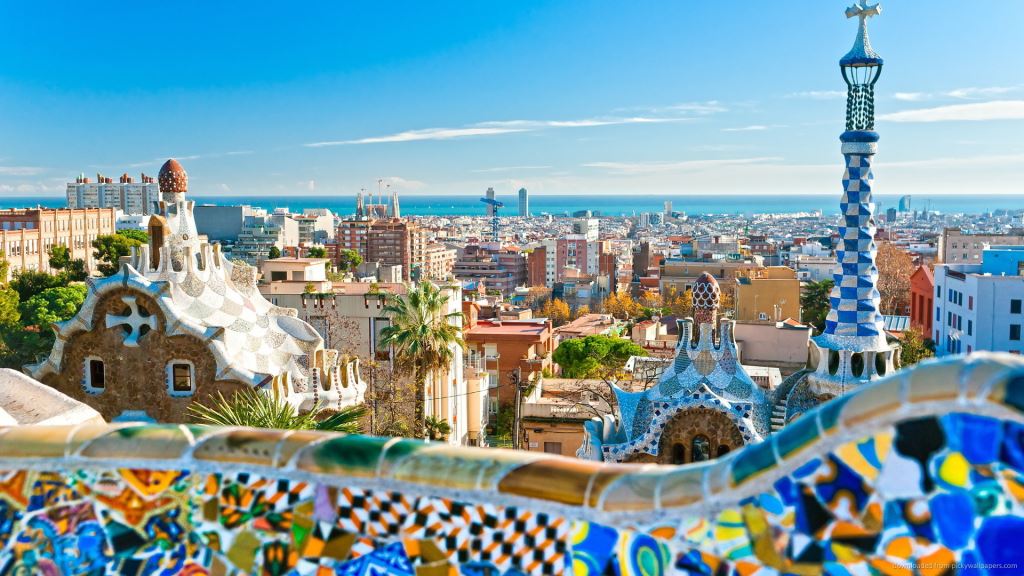
One of the most notable architects associated with Barcelona was Antoni Gaudí, whose works such as the Sagrada Família, Park Güell, Casa Batlló, and Casa Milà have become iconic symbols of the city. His unique style, which blends elements of Gothic, Modernism, and natural forms, has made Barcelona a uniquely vibrant urban space. Among the city’s most famous attractions are La Rambla, a lively promenade stretching from Plaça de Catalunya to the sea, and the Gothic Quarter (Barri Gòtic), the old part of the city filled with medieval alleys, buildings, and churches, including the Cathedral of Saint Eulalia. The artistic spirit of the city can also be felt in the Picasso Museum and the Joan Miró Foundation, which house works by two of Catalonia’s greatest artists.
Barcelona is also renowned for its famous football club, FC Barcelona, whose stadium Camp Nou attracts thousands of visitors eager to experience the passion and pride that Catalans have for their team.
The city also offers a rich culinary scene – from its famous tapas to traditional dishes such as paella, fideuà, zarzuela, and the dessert crema catalana. A highlight is the Boqueria Market, where visitors can taste local products and delicacies. Today, Barcelona is one of the most visited cities in Europe, offering a perfect blend of history, art, architecture, sport, gastronomy, and Mediterranean spirit.

Lisbon (Cascais), Portugal
Lisbon, the capital and largest city of Portugal, is situated at the mouth of the Tagus River along the Atlantic coast. This historic and dynamic city is known for its unique blend of traditional charm, modern culture, and impressive architecture, making it one of Europe’s most attractive metropolitan destinations.
The city boasts a rich history dating back to Roman times, with vibrant neighborhoods like Alfama, Bairro Alto, and Belém exuding an authentic Mediterranean spirit. Narrow streets, picturesque squares, vintage trams, and the aromas of traditional cuisine create a special atmosphere that captivates visitors. Lisbon is also famous for its historic landmarks, including the imposing Belém Tower, the Jerónimos Monastery, and São Jorge Castle, which offers magnificent panoramic views of the city and the river.
A special highlight of Lisbon is fado – traditional Portuguese music filled with emotion and melancholy, often performed in small, intimate venues in the old quarters of the city. This unique musical form is deeply connected to the spirit of Lisbon and is a must-experience for anyone seeking authentic Portuguese culture. The gastronomy scene is especially notable, ranging from traditional pastéis de nata to top-tier restaurants blending Portuguese and international flavors.
The promenade along the Tagus River and lively squares such as Praça do Comércio are ideal spots for leisurely walks, coffee breaks, or evening outings. The city also offers numerous green spaces, parks, and viewpoints perfect for relaxation and enjoying the views.
Lisbon is a perfect destination for those wanting to experience a blend of history, culture, art, and modern urban life, with a warm Mediterranean atmosphere and welcoming local people.


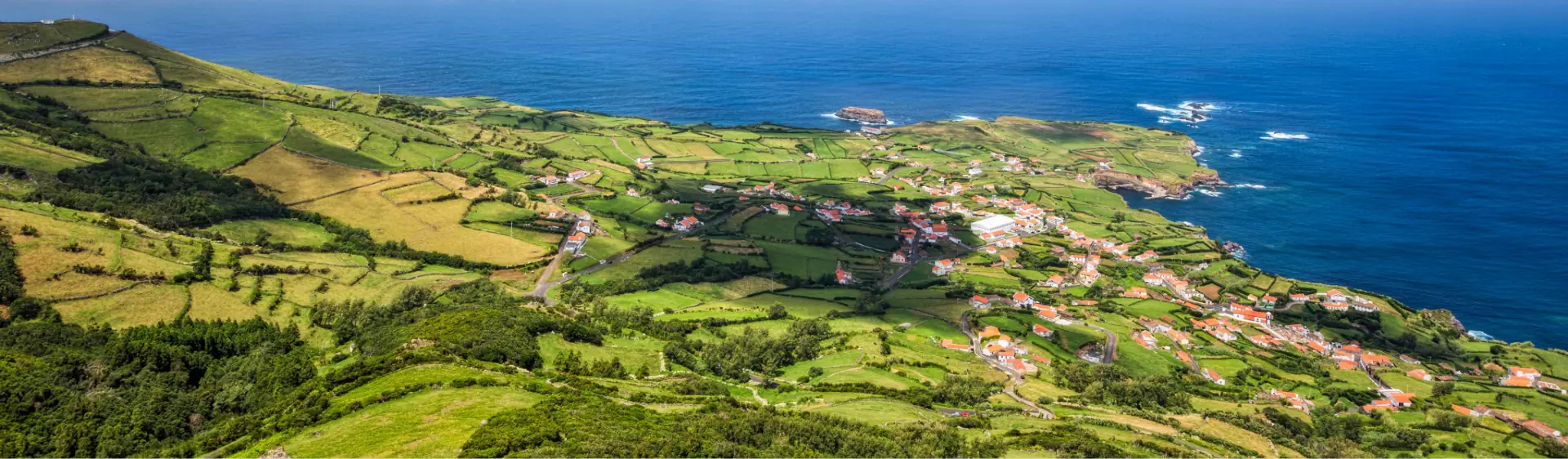
Ponta Delgada (Azores), Portugal
When they reached the island of São Miguel during the second half of the fifteenth century, the first colonists settled in an area that they called Povoação Velha, now simply known as Povoação. Driven by the adventurous spirit of the age, the conquerors ventured into the interior of the island, until reaching an arid area with easy access to the sea: Ponta Delgada.
The original settlement of Ponta Delgada, dating back to around1450, was a fishing village near the Pero de Teive coast that subsequently expanded west of Santa Clara.
Over the years the area was settled by people with farming experience and a good head for business, who soon transformed it into a small but flourishing town. According to local legend, in 1499 King Manuel I officially promoted Ponta Delgada to the status of town, prompting such rapid growth that it was promoted to the status of city by King John III in 1546.
The rich and sumptuous houses and the elegant residences of the aristocracy, splendidly built, skilfully decorated, and whitewashed inside and out like castles, were an indication of the city's increasing importance.
Despite its tortuous, winding streets and urban growth, the city has remained as well-ordered as the day it was planned. Ponta Delgada has an organised feel and is composed of seven different districts: the aristocratic quarter, located in the area of Aquinha and Sant'Anna; the two fishing villages, situated along the coast of Pero de Teive and Santa Clara; the farming community that extends from Foral da Misericordia to Fontinha do Maranhão; the business district in the city centre, where the Rua dos Mercadores is situated; the industrial district as far as the area of Villa Nova; and the Casa Verde district, in the Prachinha, which is home to the pineapple growers of São Miguel.
PRAIA DA VITORIA
New York, United States
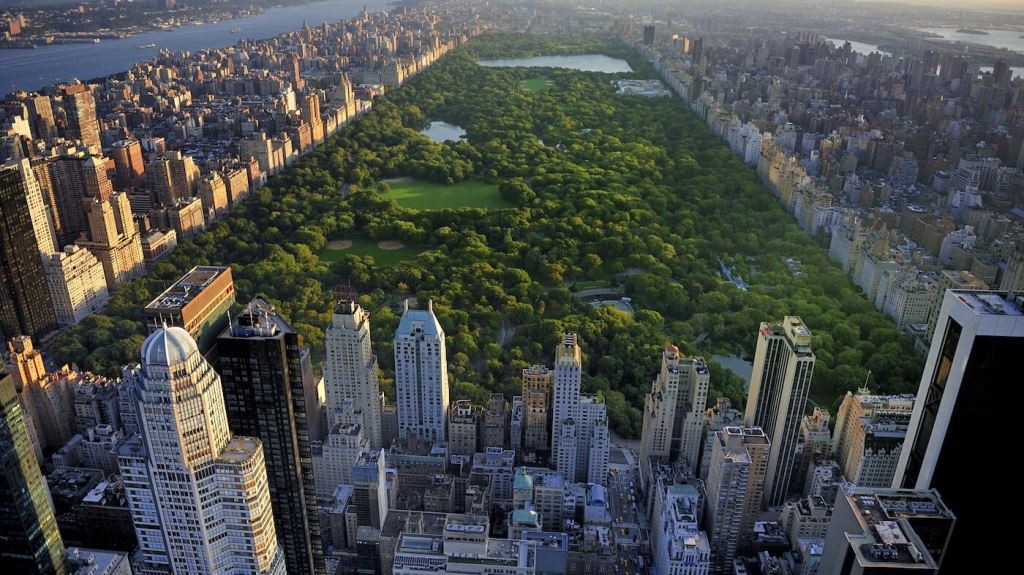

New York, United States
Port Everglades
Less than 100 years ago, Fort Lauderdale was nothing more than a small village in the south of Florida. Today it has a population of some one million people, symbolic of the rapid development of the United States as a whole. But there is evidence of settlement in the area that stretches back far beyond 100 years - 8,000 in fact.
The first Europeans to make their presence felt were the Spanish in the 16th Century who landed near the village of Tequesta, at the mouth of the Miami river. They referred to the region as 'florida' after its beautiful and fertile landscape. The indigenous Seminole Indians strongly resisted the colonists and there was a period of considerable bloodshed until the natives were overcome and escaped inland. Apart from a 21-year period of English interest, Spanish dominance remained a factor until 1821, when the United States annexed the region.
Fort Lauderdale, as its name suggests, was originally a fort built to protect the vital railway and the coastal area from pirates. The city of Fort Lauderdale, in Broward County, is a modern, wealthy metropolis, much of whose fortune rests on tourism. A massive amount of money, some 30 million dollars, has been invested in developing the city in an attractive manner. Thus there is a network of canals, ornamental waterworks, fountains and contemporary artworks.
One of the focal points is the Riverwalk, a panoramic promenade along the bay, lined with boutiques, restaurants, shops and museums. The significance of water is further symbolised in the International Swimming Hall of Fame, dedicated to famous swimming champions such as the original 'Tarzan', Johnny Weismuller, along with the more recent Olympians Greg Louganis and Mark Spitz. Nearby is the magnificent Hall of Fame Aquatic Complex, one of the most advanced sports venues in the world. The city also has several parks with facilities for playing soccer, basketball, baseball and American football, plus a number of open-air gyms.
The Broward Center for the Performing Arts hosts is a major entertainment venue.

Port Everglades
Less than 100 years ago, Fort Lauderdale was nothing more than a small village in the south of Florida. Today it has a population of some one million people, symbolic of the rapid development of the United States as a whole. But there is evidence of settlement in the area that stretches back far beyond 100 years - 8,000 in fact.
The first Europeans to make their presence felt were the Spanish in the 16th Century who landed near the village of Tequesta, at the mouth of the Miami river. They referred to the region as 'florida' after its beautiful and fertile landscape. The indigenous Seminole Indians strongly resisted the colonists and there was a period of considerable bloodshed until the natives were overcome and escaped inland. Apart from a 21-year period of English interest, Spanish dominance remained a factor until 1821, when the United States annexed the region.
Fort Lauderdale, as its name suggests, was originally a fort built to protect the vital railway and the coastal area from pirates. The city of Fort Lauderdale, in Broward County, is a modern, wealthy metropolis, much of whose fortune rests on tourism. A massive amount of money, some 30 million dollars, has been invested in developing the city in an attractive manner. Thus there is a network of canals, ornamental waterworks, fountains and contemporary artworks.
One of the focal points is the Riverwalk, a panoramic promenade along the bay, lined with boutiques, restaurants, shops and museums. The significance of water is further symbolised in the International Swimming Hall of Fame, dedicated to famous swimming champions such as the original 'Tarzan', Johnny Weismuller, along with the more recent Olympians Greg Louganis and Mark Spitz. Nearby is the magnificent Hall of Fame Aquatic Complex, one of the most advanced sports venues in the world. The city also has several parks with facilities for playing soccer, basketball, baseball and American football, plus a number of open-air gyms.
The Broward Center for the Performing Arts hosts is a major entertainment venue.
Little San Salvador Island, Bahamas
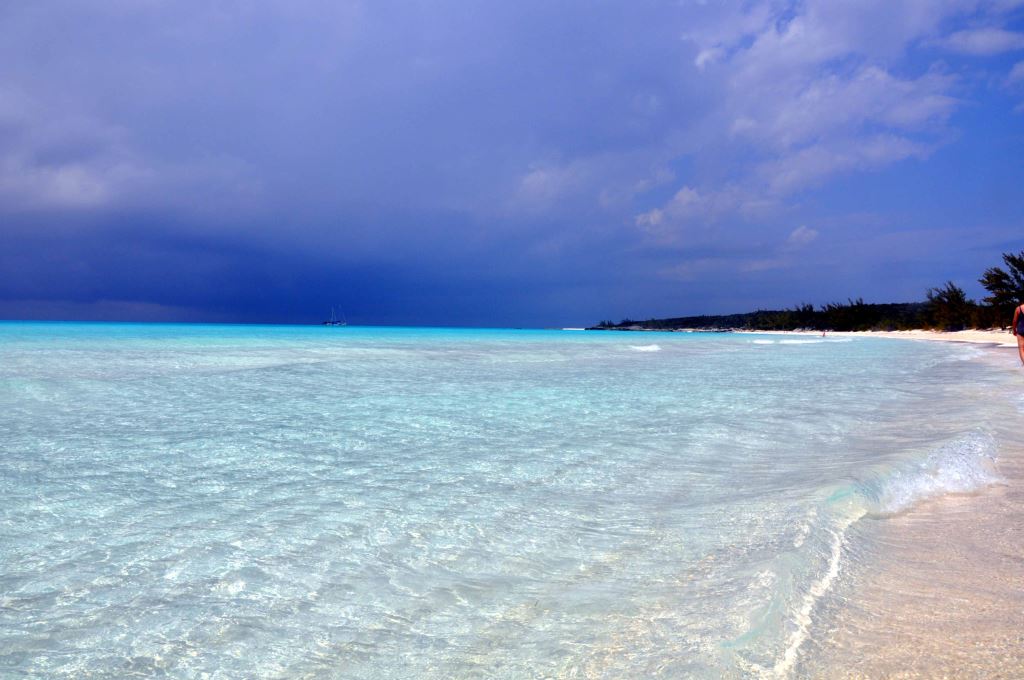
Panama, Ciudad de, Panama

Puntarenas
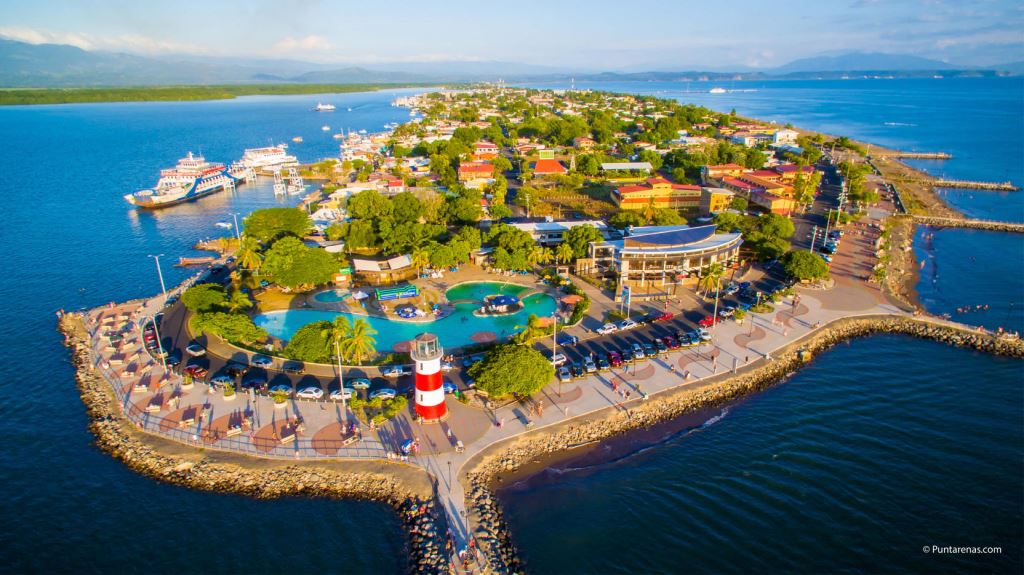
Puerto Quetzal, Guatemala

Puerto Vallarta, Mexico

Cabo San Lucas

San Diego, USA
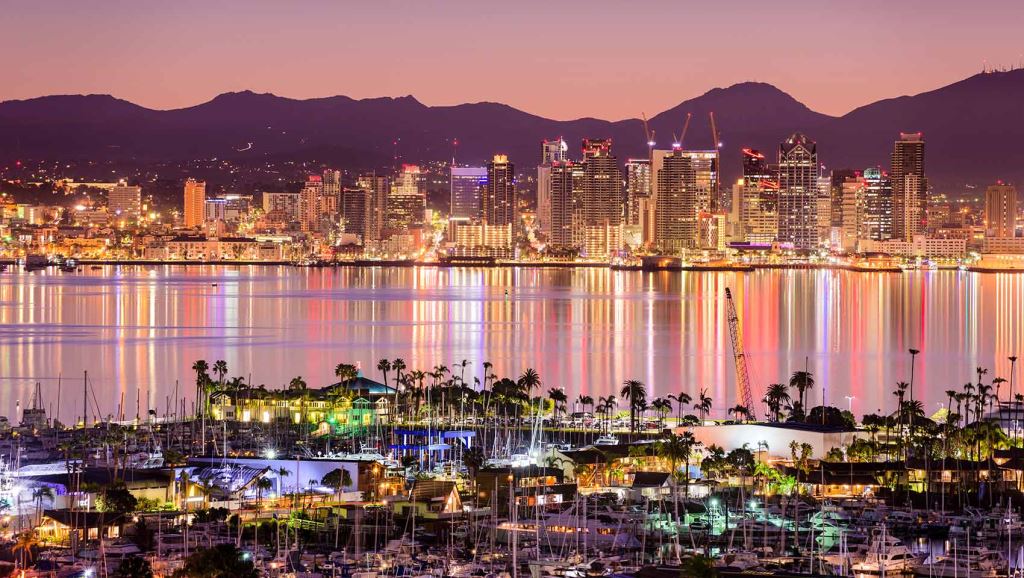
Los Angeles, United States

Los Angeles, United States
San Francisco, USA

San Francisco, USA
Honolulu
Hilo, Hawaii

Papeete, Tahiti
Suva, Fiji Island

Lifou island, New Caledonia

Nouméa
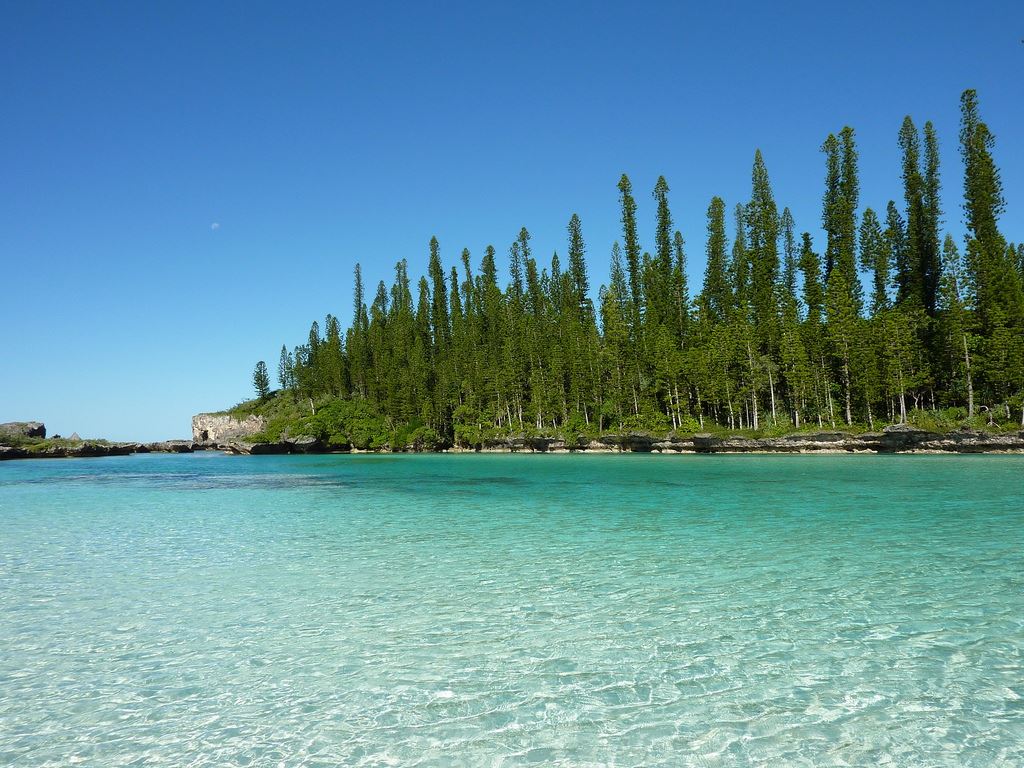
Sydney, Canada
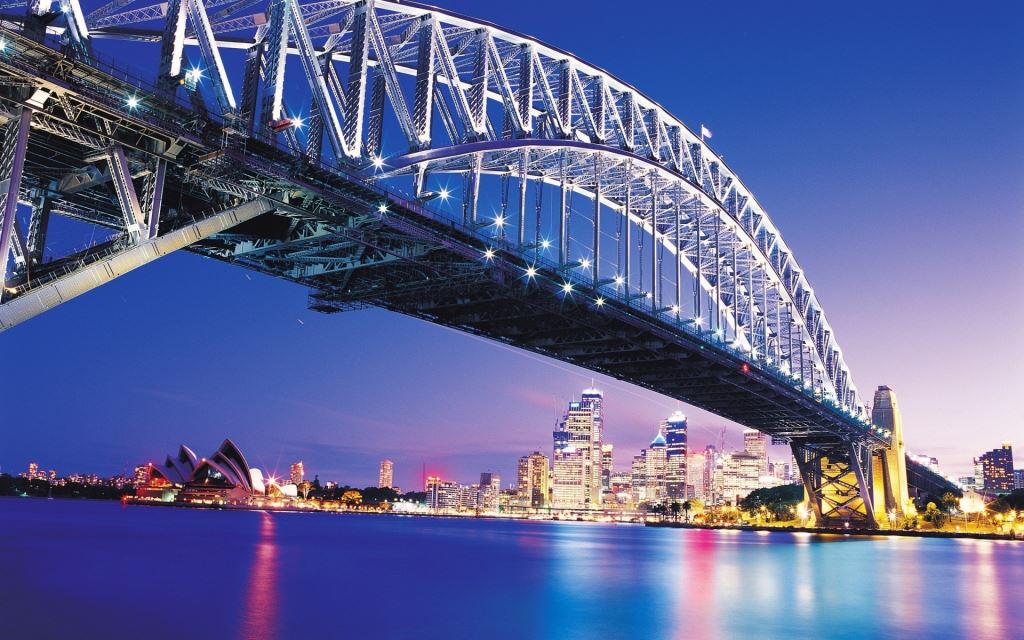

Sydney, Canada
Newcastle, Australia
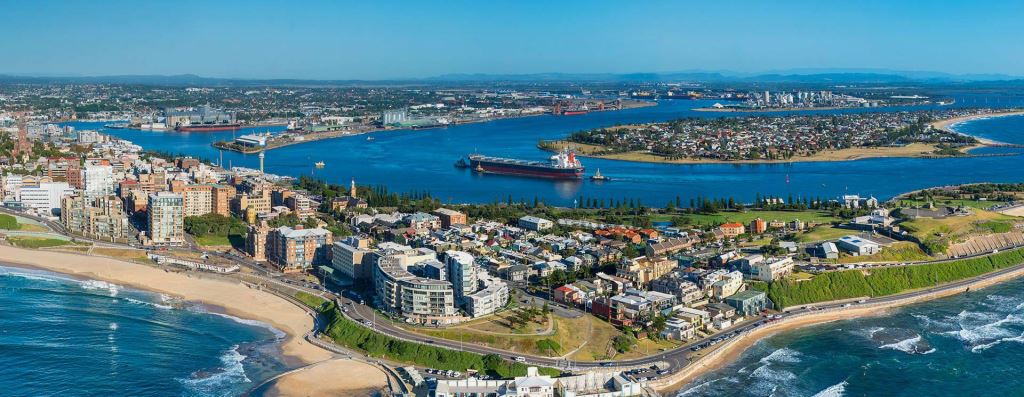
Cairns, Australia
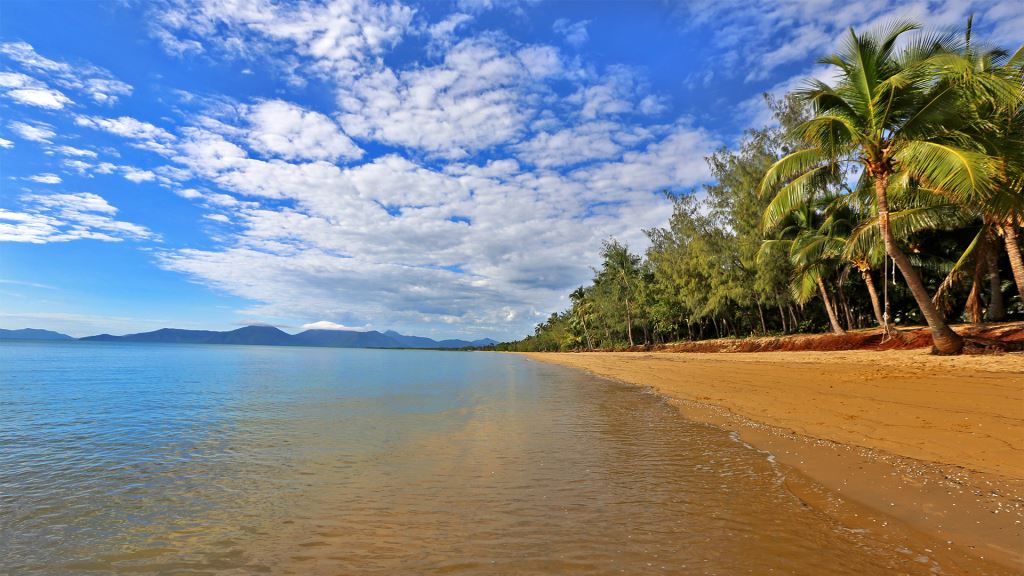
Rabaul (New Britain), Papua New Guinea
Tokyo, Japan
Tokyo, Japan
Kobe, Japan
Kobe is the capital city of Hyogo Prefecture and a prominent port city in Japan with a population of about 1.4 million. The city is located in the Kansai region of Japan and is part of the Keihanshin metropolitan area. Kobe is classified as one of Japan's seventeen designated cities.
Originally known by the name Owada Anchorage, earliest written records regarding the region come from the Nihon Shoki, which describes the founding of the Ikuta Shrine by Empress Jingu in 201 A.D. For most of its history the area was never a single political entity, even during the Tokugawa Period, when the port was controlled directly by the Tokugawa Shogunate. Kobe did not exist in its current form until its founding in 1889. Its name comes from "kanbe", an archaic title for supporters of the city's Ikuta Shrine.
Kobe was one of the first cities to open for trade with the West following the end of the policy of seclusion and has since been known as a cosmopolitan port city. While the 1995 Great Hanshin Earthquake diminished much of Kobe's prominence as a port city, it remains Japan's fourth busiest container port. Companies headquartered in Kobe include ASICS, Kawasaki Heavy Industries, and Kobe Steel, as well as over 100 international corporations with Asia or Japan headquarters in the city such as Procter & Gamble and Nestlé. As of September 2007, Kobe has a population of 1,530,295 making up 658,876 households. The population density is approximately 2,768 persons per square kilometer. About thirteen percent of the population is between the ages of 0 and 14, sixty-seven percent are between 15 and 64, and twenty percent are over the age of 65.Approximately 44,000 registered foreign nationals live in Kobe.
The four most common nationalities are Korean (22,237), Chinese (12,516), Vietnamese (1,301), and American (1,280).Kobe is both an important port and manufacturing center within the Hanshin Industrial Region. Kobe is the busiest container port in the region, surpassing even Osaka, and the fourth busiest in Japan.As of 2004, the city's total real GDP was ¥6.3 trillion, which amounts to thirty-four percent of the GDP for Hyogo Prefecture and approximately eight percent for the whole Kansai region. Per capita income for the year was approximately ¥2.7 million. Broken down by sector, about one percent of those employed work in the primary sector (agriculture, fishing and mining), twenty-one percent work in the secondary sector (manufacturing and industry), and seventy-eight percent work in the service sector.The value of manufactured goods produced and exported from Kobe for 2004 was ¥2.5 trillion. The four largest sectors in terms of value of goods produced are small appliances, food products, transportation equipment, and communication equipment making up over fifty percent of Kobe's manufactured goods.
In terms of numbers of employees, food products, small appliances, and transportation equipment make up the three largest sectors.Kobe is famous for its Kobe beef and Arima Onsen (hot springs), while notable buildings include the Ikuta Shrine as well as the Kobe Port Tower. It is well known for the night view of the city, from the mountains (like Mount Rokko, Mount Maya and so on) as well as the coast. Kobe is also known for having a somewhat exotic atmosphere by Japanese standards, which is mainly a result of its history as a port city.The city is also widely associated with cosmopolitanism and fashion, encapsulated in the Japanese phrase, "If you can't go to Paris, go to Kobe."
The biannual fashion event Kobe Collection is held in Kobe. The jazz festival "Kobe Jazz Street" has been held every October at jazz clubs and hotels since 1981.Kobe is the site of Japan's first golf course, Kobe Golf Club, established by Arthur Hasketh Groom in 1903, and Japan's first mosque, Kobe Mosque, built in 1935. The city also hosts the Kobe Regatta & Athletic Club, founded in 1870 by Alexander Cameron Sim, a prominent foreign cemetery, and a number of Western-style residences from the 19th century.Most of the 1957 romantic drama Sayonara takes place in Kobe.
Kobe is also the setting of the Studio Ghibli film Grave of the Fireflies.

Nagasaki, Japan
Nagasaki is the capital of the prefecture of the same name, situated on the island of Kyushu, the third largest island of the Japanese archipelago. The narrow strait of Shimonoseki separates it from Honshu. Kyushu is shaped like an irregular rectangle and features various areas of high ground reaching nearly 1800 meters including Mount Aso, the volcano.
The island's climate is characterized by abundant precipitation which encourages the growth of subtropical vegetation. The city of Nagasaki is in the middle of a long bay, the island's best natural port. The residential and commercial area of the city has been built on a small level area, whereas the metropolis of nearly half a million inhabitants extends along two main river valleys, divided by a rocky spur.
Nagasaki is famous throughout the world for having been the target of the American nuclear attack (together with Hiroshima) in August 1945, but its history goes much further back. Founded in the 16th century, to begin with Nagasaki was an insignificant port city. In 1549 the arrival of the Portuguese Jesuit missionary Francis Xavier gave rise to intense development involving western monks, Portuguese and Dutch merchants and local aristocrats. Little Nagasaki grew fast thanks to trade with China. Towards the end of the century, however, persecution of the Christian incomers started, and, on 5 February 1597, 26 of them were crucified. Oura Catholic church, built in 1865 by the French monk Bernard Petitjean, is dedicated to this massacre, and is therefore called the Church of the 26 Martyrs.
In 1614 Christianity was banned once and for all, and all priests were deported. It was only in the second half of the 19th century, when Nagasaki opened its port in1859, that Europeans returned in grand style. The construction of Oura Church is rightly considered the moment when Christianity was reborn in the whole of Japan. At the end of the century, under the Meiji government, the region began to develop substantial industries, with a special focus on ship-building. It was precisely the remarkable success of this development and the consequent industrial importance of Nagasaki which convinced the Americans to choose it as an atomic target. Today, Urakami, the centre of the explosion which happened at 11.02 on 9 August 1945, is a peaceful residential district.
It also houses the Atomic Bomb Museum which commemorates the tragic event. A black stone pillar in Hypocentre Park marks the exact site where the bomb ("Fat Man", as the American pilots who dropped it called it) exploded. The bomb, which was 2.34 metres long, 1.52 metres in diameter and weighed 4545 kilograms, exploded at a height of 550 metres. As Nagasaki was built in a hilly area, the number of deaths was lower than that caused by the first bomb on Hiroshima (6 August 1945). Approximately 40,000 people died at the time of the explosion and an estimated 25,000 were injured. Many thousands died subsequently as a result of the radiation. In the Peace Park, on a nearby hill, a statue nearly 10 metres high, made by the Japanese sculptor Seibou Kitamura, symbolizes a citizen of Nagasaki who wishes for peace and no more nuclear war. After the end of the Second World War, Nagasaki was rebuilt and is now very different from how it was before 1945. Temples and churches, including the Temple of Confucius and Urakami Cathedral, were restored and it is interesting to note that today Nagasaki has the highest percentage of Catholics of all the major Japanese cities.


Busan, Korea, Republic of
Busan, a bustling city of approximately 3.6 million residents, is located on the southeastern tip of the Korean peninsula.
The size of Busan is 765.64km² which is 0.8% of the whole land of the Korean Peninsula. The natural environment of Busan is a perfect example of harmony between mountains, rivers and sea. Its geography includes a coastline with superb beaches and scenic cliffs, mountains which provide excellent hiking and extraordinary views, and hot springs scattered throughout the city.
Busan enjoys four distinct seasons and a temperate climate that never gets too hot or too cold.
Busan is the second largest city in Korea. Its deep harbor and gentle tides have allowed it to grow into the largest container handling port in the country and the fifth largest in the world. In the coming years, capacity is set to grow further with the opening of the New Port. The city's natural endowments and rich history have resulted in Busan's increasing reputation as a world class city of tourism and culture, and it is also becoming renowned as an international convention destination.
Busan, a city of beautiful mountains, rivers and the sea, is also a important cultural city. With the Nakdong River bordering the city and superb natural scenery like Haeundae adding nationwide attraction, the city serves as a major nexus of cultural activities around the region. Also, Busan is the first international port city in Korea. Its location enables the city to serve as a main gateway for the Korean Peninsula and the entire Northeast Asian region.
Geographically, Busan has the Straits of Korea to its south; Ulsan to the north; Gimhae to the West. Cities that share almost the same latitude with Busan include Jinhae and Gwangju in Korea, as well as Tokyo, Jeongsen, Algiers and Oklahoma City abroad.
Busan is eight hours ahead of GMT. As for its geopolitical location, the city comes at the Southern tip of a strip that connects Asia, Siberia and Europe. It also serves as a main gateway to the Pacific Ocean.
This location places the city at the center of international sea transportation.
Busan is located at the southeastern most tip of the Korean peninsula and in the mid-latitude temperate zone, which has seasonal winds. It has four seasons: Spring, Summer, Fall and Winter. The annual average temperature is 15°C. The annual average precipitation is 2,397mm. Busan has strong winds compared to other areas in Korea. Spring begins in March and ends in late June. Cherry blossom trees bloom in late March. And the temperature is very comfortable in April, May and June. The rainy season at the end of June and July signals the beginning of the coming of the summer heat. The highest mean temperatures of around 32°C are at the end of July through mid-August. Fall is from early September through late-November.
The weather is nice and cool at this time because of the continental high atmospheric pressure. Winter starts by the end of November and continues until February. But Busan rarely has any snowfalls. The average winter temperature is 3.8°C. Tourists can enjoy Busan throughout all seasons because of the nice weather and beautiful scenery. In summer, the city is crowded with visitors who come to enjoy the beautiful beaches.
From its opening in 1876, the port city of Busan quickly developed into a hub of trade, commerce and industry. This development resulted in a rapid increase in its population, which had already reached 200,000 by 1936. A major leap in Busan's population came with the breakout of the Korean War, which resulted in an endless stream of people into the city. As a result, the population of Busan exceeded 1 million by the end of 1955. Another factor that spurred the population increase was the government policy for economic growth.
People from urban areas kept streaming into the city for jobs. By the end of 1994, there were approximately 4 million people who called Busan their home. Since 1995, the population has slowly begun to decrease. As of December 2006, Busan was home to 3,635,389 people.

Keelung (Taipei), Taiwan (China)
Keelung (sometimes called Jilong) is a major port city in the north-eastern part of Taiwan. It borders Taipei County and forms the Taipei-Keelung metropolitan area together with the City and County of Taipei.
Nicknamed the Rainy Port for its frequent rain and its important maritime role, the city is Taiwan's second largest seaport (after Kaohsiung). Keelung is currently administered as a provincial city of Taiwan Province in the Republic of China. It has been suggested that the name Keelung was derived from the local mountain whose shape resembles a rooster cage. However, it is more probable that the name was derived from the first inhabitants of the region, like the names of many other Taiwanese cities. Indeed, the area's earliest inhabitants were the Ketagalan people, and Ke-lâng was thus probably derived from Ketagalan.
The Ketagalan were a Taiwanese aboriginal tribe, whose first contact with the west was through the Spanish. From 1642 to 1668 Keelung came under Dutch control. The Dutch East India Company attacked the Spanish and, following a brief successful siege, conquered their Fort San Salvador at Santissima Trinidad. They reduced the size of the town and renamed it Fort Noort-Holland. The Dutch possessed three other fortifications in Keelung which included a small school with a Christian preacher. When the Ming Dynasty loyalist Koxinga (Cheng Ch'en-Kung) successfully attacked the Dutch in southern Taiwan, the troops stationed at the Keelung forts fled to a trading post in Japan.
However, they returned in 1663 and reoccupied and defended their former forts. Unfortunately, trade with China through Keelung did not achieve the hoped-for success, and in 1668 the Dutch left voluntarily. In 1863 the Qing Empire reopened Keelung as an international trading port and it played an important role in the economy of the region until 1885. However, from October 1884, following the outbreak of the Sino-French War, the town was occupied by the French under the command of Admiral Amédée Courbet. Keelung grew rapidly after Taiwan's passage to the Japanese in 1895 under the Treaty of Shimonoseki. It obtained the status of town in Keelung District in 1920 and was upgraded to a city of Taipei Prefecture in 1924.

Hong Kong (China)
Hong Kong is a "Special Administrative Region of China”. It comprises the island of the same name, 259 other islands in the South China Sea, as well as areas of the mainland around the Kowloon Peninsula and in the so-called “New Territories”. Although it was occupied by Chinese settlers as early as the 2nd millennium B.C., the region remained untouched by Chinese imperialism up until the 17th century when it was the setting for a conflict between the Ming and the Manchu dynasties. However it only acquired international interest in the 19th century with the Portuguese being the first Europeans to develop colonies and trade here, silk and tea being the most sought-after goods in Europe.
China, which at the time had a near monopoly on tea production, requested silver in exchange for this commodity. The British, who like the Portuguese were trading in the South China Sea, promptly begun to sell opium to the Chinese in exchange for silver, which they required for the purchase of tea.
The subsequent commercial tension resulted in the first Opium War of 1841 that saw the British occupy Hong Kong which, growing in importance as a strategic port, eventually became a Colony of the Crown in 1843. The sphere of British influence grew further after the Second Opium War (1863), encompassing both the Kowloon Peninsula and then, in 1898, the “New Territories”, which were leased for a period of 99 years. As the expiry date grew ever closer, the Sino-British Joint Declaration was drawn up in 1984 and signed by Margaret Thatcher and Deng Xiaoping. This agreement provided for the return of the colony to Chinese rule on certain conditions – the first of which being the preservation of the then current economic and social system for 50 years.
The majority of Hong Kong’s population – those native to the region and those from surrounding provinces – is of Chinese origin, although there are also Filipino, British, Indian, Portuguese and American populations among the region’s 7 million or so inhabitants. The centre of Hong Kong extends around Victoria, the bay of the same name, and Victoria Peak, which at 552m above sea level is the highest point of the city and the perfect place to enjoy a spectacular view of the town and the sea. To get to the summit you need to take the Peak Tram which, constructed at the end of the 19th century, is the oldest form of transport in the city.
Another of Victoria’s institutions is the Star Ferry which, built in 1898, acts as a shuttle between the island of Hong Kong and the Kowloon Peninsula. The crossing only takes around ten minutes but the view of the island is breathtaking. Looking down on the bay are Hong Kong’s industrial, financial, business and technological buildings: the Commerce Tower, the Bank of China, the eye-catching Hong Kong and Shanghai Banking Corporation building, the Stock Exchange and Treasury buildings, the Legislative Council Buildings, still Victorian in style, and many others besides. Also on the island of Hong Kong is the city’s main religious building, the Man Mo Temple, which was built in 1848 during the first years of British occupation and dedicated to Man, the God of Literature, and Mo, the God of War. Stanley, meanwhile, located on the southern coast of the island, is a very colourful and lively district and has one of the city’s busiest markets where there is no shortage of fabrics, silk, traditional Chinese costumes, artistic products, souvenirs and handcrafted items.
Not far down the road is the Tin Hau temple that was built in 1767 and used as a shelter during the First World War. Still in Stanley you can also visit the old police station, the fort and Murray House, the oldest example of western architecture in Hong Kong. To the south of the island is Aberdeen Harbour which, until a couple of centuries ago, was a den for pirates. Converted into a simple fishing village, it is nowadays a village in its own right, where ancient fishing traditions prevail. Despite the ultra-modernity of the areas nearby, hundreds of old-fashioned boats make Aberdeen Harbour an extremely charming village on water – indeed around 6000 people live and work on the junks and sampans anchored to the harbour floor. The Kowloon Peninsula meanwhile is the cultural centre of the region: the Tsim Sha Tsui district is home to the Space Museum, the History Museum, and the Science Museum, as well as the Hong Kong Museum of Art with its exhibitions of Chinese and Asian art.


Available cabins for Wed. 25.11. - Tue. 23.02.2027.

Costa Deliziosa

Welcome on board Costa Deliziosa
Dive into the swimming pool early in the morning, when everyone else is still asleep, and feel the sun caress your skin, or savor delicious cuisine at dinner at restaurant, and share it with those you love.
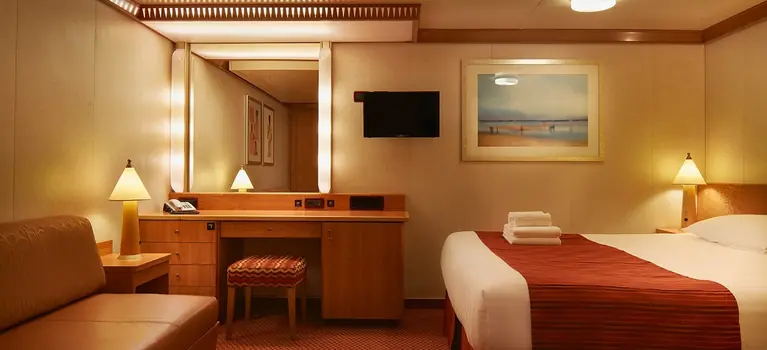
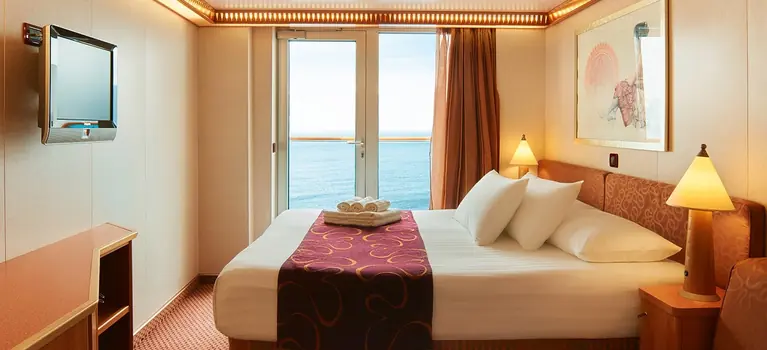
Costa Deliziosa has it all, furnishings, Murano glass decorations, open-air decks with floral names, elegant and bright cruise cabins, and wine tastings of fine wines at the end of the evening in the opulent wine bar.
A symphony of comfort, relaxation, fun and attention to details. That’s why it’s called Deliziosa!
Featured activities