

Costa Deliziosa: BCN - SFO - BCN37A01
1 available date
Itinerary
Barcelona, Spain
Barcelona, the capital of Catalonia, is a city with a rich and diverse history that dates back to the Roman era. Over the centuries, it was under Roman, Arab, Byzantine, and Christian rule, all of which have left a lasting mark on its architecture and cultural identity. During the Middle Ages, Barcelona became an important commercial and cultural center of Catalonia, and in the 19th century, it experienced significant industrial and urban development.
One of the most notable architects associated with Barcelona was Antoni Gaudí, whose works such as the Sagrada Família, Park Güell, Casa Batlló, and Casa Milà have become iconic symbols of the city. His unique style, which blends elements of Gothic, Modernism, and natural forms, has made Barcelona a uniquely vibrant urban space. Among the city’s most famous attractions are La Rambla, a lively promenade stretching from Plaça de Catalunya to the sea, and the Gothic Quarter (Barri Gòtic), the old part of the city filled with medieval alleys, buildings, and churches, including the Cathedral of Saint Eulalia. The artistic spirit of the city can also be felt in the Picasso Museum and the Joan Miró Foundation, which house works by two of Catalonia’s greatest artists.
Barcelona is also renowned for its famous football club, FC Barcelona, whose stadium Camp Nou attracts thousands of visitors eager to experience the passion and pride that Catalans have for their team.
The city also offers a rich culinary scene – from its famous tapas to traditional dishes such as paella, fideuà, zarzuela, and the dessert crema catalana. A highlight is the Boqueria Market, where visitors can taste local products and delicacies. Today, Barcelona is one of the most visited cities in Europe, offering a perfect blend of history, art, architecture, sport, gastronomy, and Mediterranean spirit.

Lisbon (Cascais), Portugal
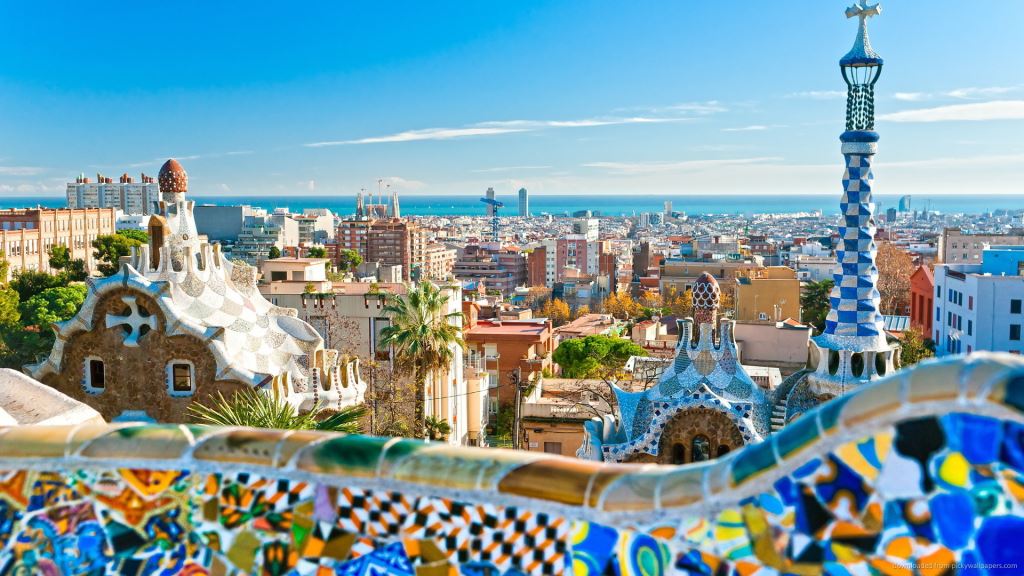
Lisbon, the capital and largest city of Portugal, is situated at the mouth of the Tagus River along the Atlantic coast. This historic and dynamic city is known for its unique blend of traditional charm, modern culture, and impressive architecture, making it one of Europe’s most attractive metropolitan destinations.
The city boasts a rich history dating back to Roman times, with vibrant neighborhoods like Alfama, Bairro Alto, and Belém exuding an authentic Mediterranean spirit. Narrow streets, picturesque squares, vintage trams, and the aromas of traditional cuisine create a special atmosphere that captivates visitors. Lisbon is also famous for its historic landmarks, including the imposing Belém Tower, the Jerónimos Monastery, and São Jorge Castle, which offers magnificent panoramic views of the city and the river.
A special highlight of Lisbon is fado – traditional Portuguese music filled with emotion and melancholy, often performed in small, intimate venues in the old quarters of the city. This unique musical form is deeply connected to the spirit of Lisbon and is a must-experience for anyone seeking authentic Portuguese culture. The gastronomy scene is especially notable, ranging from traditional pastéis de nata to top-tier restaurants blending Portuguese and international flavors.
The promenade along the Tagus River and lively squares such as Praça do Comércio are ideal spots for leisurely walks, coffee breaks, or evening outings. The city also offers numerous green spaces, parks, and viewpoints perfect for relaxation and enjoying the views.
Lisbon is a perfect destination for those wanting to experience a blend of history, culture, art, and modern urban life, with a warm Mediterranean atmosphere and welcoming local people.


Ponta Delgada (Azores), Portugal
When they reached the island of São Miguel during the second half of the fifteenth century, the first colonists settled in an area that they called Povoação Velha, now simply known as Povoação. Driven by the adventurous spirit of the age, the conquerors ventured into the interior of the island, until reaching an arid area with easy access to the sea: Ponta Delgada.
The original settlement of Ponta Delgada, dating back to around1450, was a fishing village near the Pero de Teive coast that subsequently expanded west of Santa Clara.
Over the years the area was settled by people with farming experience and a good head for business, who soon transformed it into a small but flourishing town. According to local legend, in 1499 King Manuel I officially promoted Ponta Delgada to the status of town, prompting such rapid growth that it was promoted to the status of city by King John III in 1546.
The rich and sumptuous houses and the elegant residences of the aristocracy, splendidly built, skilfully decorated, and whitewashed inside and out like castles, were an indication of the city's increasing importance.
Despite its tortuous, winding streets and urban growth, the city has remained as well-ordered as the day it was planned. Ponta Delgada has an organised feel and is composed of seven different districts: the aristocratic quarter, located in the area of Aquinha and Sant'Anna; the two fishing villages, situated along the coast of Pero de Teive and Santa Clara; the farming community that extends from Foral da Misericordia to Fontinha do Maranhão; the business district in the city centre, where the Rua dos Mercadores is situated; the industrial district as far as the area of Villa Nova; and the Casa Verde district, in the Prachinha, which is home to the pineapple growers of São Miguel.
PRAIA DA VITORIA
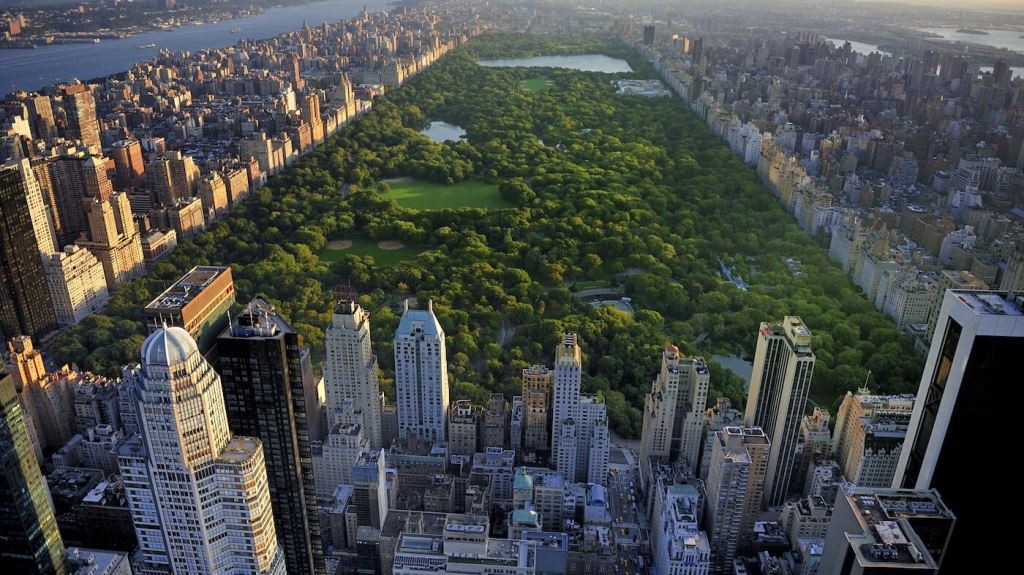
New York, United States

New York, United States
Port Everglades
Less than 100 years ago, Fort Lauderdale was nothing more than a small village in the south of Florida. Today it has a population of some one million people, symbolic of the rapid development of the United States as a whole. But there is evidence of settlement in the area that stretches back far beyond 100 years - 8,000 in fact.
The first Europeans to make their presence felt were the Spanish in the 16th Century who landed near the village of Tequesta, at the mouth of the Miami river. They referred to the region as 'florida' after its beautiful and fertile landscape. The indigenous Seminole Indians strongly resisted the colonists and there was a period of considerable bloodshed until the natives were overcome and escaped inland. Apart from a 21-year period of English interest, Spanish dominance remained a factor until 1821, when the United States annexed the region.
Fort Lauderdale, as its name suggests, was originally a fort built to protect the vital railway and the coastal area from pirates. The city of Fort Lauderdale, in Broward County, is a modern, wealthy metropolis, much of whose fortune rests on tourism. A massive amount of money, some 30 million dollars, has been invested in developing the city in an attractive manner. Thus there is a network of canals, ornamental waterworks, fountains and contemporary artworks.
One of the focal points is the Riverwalk, a panoramic promenade along the bay, lined with boutiques, restaurants, shops and museums. The significance of water is further symbolised in the International Swimming Hall of Fame, dedicated to famous swimming champions such as the original 'Tarzan', Johnny Weismuller, along with the more recent Olympians Greg Louganis and Mark Spitz. Nearby is the magnificent Hall of Fame Aquatic Complex, one of the most advanced sports venues in the world. The city also has several parks with facilities for playing soccer, basketball, baseball and American football, plus a number of open-air gyms.
The Broward Center for the Performing Arts hosts is a major entertainment venue.

Port Everglades
Less than 100 years ago, Fort Lauderdale was nothing more than a small village in the south of Florida. Today it has a population of some one million people, symbolic of the rapid development of the United States as a whole. But there is evidence of settlement in the area that stretches back far beyond 100 years - 8,000 in fact.
The first Europeans to make their presence felt were the Spanish in the 16th Century who landed near the village of Tequesta, at the mouth of the Miami river. They referred to the region as 'florida' after its beautiful and fertile landscape. The indigenous Seminole Indians strongly resisted the colonists and there was a period of considerable bloodshed until the natives were overcome and escaped inland. Apart from a 21-year period of English interest, Spanish dominance remained a factor until 1821, when the United States annexed the region.
Fort Lauderdale, as its name suggests, was originally a fort built to protect the vital railway and the coastal area from pirates. The city of Fort Lauderdale, in Broward County, is a modern, wealthy metropolis, much of whose fortune rests on tourism. A massive amount of money, some 30 million dollars, has been invested in developing the city in an attractive manner. Thus there is a network of canals, ornamental waterworks, fountains and contemporary artworks.
One of the focal points is the Riverwalk, a panoramic promenade along the bay, lined with boutiques, restaurants, shops and museums. The significance of water is further symbolised in the International Swimming Hall of Fame, dedicated to famous swimming champions such as the original 'Tarzan', Johnny Weismuller, along with the more recent Olympians Greg Louganis and Mark Spitz. Nearby is the magnificent Hall of Fame Aquatic Complex, one of the most advanced sports venues in the world. The city also has several parks with facilities for playing soccer, basketball, baseball and American football, plus a number of open-air gyms.
The Broward Center for the Performing Arts hosts is a major entertainment venue.
Little San Salvador Island, Bahamas
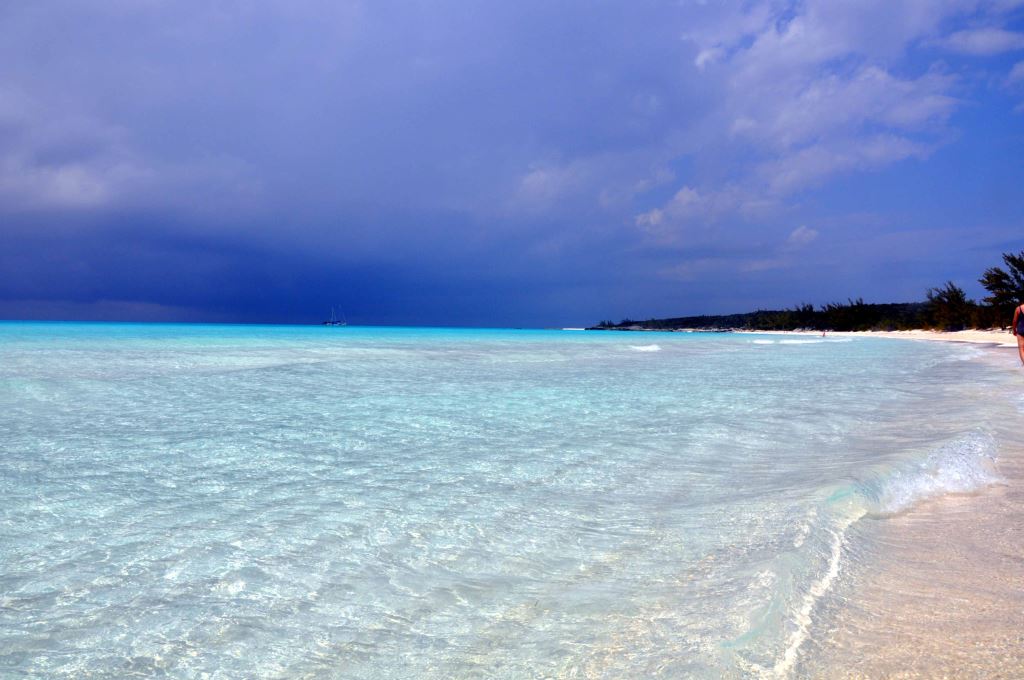
Panama, Ciudad de, Panama

Puntarenas
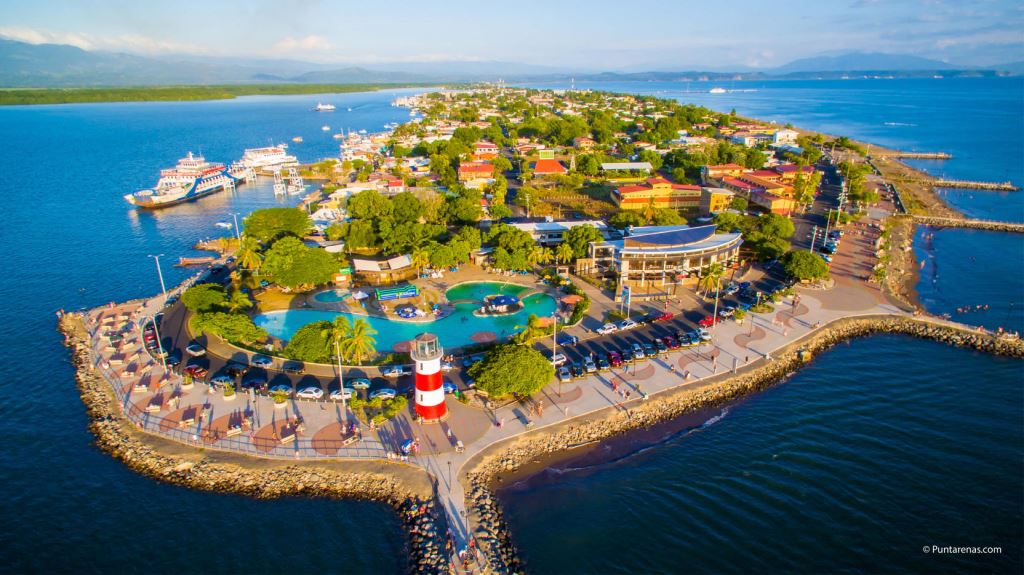
Puerto Quetzal, Guatemala

Puerto Vallarta, Mexico

Cabo San Lucas

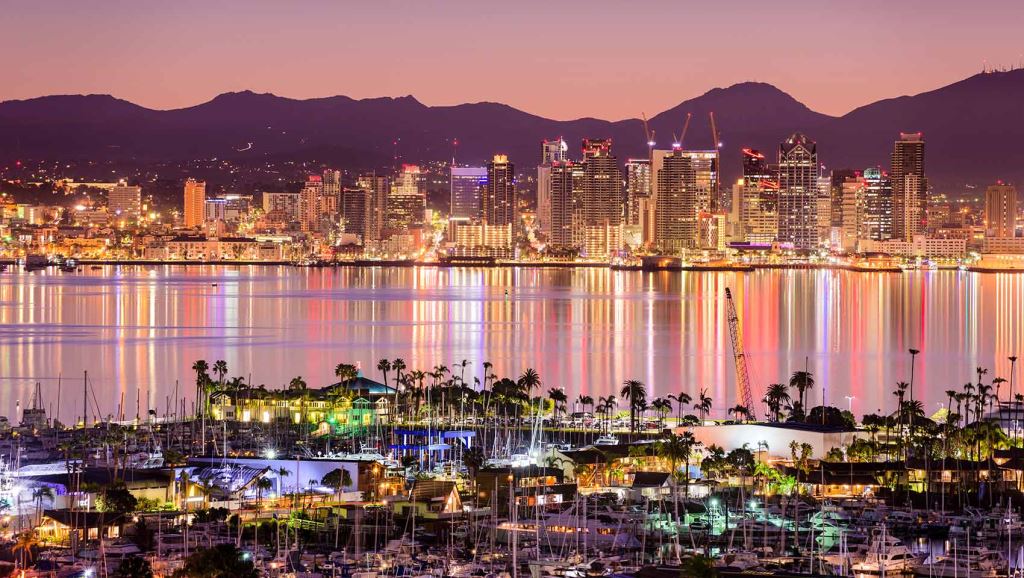
San Diego, USA
Los Angeles, United States
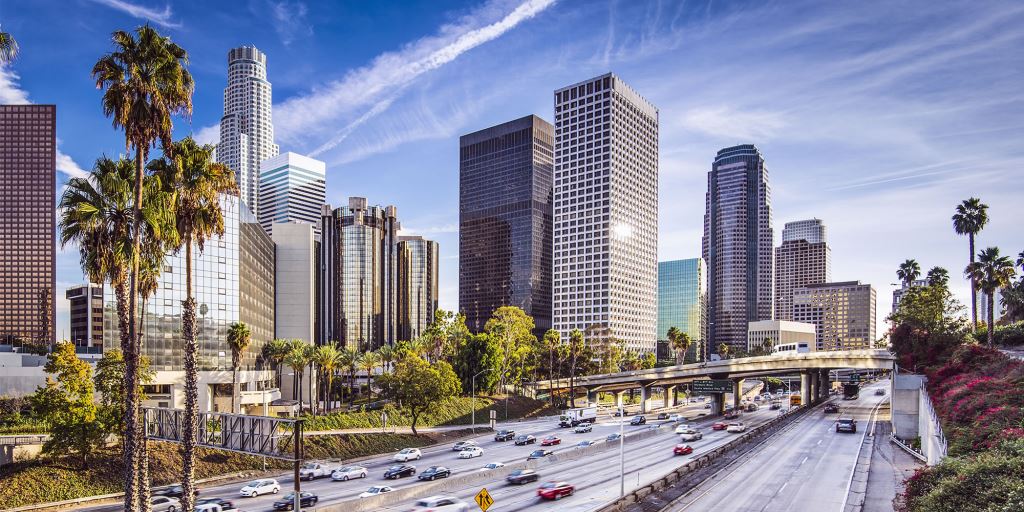

Los Angeles, United States
San Francisco, USA

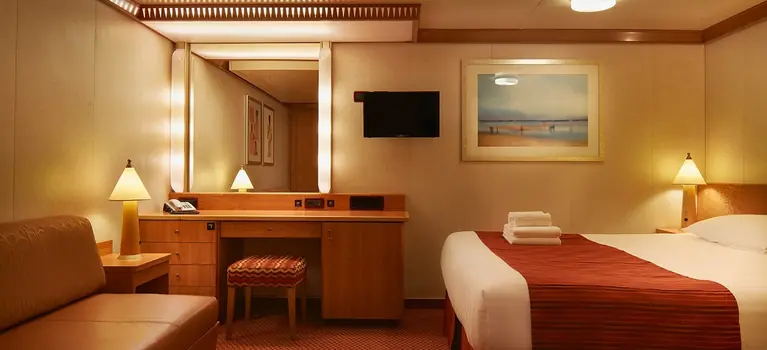
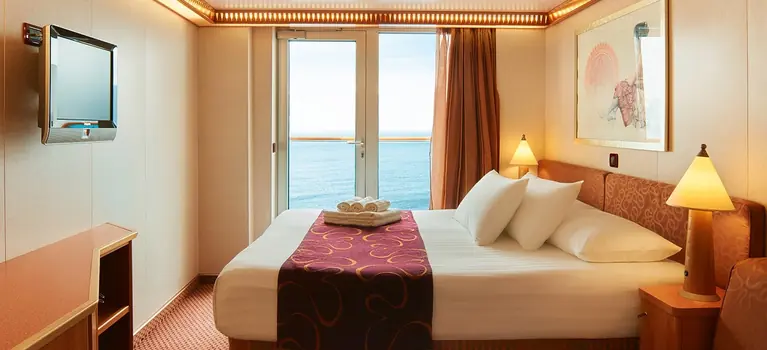
Available cabins for Fri. 27.11. - Sun. 03.01.2027.

Costa Deliziosa

Welcome on board Costa Deliziosa
Dive into the swimming pool early in the morning, when everyone else is still asleep, and feel the sun caress your skin, or savor delicious cuisine at dinner at restaurant, and share it with those you love.
Costa Deliziosa has it all, furnishings, Murano glass decorations, open-air decks with floral names, elegant and bright cruise cabins, and wine tastings of fine wines at the end of the evening in the opulent wine bar.
A symphony of comfort, relaxation, fun and attention to details. That’s why it’s called Deliziosa!
Featured activities